
If you’re noticing a slimy, brownish layer forming on your reef tank’s glass and rocks, diatoms could be the culprit. These tiny algae thrive when silicate and nutrients build up in your water.
By balancing these levels and boosting water quality, you can naturally curb their growth. Keep reading for straightforward steps to clear your tank and keep diatoms at bay.
What Causes Diatoms in Reef Tanks?
Diatoms in reef tanks are primarily caused by elevated silicate levels, which are vital for their cell wall formation. Sources such as new sand additions, disturbed sandbeds, or unfiltered tap water can introduce excess silicates into the tank. These levels promote diatom blooms, especially when nutrient levels are high. To prevent their growth, regularly test silicate concentrations and use removal media like granular ferric oxide (GFO) or specialized resins designed for silicate reduction. Controlling lighting conditions also helps; excessive light duration and intensity accelerate diatom proliferation by supporting photosynthetic activity. Limiting the light to 6–8 hours per day can significantly slow their growth. Additionally, maintaining consistent tank conditions and avoiding sudden changes in lighting can reduce the risk of nuisance algae development. Understanding silicate sources and their impact is crucial in developing an effective strategy for managing diatoms. Regularly monitoring silicate levels helps identify and address issues before they lead to extensive blooms. Combining silicate management with optimized lighting practices is key to keeping diatoms at bay.
How Water Quality and Source Control Diatom Growth?
Controlling water quality and source is vital in preventing diatom growth in your reef tank. Using high-quality, RO/DI water is essential because it removes silicates, nitrates, and phosphates that serve as nutrients for diatoms. Regular testing of your water and maintaining RO/DI systems at zero TDS prevents the introduction of these contaminants from tap water. Keeping parameters such as pH, alkalinity, and salinity stable minimizes nutrient fluctuations that can trigger diatom blooms. Proper substrate cleaning helps remove accumulated silicates and detritus that serve as nutrient sources, reducing the chances of diatom proliferation. Bright aquarium lighting encourages algae growth, so dimming lights or controlling their timing helps limit diatom development. Controlling light intensity and duration can significantly impact diatom growth rates, making lighting management an important aspect of overall water quality control. Consistent water changes with clean, high-quality water dilute nutrients and waste products, creating less favorable conditions for diatoms to thrive. Enhanced water testing techniques allow for early detection of nutrient build-up, aiding in prevention strategies. Prioritizing source control by maintaining optimal water source and quality decisively reduces the likelihood of recurring diatom outbreaks. Additionally, understanding the source of silicates allows for targeted measures to further prevent their accumulation in your tank.
Practical Steps to Remove and Prevent Diatom Buildup
To remove and prevent diatom buildup in your reef tank, a consistent routine that combines manual cleaning with effective filtration is key. Begin by using a magnetic scraper or a razor blade to manually remove algae from the glass every few days, which keeps the tank looking clean and prevents excessive growth. To clean rockwork, gently use a soft-bristled toothbrush or a turkey baster to blow diatoms off, directing the debris toward the intake or siphon hose for easy removal. Wave your hand over the sandbed to lift diatoms into the water column; this debris can then be captured by your filtration system. Mechanical filters, such as filter socks or fine filter floss, should be employed after stirring up debris, and these should be replaced regularly to maintain optimal water quality. Enhancing water movement with powerheads or wavemakers helps prevent stagnation zones where diatoms tend to thrive. Regularly monitoring silicate levels can help prevent future outbreaks, as high silicate levels are a primary cause of diatom blooms. Incorporating accurate testing kits into your routine allows for better nutrient management and more precise adjustments. Implementing proper water testing and adjustments will further assist in managing nutrient levels that contribute to diatom outbreaks. Adding algae-eating snails as part of your biological cleanup crew can naturally control diatom growth as your tank matures. Regular maintenance, combined with proper filtration and biological support, will keep diatoms in check and support a healthy, clear reef environment.

Optimal Filtration: Our 12 pack of 4 inch filter socks features a honeycomb design, ensuring effective removal of organic matter and debris in aquariums, promoting a healthier aquatic environment.

RING STYLE – FITS STANDARD FILTER CUPS: These felt aquarium filter socks feature a smooth molded plastic ring designed to fit standard filter cups and holders commonly used in sump systems, and they are not compatible with Red Sea filter trays.

RING STYLE – FITS STANDARD FILTER CUPS: These felt aquarium filter socks feature a smooth molded plastic ring designed to fit standard filter cups and holders commonly used in sump systems, and they are not compatible with Red Sea filter trays.
How to Reduce Silicates and Nutrients in Your Reef Tank?
To reduce silicates and nutrients in your reef tank, focus on source control and ongoing maintenance. Start by testing your source water, as using RO/DI water with effective membranes and fresh cartridges is crucial; old or damaged filters can release silicates that feed algae growth. Avoid using tap water for top-offs or water changes because it often contains silicates and nutrients that can accumulate over time. Chemical media like GFO or silica-specific adsorbents can help lower silicate and phosphate levels, but use them carefully according to manufacturer instructions to prevent destabilizing your tank’s balance. Maintaining proper water flow is essential—strong, randomized circulation prevents dead spots where diatoms and nutrients tend to build up. Limiting overfeeding and reducing fish biomass also cuts nutrient input, while removing uneaten food prevents excess organics from fueling algae. Regular water changes, effective protein skimming, and manual algae harvesting further export nutrients, helping keep silicate levels low and promoting a healthy, algae-free environment. Monitoring silicate levels regularly can help catch any increases early and enable timely adjustments to your maintenance routine. Incorporating proper filtration methods and ensuring your equipment is well-maintained can also significantly reduce unwanted silicate buildup. Additionally, controlling nitrate and phosphate levels through appropriate biological filtration can further help prevent diatom outbreaks. To enhance your efforts, consider adjusting water chemistry parameters, as they play a vital role in maintaining overall tank health and stability.

𝗘𝗳𝗳𝗶𝗰𝗶𝗲𝗻𝘁 𝗣𝘂𝗿𝗶𝗳𝗶𝗰𝗮𝘁𝗶𝗼𝗻, 𝗣𝗲𝗮𝗰𝗲 𝗼𝗳 𝗠𝗶𝗻𝗱: The DREO 7‑in‑1 RO water filter filters out 99.9% of possible contaminants in water including PFOA, PFOS, chlorine, fluoride and more. It was tested by SGS meeting NSF/ANSI 58 Standards.
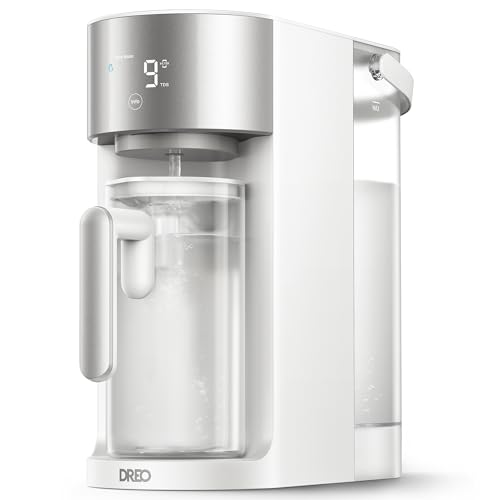
𝙀𝙛𝙛𝙞𝙘𝙞𝙚𝙣𝙩 𝙋𝙪𝙧𝙞𝙛𝙞𝙘𝙖𝙩𝙞𝙤𝙣, 𝙋𝙚𝙖𝙘𝙚 𝙤𝙛 𝙈𝙞𝙣𝙙: The DREO 7-in-1 RO water filter uses a 0.0001 μm RO membrane to reduce a wide range of contaminants; it reduces 99% of lead, chromium (hexavalent), chlorine, PFOS, and PFOA plus 97% of fluoride under laboratory conditions. It was tested by SGS meeting NSF/ANSI 58 Standards.
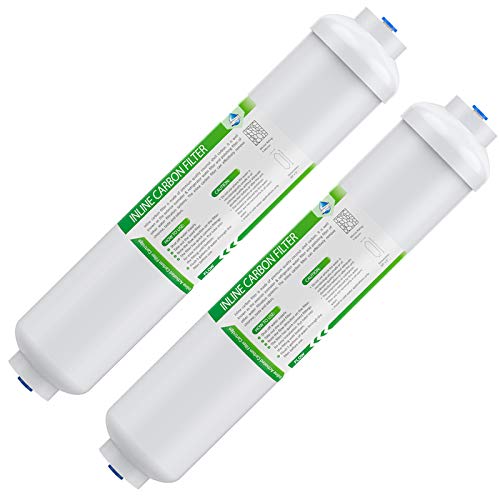
CHECK BEFORE YOU BUY - This 1/4" Quick Connect filter fits push-to-connect (JG style) fittings with 1/4" PE tubing only. It will not work with threaded fittings. For 1/4" to 3/8" stem fittings (for 3/8" pipe), search ASIN B0G281QN7X. For stem elbows and tees (for RO systems with a pressure tank), search ASIN B0G287SFCF.
How to Improve Filtration and Water Circulation for Diatom Control?
Enhancing filtration and water circulation is essential for effective diatom control. Upgrading your filtration system with fine media like filter socks or floss can trap suspended diatoms and detritus before they settle onto rocks or sand. Regularly cleaning or replacing these media ensures consistent performance and prevents organic buildup from decomposing back into the water. Good water flow is crucial in dispersing nutrients throughout the tank, reducing localized areas where diatoms can thrive. Improving water movement with powerheads or wavemakers reduces dead spots where diatoms tend to settle. Increased flow keeps particles suspended, making it easier for filtration systems to remove them. An understanding of aquarium water dynamics helps in designing a more effective circulation setup. Properly calibrated water flow can also help prevent nitrate buildup, which can exacerbate diatom outbreaks. Additionally, integrating biological filtration techniques such as adding beneficial bacteria can help break down excess nutrients that fuel diatom growth. Enhanced circulation across the entire tank also minimizes accumulation on surfaces, preventing diatoms from gaining a foothold. In addition, utilizing sump filtration with strategically placed medias can improve export efficiency. Protein skimming removes organic compounds before they contribute to diatom growth. Together, these measures create a more dynamic, cleaner environment that helps keep diatoms under control long-term.

360° FLEXIBLE HEAD: build in a 360-degree rotatable ball joint design, the wave maker can easily adjust any direction of water current to satisfy different angle needs, has helped keep tank clean by reducing dead corners

Compact and Powerful:3W, 480GPH(1850L/H);The wavemaker has stronge power and is not recommended for use in small fish tanks or with smaller-sized fish.Recommend aquarium size Range: 60-75gal fish tank

All-round Circulation: The hygger wave pump features three interchangeable outlets, different water flow widths to suit various aquarium scenarios. It simulates natural current to energize your tank and inspire your fish to swim. Perfect for creating a natural environment for aquatic lives. Furthermore, It greatly aerates your tank through water movement, and enhances filtration by agitating sediment. One wave maker meets the multi-dimensional needs of the aquarium
Which Grazers and Cleanup Crews Help Control Diatoms?
A diverse cleanup crew effectively controls diatoms by targeting different surfaces and substrates. Trochus, cerith, and nerite snails are among the top grazers that focus on glass, rocks, and hard surfaces, making them ideal for reducing diatom buildup on artificial substrates. Astrea snails are especially useful for suppressing brown film algae on hard surfaces, while nassarius snails, fighting conchs, and sand-cleaning snails focus on detritus and diatoms within sandbeds. Micrograzers such as copepods and amphipods play a crucial role in controlling microalgae in mature systems. Incorporating a suitable reptile thermostat ensures optimal temperature regulation, supporting the overall health of the cleanup crew. Supporting these efforts with fish like bristlenose plecos and otocinclus can enhance overall algae control. Starting with a diverse cleanup crew early helps prevent large diatom blooms and reduces reliance on chemical treatments. Regular addition of these grazers ensures consistent grazing pressure, keeping diatoms in check naturally and maintaining a healthier aquarium environment. Additionally, understanding the role of substrate composition can influence the effectiveness of certain grazers.

2026 REDESIGNED BAIT CHAMBER: All-new alternating triangle pattern is 2-3X stronger than the previous design. Snail-selective entry points are engineered to target pest snails while limiting access from other tank mates.

9+ red ramshorn snails raised in my personal pristine planted aquariums

Monitoring Your Tank’s Progress and Recognizing When Action Is Needed?
Monitoring your tank’s progress helps you catch diatom issues early and determine when action is needed. Start by observing signs like a brown film developing on the sand, rocks, and glass. If this film quickly reappears after cleaning, the root cause is likely still present, and you should take corrective steps. Keep track of how long a bloom lasts relative to your tank’s age: early blooms within 1 to 2 months are typical, but persistent diatom growth beyond 8 to 10 weeks suggests ongoing issues such as excess silicates or nutrients. Use water testing kits to measure silicates, nitrates, and phosphates, and review your filtration system, especially RO/DI units, to ensure they are functioning properly. Adjust your lighting by reducing the photoperiod or replacing aging bulbs if diatoms continue to thrive. Regular physical removal of algae and performing water changes are essential, especially when recurring films signal that further intervention is needed. Additionally, monitoring silicate levels is crucial, as high silicates in new tanks significantly contribute to diatom outbreaks. Maintaining proper nutrient balance in your tank can also help prevent diatom blooms from becoming persistent problems. Paying attention to water parameters and ensuring your filtration is effectively removing nutrients will support a healthier tank environment and reduce diatom persistence. Proper water circulation can also help prevent dead zones and reduce diatom accumulation on surfaces.
How to Prevent Diatom Recurrence Long-Term?
Consistently using RO/DI water is crucial for long-term diatom prevention because it effectively reduces silicates and other dissolved contaminants that promote algae growth. Tap water often introduces silicates, nitrates, and phosphates, which can lead to recurring blooms. Regular water testing allows you to monitor silicate, nitrate, and phosphate levels, catching nutrient spikes early before they trigger new algae outbreaks. Keep nutrient levels low by using phosphate-removing media such as GFO and employing protein skimmers, which remove organic compounds before they break down into nutrients. Mechanical export methods like vacuuming the substrate and cleaning filters regularly help prevent detritus buildup that fuels algae growth. Improving water flow with powerheads ensures better circulation and eliminates dead zones where nutrients can accumulate. Lastly, controlling lighting duration with shorter photoperiods and maintaining a healthy cleanup crew along with sterilizers minimize surface film growth and surface nutrients, creating a stable environment resistant to diatoms over the long term.

Reverse Osmosis Tank: Keeps your water free from any impurities and harsh chemicals. The perfect addition to any RO water system.

🌊 75 GPD Output & 4-Stage Filtration: The 75 GPD membrane delivers up to 99% efficiency, with 4 stages of filtration—sediment removal, chlorine and VOC reduction, advanced RO filtration, and final DI resin polishing for remaining TDS.

MATERIAL RELIABILITY: MS Reverse Osmosis (RO) membranes are made from 100% food-grade Thin Film Composite (TFC) material for ultimate purification performance with high permeate flow, tested by an independent third-party to meet NSF/ANSI 58 standards.
Troubleshooting Persistent Diatom Issues : When to Seek Expert Help?
Persistent diatom outbreaks that do not respond to standard troubleshooting are signs that deeper issues are at play, requiring professional help. If you have tried source-water purification, filtration, lighting adjustments, and flow modifications without seeing lasting improvement, it’s time to consult an expert. A reef or water-quality specialist can help identify hidden problems such as residual silicates, nutrient imbalances, or equipment malfunctions. When a brown film persists on sand and rocks beyond the initial tank maturation phase, a more thorough diagnosis becomes necessary. Equipment issues come into focus if flow is uneven or if outdated bulbs are contributing to stagnation. Testing your source water with ICP analysis or inspecting your RO/DI system for silent failures can reveal unseen problems. Ensuring proper reptile habitat husbandry and environmental conditions are maintained is also essential to prevent recurring issues. When troubleshooting stalls or risks escalate—particularly in large systems or with sensitive animals—seeking expert guidance ensures a safe and effective resolution.