
Floating plants like duckweed, water lettuce, Amazon frogbit, and salvinia can transform your aquarium. These plants not only add visual appeal but also improve water quality by providing shade and absorbing excess nutrients.
They offer fish hiding spots and help create a balanced aquatic environment. Keep reading to discover how to choose and care for the best floating plants for your tank.
What Are Floating Plants and How Do They Benefit Your Aquarium?
Floating plants rest on the water’s surface without anchoring to the substrate. They are a great addition to your aquarium because they add natural texture and movement at the surface. These plants absorb nutrients directly from the water through their dangling roots, helping to keep the water clean and balanced. Their air spaces within leaves and stems make sure they stay afloat effortlessly. Proper light is essential for maintaining healthy floating plants and promoting their growth. Floating plants also benefit fish behavior by providing shelter and shaded areas, which help fish feel secure and reduce stress. They create microhabitats for fry and small species, encouraging natural behaviors like hiding and grazing. Overall, floating plants improve water quality, control algae growth, and enhance your aquarium’s appearance. Additionally, aquarium plant care techniques are important to ensure these plants thrive and continue delivering their benefits effectively.
What Are the Best Floating Plants for Beginners?
For beginners, the best floating plants are those that require minimal care and grow easily. Duckweed, Amazon frogbit, and salvinia are excellent choices because they thrive with little maintenance. These plants spread quickly across the surface, helping to cover the water and reduce algae by absorbing excess nutrients. Calm water is ideal for their growth, as strong currents or turbulence can displace them. Dwarf water lettuce and water sprite are also good options, offering shade and hiding spots that provide a stress-free environment for fish and fry. Their hardy nature and tolerance of typical beginner aquarium conditions make them reliable choices for new hobbyists. Their quick growth rate allows for rapid coverage, which is beneficial for maintaining water quality and creating a natural habitat. Additionally, understanding water parameters and ensuring their stability is essential for supporting healthy plant growth and overall aquarium health. Proper lighting conditions are also crucial to prevent algae overgrowth and ensure robust plant development.
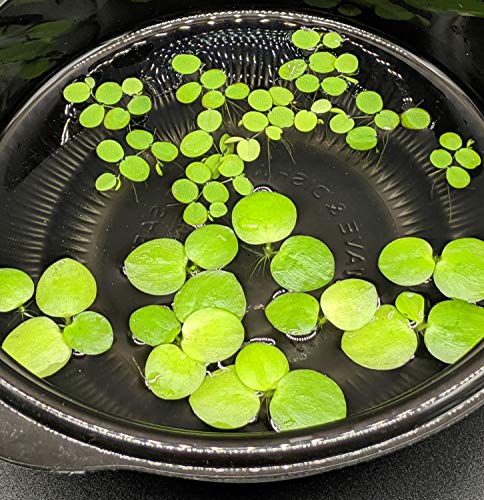
A combo of 6 Mini Amazon Frogbit + 6 Water spangles floating plants.

THE FUNCTION OF AUTOMATIC ADAPTATION TO WATER LEVEL: this product is designed to protect and manage duckweed in the aquarium. A Duckweed fence can automatically adjust its height according to the water level, making the fence on the surface of the water all the time. The product’s 4 inches floating range of water level makes it is suitable for suspended filters, sponge filters
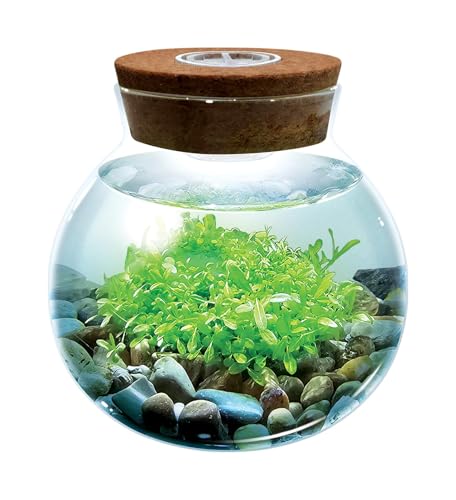
Fits in Any Room: With this unique terrarium starter kit, immerse yourself in the magic of nature. Our plant terrarium starter kit fits seamlessly into any home decor or simply on your desk, offering nature's tranquility where you need it most.
How Do You Choose the Right Floating Plants for Your Tank?
Choosing the right floating plants for your tank starts with considering your tank size and surface coverage needs. For small tanks, select slow-growing or smaller floaters to avoid overcrowding and maintain good water flow. Larger tanks can support faster-growing species that help shade the water and reduce algae buildup. Ensure the plants you choose are compatible with your fish, providing shelter or breeding areas if needed.
Lighting is crucial; most floating plants thrive under moderate to high light and require about 10 to 14 hours of illumination daily. Too much light can encourage algae growth, so aim for a balanced photoperiod. Water flow is another factor—gentle currents favor delicate floating plants, while strong streams may damage them or prevent their proper anchoring. Consider placing fragile species near flow-inhibiting barriers or in calmer areas of the tank. Flow impact can disrupt the health of delicate plants, so adjusting water movement can significantly improve their thriving conditions. Maintaining a healthy environment is essential for supporting the growth and longevity of your floating plants. A well-balanced aquarium ecosystem can enhance plant health and overall tank stability. Additionally, understanding aquascaping principles can help you arrange your plants to create a natural and appealing aquatic environment. Maintaining a healthy environment supports the growth and longevity of your floating plants.

【You Will Receive】5 pcs floating plant corral, 5 different sizes, Suitable for different types of aquatic plants and different sizes of aquariums.

🌱【TANK COMPATIBILITY】Fits aquariums with wall thicknesses up to 0.8 inches (2 cm).
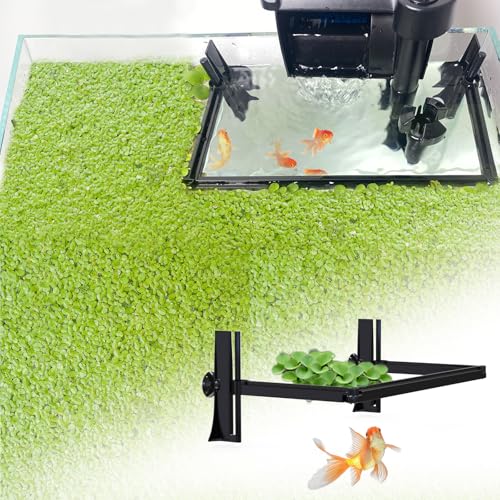
Easy to install without additional instruction, first, please rinse the floating plant barrier with clean water, clean the fish tank surface, then fix the fence support and install the fence, ideal aquarium accessories
How Can I Maintain and Manage Floating Plants Effectively?
To maintain and manage floating plants effectively, focus on regulating water conditions and their placement within the tank. Keep water parameters stable with a pH around 6.5 to 7.5 and a temperature between 70 and 85°F to ensure optimal growth. Place floating plants away from strong currents that can cause them to submerge or become trapped in corners, and leave space near the filter intake to prevent clogging. Performing weekly water changes of about 15 to 20 percent helps prevent detritus buildup and supports healthy plant growth. To inhibit algae formation, avoid over-fertilizing and provide moderate, consistent lighting—aim for about 8 to 12 hours daily —to promote balanced growth. Regularly prune densely packed or dead leaves every 1 to 2 weeks to improve water circulation, prevent overcrowding, and allow sufficient light penetration. Proper management of these aspects will keep your floating plants healthy and your aquarium vibrant. Additionally, understanding the causes of algae can help you take targeted steps to prevent unwanted growth and maintain a pristine tank environment.

COMPLETE ALL-IN-ONE NUTRITION – Thrive provides planted aquariums with a comprehensive blend of macronutrients, micronutrients and essential minerals in one easy-to-use liquid fertilizer.
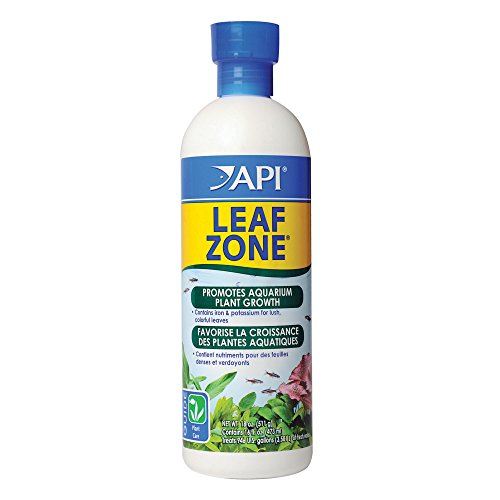
Contains one (1) API LEAF ZONE Freshwater Aquarium Plant Fertilizer 16-Ounce Bottle

ALL-IN-ONE COMPREHENSIVE PLANT FOOD Crystalpro Flora Multi Minerals is an advanced liquid supplement formulated strictly for the vibrant coloration and vigorous growth of freshwater aquarium plants. It delivers every essential nutrient your planted tank needs to thrive in a single, easy-to-use bottle.
How Do Floating Plants Grow, and How Do You Keep Them Under Control?
Floating plants grow by absorbing nutrients directly from the water through their surface leaves and dangling roots. Their growth speed is influenced by light exposure and nutrient levels, particularly nitrogen, potassium, and trace elements. To keep their growth in check, regularly regulate nutrients with liquid fertilizers, which floating plants primarily access from the water. Controlling surface coverage is also important; aim to maintain about 25 to 50 percent coverage to allow sufficient light and gas exchange. Using barriers such as feeding rings or mesh dividers can help contain their spread. Managing water flow is equally critical — minimal surface disturbance encourages stable growth, while directing filter output away from the surface reduces turbulence. Regular pruning and maintaining balanced nutrient levels prevent overcrowding, helping your floating plants stay healthy without overrun. Additionally, understanding the growth requirements of different floating plant species can assist in providing optimal conditions for their health. Proper water quality management is essential to support their healthy development and prevent undesirable algae blooms. Maintaining stable water chemistry also supports the plants’ nutrient uptake efficiency, ensuring they thrive without becoming invasive.
Are Floating Plants Suitable for Your Aquarium Conditions?
Floating plants are suitable for your aquarium if the water temperature remains consistently warm, typically found in tropical setups. Most floaters thrive in stable warm conditions, such as Amazon Frogbit, Water Lettuce, and Salvinia. Cold water environments generally limit their viability, as many species cannot tolerate lower temperatures. Temperature stability is crucial for survival. The filtration system also influences their success. Floaters prefer gentle surface movement; excessive turbulence from heavy filtration or strong water returns can displace or damage them. If your tank has powerful filtration, expect to see less surface coverage, and you may need to adjust water flow to prevent disruption. Water temperature and stability are vital factors to consider for their growth and health. Finally, consider your tank’s inhabitants. Floating plants are particularly beneficial for small fish, fry, or shy species that use surface cover for hiding. Conversely, tanks with heavy-grazing fish like goldfish might require more frequent replacement of the plants, as these fish tend to nibble on or uproot them.
How Can Floating Plants Enhance Your Aquarium’s Look and Function?
Floating plants instantly elevate your aquarium’s appearance by creating a natural canopy that softens open water and introduces visual depth near the surface. Their dangling roots and dense surface coverage produce an intricate, layered look that enhances realism and complexity in your aquascape. Species such as duckweed or water lettuce offer vertical texture and contrast, making the surface more engaging and dynamic. Beyond aesthetics, floating plants serve a practical role by diffusing and blocking excess light, which helps prevent algae overgrowth and water overheating. They also absorb nitrates and phosphates from the water, acting as a natural filtration system. Additionally, floating plants provide shaded refuge and hiding spots for shy fish and fry, promoting a healthier, balanced environment with minimal upkeep. The water quality of your aquarium can significantly influence the growth and health of these plants, so maintaining optimal conditions is essential to support their rapid growth rate and ecological benefits. Consistent monitoring of parameters like nutrient levels ensures that floating plants thrive and continue to offer their ecological advantages effectively. Proper water parameters are vital for the overall health of both the plants and aquatic life, ultimately supporting a thriving ecosystem.
What Are Common Problems With Floating Plants and How Can You Fix Them?
Problems with floating plants often occur when their growth becomes unmanageable or they are not properly maintained. Overgrowth can block vital light, which is essential for photosynthesis. When more than 70% of the surface is covered, light penetration decreases significantly, causing submerged plants to yellow and weaken. Dense floating mats also restrict gas exchange at the water surface, leading to lower oxygen levels that threaten fish health. To prevent this, maintain surface agitation with aerators or water movement devices. Additionally, floating plants can introduce pests to your aquarium, clogging filters and spreading disease if left unchecked. Regular monitoring, removing dead or decaying material, and using fish-safe pest control methods help keep pests under control. Proper maintenance, such as trimming excess growth and ensuring good water quality, supports healthy plant development and maintains overall aquarium balance. It’s also important to consider Proper management of floating plants to prevent overgrowth and preserve a healthy aquatic environment. Regular attention to aquarium water parameters also supports healthier plants and reduces the chances of algae overgrowth. Maintaining a balanced nutrient levels in your water can help prevent excessive algae and plant overgrowth, promoting a stable environment.

Professional Aquascaping Tools Set Effortlessly trim and shape your underwater garden with our precision-crafted aquarium scissors. Ideal for delicate aquatic plant maintenance and precise trimming in both fresh water and salt water environments. Achieve the perfect aquascape with professional-grade tools.


IDEAL LENGTH: These 4-in-1 aquascaping tools kit that are long enough to easily use in fish tank under 10 gallon. 10.6'' Straight aquarium tweezer×1, 10.6'' curved long tweezers for aquarium×1, 9.7'' curved aquarium scissors for plants×1, 12.6'' aquascaping spatula×1. Makes trimming plants, moving plants around, smooth out substrate much easier