
Many aquarium plants can flourish without soil, attaching themselves to decor like rocks or driftwood instead. These types absorb nutrients through their leaves.
Rooted plants, on the other hand, need to be anchored with fishing line or weights.
With the right lighting and fertilization, you can create a thriving aquatic garden whether or not you use soil.
Keep reading to discover how to set up an ideal environment for these versatile plants.
Do Aquarium Plants Really Need Soil or Substrate?
Many aquarium plants do not strictly need soil or substrate to grow well. Instead, you can support their growth by attaching them to rocks or driftwood, especially for plants like Java Fern, Java Moss, or Anubias. These plants primarily absorb nutrients through their leaves and stems, making soil less essential. [Understanding the nutrient absorption strategies] of different plants is crucial for choosing the right setup, so soil isn’t always necessary for healthy, vibrant aquarium plants. While a substrate can help keep rooted plants upright and stable—particularly for plants that rely on their roots for nutrients—many species thrive without it. They feed on nutrients dissolved in the water column, fish waste, or specially added fertilizers.
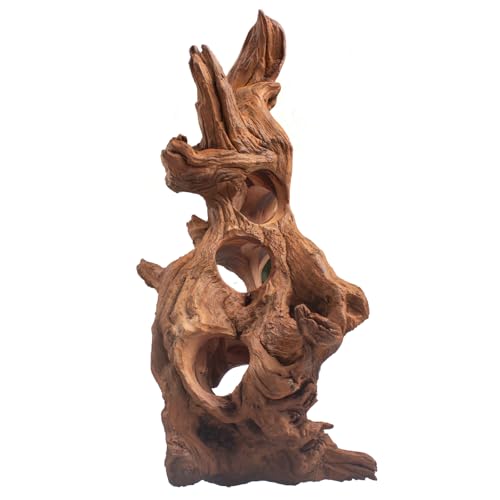
Nature Varies — Each set is one-of-a-kind. Photos show examples only; shape, color, and grain will vary within the stated size range. Size-Graded: Each piece is unique. Choose 8~12 " (20~30 cm) or 12~16 "(30~40 cm).

Made of high grade driftwood, solid and durable, long lasting in underwater or arid environments

Create Picturesque, Realistic Habitat For Shrimps --- Shrimps are uncomplicated pets to take care of. However, their development should not be taken for granted. The 3-piece Cholla Woods by SunGrow is the raw dried husk of the Cholla cactus. It has a soft texture and porous structure that allows you to create an original environment needed by your pets for their overall growth.
Why Is Soil Important for Aquarium Plants?
Soil is essential for aquarium plants because it provides a concentrated source of nutrients directly to their roots. Unlike relying solely on water, which often lacks adequate nutrients, soil supplies macro- and micronutrients that promote healthy growth, stronger root development, and vibrant coloration. Root-feeding plants depend on this nutrient-rich substrate for sustained health instead of absorbing nutrients from the water column. Additionally, soil offers superior anchorage, helping plants stay upright and prevent uprooting, especially for stem and bulb plants. It also encourages beneficial bacteria to thrive, which break down waste and help maintain water quality. Incorporating soil also enhances nutrient retention, creating a stable environment that better supports plant health. Overall, using soil creates a stable, thriving environment that supports vigorous plant growth and a balanced ecosystem. Proper water parameter monitoring is also crucial to ensure the soil’s conditions remain optimal for plant health and to prevent imbalances that could harm the aquatic environment. Incorporating soil can also improve the overall stability of your aquarium setup, especially for plant species that depend heavily on substrate nutrients.
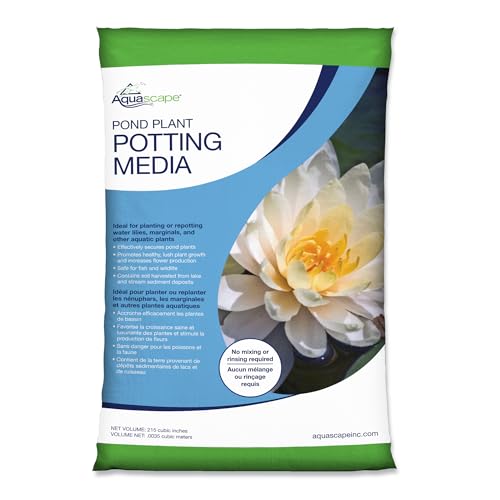
Specialized Aquatic Plant Soil – Formulated to promote healthy root establishment and robust growth for pond plants.

PROMOTES ROBUST PLANT GROWTH: Fluval Plant and Shrimp Stratum encourages strong root development by allowing plant roots to easily penetrate and spread throughout the substrate, helping aquatic plants absorb key nutrients for healthy growth

【Premium Upgraded Formula for Superior Plant Growth】Our premium aquarium soil features a refined blend of natural humus, activated carbon, silica, and essential minerals (nitrogen, phosphorus, potassium, etc.). It provides long-lasting nutrients and helps maintain clean water conditions. This creates a favorable environment for aquatic plants, shrimp, and fish, taking your aquascaping to the next level.
Which Aquarium Plants Can Thrive Without Soil?
Several aquarium plants can thrive without soil by attaching to hardscape or floating on the water’s surface. These epiphytes, such as Java fern, Anubias, Bolbitis, and Bucephalandra, attach to driftwood, rocks, or other structures and absorb nutrients through their rhizomes. Care must be taken with their placement to prevent rot, as their rhizomes need good water flow and occasional nutrient supplements. Mosses like Java moss, Christmas moss, and Süsswassertang depend on anchoring or spreading on surfaces rather than developing roots and are excellent for enclosures without substrates. Floating plants such as duckweed, water lettuce, Amazon frogbit, and water spangles absorb nutrients directly from the water column, eliminating the need for soil or substrate. Fast-growing stem plants like hornwort, Anacharis, guppy grass, Brazilian pennywort, and water wisteria can grow without being rooted or by floating, as they primarily rely on nutrients dissolved in the water. These options are ideal for tanks with limited or no substrate, simplifying maintenance while providing lush, natural coverage. Additionally, understanding the role of pond filtration systems, like bog filters, can help replicate these nutrient absorption processes for healthier aquatic environments. Efficient filtration is essential to maintain water quality and support plants that absorb nutrients directly from the water. Proper circulation and water flow also contribute to nutrient distribution, encouraging healthy plant growth in these setups.

【You Will Receive】5 pcs floating plant corral, 5 different sizes, Suitable for different types of aquatic plants and different sizes of aquariums.
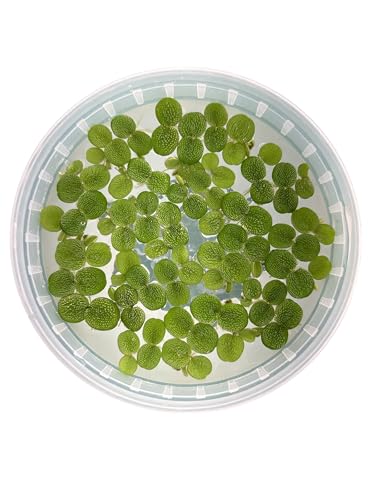
Unique Floating Plants: Salvinia Minima, commonly known as Water Spangles, are fascinating live aquarium plants that float on the water surface.

THE FUNCTION OF AUTOMATIC ADAPTATION TO WATER LEVEL: this product is designed to protect and manage duckweed in the aquarium. A Duckweed fence can automatically adjust its height according to the water level, making the fence on the surface of the water all the time. The product’s 4 inches floating range of water level makes it is suitable for suspended filters, sponge filters
How Can You Support Rooted Plants Without Soil?
To support rooted plants without soil, you need to stabilize their roots through physical anchoring methods. Attaching plants to driftwood or rocks using fishing line or cotton thread keeps roots in place while allowing natural growth. Using pebbles or small rocks to weigh down roots within the substrate prevents dislodging and provides stability. Ceramic anchors or sponge inserts inside planting cylinders give weak roots a firm foundation, ensuring they don’t float or shift. Natural crevices in driftwood and gaps between rocks serve as secure anchoring points, holding roots without burying the plant’s crown. Wrapping roots around stable décor or tying them to fixtures also creates durable support structures. It’s important to keep the plants stationary until their roots establish enough to hold them in place, promoting healthy growth without soil in your aquarium. Designing durable attachment methods helps ensure the plants remain stable during their initial growth phase. Additionally, understanding how aquarium plant anchoring techniques work can improve long-term plant stability and overall tank aesthetics. Using proper anchoring methods can also reduce the risk of uprooting during water changes or disturbances. Incorporating alternative anchoring options can further enhance plant stability in challenging tank setups.

🌱【TANK COMPATIBILITY】Fits aquariums with wall thicknesses up to 0.8 inches (2 cm).

🍀Ideal Aquarium Decor🍀 - This aquarium plant holder is perfect for growing fully aquatic as well as semi-aquatic plants in your aquarium, it not only decorates your aquarium but also prevents fish from eating the plant roots.

Transparent Suction Cup: The aquarium suction cups are designed with adjustable zip ties for small aquariums or positioning small plants, fish and shrimp nest, thermometer and so on,Suction cup clips set including 10 pieces suction cup clip with 30pcs zip ties
When and Why Should You Use Fertilizers in Soil-Free Tanks?
In soil-free tanks, adding fertilizers becomes essential once your plants show signs of nutrient deficiencies or when you want to promote faster growth. Since these systems do not have a natural soil reservoir to supply nutrients over time, liquid fertilizers are necessary to provide key macro- and microelements, including nitrogen, phosphorus, potassium, and trace minerals. During the cycling phase, early plant uptake can be limited, so consistent fertilization helps fill nutrient gaps. Regular, targeted doses support healthy plant development, ensure steady growth, and maintain proper water chemistry. They also promote beneficial biological filtration by encouraging lush plant roots that help control harmful compounds and prevent algae blooms. Proper fertilizer application and consistent care are vital for thriving aquatic plants and water balance in soil-free setups.

ALL-IN-ONE COMPREHENSIVE PLANT FOOD Crystalpro Flora Multi Minerals is an advanced liquid supplement formulated strictly for the vibrant coloration and vigorous growth of freshwater aquarium plants. It delivers every essential nutrient your planted tank needs to thrive in a single, easy-to-use bottle.
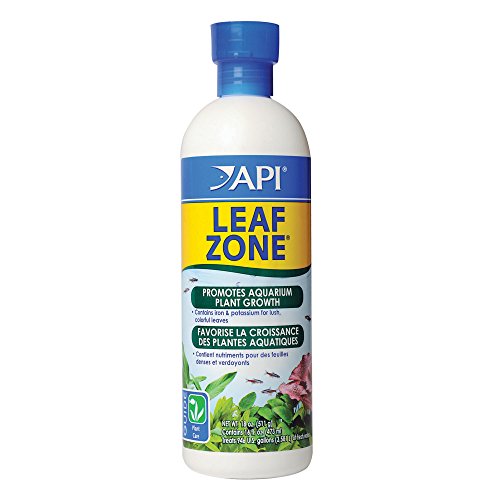
Contains one (1) API LEAF ZONE Freshwater Aquarium Plant Fertilizer 16-Ounce Bottle

Product Type: ARTIFICIAL PLANT
What’s the Ideal Substrate Depth for Different Setups?
The ideal substrate depth depends on your tank size, plant types, and aquascaping goals, but generally range from about 1 to 4 inches (3 to 10 cm). For small plants or carpeting species, a depth of around 1 inch (3 cm) is sufficient to support root growth without risking compaction. Larger background plants and deep-rooted species typically need 3 to 4 inches (9 to 10 cm) to establish strong root systems. Standard layouts for most tanks often use a substrate depth of 2 to 3 inches (6 to 9 cm), providing enough space for roots and nutrients while avoiding excessive compaction. Keep substrate depth no more than 3 inches to prevent issues such as anaerobic zones and gas buildup. Proper substrate depth also influences nutrient distribution and plant health over time. Maintaining consistent substrate depth helps create a stable environment for plant roots and supports healthy growth. In tanks under 20 gallons, a depth of 1 to 2 inches (3 to 5 cm) is usually enough, especially if you have lightweight plants or temporary setups. Larger tanks benefit from a deeper substrate of 2 to 3 inches (6 to 9 cm), which supports a wider variety of plants and promotes healthy growth. Using a front-to-back slope in your substrate allows for designated zones for different plant types: shallower at the front for low-growing plants, deeper at the rear for taller or more vigorous species. This variation not only creates visual interest but also helps accommodate diverse root systems effectively.
Tips for Growing Healthy Plants in Soil-Free or Low-Substrate Aquariums
To grow healthy plants in soil-free or low-substrate aquariums, focus on selecting epiphytes and water-column feeders that do not rely on substrate for nutrients. Epiphytes like Java fern, Anubias, and Bucephalandra attach directly to rocks or driftwood, absorbing nutrients primarily through their leaves. Water-column feeders such as hornwort and floating plants thrive with regular fertilization of the water column, ensuring they receive all necessary nutrients without rooted substrate.
Avoid using root-feeders and bulb plants, as they perform poorly without substrate to anchor their roots and absorb nutrients. Instead, rely on liquid fertilizers as the main nutrient source, adding them consistently according to manufacturer instructions. For rooted species, supplement with root tabs placed near their bases to provide localized nutrients directly to their roots.
To keep plants stable, anchor them with gravel or sand, lightly covering the roots to prevent floating while avoiding overly compacted or deep planting that can suffocate roots. Managing light levels is essential—optimize lighting intensity to match plant needs and prevent algae growth. Sufficient light promotes healthy growth, but excessive light can encourage algae, so balance is key. Additionally, understanding the nutrient absorption methods of various plants can help optimize fertilization strategies for better growth outcomes.
Maintaining stable water quality with consistent parameters and balanced fertilization creates ideal conditions for vibrant, healthy plant growth in low-substrate or soil-free aquariums. Being aware of aquarium water parameters and their effects on plant health can further support nurturing a thriving aquatic environment.