
Cleaning your fish tank gravel without a vacuum can seem tricky, but it’s entirely doable with some simple steps. You’ll just need to carefully loosen debris and remove it without disturbing your aquatic environment too much.
By the end of this guide, you’ll be able to keep your tank looking clean and healthy without relying on a traditional gravel vacuum.
Ready to get started? Let’s dive into the steps.
Why Regular Gravel Cleaning Keeps Your Aquarium Healthy
Regular gravel cleaning is essential for keeping your aquarium healthy because it removes waste and excess nutrients that can accumulate over time. Debris such as fish waste, leftover food, and plant debris break down into dissolved pollutants, which can disrupt the chemical balance and promote algae growth. Regular cleaning reduces these nutrients, helping to control algae and keep your tank clearer. It also prevents the formation of “dirty zones”—areas with high organic waste—that can cause water quality fluctuations. Additionally, cleaning the gravel supports beneficial bacteria populations in the substrate, which are crucial for biological filtration. Beneficial bacteria naturally thrive in a balanced environment, and their presence helps break down waste more efficiently. Understanding the proper salt levels in your water can also boost the efficiency of beneficial bacteria, further supporting overall tank health. Maintaining a stable environment can also improve the long-term health of your fish, ensuring they thrive in their habitat. Healthy bacterial colonies depend on stable conditions to maintain effective biological filtration. Overall, consistent gravel maintenance helps maintain stable water conditions, prevents algae overgrowth, and creates a thriving environment for your aquatic life.
Preparing Tools and Fish Before You Start
To start cleaning the gravel, you need to gather all the necessary tools and prepare your fish first. Use fish-friendly tools like nets and gentle containers to carefully transfer your fish to a temporary holding tank filled with tank water. This helps reduce stress and avoids injury during the cleaning process. Remove or reposition aquarium decor and plants to access the gravel safely, taking care not to damage roots. Turn off heaters, filters, and other electrical equipment to prevent damage or splashes. Prepare a clean bucket or container with dechlorinated, temperature-matched water for re-filling the tank later. Keep a sieve or colander ready for rinsing the gravel, and use separate tools designated only for aquarium use to prevent contamination. Proper preparation ensures the process is safe, smooth, and minimizes stress for your fish. Additionally, understanding aquarium pH test kits can help monitor water chemistry and maintain a healthy environment for your aquatic life. Regularly inspecting and adjusting water quality can contribute to a cleaner, healthier tank overall. Remember, maintaining proper water chemistry is key to a thriving aquarium environment.

4 Inch Small Net: Size: 4" L x 3.5" W; pocket depth: 2.5 inches. Its solid frame ensures good bearing capacity. Perfect for loading small fish without getting stuck.

4 Inch Small Net: Measures 4" L x 2.7" W with a pocket depth of 3 inches. Its solid frame ensures good bearing capacity. Perfect for loading small fish without getting stuck.

Fish net with telescopic handle allows you to reach the bottom of deep tank without dripping hands
How Often Should You Clean Your Gravel?
Most aquariums benefit from gravel cleaning every four weeks. This schedule helps prevent waste buildup and maintains water quality, especially in tanks with moderate fish loads and effective filtration. However, if your tank has a high number of fish or you tend to overfeed, more frequent cleaning—about every two weeks—may be necessary to keep the substrate free of debris. Using high-quality water changes can also improve overall water quality and support a healthy aquatic environment. Additionally, adequate filtration plays a crucial role in reducing the frequency of gravel cleaning by helping to keep debris from settling. Maintaining appropriate water parameters is essential for supporting a stable and healthy environment, which can reduce the need for more frequent cleaning. Conversely, tanks with fewer fish, lower feeding frequency, and powerful filters can often extend the interval to six weeks without issues. Regularly monitoring your water for cloudiness, debris, or unusual fish behavior will help you determine if more frequent or less frequent gravel cleaning is needed. Coordinating gravel maintenance with routine water changes maximizes cleanliness and supports a healthy, thriving aquarium environment.
Manual Gravel Cleaning Without a Vacuum
To clean your gravel manually without a vacuum, start by carefully removing your fish from the tank. Transfer them to a temporary container filled with tank water to reduce stress and keep them healthy. Next, use a small net to remove large debris such as uneaten food and trash from the substrate. Lower the water level to about 35-50% to make reaching the gravel easier. You can gently move your plants aside to avoid damaging them during cleaning. Then, scoop the gravel into a cup or jug and place it into a sieve or colander positioned over a bucket. Rinse the gravel thoroughly under running water, shaking the sieve gently to loosen dirt and algae. Regularly cleaning your gravel in this way helps control algae growth and maintains a healthier environment for your fish. Using the right gravel vacuums can also make this process more efficient when you choose to switch to a mechanical cleaning method. Additionally, understanding the benefits of gravel cleaning can help motivate regular maintenance and improve overall tank health. Being aware of aquarium maintenance techniques can also provide broader insights into keeping your tank pristine.
![QZQ Aquarium Gravel Cleaner Vacuum Fish Tank Cleaner Tools Kit | [2026 Edition] Water Changer with Aquarium Thermometers, Fish Net kit, Use for Fish Tank Cleaning Gravel and Sand](https://m.media-amazon.com/images/I/51S+2N20RtL._SL500_.jpg)
Mufti-functional cleaning kit: Aquarium gravel vacuum cleaner kit is a mufti-functional aquarium cleaner that uses (adopts)the siphon design principle, which includes the aquarium, aquarium sand washing, algae scraping, fish excrement cleaning, aquarium residual debris, and aquarium water changing. Quick water change gives fish (provides)a clean and comfortable aquarium living environment.

【Upgraded 6-in-1 Multi-Functional Aquarium Gravel Cleaner】This upgraded gravel vacuum integrates six essential functions: water changing, sand washing, debris removal, water filtration, water showering, and flow control. Designed for use in both freshwater and saltwater aquariums, it is compatible with tanks of various depths and water volumes.
How to Stir and Skim Gravel in Your Tank
To stir and skim gravel effectively, start by gently loosening debris in small sections of your tank’s gravel using tools like spoons or plastic probes. This process helps dislodge trapped waste and encourages debris to float into the water column. Once a section is stirred, immediately skim the surface with a fine-mesh net or strainer to catch floating particles before they settle again. Focus on high-debris zones such as feeding areas or around decorations, but be careful to avoid uprooting live plants or disturbing the tank layout. Repeating the process—slowly stirring then skimming—across different sections helps reduce cloudiness and maintain a clean, healthy environment for your aquatic life. Remember to use the right tools and products to make the process more efficient and less stressful for your fish. Incorporating regular maintenance routines is essential for long-term tank health and stability.

Tiny Shrimp Net: Diameter: 2 inches; Pocket depth: 2 inches. The aquarium shrimp net is suitable for scooping shrimp, fry and baby fish. Perfect net for small fish tank or bowl.

3 inch small fish net measures 3" L x 2.3" W with a pocket depth of 2.5 inches. Perfect for small fish without getting stuck

Tiny Shrimp Net: Size: 3.1" L x 3.1" W; Pocket depth: 3 inches. The aquarium shrimp net is suitable for scooping shrimp, fry and baby fish. Perfect net for fish tanks and small ponds.
Using a Siphon for Effective Gravel Cleaning
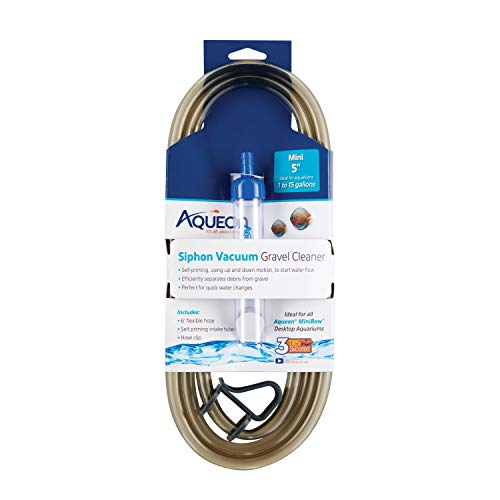
Using a siphon is one of the most effective ways to clean gravel without removing all the water from your tank. To do this correctly, start by placing your bucket lower than the tank to let gravity assist with water flow. Secure the hose end with a clip to prevent slips and messes. Fully submerge the intake tube and fill it with water to eliminate trapped air. Position the tube at an angle with the opening facing upward to help purge any remaining air pockets. Begin the flow by lifting the tube above the rim of the tank or priming it with a bulb, avoiding mouth suction. Use a steady, rhythmic plunging and lifting motion while systematically working across the gravel. Regularly check connections and flow rate to maintain optimal siphon performance. Ensuring the siphon is properly primed helps prevent interruptions during cleaning and keeps the process smooth. Proper maintenance ensures efficient debris removal and helps keep your tank clean with minimal disturbance. Always inspect your equipment before starting to ensure everything is functioning correctly and to prevent water spillage. Additionally, understanding the siphon priming process can significantly enhance your cleaning efficiency. Regularly maintaining your siphon and understanding its mechanics will minimize water loss during cleaning.

Effectively separates and removes debris from your aquarium
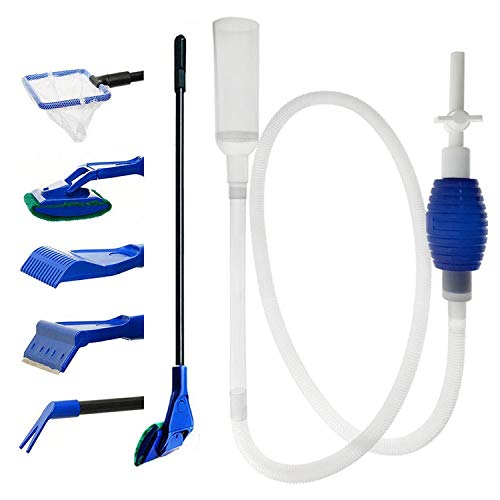
PREMIUM MATERIALS: Crafted from durable, high-quality materials, this aquarium cleaning kit is built to last and withstand frequent use for reliable fish tank maintenance.

Versatile Cleaning Kit: Our aquarium gravel vacuum cleaner kit is a multi-functional solution for all your aquarium maintenance needs. It utilizes the siphon design principle to perform essential tasks such as aquarium cleaning, sand washing, algae scraping, fish excrement removal, debris elimination, and water changes. Equipped with three independent cleaning heads, our kit allows you to effortlessly tackle various tasks with ease.
Quick Spot Cleaning to Remove Debris
Quick spot cleaning is an effective way to targetedly remove remaining debris after a gravel siphon. Use tools like a turkey baster, small net, or plastic probe to loosen waste from feeding areas, corners, or beneath decorations. Carefully stir small patches of gravel to dislodge particles, then collect them before they resettle. Repeat this process as needed across different spots in the tank. Additionally, selecting the right moss plants for aquariums can help reduce debris buildup by promoting natural filtration and algae control. Before starting, turn off filters and heaters to prevent disturbances and allow particles to rise into the water column. Then, gently stir the gravel in the selected area, guiding debris upward. Use your chosen tool to scoop out or blow away the waste without disturbing too much of the surrounding substrate. You can further improve debris removal by choosing suitable substrates that inhibit waste accumulation. Once cleaned, turn filters and heaters back on. Performing quick spot cleans regularly helps keep the tank looking fresh and reduces buildup that can harm your fish or affect water quality. This approach maintains your aquarium’s aesthetics and health with minimal stress to your aquatic inhabitants.

Perfect for Regular Water Changes: No messy drips, and a sturdy one way valve to improve suction. You can clear 30L in about 5 minutes with our aquarium siphon

FUNCTION --- Easy to control, convenient to siphon fish faeces, impurities, turbid water out of fish tank.

hygger 6-in-1 cleaning tool kit helps to keep tank neat and clean without getting hands wet. Made to last long time and makes cleaning the tank a breeze
Refilling, Reintroducing Fish, and Restarting Equipment
Once the cleaning process is finished and the tank is refilled with conditioned water, you can safely reintroduce your fish and restart your equipment. Start by ensuring the substrate and décor are properly positioned, taking care not to stir up loose debris. Match the temperature of the replacement water within about ±1°F of the existing tank water to reduce stress for your fish. Refill gradually to prevent disturbing the substrate and to allow the temperature to stabilize. When adding tap water, always include a dechlorinator to remove chlorine and chloramine.
If the water chemistry or temperature has changed significantly, acclimate your fish slowly by floating the bag in the tank or gradually mixing tank water with the water in the bag over time. Before turning your equipment back on, verify that the heater, filter, and aeration system are correctly installed and functioning properly. Ensure the filter is primed and running smoothly. Leaving some gravel in the tank helps maintain beneficial bacteria populations. After reintroduction, monitor water parameters closely to ensure stability and a healthy environment for your fish.
Troubleshooting Common Gravel Cleaning Challenges
When cleaning your gravel, issues like cloudy water and gravel getting sucked into your hose are common and manageable. Cloudiness often results from fine dust particles that can take several washings to clear, especially with new gravel. Rinsing small batches in a sieve or bucket helps remove debris more effectively and prevents the dust from clouding the water. To avoid losing gravel or damaging your aquarium decor, reduce the flow by pinching the hose or lifting the cleaner gently. Regular cleaning reduces the buildup of waste and debris, ensuring that dust particles are less likely to be stirred up during cleaning. When cleaning deeper areas, move the cleaner systematically from corner to corner to prevent missed spots and reduce waste buildup. Excessive disturbance during cleaning can upset the water chemistry and stress your fish, so limit water removal to 25 to 30 percent of the total volume at a time. Cleaning gradually and carefully ensures your tank remains balanced while addressing these common challenges.