
Cleaning your aquarium filter socks might seem tricky, but keeping them fresh is key to a healthy tank.
Usually, a simple rinse and occasional deep clean are enough to get rid of debris and maintain good water flow.
With a few quick steps, you can easily keep your filter socks in top shape.
Keep reading for the full process.
Why Proper Cleaning of Aquarium Filter Socks Matters
Regularly cleaning your aquarium filter socks is crucial because it prevents detritus buildup and nutrient release that can compromise your tank’s water quality. When organic material accumulates, it decomposes and releases dissolved nutrients into the water, increasing the risk of water quality issues such as algae blooms or poor fish health. Proper maintenance keeps debris physically removed rather than allowing it to break down on its own, which helps maintain a stable environment. Additionally, proper cleaning techniques help maintain the integrity of the sock fibers, preventing premature wear and tear that can lead to leaks or reduced filtration efficiency. Chemical cleaning can effectively remove stubborn biofilms and prevent microbial overgrowth, but it must be done carefully to avoid damaging the fabric. Frequent cleaning also extends the lifespan of your filter socks by reducing wear caused by harsh chemicals and environmental stresses. Understanding microbial growth is essential for effective cleaning, as it helps prevent the buildup of harmful bacteria or mold that can compromise water quality. Implementing preventative maintenance practices, such as regular inspections and timely cleaning, is key to avoiding microbial contamination and ensuring optimal performance. Proper sanitation practices prevent fermentation and microbial overgrowth within your filter socks. Additionally, well-maintained socks prevent mold, bacteria, and potential contamination, ensuring a cleaner and safer environment for your aquatic life.
In general, consistent cleaning keeps your filtration system running efficiently, maintains unobstructed flow, and promotes overall tank health. By incorporating proper cleaning routines, you ensure that your aquarium remains a clean, safe, and thriving habitat.
How to Remove and Debris Clear Filter Socks Safely
To remove your filter sock safely, start by turning off the return pump. This prevents debris from being pulled back into your tank or sump during the process. Gently detach the sock from its holder, taking care not to tear the fabric, especially if it has a metal ring or frame. Keep the sock upright as you remove it to contain debris and avoid spills. Shake the sock over a waste bin to dislodge heavier debris trapped inside. Turn the sock inside out to expose and remove any trapped waste. Use water or a soft brush to gently loosen loose particles from the fabric, being careful not to damage it. Rinsing the sock thoroughly helps clear away debris and prepares it for a more detailed cleaning. Proper storage between uses(Using two 5-gallon buckets with tight sealing lids) prevents odors and keeps the socks in good condition until their next cleaning. Additionally, storing the socks in a safe environment(to prevent contamination) helps maintain their effectiveness and lifespan. Considering filter maintenance(for optimal aquarium health) can extend the life of your filter socks and improve water quality.
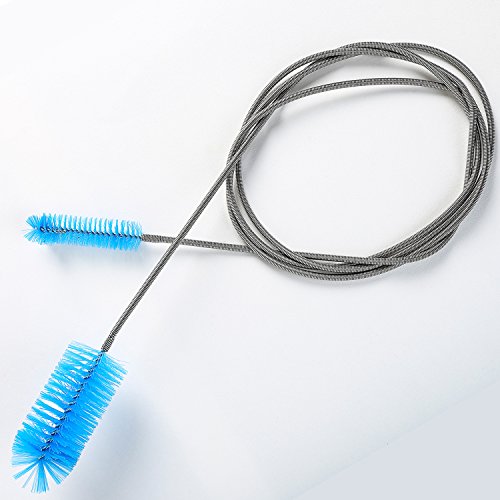
FLEXIBLE DOUBLE ENDED BRUSH:made of high quality soft nylon bristles and stainless steel, flexible two-end long brush, sky blue plastic and it can reuse for many times, easy to push and pull.
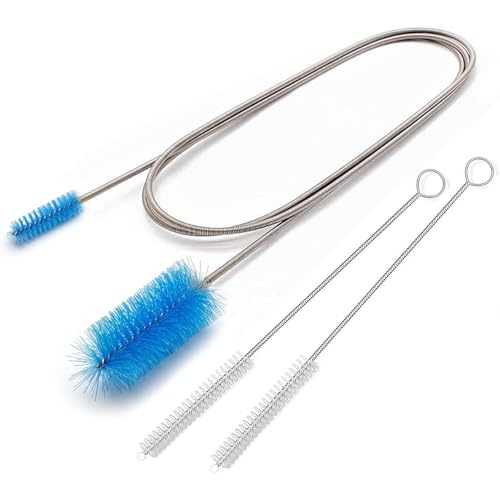
🚫UNCLOG NARROW TUBES INSTANTLY: Tired of water pooling in your fridge or grime clogging your aquarium filters? This 67-inch (170cm) extra-long flexible drain brush is the ultimate problem-solver. It easily snakes through deep, narrow, and curved tubing to effortlessly remove gunky buildup, dirt, and residue.

Package Include: the package contains 2 pieces double ended brush (blue, yellow), 1 piece of each color and 10 pieces of different sizes black aquarium brushes set, total of 12 pieces, enough quantity to meet your diverse needs, 2 different styles of cleaning brush can meet your daily needs of many kinds of use
Best Methods for Deep Cleaning Your Filter Socks
Deep cleaning your filter socks thoroughly involves choosing the right method based on buildup severity. Bleach is effective for removing stubborn stains and biofilms but must be handled carefully to avoid damage and residual chlorine. When using bleach, dilute it properly—typically one part bleach to ten parts water—and wear gloves and eye protection. Limit bleach immersion to about 15 to 30 minutes, then rinse thoroughly with fresh water. It’s important to air dry the filter socks at least two days after bleaching to ensure all chemicals evaporate and any residual chlorine neutralizes. Additionally, proper sanitation methods can help ensure your filter socks remain free of harmful contaminants and algae buildup. Machine washing is another option for routine deep cleaning. Use a heavy-duty cycle with hot water, and add two to three capfuls of fragrance-free bleach directly into the washer. Do not add detergent during this process, as it can leave residues that may clog the filter. After washing, ensure the socks are completely dry before reuse. Manual cleaning involves soaking the socks in a vinegar solution—about one cup of vinegar per gallon of water—to dissolve mineral deposits, followed by gentle scrubbing with a soft brush. Rinse thoroughly and allow the socks to dry completely before reinstalling or reusing. Using a cleaning brush can help dislodge stubborn debris during manual cleaning. Pressure washing provides a fast and effective way to remove debris from filter socks but requires careful control of water pressure. Use a gentle spray setting to avoid tears or damage, and keep the nozzle at a safe distance. Allowing proper air drying not only prevents mold growth but also helps maintain the integrity of the materials and prolongs their lifespan. Always air dry the socks after pressure cleaning for at least 48 hours, ensuring all moisture and chemical residues are fully evaporated to prevent mold growth or damage.

Material : Nylon,Stainless Steel,Plastic.

Flexible Double Ended Brush:made of high quality soft nylon bristles and stainless steel, flexible two-end long brush, sky blue plastic and it can reuse for many times, easy to push and pull.

This hose brush is perfectly used to clean small diameter pipes
How to Rinse, Dry, and Inspect Your Filter Socks Before Reinstalling
After thoroughly rinsing your filter sock, it is essential to remove any residual chemicals and trapped debris before reinstalling. Use running water, a hose, or a jet spray to rinse the sock both inside and out. Turning the sock inside out helps access debris lodged in seams and felt, ensuring a thorough clean. Continue rinsing until the runoff is clear, indicating that most trapped particles and odors have been eliminated.
Next, allow the sock to air dry completely. In low humidity environments, a minimum of 24 hours is recommended, while in high-humidity settings, drying may take up to 2–3 days. Adequate drying prevents moisture buildup, which can promote mold growth. Before inspecting, confirm that the sock is completely dry to prevent assessing a damp component.
During inspection, look for tears, thinning fabric, or damaged seams that could compromise filtration efficiency. Check that the sock no longer has any bleach odor and appears intact. Finally, ensure the sock fits snugly when reinstalling to prevent bypass flow, maintaining optimal filtration performance.


Optimal Filtration: Our 12 pack of 4 inch filter socks features a honeycomb design, ensuring effective removal of organic matter and debris in aquariums, promoting a healthier aquatic environment.

【Novique Aquarium Cleaning Tool Kit】: Still hesitating over which tool to choose for perfectly cleaning your aquarium? Choose Novique now—one set of tools solves all your cleaning needs, providing a healthy living environment for your fish and aquatic plants. Featuring five different accessories, high toughness, sturdiness, and rust resistance, it offers secure installation and easy removal, plus a 19-inch anti-slip handle. With it, you'll enjoy crystal-clear underwater views every day.
Maintaining and Replacing Filter Socks for Long-Term Aquarium Health
Regular inspection of your filter socks is crucial to maintain your aquarium’s filtration efficiency. Look for signs such as thinning fabric, tears, stretched grommets, or lingering odor. These indicators show the sock may need replacing or thorough cleaning. Using aquascaping principles can help you better understand how to position and manage your filter media for optimal health. In high-bioload tanks, inspect the socks daily and replace or clean them every 1 to 2 days. For moderate-bioload systems, check every 2 to 3 days; in low-bioload tanks, every 3 to 5 days. When replacing, ensure the new sock fits snugly without wrinkles or gaps to prevent debris from bypassing filtration. Chemical sterilization methods like bleach cleaning can weaken the fabric over time. Watch for fraying or staining, which can signal that the sock has become less effective. Keeping at least twice as many socks as needed allows you to rotate them, extending their lifespan and maintaining optimal filtration.

S7F S8F S9F Aquarium Filter Replacement Sock filters 4PSC
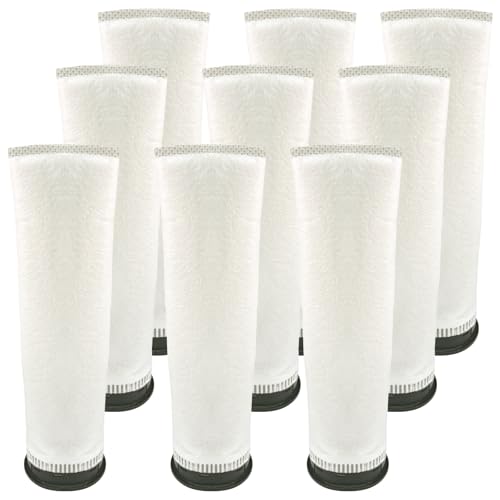
【Precise Fit】2.75‑Inch Felt Filter Sock designed Replacement for Waterbox Aquariums AIO‑series (AIO 10 CUBE, AIO 15 PENINSULA, AIO 20 CUBE, AIO 25 PENINSULA, AIO 35.2, AIO 50.3, AIO 65.4), HelloReef 15G, Eshopps, Fiji Cube fish tanks and all standard 2.75‑inch filter sock holders.

Micron filter bags provide excellent mechanical filtration, which helps reduce the amount of ammonia-producing organic matter in your aquarium by trapping debris which also helps prevent large and small object like sand and coral from damaging aquarium equipment.
Tips for Storing and Extending the Life of Your Filter Socks
Proper storage of your filter socks is crucial for extending their lifespan. Always ensure they are completely dry before storing. This step prevents mold, bacteria, and fiber damage that can occur if moisture remains. Air-dry your socks in a well-ventilated area for at least 24 to 48 hours; longer in humid environments. Once dry, store them in breathable containers like clear plastic or breathable fabric bags. Avoid sealed or damp spaces, as these promote moisture buildup and accelerate deterioration. Proper storage methods help prevent deterioration caused by environmental factors. Keep your stored socks away from direct sunlight, heat sources, and high humidity, all of which can weaken synthetic fibers over time. Label each sock by size or type to reduce handling and avoid cross-contamination during use. Before storage, inspect for tears or thinning fabric, which indicate the need for replacement. Gentle rinsing with tank water and avoiding harsh chemicals helps preserve the material’s integrity. Regularly rotating and inspecting your socks also reduces material fatigue, ensuring they perform optimally and last longer, saving you money and maintaining water quality. Additionally, paying attention to aquarium water conditions can help identify when filters and socks need replacement sooner, prolonging their usability.

Premium Material: The filter socks are made of 3D woven mesh. The 3D honeycomb structure can effectively intercept the impurities in the fish tank water. And the net bag internal meticulous high density has good penetrability, can be efficient filtration at the same time will not clog.
![4 Pack - 4 Inch Ring Filter Socks 200 Micron - Aquarium Felt Filter Bags -4 Inch Ring By 9.5 Inch Long [Short Version] - Fits Eshopps and Aqueon](https://m.media-amazon.com/images/I/31VmiTxo1TL._SL500_.jpg)
Micron filter bags offer superior mechanical filtration, effectively reducing the amount of ammonia-producing organic matter in your aquarium. This also aids in protecting aquarium equipment from damage caused by both large and small objects, such as sand and coral.

RING STYLE – FITS STANDARD FILTER CUPS: These felt aquarium filter socks feature a smooth molded plastic ring designed to fit standard filter cups and holders commonly used in sump systems, and they are not compatible with Red Sea filter trays.