
If you’re wondering how to keep your aquarium clean without disturbing your fish or wrecking your setup, a gravel vacuum is the tool for the job. It’s a simple device that removes debris from the substrate while helping to maintain healthy water conditions.
By the end of this guide, you’ll know exactly how to use a gravel vacuum properly, ensuring your tank stays pristine and your aquatic friends thrive.
Keep reading to learn the step-by-step process for a smooth and effective cleaning.
Why Regular Aquarium Cleaning Is Important
Regular aquarium cleaning is crucial for maintaining a healthy environment for your fish. Removing waste, uneaten food, and organic debris prevents harmful buildup that can lower water quality. Gravel vacuuming is particularly effective for clearing detritus from the substrate, supporting a cleaner and healthier habitat. Consistent maintenance helps keep water parameters, such as nitrates and phosphates, in check—these levels are essential for fish health. Additionally, regular testing of water parameters allows you to promptly identify and adjust water quality to prevent issues before they affect your fish. Limiting overcleaning of filter media is important because it preserves beneficial bacteria that are vital for biological filtration and the nitrogen cycle. This balance helps prevent dangerous ammonia and nitrite spikes, which can threaten your fish’s well-being. Regular cleaning also reduces algae growth and odors, making your tank more attractive and easier to enjoy. Proper aquarium maintenance is essential for a thriving aquatic ecosystem, ensuring all components work harmoniously. Being aware of beneficial bacteria and their role in the nitrogen cycle can help you better manage your cleaning schedule. Overall, routine care ensures your fish stay stress-free, lively, and healthy in a well-maintained environment.
Prepare Your Tank and Safety Measures Before Cleaning
Before you begin cleaning your aquarium, it’s crucial to prepare the tank and ensure safety measures are in place. Start by using a dedicated aquarium-only bucket to prevent soap residues from harming your fish and beneficial bacteria. Keep all necessary equipment—such as a gravel vacuum, algae scraper, and clean cloth—organized in one easily accessible spot. Handle decorations and equipment with clean hands to avoid introducing oils or debris into the environment. Turn off and unplug electrical devices like heaters, filters, and pumps before cleaning to avoid damage and electrical hazards. Establish a safe holding area for fish, plants, and decorations, making sure the water temperature and quality remain stable. Inspect the tank thoroughly for cracks or damage, and only use cleaners labeled safe for aquariums to keep the environment safe and your fish healthy during maintenance. Additionally, ensure the water parameters are stable by checking pH, ammonia, nitrite, and nitrate levels before starting, which helps maintain a healthy environment during and after cleaning. Regularly monitoring aquarium water quality and adjusting as needed can prevent fluctuations that harm aquatic life. Remember that proper maintenance is essential for a thriving planted tank and overall aquarium health.
A good understanding of aquarium-specific equipment can also help prevent common accidents during cleaning, ensuring safety for both you and your aquatic inhabitants.
Start the Gravel Vacuum Siphon Effectively
To start the siphon effect effectively, you need to ensure the tubing is completely filled with water before releasing it into the bucket. Priming techniques that focus on displacing air work best. Submerging the entire tube helps water enter both ends and pushes trapped air out. Holding the tube at an angle during submersion allows the air to escape more efficiently than keeping the opening flat. The thumb-over-end method is simple: cover the thin end to trap water, then move the vacuum to the bucket and release your thumb to initiate water flow. Alternatively, some people prefer mouth suction or using a pump priming bulb to raise water over the hose’s highest point. When repositioning the open end, always point it upward to prevent air from re-entering and to maintain a steady siphon flow. Proper priming ensures consistent flow and reduces the chance of losing the siphon once started. Additionally, ensuring the tubing is free of debris can improve siphon efficiency and prevent clogging during operation. Using clean and compatible tubing materials also contributes to a smooth siphoning experience. Proper priming techniques are key to maintaining a continuous flow without interruption.

FUNCTION --- Easy to control, convenient to siphon fish faeces, impurities, turbid water out of fish tank.

Use for aquarium draining and filling water

This aquarium gravel cleaner integrates 3 core functions: gravel cleaning, fish waste suction, and water changing. The waste suction head to quickly remove fish feces and leftover food, water changing head that enables safe siphoning even at very low water levels, and sand cleaning head to eliminate debris from the sand while preventing accidental fish suction—fully meeting all your daily aquarium maintenance needs.
How to Vacuum Your Aquarium Substrate Properly
Vacuuming your aquarium substrate properly involves a systematic approach to ensure thorough cleaning while preserving beneficial bacteria. For deeper gravel areas, insert the vacuum tube straight into the substrate until it touches the glass, then gently lift it once debris flow slows. This allows waste to siphon away without stirring up too much substrate. This technique minimizes disruption to the beneficial bacteria that help maintain a healthy tank environment. Moving in a consistent pattern helps prevent uneven cleaning and ensures all areas are adequately addressed. Move methodically from one section to the next, cleaning approximately one-third to half of the substrate per session. This approach prevents disrupting the helpful bacteria that reside in the gravel. Regular vacuuming maintains water quality and prevents buildup of toxins. When vacuuming sand, hold the tube just above the surface and sweep in small circles. Lift the tube if sand begins entering it to prevent removing too much material. Avoid digging deeply into the sand bed; instead, target visible debris and mulm collected on the surface. Use a grid pattern to cover the bottom, prioritizing the dirtiest spots. Be attentive to the aquarium’s biological balance during the process to ensure a stable environment. Stop when you have removed about 25 to 40 percent of the water volume in the tank. Afterward, refill the aquarium with properly conditioned water to restore the water level.
![QZQ Aquarium Gravel Cleaner Vacuum Fish Tank Cleaner Tools Kit | [2026 Edition] Water Changer with Aquarium Thermometers, Fish Net kit, Use for Fish Tank Cleaning Gravel and Sand](https://m.media-amazon.com/images/I/51S+2N20RtL._SL500_.jpg)
Mufti-functional cleaning kit: Aquarium gravel vacuum cleaner kit is a mufti-functional aquarium cleaner that uses (adopts)the siphon design principle, which includes the aquarium, aquarium sand washing, algae scraping, fish excrement cleaning, aquarium residual debris, and aquarium water changing. Quick water change gives fish (provides)a clean and comfortable aquarium living environment.
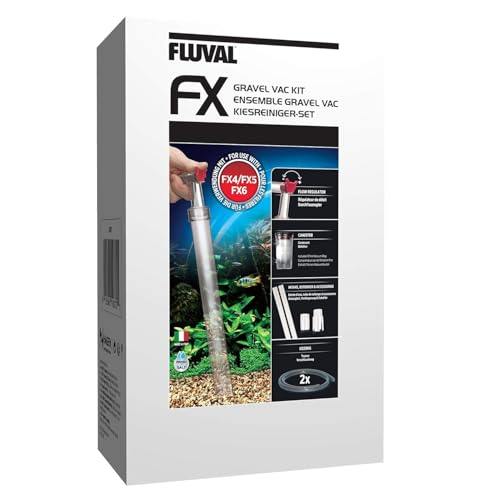
Maintain a Clean Aquarium: FX Gravel Vac quickly connects to all Fluval FX4, FX5 and FX6 (2nd generation) canister filters for the ultimate convenience in powered substrate cleaning. Easily stores within FX lid-mounted clips.

Multifuncation Aquarium Gravel Cleaner: The main function is automatic changer water; sand washer; debris cleaning; water filter; water shower; water cycle; With this product, make your fish tank cleaning activities are time-saving and efficient
Control Water Flow and Debris During Vacuuming
Controlling water flow and debris during vacuuming is essential for effective cleaning and substrate safety. To manage the flow, use techniques like pinching or kinked hoses to slow down the siphon when needed. This adjustment allows you to fine-tune suction, preventing the removal of too much gravel or substrate material and keeping debris under control. Proper priming of the siphon is crucial—submerge both the vacuum and outlet tube, then gently shake or prime to start water flow smoothly and avoid air locks. Moving the vacuum slowly helps dislodge trapped waste and prevents disturbance of your substrate. Pay close attention to high-debris zones and target them carefully for more efficient cleaning. Monitoring the bucket level during vacuuming helps prevent over-draining, conserving water. When releasing pinched hoses, restore flow immediately to maintain consistent debris removal without wasting time. Proper hose management is also important for maintaining steady water flow and ensuring a thorough clean. Additionally, understanding the role of substrate in your tank can help optimize your vacuuming routine.
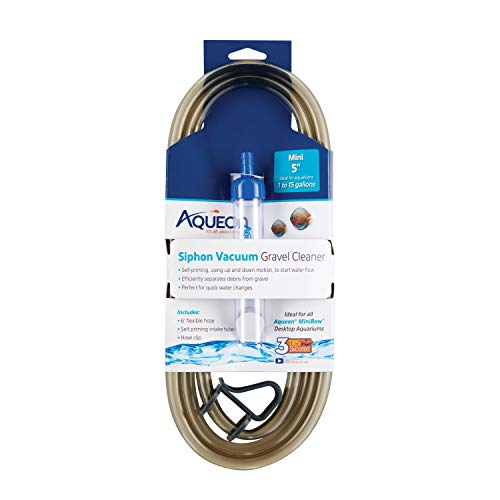

【Quick Water Change & Easy Operation】:The aquarium siphon only requires the simple operation of two valves to quickly drain or refill water from the fish tank, remove dirt and wash sand in a short period of time, making aquarium cleaning easy, efficient, and convenient. This fish tank cleaner vacuum is suitable for all types of aquariums.

Perfect for Regular Water Changes: No messy drips, and a sturdy one way valve to improve suction. You can clear 30L in about 5 minutes with our aquarium siphon
Refill and Reassemble Your Aquarium After Cleaning
After finishing your gravel vacuum, carefully refill the aquarium with treated, dechlorinated water, ensuring the water temperature matches the existing tank environment. This prevents causing stress and helps maintain stable conditions for your fish. Only add enough new water to replace the 20–30% removed during cleaning to minimize fluctuations in water chemistry. If necessary, use KH and GH buffers to stabilize parameters like carbonate hardness and general hardness. Once the water level is restored, reassemble equipment such as filters, heaters, and thermometers. Replace decorations only after the equipment is in place to avoid dislodging or damaging them. Additionally, aquarium maintenance routines can help keep your tank healthy and stable over time. It’s also important to rinse filter media in old tank water to preserve beneficial bacteria. Then, restart your filtration system and check water parameters like pH, ammonia, nitrite, and nitrate, waiting until they fall within safe ranges before reintroducing your fish. Properly managing water chemistry is essential for a healthy aquarium. Regularly monitoring parameters like pH levels and maintaining stable conditions can prevent health issues and promote a thriving environment for your aquatic life. During this period, monitor your fish closely to ensure they adapt smoothly to the reassembled environment.
Tips for Vacuuming in Different Types of Aquariums
For planted tanks and sandbed aquariums, vacuuming requires a gentle approach to avoid disrupting the delicate setup. In planted tanks, focus on light, surface vacuuming around the roots. Use a soft touch and slow movements to pick up debris without uprooting or damaging plants. Target areas carefully and work slowly to prevent disturbing root systems or plant growth. Additionally, using a solar panel, which is eco-friendly and efficient, can help power your aquarium equipment quietly and sustainably. Maintaining proper water parameters is essential for the health of both plants and fish, helping to create a stable environment. Sandbottom aquariums need even more careful handling. Keep the vacuum just above the surface or lightly brush the sand to avoid disturbing the substrate’s stability. Use short, controlled bursts of suction when sand begins to rise into the tube. Work methodically in sections, targeting problem spots rather than attempting to clean the entire bed at once. This approach helps maintain the natural structure of the sand bed and prevents excessive substrate loss. Understanding the importance of a clean substrate can also enhance overall tank health and clarity.
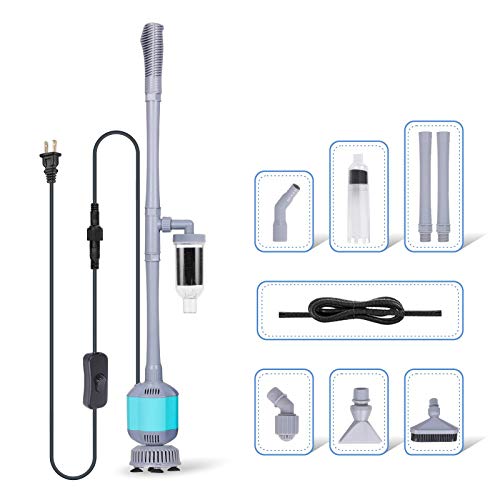
CLEANING FUNCTION: Our sand cleaner have four spliced rigid tubes, which can be extended from 11.4 inches to 40.5 inches according to the tank. With brush heads, each corner of the fish tank can be cleaned. Aquarium gravel cleaner can also be used with the duckbill suction port to suck dirt from the corner of the fish tank, and the dung can be easily sucked away
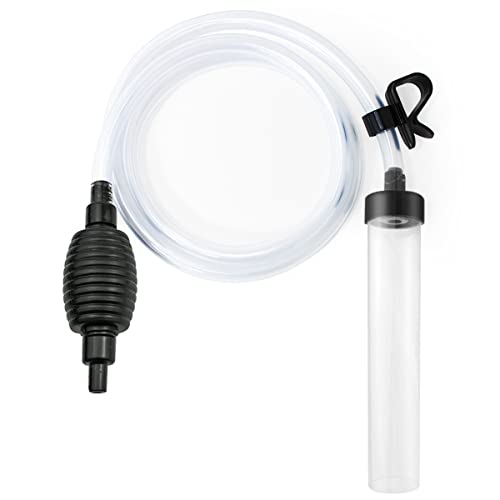
FUNCTION --- Easy to control, convenient to siphon fish faeces, impurities, turbid water out of fish tank.
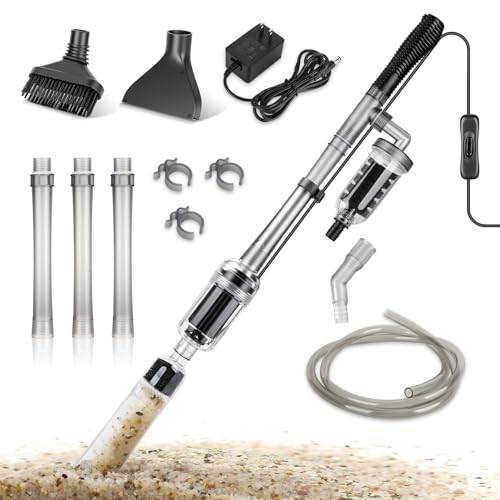
FUNCTION 1 SAND GRAVEL WASHING: Efficient DC pump with 528 GPH high flow, ideal for fine sand and coarse gravel. This electric gravel cleaner delivers strong suction to quickly clear fish dung and food residues from gravel, far more efficient than manual siphons. The baffle and filter sponge of sand vacuum cup prevent small fish, shrimp and gravel from being sucked in, block sand gravel entry to the motor
Troubleshooting Common Siphon and Vacuum Issues
To prevent common siphon and vacuum issues, focus on proper priming and hose setup. Ensure the tube opening stays fully submerged in the water, and prime the hose correctly by squeezing the priming bulb underwater to push out trapped air. Elevate the bucket lower than the aquarium so gravity helps start the siphon, and check for any twists or clamps that could block water flow. Air bubbles inside the hose are a major culprit for breaking the siphon, so fill the tube with tank water and cover both ends before beginning to start the flow. Regularly inspect the hose for debris buildup or kinks, as these can restrict water movement. Match the vacuum strength to the task—using too much force can remove too much water, affecting water chemistry and stressing your fish. Monitoring water parameters is essential for a healthy aquarium, and an effective gravel vacuum can help maintain optimal water quality. By paying attention to these details, you can maintain a steady, effective siphoning process. Additionally, using a properly fitted hose and ensuring no leaks are present will help sustain a consistent siphon without interruptions.

FUNCTION --- Easy to control, convenient to siphon fish faeces, impurities, turbid water out of fish tank.

【Novique Fish Tank Gravel Cleaner】: Still Worried about cleaning Your fish tank? Struggling to get it all out during water changes? Trouble reaching fish waste and food debris tucked in corners? Worried about harming your fish during cleaning? Don't worry, the perfect solution is here! Novique Aquarium Cleaner precisely address all pain points. With efficient siphoning, safety Guardian, and durable and sturdy, Keep the fish tank clean - it becomes a simple and reassuring task.

Effectively separates and removes debris from your aquarium
Safety Tips to Protect Fish and Maintain a Healthy Tank
To protect your fish during gravel vacuuming, move slowly and carefully to prevent stress or injury. Begin by working in open areas or near corners where fewer fish are present, so they have space to retreat. Keep the lighting dim and noise levels low to reduce startle responses. Avoid chasing fish with the siphon; instead, clean around them and come back later if necessary. Always stay alert for fish approaching the vacuum intake; if a fish gets too close, stop or reposition immediately to avoid accidents. Handle the substrate gently by inserting the vacuum carefully into the gravel and working in sections. This approach helps preserve beneficial bacteria that maintain tank health. Proper handling of the substrate minimizes the disruption to beneficial bacteria, which are essential for nitrogen cycling and overall tank stability. If gravel starts to rise too high, lift the tube slightly to prevent it from disturbing the substrate excessively. Be extra cautious around plants and decorations to avoid damaging them and to keep the environment stable and healthy.