
Wondering how many cichlids you can comfortably keep in a 55-gallon tank?
The answer depends on their size, species, and temperament, but generally, you can house around 10 to 15 small cichlids.
Larger or more aggressive types need a smaller group to prevent stress and overcrowding.
Keep reading to discover the best way to set up a healthy cichlid environment.
How Much Water Do Cichlids Need in a 55-Gallon Tank?
A 55-gallon tank provides ample space for small groups of medium-sized cichlids, but the amount of water your fish need depends on their species and size. Generally, maintaining at least 55 gallons of water ensures proper water chemistry and enough room for exercise and territory. Since cichlids produce a high bioload, you should aim for a filter that cycles the entire tank 4 to 6 times per hour—roughly 220 to 330 gallons per hour (GPH). This level of filtration keeps water quality high, reduces ammonia and nitrate buildup, and supports healthy growth. Selecting the right aquarium filter media is essential to optimize filtration efficiency and maintain water clarity. Regular water changes are crucial; plan to replace 25 to 50 percent of the water weekly to control waste, remove toxins, and stabilize parameters like pH and temperature. Additionally, consistent monitoring of key water parameters allows for early detection of issues and adjustments to maintain a stable environment. Utilizing testing kits to regularly check ammonia, nitrite, and nitrate levels helps prevent potential problems before they escalate. Using a gravel vacuum during these changes helps remove debris and excess waste. Monitoring water conditions daily and adjusting filtration and maintenance routines accordingly will keep your cichlids thriving in their environment.
How Many Small and Large Cichlids Fit in a 55-Gallon Aquarium?
You can typically keep around 10 to 15 small cichlids in a 55-gallon aquarium if their adult size remains modest. For dwarf or shell-dwelling species that stay under 3 inches, this number can work well without overcrowding. However, if your small cichlids grow between 3 to 4.5 inches, it’s better to limit the group to about 4 to 6 fish to prevent territorial disputes.
In contrast, larger cichlids ranging from 6 to 8 inches require fewer individuals—around 6 to 8 fish—due to their size and territorial nature. Remember that species with aggressive or territorial behavior need even more space and fewer tank mates, regardless of their size. Providing plenty of plants and hiding spots will help reduce aggression and give each fish a sense of space. Good water filtration ensures waste is managed efficiently, which supports a stable social environment. Additionally, understanding the territorial behavior of cichlids can help you better manage their space needs and reduce conflicts. Maintaining proper aquarium size is crucial for their health and behavior, especially in larger groups. Always observe your fish for signs of stress or aggression and adjust their numbers if necessary to keep the tank balanced.

COMPLETE GLASS AQUARIUM KIT*: The kit includes a 55-gallon glass tank with two hinged hoods for easy access, white LED lights, a Tetra Whisper PF60 Power Filter with two Tetra Large Bio-Bag Filter Cartridges, a 200-watt Tetra heater, a thermometer, a fish net, a Tetra AquaSafe water conditioner sample, a TetraCare brochure and an aquarium set-up brochure.

Creating an "underwater volcano eruption" effect to make a wonderful landscape view for your aquariums up to 60 gallons

COMPLETE GLASS AQUARIUM KIT: The kit includes a 55-gallon glass tank with two hinged hoods for easy access, white LED lights, a Tetra Whisper PF60 Power Filter with two Tetra Large Bio-Bag Filter Cartridges, a 200-watt Tetra heater, a thermometer, a fish net, a Tetra AquaSafe water conditioner sample, a TetraCare brochure and an aquarium set-up brochure.
What Are the Differences Among African Cichlids, Mbunas, and Peacocks?
African cichlids include a wide variety of fish from the Rift Lakes in Africa, mainly Lake Malawi, Lake Tanganyika, and Lake Victoria. Within Lake Malawi, there are two main groups: Mbunas and non-Mbuna peacocks. Mbunas are rock-dwelling fish that mostly graze on algae, while peacocks prefer open water and tend to be more colorful and active. These groups differ significantly in appearance, behavior, and breeding habits. Mbunas are often more aggressive and territorial, especially around their breeding sites, whereas peacocks are generally more adaptable and less combative. Breeding Mbunas requires careful attention to their social structure, often involving harems and specific diets, making their breeding process more complex. Understanding their habitat preferences can greatly influence their compatibility and well-being in your aquarium. Additionally, the temperature and water chemistry needs of these fish vary depending on their natural environments, which can affect their health and behavior if not properly maintained. Aquarium environment plays a crucial role in successfully keeping and breeding these fish. Peacocks are easier to breed but need ample open space to thrive. Knowing their natural habitat helps you set up the optimal conditions for their health and breeding success. Understanding these differences is essential for selecting the right fish for your tank and managing their interactions effectively.

CaribSea African Cichlid substrates can help recreate a variety of environments
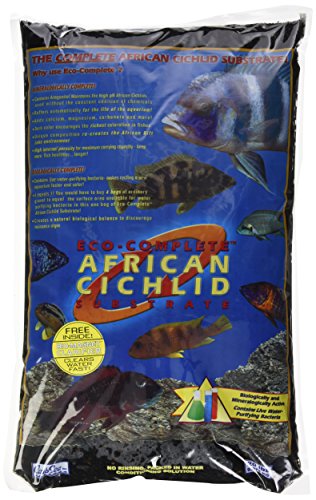
Package Dimensions: 43.18 H x 10.16 L x 30.48 W (centimetres)

Complete substrate for aquariums housing African Cichlids
How Do Temperament and Behavior Affect How Many Fish You Can Keep?
The behavior and temperament of your fish greatly influence how many can occupy a 55-gallon tank comfortably. Aggressive species such as African Cichlids need more space per fish to establish and defend territories. Overstocking can lead to frequent fights, injuries, or fatalities among these fish. Shy species like Discus or Angelfish require ample open swimming areas to reduce stress, so overcrowding diminishes their activity levels and overall health. Resource competition among dominant fish further reduces available space and can cause exclusion or aggressive hierarchies, negatively affecting tank harmony and aesthetics. Social hierarchy also matters; having enough fish for stable social groups is important, but too many in a small space can increase territorial disputes. Providing appropriate lighting and decor that create hiding spots helps minimize aggression, but overstocking still risks harming their behavior and overall health. Understanding territoriality is essential because African Cichlids, in particular, display clear territorial boundaries and can produce sounds to defend their space. Additionally, social structure can influence how many fish can coexist peacefully within the tank. Proper tank setup including hiding spaces and territory markers can also mitigate conflicts and support healthier, more natural behaviors.

Quality & Professional:The aquarium cave is made of ceramic with the function of filtering water, and it is environmentally friendly and odorless, imitating the natural stone texture to create a more natural visual effect.

Lifelike artificial rocky ornament:Add some whimsical charm and wonder to your fish tank with the rocky landscape–an extra large fish tank decoration.This large aquarium decor features an extra large rocky hill,blue waterfall flows down the mountain, the white pavilion is located halfway up the mountain,with lifelike trees around,giving a realistic feel of nature.This fish decor adds a nature to your aquarium,changing it into a beautiful scenery,creating a lifelike undersea world

Materials: The decoration stone is made of high quality resin suitable for both salt and fresh water, safe for your lovely fish and shrimp.
What Are the Recommended Stocking Levels for Different Cichlid Types and Sizes?
Stocking levels for cichlids depend on the species and their size, but generally, guidelines help maintain a healthy environment. For Mbuna cichlids, about five adult fish in a 55-gallon tank is ideal, providing enough space to reduce aggression and promote natural behaviors. In Malawi setups, heavy stocking—roughly one fish measuring 4 to 6 inches per 2 gallons—is common, but this can impact water quality and stress levels if not carefully managed. Proper filtration and water chemistry are essential to support their territorial behavior and algae-eating habits. It’s also important to consider tank capacity when planning your stocking to ensure a balanced and healthy environment for all residents. Additionally, understanding species behavior patterns can help in selecting compatible tank mates and managing aggression effectively. Furthermore, keeping in mind the specific behavioral needs of different cichlids ensures a more harmonious tank environment.

For Freshwater or Saltwater tanks
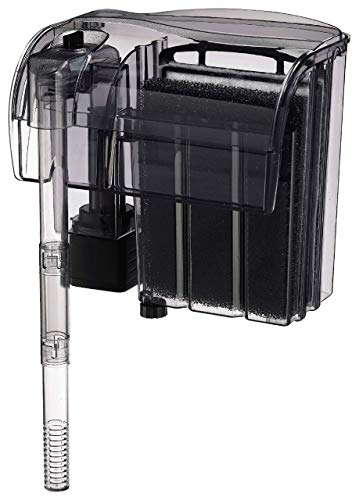
Stage one - mechanical: Advanced multi-layered polyfiber floss traps micro & macro organic particles and foreign debris

CRYSTAL CLEAR - Reducing the number of times the fish tank needs to be changed. Aquarium air pump, filtration, water pump, and water waves making all in one multi-functional underwater aquarium filter.
How Does Overcrowding Impact Cichlid Health and Aquarium Stability?
Overcrowding in a cichlid tank directly harms fish health and destabilizes the aquarium environment. When more fish are kept than the tank can comfortably support, close contact facilitates the spread of diseases, and water quality deteriorates rapidly. Increased waste production raises toxin levels such as ammonia and nitrite, which stress your fish and make them more susceptible to infections like bacterial disease and mycobacteriosis. Chronic stress caused by overcrowding weakens their immune system, resulting in poorer health and stunted growth, often called “failure to thrive.” Overcrowding also accelerates the buildup of harmful toxins, which poses an additional threat to fish well-being. Limited oxygen levels in dense tanks also cause respiratory distress, causing oxygen depletion, and further health problems. Aggression and territorial disputes intensify in overcrowded conditions, leading to injuries that further increase infection risks. Ultimately, too many fish in a small space destabilize the entire environment, making it more challenging to maintain a healthy, balanced aquarium. Proper tank capacity is crucial for providing a stable and healthy environment for your cichlids, as it helps prevent overpopulation from overwhelming the aquatic ecosystem.
Tips for Properly Stocking or Overloading a 55-Gallon Cichlid Tank
Proper stocking involves carefully balancing fish numbers with their species-specific needs. In a 55-gallon cichlid tank, a common guideline is to allocate about one inch of adult fish per gallon, but this should be adjusted based on the size and territorial behavior of the species. For instance, rock-dwelling Mbuna tend to require less space and can be kept in slightly higher densities, while less territorial species like peacocks can tolerate more fish. Researching the specific requirements of each species helps ensure a successful setup. Consider the setup’s lighting and habitat layout, as these significantly influence fish behavior and stress. Providing sufficient shelter and hiding spots helps reduce aggression and promotes natural territories. Also, maintaining the appropriate water quality is critical for preventing stress and illness among your fish. Avoid overloading the tank, as too many fish disrupt the biological filtration process. This imbalance can cause toxic ammonia levels, leading to health issues. Introducing fish gradually is crucial. Adding small groups over time allows social hierarchies to establish peacefully and ensures that your biological filtration can handle the biological load. Pay extra attention to social structures such as harems or paired sexes to prevent territorial disputes. Ensuring proper fish compatibility is essential for maintaining a harmonious community environment. Proper stocking creates a stable environment where cichlids can thrive and display natural behaviors.

"【 Realistic Nature Aquarium Rock Fish Cave】Add some whimsical charm and wonder to your fish tank with the rocky landscape – Realistic rock has 6 holes of on the hollow Mountain to make a great fish house and hideouts for small fish ,shrimp and betta to rest, hide and play (Note whether the size of caves are large enough for your pets to pass through). The log terrarium décor features a true to nature mountain appearance which adds a touch of nature atmosphere to your tank"
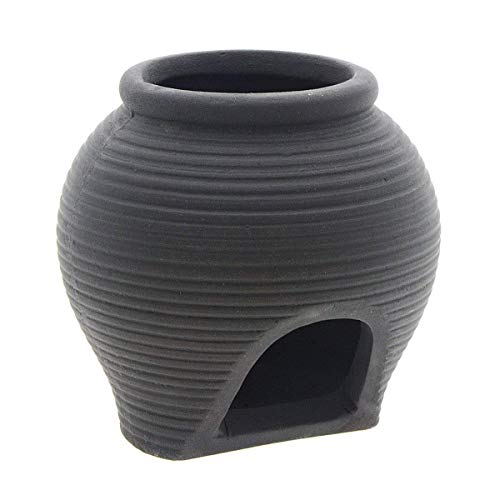
Specially made of ceramic material that possess filtration function for aquarium.

【HIGH QUALITY MATERIAL】: Fish tank decor castle is made of environmental protection resin material.safe and non-pollutant fish tank castle decorations,It doesn’t pose harm to your aquatic animals nor create any ill impact on water quality. perfect for all in medium&large size freshwater&saltwater aquariums.
Common Mistakes to Avoid When Deciding on Your Cichlid Stocking Plan
One of the most common mistakes when planning your cichlid tank is underestimating the adult size of the fish you’re buying. Juvenile cichlids can appear small and manageable, but some species grow significantly larger—Oscar cichlids can reach up to 18 inches in length. Purchasing juveniles without considering their full-grown size can quickly lead to overcrowding, stress, and poor water quality as they outgrow a standard 55-gallon tank. It’s important to research each species thoroughly before buying, paying close attention to their maximum size to ensure your tank can accommodate them comfortably. Larger fish also tend to be more territorial and aggressive, which requires planning for appropriate space and hiding spots. Properly sizing your tank and understanding each species’ adult dimensions helps promote health, reduces aggression, and maintains a balanced environment.