
If your aquarium plants are dying, you might be facing issues with lighting, water quality, nutrients, or CO₂ levels.
Often, insufficient or excessive light, poor water parameters, or lack of essential nutrients can cause plants to weaken or die.
Knowing how to identify and fix these common problems can help you grow lush, healthy aquatic plants.
Keep reading to discover how to troubleshoot and improve your tank conditions.
How Can I Tell If My Aquarium Plants Are Dying?
To tell if your aquarium plants are dying, look for several clear signs. Yellowing leaves often indicate nutrient deficiencies, especially if the yellowing appears across multiple leaves or plant areas. Browning or decaying leaves suggest poor health or imbalance, possibly from inadequate lighting or poor water quality. Transparent or melting leaves signal stress, poor adaptation, or nutrient shortages. Black or mushy sections on the plant point to rot, which can spread quickly if not addressed.
Falling leaves are a sign of stress, illness, or nutrient deficiency. Stunted, slow, or deformed growth reveals underlying problems, often linked to water quality issues or insufficient nutrients. Mushy stems and decaying roots show tissue damage that compromises plant stability. Pale or brownish tissue in leaves indicates a lack of essential nutrients, while the presence of algae around weak plants can also signal poor plant health. water quality plays a crucial role in plant vitality, so regular monitoring can help prevent many of these issues from escalating. Additionally, proper aquarium maintenance practices, such as regular water changes and cleaning, are vital for maintaining plant health.
A healthy aquarium environment supports thriving plants, which is why understanding these signs is key to troubleshooting problems early.
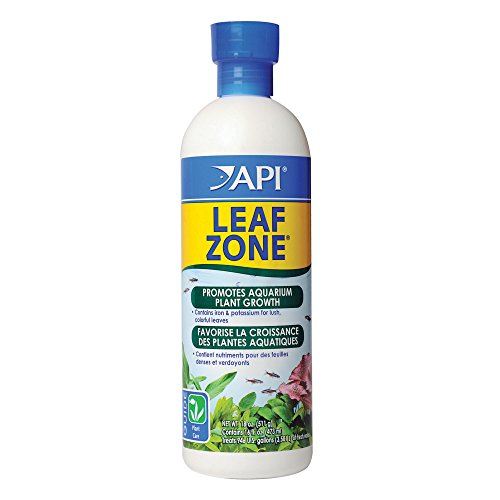
Contains one (1) API LEAF ZONE Freshwater Aquarium Plant Fertilizer 16-Ounce Bottle

Product Type: ARTIFICIAL PLANT

Contains one (1) API ROOT TABS Freshwater Aquarium Plant Fertilizer 0. 4-Ounce 10-Count Box
What Are the Signs of Insufficient Light or Excess Light?
Signs of insufficient light include slow or stalled growth, long internodes, and leaves dropping from the lower stems. Yellow or pale leaves and elongated, reaching plants also indicate that your aquarium plants are not getting enough light. These signs show that the plants are stretching in search of more illumination, compromising their health and appearance. Proper light management is essential for preventing these issues and fostering healthy, vibrant aquatic plants. Ensuring proper light levels can also help prevent algae overgrowth, which often occurs when lighting is too intense or inconsistent. Excessive light, on the other hand, often results in algae overgrowth and damaged or bleached leaves. If your photoperiods are too long or your nutrients are not balanced, you might notice algae accumulating on the glass, leaves, and hardscape. Burnt or stressed leaves can also be a clear indicator that your aquarium lighting is too intense. Rapid nutrient depletion may follow intense lighting, weakening plant health and leading to further issues like algae blooms. Additionally, light intensity can influence the overall health and vibrant appearance of your aquatic plants. Understanding lighting requirements is crucial for fine-tuning your setup to support optimal plant growth while controlling algae. Paying close attention to these signs will help you adjust your lighting to create a balanced environment that promotes healthy plant growth while controlling algae.
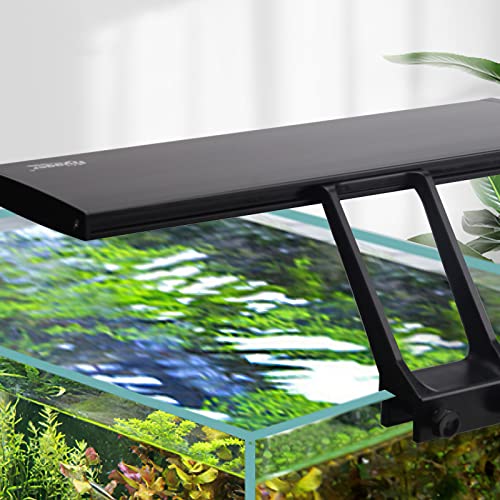
DEFAULT MODE(24/7 Natural Mode): Gradient Orange light (sunrise) from 6am to about 8am; Gradient White light from about 8am to 10:00pm/22:00; Gradient Blue light (moonlight) from about 10:00pm/22:00 to 10:50pm/22:50; The 24/7 lighting aquarium lights are off in other time periods. The overall default time period can be delayed or advanced

🐟 3 Modes with Custom Timer: DIY hour & minute of DAY mode, NIGHT mode, 24/7 mode. Seaoura aquarium light provide LED time clock display system allowing you to program a flexible automatic start & end lighting schedule of sunrise, daylight, sunset, moonlight and off. Simulate natural daily light for your tank based on the local time you set.

Work best on 10 gallon tanks with 20 inches long for better coverage; with two extendable brackets, this light also fits for fish tank from18 inch to 24 inch long
How Do Water Parameters Like pH and Hardness Affect Plant Health?
Water parameters like pH and hardness have a direct impact on the availability of essential nutrients for your aquarium plants. Small fluctuations in these levels can significantly affect plant health. For instance, a higher pH can make nutrients like iron and manganese less accessible, which can slow or stunt growth. Maintaining a slightly acidic to alkaline pH, generally between 6.0 and 7.5, creates an environment conducive to nutrient uptake. pH fluctuations can also indicate underlying issues with water stability, which further stresses aquatic life. Regular testing of water parameters helps in early detection of imbalances and can guide adjustments to maintain optimal conditions. Hardness levels, measured as general hardness (GH), influence how minerals like calcium and magnesium are absorbed. If the GH is too high, these minerals can outcompete other nutrients and lead to nutrient lockout, preventing your plants from getting what they need. Conversely, low GH levels can limit mineral availability altogether. Water chemistry stability plays a significant role in overall plant health. Carbonate hardness (KH) affects dissolved carbon dioxide (CO₂) levels—high KH tends to raise pH, reducing the amount of CO₂ available for photosynthesis and stressing your plants. Monitoring these parameters regularly and adjusting as needed ensures stable water conditions, promoting healthy plant growth and a balanced ecosystem.

Application: Great for all home and laboratory TDS & pH testing applications including aquariums, swimming pools

Contains one (1) API FRESHWATER MASTER TEST KIT 800-Test Freshwater Aquarium Water Master Test Kit, including 7 bottles of testing solutions, 1 color card and 4 tubes with cap

Professional Quality Testing Kit: The AAwipes Aquarium test kit (50 strips) is developed by experts for fish enthusiasts. It offers 8-in-1 testing capabilities, made with high-quality fiber paper and non-bleeding colors. The kit measures key parameters like Free Chlorine, Nitrate, Nitrite, Hardness, Sodium Chloride, Total Alkalinity, pH and Ammonia nitrogen. By identifying potential issues, our fish tank testing kit helps prevent hidden water problems and ensures the safety and well-being of your fish.
What Nutrients Are Essential for Healthy Plants, and How Do I Supply Them?
Healthy aquarium plants depend on a range of essential nutrients, which you must supply in balanced amounts to promote optimal growth. The key macroelements include nitrogen, phosphorus, potassium, calcium, magnesium, and sulfur. Nitrogen is vital for leaf and stem development, while phosphorus supports root growth and energy transfer. Potassium helps plants resist disease and improves overall vigor. Calcium maintains cell wall structure, magnesium is crucial for chlorophyll production, and sulfur is necessary for amino acids. Ensuring proper nutrient levels also involves managing micronutrient concentrations, which are vital for various biochemical processes within the plants.
Micronutrients are required in much smaller quantities but are equally important. These include iron, manganese, boron, zinc, copper, and molybdenum. Iron, especially in its ferrous form, is essential for chlorophyll synthesis and overall plant coloration. Manganese plays a role in photosynthesis, while boron aids in cell wall formation. Zinc and copper support enzyme functions, and molybdenum is involved in nitrogen metabolism. Additionally, balanced fertilization is necessary to prevent deficiencies and promote steady growth. Some aquarists also incorporate specialized fertilizers**** to ensure all micronutrient needs are met efficiently.
To supply these nutrients effectively, use a combination of fertilizers tailored to aquatic plants. Liquid fertilizers provide quick access to macro and micronutrients, especially in heavily planted tanks. Root tabs are ideal for supplying nutrients directly to the plant roots, beneficial for heavy root feeders. Nutrient-rich substrates release nutrients gradually over time, reducing the need for frequent dosing.
Regular fertilization is crucial. You should aim for target ranges such as 5-10 ppm of nitrates and 0.5-1 ppm of phosphates, adjusting based on plant response and water testing. Supplementing carbon dioxide through CO2 injection or liquid carbon sources enhances photosynthesis, supporting vigorous growth and lush foliage. Consistent nutrient management helps prevent deficiencies, yellowing leaves, stunted growth, or algae blooms, keeping your aquarium plants healthy and vibrant.

Comprehensive supplement for the planted aquarium

COMPLETE ALL-IN-ONE NUTRITION – Thrive provides planted aquariums with a comprehensive blend of macronutrients, micronutrients and essential minerals in one easy-to-use liquid fertilizer.

ALL-IN-ONE COMPREHENSIVE PLANT FOOD Crystalpro Flora Multi Minerals is an advanced liquid supplement formulated strictly for the vibrant coloration and vigorous growth of freshwater aquarium plants. It delivers every essential nutrient your planted tank needs to thrive in a single, easy-to-use bottle.
Why Is My Substrate Not Supporting Root Growth, and How Can I Improve It?
If your aquarium plants aren’t establishing strong roots, the issue often lies in the substrate’s depth, particle size, or nutrient content. A substrate depth of at least 2 to 3 inches (5 to 8 centimeters) is ideal because it provides stability and access to essential nutrients for rooted plants. Shallow layers limit root expansion and weaken plant anchoring. Particle size also plays a crucial role: grains between 2 and 4 millimeters promote better root penetration and oxygen flow, whereas particles that are too fine or too coarse hinder healthy growth. Proper water circulation is essential to ensure nutrients are evenly distributed throughout the substrate, supporting healthy root development. Nutrient-poor substrates won’t support robust root systems. Using nutrient-rich soils or adding fertilized root tabs significantly improves root development. Ensuring your substrate has a good nutrient capacity can dramatically enhance plant health and growth. Additionally, regularly testing your substrate’s nutrient profile helps identify deficiencies before they impact plant health. For optimal results, ensure your substrate is deep enough, composed of appropriately sized particles, and enriched with nutrients. This combination encourages roots to penetrate deeply, anchor securely, and deliver the nutrients needed for thriving aquatic plants.

Promotes Robust Plant Growth: This aquatic soil helps enrich plant development and fosters vigorous growth with vibrant coloration, ensuring your aquarium thrives with lush foliage
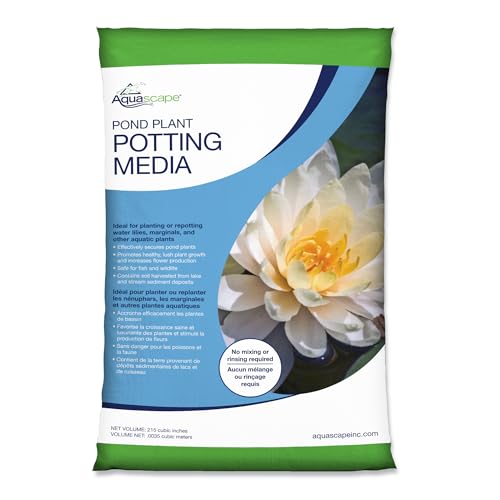
Specialized Aquatic Plant Soil – Formulated to promote healthy root establishment and robust growth for pond plants.

【Premium Upgraded Formula for Superior Plant Growth】Our premium aquarium soil features a refined blend of natural humus, activated carbon, silica, and essential minerals (nitrogen, phosphorus, potassium, etc.). It provides long-lasting nutrients and helps maintain clean water conditions. This creates a favorable environment for aquatic plants, shrimp, and fish, taking your aquascaping to the next level.
How Do CO₂ and Water Circulation Influence Aquarium Plant Growth?
Maintaining adequate CO₂ levels and effective water circulation are essential for optimal aquarium plant growth. Submerged plants generally need 15–30 mg/L of free CO₂ to support robust photosynthesis. Without sufficient CO₂, plants struggle to grow, often exhibiting dull colors or slow development. Consistent CO₂ supply during the light period encourages stronger stems, richer colors, and oxygen “pearling”—the visible release of oxygen bubbles as a sign of healthy photosynthesis. Water circulation plays a crucial role by reducing the boundary layer around plant leaves, which enhances the diffusion of CO₂ and nutrients from the water column to the plant surface. It helps prevent stagnant areas that can limit growth and cause uneven development. Proper water movement also ensures that waste products are dispersed and removed efficiently, maintaining a stable environment for plants to thrive. Effective flow patterns distribute nutrients more evenly and prevent dead zones, ensuring all plants receive adequate resources for healthy growth. Striking the right balance of CO₂, water flow, and light creates conditions that support lush, healthy aquatic vegetation and minimizes issues related to poor circulation and carbon deficiency.