
Finding the best spot for your aquarium heater isn’t always straightforward, but proper placement is key to maintaining stable water temperatures.
Placing it near water flow sources like filters or powerheads helps distribute heat evenly without creating hot or cold spots.
By understanding where and how to install your heater, you’ll ensure your aquatic friends stay comfortable and healthy.
Keep reading for simple tips on safe placement and water temperature management.
Why Placement Matters for Aquarium Heaters
Proper placement of your aquarium heater is essential to ensure even heat distribution throughout the tank. If the heater is positioned poorly, warm water can stay localized near the device, creating temperature variations that stress your fish and may damage equipment. Placing the heater near water circulation points, such as filters or powerheads, helps spread heat evenly. In larger tanks, using one heater might not be enough to maintain uniform temperatures, increasing the chance of cold spots. Additionally, monitoring water parameters regularly can help detect and prevent temperature fluctuations before they impact your aquatic life. Proper placement minimizes hot spots, prevents glass cracking, and helps maintain stable water temperatures, supporting a healthy, stress-free environment for your aquatic life. Ensuring correct heater placement can also extend the lifespan of your heating device by avoiding overheating or uneven wear. Correct heater positioning is especially important in planted tanks, where consistent temperature is key to plant health and growth.
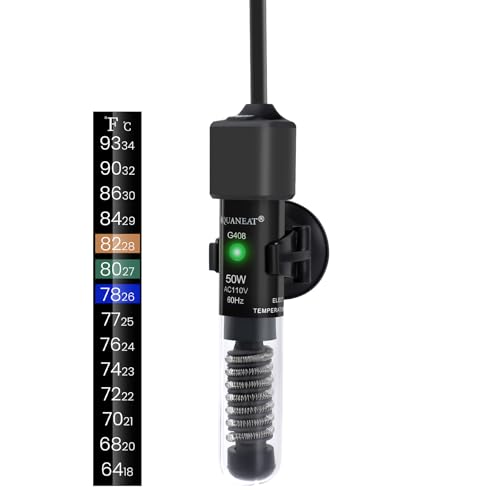
Mini Size: The heater is only 4.5” in length making it a great choice for small sized tanks from 5 to 10 gallons without taking up much space and obscuring the viewing area

【25W Aquarium Heater】Orlushy 25w fish tank heater can be applicable to 1-6 gallons tank. It is 4.7 inches in length, ideal for use in low water level and won’t take up mech place, easy to hide in small tank. Please fully submerged the heater vertically into water in fish tank, and horizontally into water in turtle tanks.
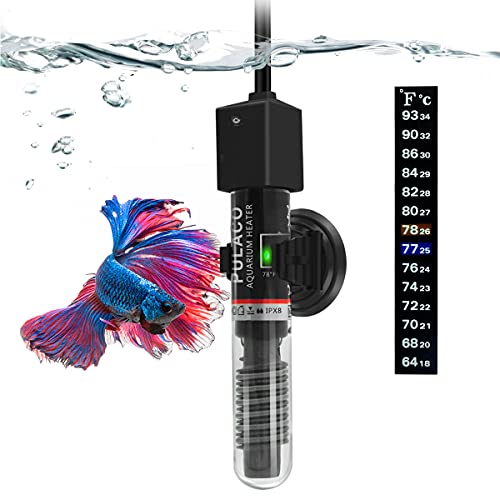
【Betta Heater】: This Fish Tank Heater should be 100% submerged into water, Ideal for small glass or acrylic desktop aquariums up 1 to 6 Gallons, not suitable for less than 1 gallon tank.
How to Find the Best Spot Near Water Flow
The best spot for your heater is near water flow areas, such as the filter outlet, filter inlet, or powerhead stream. Placing the heater in these zones ensures warmed water moves directly into the main circulation path, promoting even heat distribution. Strong flow helps prevent temperature stratification and encourages consistent heating throughout the tank. Utilizing water circulation effectively can lead to more stable and uniform water temperatures. If your tank lacks sufficient current, add a powerhead or wavemaker near the heater to boost water movement. Position the heater in a clear circulation zone, avoiding obstructions like plants or decorations that can block flow. Observe debris or food movement to verify the water flow pattern. Ensuring the heater is within the active circulation loop guarantees stable, evenly distributed heat and prevents hot or cold spots across the tank. Additionally, keeping the heater in a proper flow zone helps maintain consistent water conditions and enhances overall tank health.
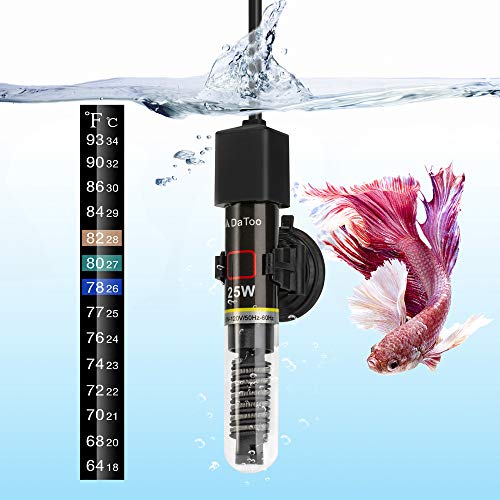
25W Betta Aquarium Heater: Creating and maintaining a perfect and comfortable water temperature for our cute fish is not easy, which requires a lot of effort. Now DaToo MINI 25W Aquarium Heater can help you make this easier. Precise and constant temperature, no need to set, keep the temperature of fish habitat in the best state at all times. You will find it very easy and happy to take care of pet fish!

Tank Size: The AquaEL 300w Flow Heater works for aquariums 25 to 160 US gallons.
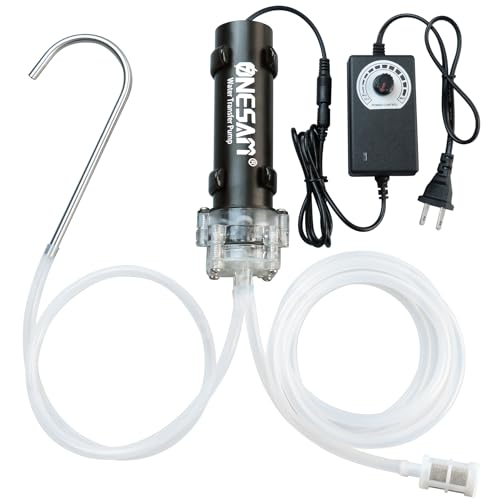
【Food-Grade Small Electric Water Pump with Adjustable Speed】Pump head & hose adopt food-grade materials (meets food grade water pump standards) for safe, hygienic liquid transfer. Adjustable speed design fits speed brewing and diverse scenarios; regulate flow freely with max 2L/min output—ideal small transfer water pump for daily use.
Mounting Heaters Horizontally or at an Angle
Horizontal mounting is recommended for fully submersible aquarium heaters when the design supports this orientation. It ensures even heat distribution, typically near the bottom or lower third of the tank, helping to prevent cold spots. This position also reduces strain on the heater by avoiding contact with the substrate or tank base, which can cause damage over time. Additionally, mounting horizontally keeps the heater less visible, maintaining a cleaner appearance in your tank. Always follow the manufacturer’s instructions when installing the heater in this position. Positioning it near high-flow areas such as filter outlets allows water to circulate around the heater freely, maximizing its efficiency and safety. Proper placement helps improve water stability and longevity of the heater, ensuring consistent temperature regulation across your aquarium. Choosing the right orientation can impact heater efficiency and helps avoid potential malfunctions.
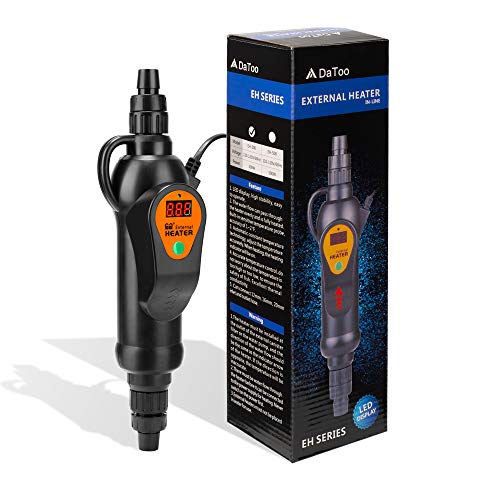
Perfect Aquarium External Heater For Your Needs: For every hobbyist or professional fish breeder with a canister filter, a perfect external heater is essential. DaToo Aquarium External Heater is specially designed for canister filter. Leading temperature control system, precise overheat protection, provides a warm, safe and comfortable living environment for your beloved fish!!
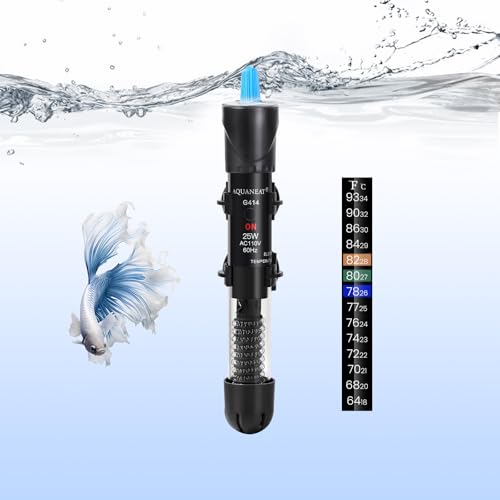
The 25W aquarium heater is recommended for 3 to 5 gallon fish tank; heater length: 6.75”; power cord: 3.6ft; voltage: 110V/60Hz
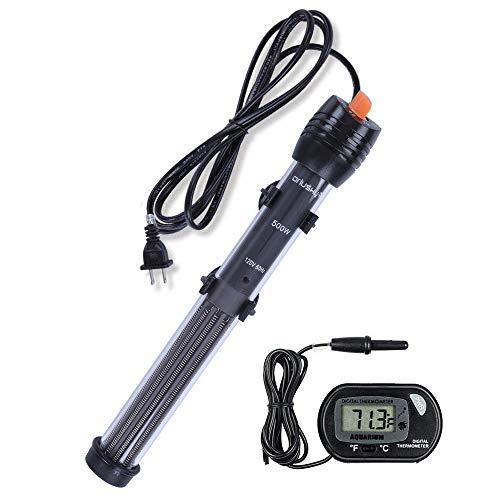
★Adjustable Aquarium Fish Tank Water Heater Sensitive and reliable thermostat maintains uniform temperature. Automatic shut off when the temperature is reached
Placement Tips for Different Aquarium Sizes
The placement of your heater depends heavily on your aquarium size to ensure even temperature distribution and avoid cold spots. For tanks under 10 gallons, position the heater near the filter outlet where water movement is strong. This setup helps circulate warm water evenly throughout the tank. Avoid placing decorations that could block flow, as this can create uneven heating. In nano tanks, angling the heater slightly can enhance water circulation around it, promoting more consistent warmth. Keep at least 2 inches of open space around the heater to facilitate proper flow and prevent hotspots. Ensuring good water circulation is crucial, so consider the water flow dynamics within your tank for optimal heater placement. Additionally, understanding aquarium heater placement can significantly improve temperature stability in your setup. Proper heater placement also supports healthy aquarium environments by maintaining stable temperatures suitable for your aquatic life.

★10 Watt Aquarium Heater: Temperature range is 59-93°F, for small glass or acrylic aquariums up 1 to 5 gallons, can be used for both fresh and marine water, ideal for fish tanks and turtle tanks. Please choose the right wattage aquarium heater according to our size chart

Temperature Adjustable: External controller features power-off memory function, allowing easy adjustments without wetting hands
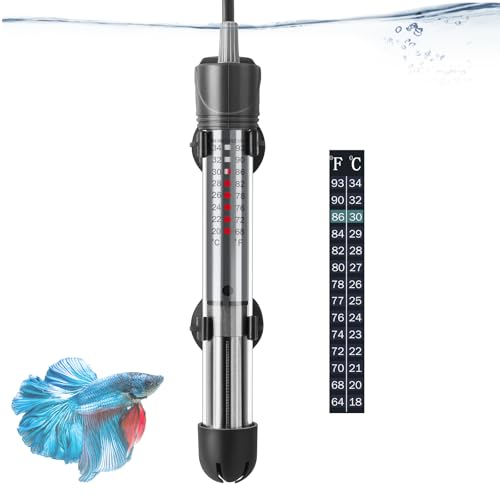
This HITOP 50W aquarium heater is designed for 6–15 gallon freshwater and saltwater aquariums, with a compact 7-inch body and a 5ft power cord. Please choose the right wattage aquarium heater according to our size chart.
Ensuring Safe and Effective Heater Installation
Proper heater placement is essential for safe and effective operation. Position the heater near the filter outlet, filter inlet, or powerhead stream to utilize existing water movement for even heat distribution. Ensure it is fully submerged either horizontally just above the substrate or vertically, with the heating element always underwater. Maintain open space around the heater, avoiding contact with decor, rocks, or tank walls. This prevents heat trapping and allows for proper water flow. Using a quality pond filter can also help maintain water circulation and temperature stability. Secure the heater using suction cups or brackets to prevent movement or dislodging. Create a drip loop in the power cord to prevent water from reaching electrical outlets, reducing the risk of electrical shock. Before powering on the heater, let it sit in the water for 20–30 minutes to acclimate. Use a thermometer to check the water temperature during this period and after turning on the heater, monitoring that it maintains a consistent and safe temperature. Additionally, proper heater placement enhances overall tank safety and efficiency, especially when considering a consistent water flow.
Troubleshooting Uneven Water Temperature
To troubleshoot uneven water temperature, start by verifying that your temperature readings are accurate. Use a backup thermometer and measure in the tank’s center, away from the heater and direct flow. Take multiple readings over several minutes to check for stability; a difference of over 1–2°F indicates a real issue. Uneven temperatures often come from poor circulation or layout issues, such as decor, substrate, or lighting obstructing flow. Place your heater near strong flow sources like the filter outlet or powerhead to help distribute heat evenly. If warm spots persist, test the heater outside the tank to rule out failure. Also ensure oxygen levels are adequate, as poor circulation can lower oxygen and impact temperature stability. Improving aquascaping, including the strategic placement of plants and décor, can also benefit water circulation and temperature balance. Ensuring proper tank layout can prevent dead zones where water remains stagnant, contributing to temperature inconsistencies. Adjusting heater placement and improving flow will help create a more consistent and stable environment.

Preset Temperature for Worry-Free Use: No manual adjustments needed! The Fluval P10 maintains a stable 76-78°F (24-26°C), creating an ideal environment for small freshwater and saltwater tanks

Accurate and Real-Time Monitoring: Fluval E series are among the most sophisticated aquarium heaters available today. Water temperature is continuously monitored and communicated using a simple-yet-effective color-coding system.

Heater is meant for Tanks between 159-264 Gallons.
Maintaining Safe Heater Placement and Performance
Proper heater placement is essential for safe and efficient aquarium operation. Keep the heater fully submerged unless it is designed for partial placement, and ensure there is at least 1 to 2 inches of open water around it for water circulation. Positioning the heater near the filter outlet, inlet, or powerhead takes advantage of the tank’s strongest circulation paths, which helps distribute heat evenly—especially important in larger tanks. Avoid hiding the heater behind decorations or placing it in low-flow zones where water movement is minimal, as uneven heating can occur. Mount the heater securely using suction cups or brackets to prevent shifting due to fish activity or water currents. It should stay level and stable to avoid damage or malfunction. Verify temperature accuracy regularly with a reliable thermometer to catch any discrepancies early. Conduct routine setup checks and implement electrical safety measures, such as drip loops on cords, to prevent electrical hazards. These practices collectively support a safe environment, promote healthy fish behavior, and ensure your heater functions optimally. Additionally, understanding the importance of proper circulation within the tank helps maintain consistent temperatures and prevents hot spots. Ensuring adequate water movement distributes heat more evenly and reduces the risk of localized temperature fluctuations.