
Thinking about setting up or upgrading your aquarium but unsure about gravel? It’s more than just decoration—proper gravel can improve water quality, support healthy plants, and create a safe space for your fish.
Choosing the right type involves considering factors like size, color, and material to suit your tank’s needs. Keep reading to learn everything you need to know about selecting, installing, and caring for aquarium gravel.
What Is Aquarium Gravel and Why Is It Important?
Aquarium gravel is a type of small, coarse material made from rocks, pebbles, ceramics, or shells that lines the bottom of your tank. Its primary purpose is to create a natural-looking environment and support the biological health of your aquatic habitat. The porous structure of gravel allows beneficial bacteria to colonize, helping convert fish waste into less harmful substances and maintain water quality. Additionally, biological filtration occurs naturally within the gravel, enhancing tank stability. Proper gravel selection can also influence water chemistry, emphasizing the importance of choosing the right substrate for your specific aquatic environment. Furthermore, selecting gravel with appropriate grain size can facilitate better water flow and biological processes, contributing to a healthier tank. Gravel provides a stable base for plant roots, allowing aquatic plants to anchor securely. It also promotes natural fish behaviors such as burrowing and foraging, contributing to your fish’s well-being. The choice of gravel size and type can influence both the aesthetic appeal and the biological balance within your tank, making it a vital component for a thriving aquatic ecosystem.
How to Choose the Right Aquarium Gravel for Your Fish and Plants
Choosing the right gravel size is crucial for the health of your tank’s inhabitants. Typically, 1 to 2 millimeters of fine gravel works well for bottom-dwelling fish and small species because it allows them to forage naturally without risking injury. Coarser gravel, around 5 to 8 millimeters, is easier to clean and helps promote water flow but is less suitable for delicate plants and tiny fish, which can become trapped or damaged among larger particles. A mixed range of 3 to 8 millimeters strikes a good balance, facilitating cleaning while supporting both plant roots and fish activity. Also, considering the gravel’s composition helps ensure it won’t degrade or cause water quality issues over time. Always opt for round-edged gravel to prevent possible injuries to your fish and check that the gravel is aquarium-safe, non-toxic, and inert to avoid altering your water chemistry over time. When choosing decorative styles or colors, consider how vibrant hues or natural tones will complement your aquarium’s overall look. Additionally, ensuring proper water parameter balance helps maintain a healthy environment and prevents issues such as algal blooms or fish stress. Finally, match the gravel’s depth to your tank size and the needs of your plants, typically around 2 to 3 inches for a healthy, planted environment.

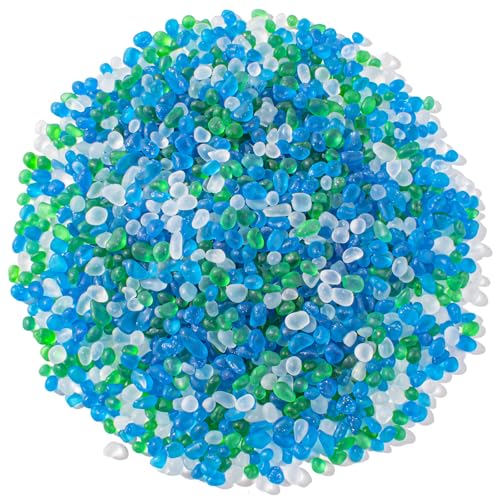
Safe & Reliable Material: Our glass gemstones are made of recycled glass and will not fade after long-term use. Non-toxic and odorless - they’re the worry-free choice for your precious aquatic friends and delicate plants

Long-Lasting Natural Beauty: Dye-free and oil-free, these 1/4-inch natural fish tank gravel maintain their earthy, non-polished beauty without fading in water or sunlight. An eco-friendly and recyclable choice for a permanently lovely home or aquarium landscape
Benefits of Aquarium Gravel: Supporting Filtration and Habitat
Gravel plays a crucial role in supporting filtration and creating a habitat in your aquarium. It provides a large surface area for beneficial bacteria to colonize, which enhances biological filtration by breaking down waste, leftover food, and plant debris. This process helps keep water parameters stable and reduces toxic buildup. Gravel also traps debris and detritus, preventing organic matter from decomposing freely in the water, which improves water quality overall.
In undergravel filtration systems, gravel acts as the core medium for biological filtration, supporting the nitrogen cycle and controlling odors effectively. Beyond filtration, gravel offers a natural environment for fish, giving them hiding spots and foraging grounds. This is especially important for bottom-dwellers like corydoras and loaches, who rely on the substrate for comfort and security.
Additionally, gravel enhances your tank’s visual appeal through various color options, adding depth and contrast to your aquascape. It also supports live plant roots, facilitating healthy growth and stability. Overall, gravel combines aesthetic charm with practical benefits, helping to sustain a vibrant, healthy aquarium ecosystem.
Cleaning and Maintaining Aquarium Gravel Made Easy
Regular vacuuming during water changes is the most effective way to keep your gravel clean. Focus on small sections, vacuuming only about one-third of the substrate at a time to reduce disturbance to your aquatic life. Use a gravel vacuum or siphon to lift debris from between the gravel pieces, especially around exposed surfaces. For new gravel, rinse until the water runs clear in a sieve or bucket, and soak it if necessary to loosen any loose debris before placing it in the tank. If your gravel is heavily soiled, remove decorations and soak the gravel in a diluted vinegar or hydrogen peroxide solution, then rinse thoroughly to avoid damaging beneficial bacteria. Regular maintenance coupled with partial water changes of 20 to 30 percent will keep your gravel fresh and your aquarium healthy. Proper maintenance not only prevents the buildup of harmful substances but also promotes a healthier environment for your aquatic inhabitants. Choosing gravel color options that complement your decorating style can enhance visual appeal while maintaining a clean environment.

FUNCTION --- Easy to control, convenient to siphon fish faeces, impurities, turbid water out of fish tank.
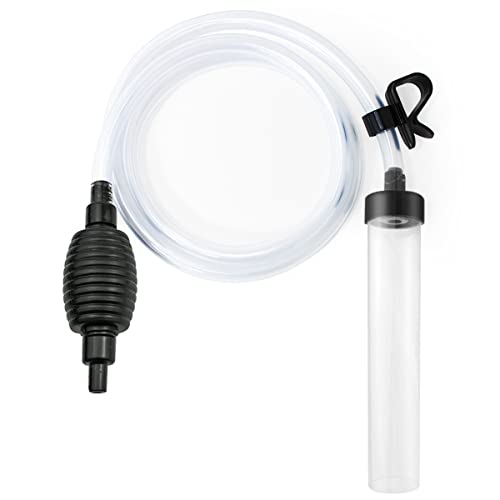
FUNCTION --- Easy to control, convenient to siphon fish faeces, impurities, turbid water out of fish tank.

FUNCTION --- Easy to control, convenient to siphon fish faeces, impurities, turbid water out of fish tank.
Understanding How Gravel Affects Water Chemistry
Gravel can significantly impact your water chemistry, especially in how it influences pH stability and mineral levels. Some substrates, like crushed coral and aragonite, act as buffers, releasing minerals that raise and stabilize pH, as well as harden the water. These are ideal for fish species that thrive in alkaline conditions. In contrast, inert gravels do little to alter the water’s pH or mineral content, making them suitable if you want a neutral baseline.
Mineral leaching is another key aspect, particularly with substrates containing calcium or carbonate compounds. Over time, these minerals can increase water hardness and pH levels gradually, which might benefit certain fish but cause fluctuations that stress others. Beneficial bacteria colonize gravel surfaces, helping convert toxic ammonia into nitrate, thus supporting biological filtration. Proper gravel selection can also influence the biological filtration efficiency in your tank. Additionally, selecting the right gravel can help maintain long-term water stability, minimizing surprises in water chemistry.
Regular testing of water parameters is necessary to monitor mineral levels and pH, especially when using substrates that can leach minerals. Choosing the right gravel according to your aquarium’s biotope and maintaining stable water chemistry are essential steps in creating a healthy environment for your aquatic life.
Selecting Gravel Based on Fish, Plants, and Tank Needs
Choosing the right gravel depends on your fish, plants, and tank needs. For fish-only tanks, a small gravel size of 3 to 6 millimeters with a smooth, non-jagged surface is ideal. This size minimizes injury risk for your fish, prevents debris from trapping, and makes vacuuming easier during maintenance. Water clarity is better maintained with gravel over sand in freshwater tanks because it resists cloudiness caused by stirred-up particles. About 2 inches of substrate typically provides sufficient coverage for fish-only setups, ensuring they have enough space to settle comfortably without making tank cleaning cumbersome. Additionally, selecting gravel that maintains good water clarity can significantly improve the overall health of your aquarium. Using the appropriate gravel texture can also help in reducing debris buildup, leading to a cleaner environment for your aquatic life. The proper gravel choice can also influence biological filtration, supporting beneficial bacteria growth essential for maintaining a healthy tank.
For planted tanks, finer and more porous gravel is recommended as it promotes healthy root development. Deeper substrates of 4 to 6 inches supply sufficient space for roots to expand and access nutrients. The choice of gravel color can enhance the visual appeal of your aquarium, whether you prefer a natural look to mimic the outdoors or vibrant shades for a colorful display. Larger tanks or heavily stocked tanks will require more substrate depth and a stable base to support diverse plant life or high fish populations. Regularly vacuum the gravel to prevent waste buildup and maintain good water quality, especially in more populated or larger tanks.

Size: About 4-6mm (0.16 - 0.24 Inch), weight: 3 pound, color: black. Polished aquarium gravel sand in irregular pieces, undrilled

AQUARIUM GRAVEL: Black GloFish Aquarium Gravel creates a perfect base to let your fluorescent fish, plants and ornaments stand out.

AQUARIUM GRAVEL: GloFish Aquarium Gravel creates a colorful base for all your GloFish ornaments.
Common Mistakes to Avoid When Using Aquarium Gravel
One of the most common mistakes is skipping proper rinsing of the aquarium gravel before adding it to your tank. Unwashed gravel can release dust, fines, and debris that turn the water cloudy and reduce visibility. To prevent this, rinse the gravel multiple times—typically 4 to 6—until the runoff runs clear. Use a gentle agitation in a bucket or container to dislodge trapped particles without breaking down the substrate. Avoid hot water during rinsing, as it can release chemicals that harm aquatic life. Also, never use soap or detergents, since residues can be toxic to your fish and plants. When adding gravel, aim for a depth of about 1 to 2 inches with a slight slope—this promotes proper waste collection and water circulation. Regular maintenance, like vacuuming debris without disturbing beneficial bacteria, helps prevent waste buildup and supports stable water quality. Being mindful of substrate selection can significantly impact fish health and overall tank stability. Moreover, understanding the composition of gravel can guide you in choosing the safest options for your aquatic ecosystem. Proper monitoring of pH levels and water chemistry ensures your aquatic environment remains healthy and stable. Additionally, keeping an eye on water parameters can further help in maintaining optimal conditions for your fish and plants. Taking these precautions safeguards your aquarium’s health and keeps your aquatic environment clear and vibrant.
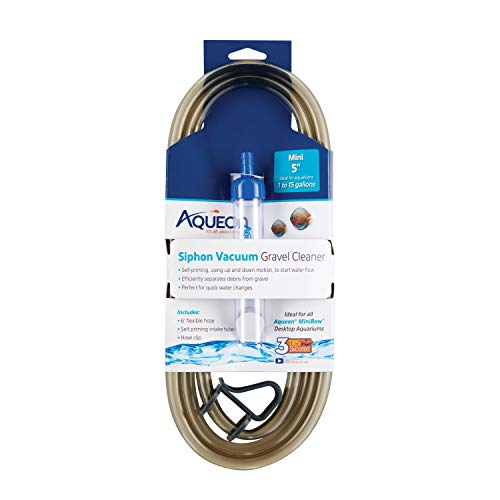

【Upgraded 6-in-1 Multi-Functional Aquarium Gravel Cleaner】This upgraded gravel vacuum integrates six essential functions: water changing, sand washing, debris removal, water filtration, water showering, and flow control. Designed for use in both freshwater and saltwater aquariums, it is compatible with tanks of various depths and water volumes.
![QZQ Aquarium Gravel Cleaner Vacuum Fish Tank Cleaner Tools Kit | [2026 Edition] Water Changer with Aquarium Thermometers, Fish Net kit, Use for Fish Tank Cleaning Gravel and Sand](https://m.media-amazon.com/images/I/51S+2N20RtL._SL500_.jpg)
Mufti-functional cleaning kit: Aquarium gravel vacuum cleaner kit is a mufti-functional aquarium cleaner that uses (adopts)the siphon design principle, which includes the aquarium, aquarium sand washing, algae scraping, fish excrement cleaning, aquarium residual debris, and aquarium water changing. Quick water change gives fish (provides)a clean and comfortable aquarium living environment.