
Wondering what tilapia fish eat? Whether you’re keeping tilapia in your pond or at home, understanding their diet is key to keeping them healthy and growing.
In the wild, they forage on algae, aquatic plants, and small invertebrates.
While in aquaculture, their feed mixes plant-based and animal-based ingredients.
Keep reading to discover everything you need to know about their food habits.
What Do Tilapia Fish Eat in the Wild and How Does That Influence Farming?
Tilapia fish primarily eat algae, phytoplankton, and aquatic plants in the wild. Their diet shifts with the seasons: during warmer months, they consume more zooplankton and insects, while in cooler periods, they rely more on detritus and macrophytes. This dietary flexibility allows them to thrive in turbid lakes and rivers with varying water qualities. Their ability to process algae efficiently means they can utilize natural productivity in their environment, reducing the need for supplemental feeds. Additionally, their dietary adaptability enables them to survive in diverse habitats and influences sustainable farming practices that leverage natural food sources, supporting extensive systems that capitalize on natural food sources and minimizing reliance on commercial feeds. The extent of their natural diet helps determine how well they perform in aquaculture settings worldwide.
Key Plant-Based Ingredients in Tilapia Diets and Their Benefits
Plant-based ingredients are essential alternatives to fishmeal in tilapia diets, offering both sustainability and cost savings. Soybean meal is a top choice because it provides a high protein level and a balanced amino acid profile, which supports rapid and healthy growth. Replacing fishmeal with soybean meal has consistently improved tilapia performance, making it a reliable, readily available ingredient for many farmers. Incorporating aquaculture filtration systems can further enhance water quality and promote healthier fish development. Leaf meals, such as leucaena or cassava leaves, are also valuable especially in resource-limited systems. While they contain lower levels of protein, they can still effectively supplement diets when combined with higher-quality ingredients. Proper formulation of diets that include plant-based ingredients can optimize tilapia health and growth efficiency. Incorporating these plant-based options reduces reliance on fishmeal, helps lower feed costs, and promotes sustainable aquaculture. When carefully formulated, soybean meal and leaf meals work together to produce balanced, nutritious diets that support healthy tilapia growth while minimizing environmental impact. Additionally, understanding the protein content of each ingredient is crucial for achieving a well-balanced diet.
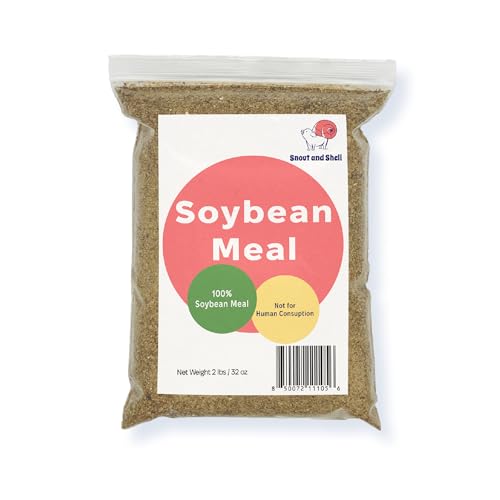
High Protein Animal Feed: Packed with essential amino acids; ideal for chickens, goats, pigs, and other livestock requiring a plant-based protein source

HIGH PROTEIN CONTENT: Provides 47% protein to support healthy growth and development in livestock and wildlife.

Green growth and nitrogen provider in the garden, great animal feed.
Animal-Based Foods in Natural and Commercial Tilapia Feeds
Animal-based foods play a crucial role in both natural and commercial tilapia diets by providing high-quality protein sources essential for optimal growth. In natural settings, tilapia consume aquatic insects, snails, and clams, which are often incorporated into farm-made feeds as animal meal ingredients. Commercial feeds rely heavily on fishmeal, blood meal, feather meal, poultry by-product meal, and meat and bone meal. These ingredients help increase the crude protein content of the feed, supporting rapid and healthy growth. Animal proteins are valued for their dense amino acid profiles, high digestibility, and appealing taste, making them particularly effective for tilapia development. Additionally, animal-based ingredients are generally more cost-effective than fishmeal, especially in developing regions. Using animal-based ingredients as a substitute for fishmeal can preserve growth performance while conserving marine resources. Animal-based foods are vital for meeting the nutritional needs of tilapia and ensuring sustainable aquaculture practices. Furthermore, advancements in feed formulation aim to optimize the use of animal-based ingredients to promote both fish health and environmental sustainability. Incorporating diverse protein sources helps improve the overall nutritional quality of tilapia diets and enhances their resilience to diseases.


High protein with real, high-quality tilapia and mackerel, because cats are carnivores.

FLOATING: Takes the guess work out of feeding management. Plus, there's less waste so water quality won't be impacted by feedings.
How Feed Formulations Change Across Tilapia’s Growth Stages
During tilapia’s early stages—fry and small fingerlings—you should provide starter crumble or powder feeds containing 40–45% protein. These feeds are fed 4–6 times daily and should constitute about 10–15% of the fish’s body weight. As tilapia grow into fingerlings and early juveniles, switch to pellet feeds with 32–35% protein, reducing feeding frequency to 3–4 times per day and adjusting the amount to around 6–8% of their body weight. In the juvenile and mid-growth stages, feeds with slightly lower protein content, approximately 28–35%, are appropriate and are usually larger pellets measuring about 3 to 5 millimeters in diameter, fed twice daily. During the grow-out phase, dietary protein is further lowered to 25–28%, with feeding rates dropping to 1–2% of body weight and scheduled twice per day to match their slower growth pace. Understanding feed formulation is essential for optimizing tilapia growth and ensuring healthy development. Regular monitoring of water quality parameters and adjusting feeding routines accordingly can also significantly improve growth performance. Proper feeding practices can also help minimize waste and prevent water quality issues that could hinder growth.

Watch Your Birds Flourish – Our nutritionally complete whole grain starter crumbles with 20.5% protein promotes strong development and growth in chicks and ducklings. Corn-free. Soy-free.
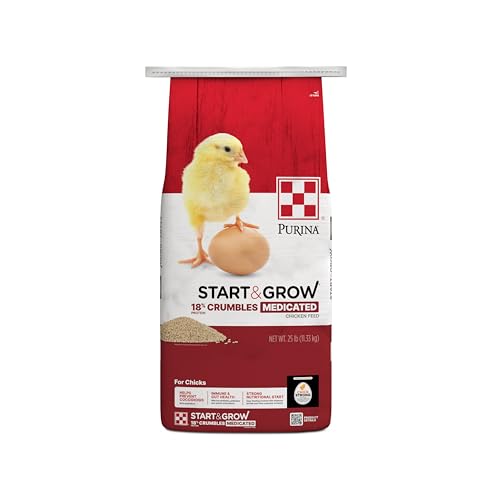
Prebiotics and Probiotics - Supports immune and digestive health

Watch Your Birds Flourish: Our nutritionally complete whole grain starter crumbles with 20.5% protein promotes strong development and growth in chicks and ducklings. Corn-free. Soy-free
Why Feed Quality and Composition Are Critical for Tilapia Growth
The quality and composition of tilapia feed directly influence how efficiently your fish grow and turn feed into body mass. Balanced levels of amino acids, energy sources, and digestible proteins are essential for optimal development. Ensuring feed stability during storage keeps nutrients available and prevents spoilage that can harm growth performance. Diets high in fiber can lower feed efficiency, so limiting fiber content is important. Incorporating adequate fats like soybean oil provides necessary energy without compromising feed quality. Achieving a proper energy balance allows tilapia to use dietary protein for muscle growth rather than energy, which improves feed conversion rates. Conversely, imbalanced nutrient profiles or incomplete amino acids can restrict muscle deposition even if crude protein levels seem sufficient. Therefore, maintaining consistent feed quality and precise nutrient composition is critical for sustainable growth and maximizing your tilapia production.

Game Fish Variety is formulated for sport fish species - trout, largemouth bass, bluegill, hybrid striped bass, bream, crappie, perch

Game Fish Variety is formulated for sport fish species - trout, largemouth bass, bluegill, hybrid striped bass, bream, crappie, perch

While the pellet naturally floats on top alone, when paired with a standard hook and sinker weight, it suspends gracefully just above murky weeds and rotting silt beds, maximizing open visual tracking for bottom-feeders
Best Practices for Feeding Tilapia in Ponds and Aquaculture Systems
Effective feeding practices in ponds and aquaculture systems depend on understanding both natural food sources and supplemental options. Establish a regular feeding schedule—twice daily for pond culture and three to six meals for intensively raised small fish—to promote consistent intake. Time feeds based on weather, daylight, and fish behavior, as tilapia are active during the day. Water temperature plays a crucial role; warmer conditions increase activity and appetite, while cooler water slows digestion, meaning you’ll need to provide smaller or less frequent feeds. Choose feed particle sizes carefully, such as 1.5–2 millimeter pellets for fish weighing 1 to 50 grams, or crumbles for younger fish. Monitoring fish response and sampling monthly helps adjust rations to support optimal growth, reduce waste, and maintain water quality.

🐟 MUST HAVE: When looking for the very best for your fish

Nutrena Nature's Canvas Trophy Fish Feed is a 36% protein fish feed designed to be fed to bluegill, catfish, bass, brim, tilapia, and other farm pond species in a recreational feeding program.

Floating pellets allow easy monitoring of amount eaten
Tips to Optimize Tilapia Feeding and Overcome Common Challenges
Optimizing tilapia feeding begins with adjusting both the amount and timing of feedings to promote growth and reduce waste. Start by selecting healthy, vigorous fry, as they adapt more easily to feeding schedules and establish a strong growth foundation. Maintaining consistent water aeration is essential; it keeps oxygen levels stable, preventing stress and supporting efficient digestion. Tilapias are omnivores, which means providing a balanced diet that includes both plant and animal matter supports their overall health and growth. Proper feeding strategies are vital for maximizing production efficiency and maintaining water quality. Adjust feed rates according to biomass and water temperature. Feed smaller amounts more frequently when tilapia are young to encourage steady growth, and gradually reduce rations as they mature. Use pellets that are appropriately sized for the fish’s mouth; this improves ingestion efficiency and minimizes fines that can pollute the water. Regular biomass sampling is crucial to avoid overfeeding, which can lead to ammonia buildup and water quality issues. Incorporating knowledge about aquaculture practices helps create a more efficient feeding strategy. Additionally, understanding feed conversion ratios can assist in optimizing feed efficiency and cost management. Establish routine feeding times to create a feeding pattern that conditions your fish to feed quickly, reducing nutrient leaching and waste. Combining these strategies—precise seed selection, proper water aeration, and careful feed management—will help you overcome common challenges and enhance tilapia growth effectively.