
Dealing with hair algae in your reef tank can be frustrating, but the good news is that there are effective ways to manage it.
You can bring in certain fish and invertebrates that naturally graze on algae, along with proper filtration and nutrient control to keep things balanced.
Below, you’ll find all the key strategies to help you maintain a healthy, algae-free environment.
What Causes Hair Algae and Why Is It Difficult to Control?
Hair algae in reef tanks are primarily caused by nutrient imbalances, especially excess nitrate and phosphate. These nutrients provide a quick food source that algae can utilize faster than corals and beneficial bacteria can absorb them. Overfeeding, waste buildup, and decomposing organics are common sources of these excess nutrients, creating a persistent environment favorable for hair algae growth. Excess nutrients also encourage algae to outcompete other beneficial organisms, making it harder to establish a balanced tank ecosystem. Sometimes, low nutrient levels or unstable water conditions can actually favor algae over other competing organisms, making control more challenging. Poor water flow and dead spots trap debris and waste, supplying localized nutrients that promote algae proliferation. Because hair algae can regrow from tiny fragments, physically removing visible growth isn’t enough. Effective long-term control depends on reducing nutrient levels and maintaining stable, consistent water conditions to prevent algae from returning. Additionally, implementing proper water circulation helps prevent debris accumulation and reduces algae growth, supporting a healthier reef environment. Understanding the nutrient dynamics in your tank is crucial for developing effective algae control strategies.
How to Choose Reef-Safe Fish for Hair-Algae Control and Add Them Safely
Choosing reef-safe fish for hair algae control depends on their behavior, size, and compatibility with your tank. Herbivores like Zebrasoma tangs and bristletooth tangs are particularly effective against persistent hair algae. Yellow eye Kole tangs are known for clipping algae from rocks without much fuss. Rabbitfish, such as Foxface, are strong grazers but can nip at corals, so watch them carefully. Smaller tanks benefit from blennies and gobies, which provide light grazing and usually stay within manageable sizes.
Maintaining a suitable algae-eating fish population is crucial for long-term algae management and overall tank health. When selecting these fish, consider your tank size and the fish’s behavior. Larger tangs require bigger tanks—at least 75 gallons or more—while smaller species thrive in more compact setups. Proper introduction and care are essential to ensure their health and effectiveness, which is why quarantining new fish before adding them to your display helps prevent disease transmission. Introducing new fish gradually to reduce stress, along with establishing stable water conditions, provides a healthier environment that supports their grazing habits and helps keep algae under control effectively.

Probiotic Enhanced Marine Fish Diet

Spirulina-Rich Herbivore Formula: Balanced, plant-forward nutrition designed for herbivorous and algae-feeding tropical and marine fish, providing essential nutrients for everyday health and vitality

PURE SEAWEED NUTRITION — 100% dried green seaweed (no fillers or additives) rich in natural vitamins A, B, C, E and essential trace elements
Effective Invertebrates and Crustaceans for Cleaning Hair Algae
Invertebrates such as snails, hermit crabs, and sea urchins are highly effective at controlling hair algae growth in reef tanks. When choosing invertebrates for this purpose, ensure they are compatible with your corals, as some species may pose a risk to delicate coral structures. Snails like Turbo, Trochus, Astrea, Cerith, and Nerite are excellent grazers that feed on various types of hair algae and detritus, making a diverse clean-up crew particularly effective. Hermit crabs such as Blue-legged and Scarlet varieties help supplement algae control but should be kept in moderation due to their behavior and specific niche preferences. Sea urchins, including Tuxedo and Halloween types, are especially efficient at removing stubborn hair algae. Their voracious feeding behavior can quickly clear extensive algae growth, but you need to verify your tank can support their presence without posing a risk of predation or overcrowding. Properly selecting and managing these invertebrates is crucial, as an imbalance can sometimes lead to overgrazing and potential stress on your tank ecosystem understanding algae grazers and their impact. Additionally, maintaining a balanced clean-up crew can prevent overgrazing that could otherwise destabilize your reef environment. Monitoring the algae growth levels regularly helps ensure the invertebrates are working effectively without causing harm to the overall health of your tank.

POWERFUL ALGAE REMOVER FOR FISH TANK: MICROBE-LIFT Algaway 5.4 delivers fast-acting aquarium algae control; It eliminates green water, hair algae, and string algae to improve water clarity and reduce odor; EPA Registered for safety and reliability

CONTROLS ALGAE GROWTH: Removes existing algae from aquarium water and controls the formation of new algae in your tank.

9+ red ramshorn snails raised in my personal pristine planted aquariums
How to Combine Biological and Mechanical Methods to Combat Hair Algae
Combining biological and mechanical methods is the most effective approach to controlling hair algae. Biological grazers such as tangs, rabbitfish, blennies, and sea urchins are great at feeding directly on algae, reducing its visible presence. Mechanical methods complement this by removing debris, uneaten food, and nutrients that feed algae, preventing regrowth. To maximize results, increase mechanical filtration and water flow to eliminate dead spots where detritus can settle. Performing regular water changes and gravel vacuuming helps export excess nutrients and substrate debris, further limiting algae food sources. Using both strategies together ensures grazers can focus on consuming algae while mechanical removal keeps the environment clean and nutrient levels low. Maintaining low nitrate and phosphate levels enhances the biological control, making your overall approach to hair algae suppression more successful. Proper nutrient management, including controlling phosphate levels, is also essential for preventing algae proliferation. Additionally, understanding nutrient levels in your tank can help you adjust your methods more effectively to keep algae at bay. Integrating nutrient monitoring can help you detect imbalances early and tailor your management strategies more precisely.

Stainless Steel Materials: Algae scraper for glass aquariums is made entirely of stainless steel, making it resistant to rust. It is suitable for both salt water tanks and fresh water aquariums. Additionally, Stainless steel blades effortlessly cutting through stuff adhering on glass and gets some of the harder buildup off without having to scrape viciously. Easy to use and very effective at keeping the glass absolutely clean.

2-in-1 Flip Design: Quickly switch between scrubbing and scraping with a floating magnetic cleaner, allowing easy removal of algae and debris from the entire tank without reaching into the water.

EASY TO CLEAN: Pro Aquarium scraper with wide razor blade slides everything off your glass tank with ease,Could be used as gravel spatula with protection cover on
Long-Term Reef Maintenance: Managing Nutrients and Preventing Algae Rebounds
Regular testing of nitrate and phosphate levels is crucial for maintaining a healthy reef and preventing algae rebounds. Aim for nitrate levels around 5 to 10 ppm and keep phosphate minimal. Monitoring these parameters allows you to identify potential nutrient spikes early and take action before algae take hold again. Incorporate routine water changes and nutrient export methods after cleaning or feeding, as these activities tend to increase nutrient levels. During water changes, siphon debris and vacuum the substrate to remove trapped waste that could otherwise fuel algae growth. Always use fresh, phosphate-free water for replacements to avoid reintroducing nutrients. Upgrading your protein skimmer and adding mechanical filters can improve nutrient removal efficiency. Implementing refugiums or macroalgae reactors provides longer-term nutrient export options. Maintaining consistent flow, moderate lighting, and careful feeding reduces nutrient buildup, supporting a stable, algae-free reef environment. Proper filtration is essential to ensure nutrients are effectively removed and to promote a balanced, healthy ecosystem. Regularly monitoring nutrient levels can help you detect early signs of imbalance and adjust your maintenance routine accordingly. Additionally, managing biological filtration helps keep nutrient levels stable and reduces the chances of algae outbreaks. Incorporating biological filtration methods such as live rock and beneficial bacteria cultures further enhances nutrient control and promotes a resilient reef.
Keep out of reach of children

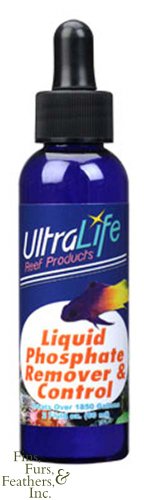
Ultra-Pure Phosphate for Reef Tanks: Free from unwanted additives – ideal for precise adjustment of phosphate levels in your saltwater aquarium.