
Wondering what your leopard gecko needs to stay healthy in its tank? It’s all about providing enough space, proper temperatures, and the right environment to mimic its natural habitat.
From heating and lighting to substrate and humidity, each element plays a role. Keep reading to get the full picture on creating the perfect home for your gecko.
Why Is Enclosure Size Important for Your Leopard Gecko?
Enclosure size is essential because it directly affects your leopard gecko’s health and happiness. A tank that is at least 36 inches long by 18 inches wide provides about 4.5 square feet of floor space. This amount of space allows for proper decoration and the placement of necessary accessories like hides, water bowls, and heating elements. Sufficient room helps prevent stress caused by confinement, giving your gecko space to move, stretch, and burrow naturally. Larger enclosures support deeper substrate layers, which are vital for burrowing behavior and overall well-being. Proper enclosure size is also crucial for maintaining a stable environment and temperature, which are essential for your gecko’s health. When choosing an enclosure, it’s important to consider aquarium plants that are safe, as they can enhance the environment and provide enrichment. Incorporating appropriate habitat elements can foster natural behaviors and improve your gecko’s quality of life. Small tanks restrict these features, increasing stress levels and making it harder for your gecko to engage in natural activities. This can lead to health issues and reduce their quality of life.
How Do You Create the Perfect Temperature Gradient?
To create the perfect temperature gradient, position your heat source at least one-third of the way along the terrarium’s length. This setup ensures a smooth thermal drop from the warm side to the cooler side, mimicking natural environments. The warm area should reach between 80°F and 90°F, while the cooler area stays between 70°F and 75°F. Place thermometers on each side to monitor these temperatures regularly and use a thermostat to make precise adjustments. Incorporate plants and insect enrichment on the cooler side to promote natural behaviors and provide shade. The basking spot directly under the heat source should be maintained at 90°F to 100°F. This arrangement allows your gecko to thermoregulate comfortably and promotes overall health. For added safety, consider using a water cartridge filter to keep the terrarium environment clean and free from harmful impurities. Ensuring proper humidity levels is also vital for your gecko’s well-being and should be monitored regularly. Additionally, understanding how to maintain water parameters ensures a healthy environment, as clean and stable water conditions are crucial for overall health.

Reptile Necessary: Meet the need of Humidity and Temperature measuring for monitoring reptile's living conditions and health. Easily check your pet's living environment. When there are abnormalities, you can timely discovery through reptile thermometer.

Precision Health Guardian: Your reptile pets are very sensitive to temperature and humidity, and small changes can affect their comfort and even their health. This humidity thermometer utilizes a built-in high-precision measurement chip that monitors the environment with 0.9°F accuracy, ensuring you are always aware of the actual conditions in your animal's tank. It's not just a matter of caring, it's a consideration for your pet's long-term health.

【High-Precision】The thermometer for reptile tank can simultaneously detect humidity and temperature,10s response time, temperature accuracy:±1℉,Humidity accuracy:±5%.Helping you quickly and accurately understand the environment around crawlers, ensuring the long-term health of pets.
What Are the Best Hides and Decor for Your Gecko?
Providing at least three strategically placed hides is essential for a healthy leopard gecko environment. You should have a warm hide near the heat source, a cool hide on the opposite end of the enclosure, and a humid hide placed centrally with damp materials for shedding. This setup ensures your gecko can regulate its body temperature and access moisture when needed. Fully enclosed hides with large entrances and enough interior height offer privacy and reduce stress. Using sturdy materials like resin, ceramic, or clay keeps hides stable and secure. Regularly cleaning and inspecting these hides maintains a hygienic space and encourages natural hiding behaviors. Incorporating natural decor such as rocks, plants, and small platforms further enriches the habitat, providing additional hiding spots and mimicking a more natural environment. Proper hide placement is crucial for reducing stress and promoting natural behaviors.

Sized for Small Reptiles & More At 5.5×6.5×3 in with a 3×2.7 in opening, this dome fits hides for leopard geckos and small frogs. Also works as a snake hide, turtle cave, or hermit crab Shelter. Suitable for most reptile terrariums—recommended for enclosures larger than 3 gallons, with 10-gallon and bigger tanks providing an ideal fit.

MAINTAINS HUMIDITY; Creates a micro-environment that supports proper shedding and is ideal for egg-laying
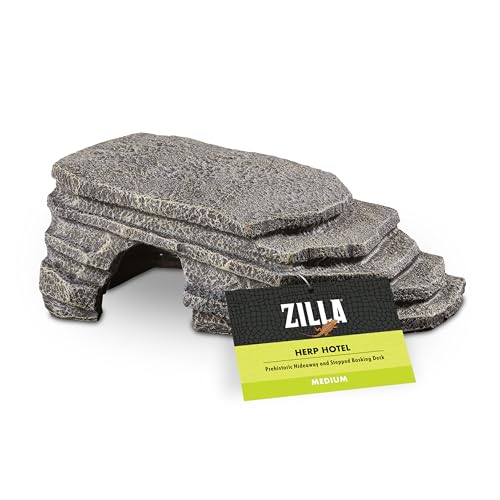
PERFECT BASKING AREA; The large, flat platform provides a prime spot for reptiles to warm up and regulate their body temperature
Which Substrates Are Safe and Easy to Maintain?
Naturalistic substrates like a mix of organic topsoil combined with pre-washed, silica-free play sand are safe and mimic your leopard gecko’s natural environment. A DIY mix such as 60% topsoil, 30% sand, and 10% excavator clay provides stability and encourages burrowing behavior. For easy maintenance, opt for non-loose surfaces such as paper towels, tile, or reptile carpet. These options simplify cleaning and help prevent bacteria buildup. Choosing the right substrate also helps maintain proper humidity levels, supporting healthy shedding and skin health. Avoid unsafe substrates like calcium sand, gravel, and wood chips because they pose ingestion risks or can cause injury. Before use, ensure the substrate is well-mixed, lightly moistened, and packed firmly. The ideal substrate depth is 4 to 6 inches, allowing your gecko to burrow and dig comfortably. Choosing the right substrate promotes your gecko’s health and natural behaviors while making upkeep more manageable.

All natural no dyes or colors added

NO CHANGING BioBedding for years when used in combination with microfauna like Springtails and Isopods; saving you time and money

IDEAL FOR DESERT-DWELLING REPTILES: specifically designed for adult bearded dragons, uromastyx, desert skinks, monitors, leopard geckos, and more
How Should You Set Up Lighting, Humidity, and Ventilation?
To create a suitable environment for your leopard gecko, you need to carefully manage lighting, humidity, and ventilation. For lighting, use a low-wattage household bulb during the day to mimic natural daylight cycles—about 14 hours in summer and 10–12 hours in winter. Incorporate a low-intensity UVB light on one side of the enclosure to promote healthy vitamin D3 synthesis while maintaining a temperature gradient with heat sources. Night lighting should be minimal or optional; if needed, use red or blue bulbs that won’t disturb your gecko’s sleep. Proper lighting during the day promotes healthy sleep patterns and overall activity levels. Humidity should stay low overall, with a moist hide on the cooler side of the tank providing a damp sphagnum moss environment to help your gecko shed properly. Maintaining dry surroundings prevents fungal issues but giving a moist hide ensures shedding and hydration. Good ventilation is essential to prevent stagnant air and temperature fluctuations. Using front-opening enclosures or vents allows for continuous airflow, which helps keep humidity stable and promotes a healthy environment overall. Ensuring adequate ventilation also reduces the risk of respiratory infections. Additionally, incorporating adequate airflow helps prevent the buildup of harmful bacteria and mold.
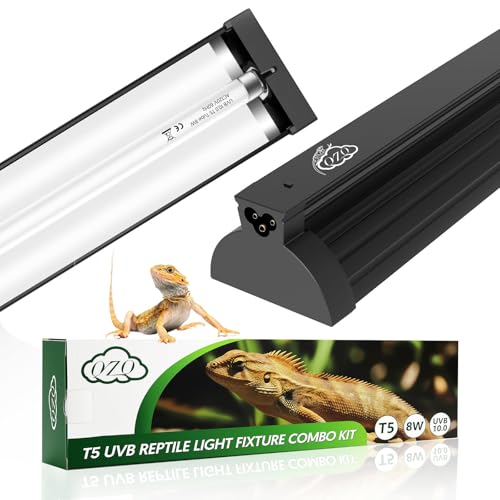
T5 UVB Reptile Light Fixture Combo Kit: The QZQ T5 UVB reptile light features a 5.9ft detachable power cord, a convenient on/off switch, and multiple mounting accessories for easy installation. Whether you're setting up a reptile tank or terrarium, this reptile light fixture meets your reptile lighting needs, providing your pets with the perfect 10.0 UVB lighting environment for healthy growth

【High-Efficiency Reflector】Curved polished aluminum reflector intensifies both light and UVB output, Aids in vitamin D3 activation and calcium absorption, promoting growth and preventing skeletal diseases in pets.

【 Complete T5 UVB Lighting Combo Kit】The GREENPAW T5 UVB reptile light fixture comes as a complete lighting kit, including a 8W 10.0 reptile UVB bulb, 12.44-inch terrarium hood, mounting accessories, and power cord. Specifically designed for 16-24 inch reptile terrariums and vivariums. This kit delivers reliable UVB light for reptiles, ideal for new owners.
How Do You Provide Fresh Water and Nutritious Food?
Providing fresh water and nutritious food is vital for your leopard gecko’s health. Place a shallow water dish on the cool side of the enclosure that is stable, easy to access, and large enough for soaking but not so deep that your gecko risks drowning. Change the water daily or immediately if it becomes soiled to keep your gecko hydrated and support its shedding and overall health. Additionally, mist the enclosure daily to boost humidity levels and provide a humid hide filled with moist substrate for extra hydration. For feeding, offer a varied diet of live invertebrates such as crickets, mealworms, and roaches. Juveniles should be fed daily, while adults can be fed every other day, with prey no larger than your gecko’s head. To supplement mineral intake, place a shallow dish of calcium powder in the enclosure, which your gecko can lick as needed to promote healthy bones and overall nutrition. Regularly checking your aquarium filter ensures clean water and a healthy environment for your pet. Monitoring your tank environment regularly can help ensure optimal humidity and temperature conditions for your gecko’s well-being, as maintaining a proper feeding schedule is also essential for their long-term health.
What Are the Best Heating Options for Your Leopard Gecko?
Overhead heating options like halogen bulbs and deep heat projectors are effective for providing a basking spot. These heat sources produce radiant heat, which warms your gecko directly and simulates natural sunlight. Use a thermostat to regulate the temperature and prevent unsafe spikes that can harm your gecko. Proper placement ensures the heat source creates a distinct basking area with temperatures around 88 to 92 degrees Fahrenheit. Always position these heat sources on one side of the tank to create a temperature gradient, with cooler zones between 70 and 80 degrees Fahrenheit on the opposite side. Ceramic heat emitters are also a good nighttime option as they provide warmth without emitting light, allowing your leopard gecko to rest undisturbed. Avoid heat rocks as they pose burn risks. Regularly check your tank’s temperature with a reliable thermometer to maintain consistent and safe heating. Ensuring your habitat has the correct lighting, heating and humidity is crucial for overall health and well-being. Proper habitat insulation can help maintain a stable temperature, reducing the workload on your heating devices. Additionally, maintaining an appropriate temperature gradient aids in natural thermoregulation behaviors for your gecko.

🦎No Light Emitted - The heat lamp bulb only generates heat during use, and does not emit light. It provides sufficient heat for your pets so that they can feel the warmth you made for it in a cold environment. Especially when it is used at night, it will not affect the pet's sleep.

【Reliable Heat Source】: 100W heat lamp ensures 24-hour warmth for reptiles and amphibians with the ceramic heat emitter, ideal for maintaining their thermoregulation needs.
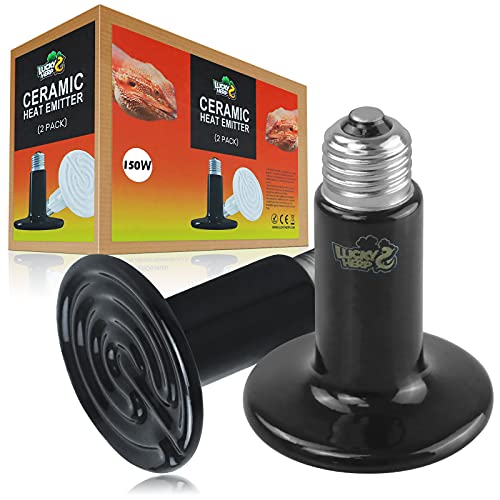
🦎No Light Emitted - The heat lamp bulb only generates heat during use, and does not emit light. It provides sufficient heat for your pets so that they can feel the warmth you made for it in a cold environment. Especially when it is used at night, it will not affect the pet's sleep.
How to Maintain and Clean Your Gecko’s Enclosure Properly?
To maintain a clean and healthy enclosure for your leopard gecko, you should perform regular routines. Daily, remove feces, shed skin, uneaten food, and dead insects to prevent bacterial buildup. Check corners, hides, and the edges of the substrate for hidden debris. Wash the water bowl daily with hot, soapy water and refill it with fresh water. Any wet or soiled substrate should be removed immediately to keep the environment dry. Weekly, conduct a thorough cleaning by wiping down the tank walls, cleaning food and water dishes, and inspecting decorations and hides for residue or odors. Replace any accessories that are damaged or heavily soiled. Monthly, disinfect the entire enclosure with a reptile-safe disinfectant, making sure to rinse thoroughly before reintroducing your gecko. Consistent cleaning helps prevent harmful bacteria buildup and maintains a safe, dry environment for your gecko. Regular inspection of the tank environment can help identify potential issues before they become serious.
What Common Mistakes Should You Avoid When Setting Up Your Tank?
Avoid choosing decor that isn’t secure or doesn’t support hiding and movement. Sharp-edged or trap-like accessories can cause injuries to your gecko. When selecting tank accessories, steer clear of loose sand or particulate substrates, which can be ingested and cause impaction. Instead, opt for stable surfaces like tile or reptile carpet. Decor should complement your heat and humidity setup; don’t place hides randomly. Use at least two hides, matching the heat gradient, including a moist hide for shedding. Clutter that restricts movement should also be avoided. Properly planned decor and tank accessories create a safe, comfortable environment, reducing stress and preventing health issues for your gecko. Choosing appropriate, secure decor is essential for maintaining a healthy and stress-free habitat.