
Wondering what you can feed your goldfish beyond regular fish food? There are plenty of safe options like vegetables and occasional fruits that can add variety to their diet.
You’ll also find protein-rich treats such as brine shrimp and bloodworms that can boost their health.
Keep reading to learn how to offer these foods safely and keep your goldfish happy and healthy.
What Do Goldfish Eat in Their Natural Habitat?
Goldfish are opportunistic feeders in their natural habitat, meaning they eat a wide variety of foods rather than sticking to a single diet. They primarily consume aquatic plants, such as algae, decaying plant matter, and floating vegetation. These plants provide essential nutrients and are readily available in their environment. Additionally, goldfish actively hunt small aquatic insects, their larvae, and crustaceans like daphnia and copepods, which serve as important protein sources. They also scavenge microbes, detritus, and tiny suspended particles found in ponds and lakes with abundant structure. Understanding their foraging behavior helps explain how goldfish adapt to different environments and find food sources in the wild. Their natural feeding strategy involves broad searching for diverse food sources to ensure survival across varying environmental conditions, demonstrating their ability to adapt to changing food availability. Bottom-feeding is a common behavior, as goldfish often nibble on bottom-dwelling materials, including fish eggs, fry, or small fish when available.
Best Vegetables and Greens to Feed Goldfish Safely
Goldfish can safely enjoy a variety of vegetables and greens as treats or dietary supplements. Leafy greens such as romaine lettuce, spinach, kale, arugula, chard, cabbage, dandelion greens, mustard greens, and turnip greens are all safe options. These provide essential nutrients and fiber to support your goldfish’s health.
In addition to greens, vegetables like peas, zucchini, cucumber, carrots, broccoli, cauliflower, and Brussels sprouts offer variety and nutrition. Prepare these vegetables by blanching, steaming, or boiling to soften them, making digestion easier for your fish. Remove any thick skins and chop them into small pieces to prevent choking. Choosing the best salt can help maintain water quality, which is crucial when adding different foods to your goldfish’s diet.
It’s important to remember that vegetables should only be given as treats and not form the foundation of your goldfish’s diet. Portion control is crucial—offer small amounts to avoid water quality issues caused by leftover food and uneaten bits. Understanding proper diet management is essential for goldfish health. Using these vegetables thoughtfully helps maintain a balanced, nutritious diet for your goldfish while keeping their environment clean.
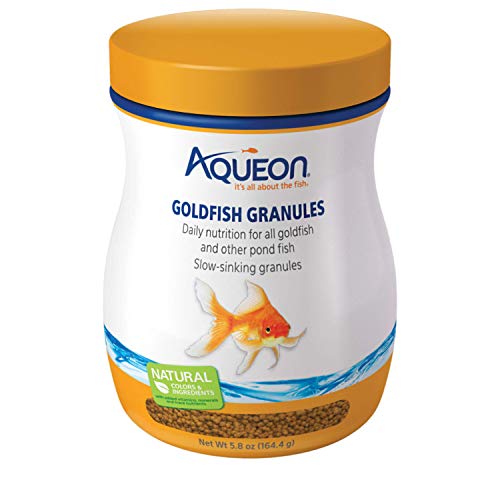
Natural ingredients and colors with added vitamins, minerals and trace nutrients

GOLDFISH FORMULATION: Specially designed for use as a staple flake food for your goldfish or small koi.

Natural ingredients and colors with added vitamins, minerals and trace nutrients
Fruit Treats: Which Fruits Are Safe for Goldfish?
Fruits that are safe for goldfish include apples, bananas, melons like watermelon, cantaloupe, and honeydew, as well as skinned grapes, pears, and oranges. Always remove seeds and peels, especially from thicker skins such as citrus, to prevent toxins. Proper preparation involves softening the fruit with heat or mashing it completely and cutting it into tiny, manageable pieces for easy ingestion. Limit fruit treats to small amounts twice daily, as they should be an occasional supplement rather than a primary food source. Watch your goldfish closely for signs of bloating or gas after feeding fruit. Remove any uneaten pieces within 10 minutes to keep the environment healthy. Incorporating proper food preparation techniques can help ensure your goldfish safely enjoys fruit treats. Additionally, understanding feeding frequency is crucial to prevent overfeeding and maintain your pet’s digestive health. Regularly monitoring goldfish digestion can help you adjust feeding habits to keep your fish healthy and happy.
Protein Snacks and Alternatives for Emergency Feeding
In an emergency situation, providing small portions of high-protein treats is essential to keep your goldfish nourished until regular food can be offered. Suitable options include brine shrimp, bloodworms, and daphnia, which are rich in protein and generally well accepted by goldfish. These treats can be fed as tiny pieces from frozen or cooked sources, with shells removed and portions kept very small to prevent water clouding or digestive problems.
Live insects such as earthworms and mealworms can add variety and are highly nutritious, but always ensure they are appropriately sized to avoid choking. Microworms are ideal for smaller goldfish and fry because of their tiny size, and they can be easily introduced into the tank. It’s important to offer these treats in moderation; overfeeding rich items like bloodworms or eggs can lead to cloudy water or upset stomachs. Softening or cooking these options makes them easier to digest and reduces choking risks, creating a safe emergency feeding routine. Additionally, feeding frequency should be carefully managed to prevent overfeeding and maintain water quality. Regularly monitoring water quality is crucial during these times to avoid environmental issues stemming from extra nutrients. Ensuring proper feeding habits can help sustain your goldfish’s health and prevent long-term problems with health or water conditions.

READY-TO-FEED BRINE SHRIMP: Non-living adult brine shrimp in a convenient liquid format. Rich aroma helps attract fish and simplify routine feeding.
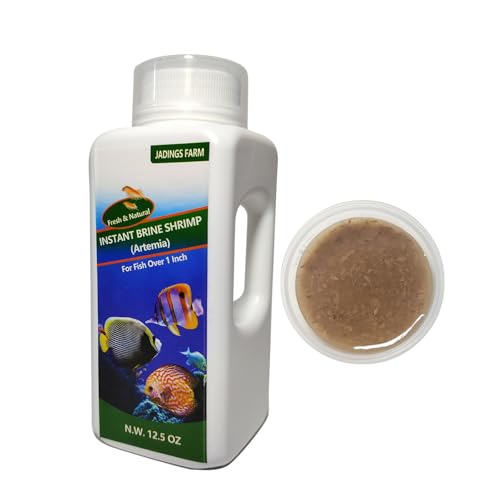
High-Protein Liquid Diet 12.5oz - Crude Protein for Muscle Growth: Ready-to-feed brine shrimp fuels development in bettas, cichlids & medium fish No prep needed Ideal staple or treat

Easy to Use. Scroll through product images to find tutuorial video for hatching.
Tips and Precautions for Feeding Goldfish Anything Beyond Fish Pellets
Feeding your goldfish foods beyond their regular pellets can be safe if done carefully and in moderation. Use only 2 to 3 tiny pieces of vegetables or treats at a time, ensuring they are cut into pea-sized or smaller pieces to prevent choking. Always cook, steam, or soften vegetables before feeding to help your fish digest them more easily. Dry foods should be soaked briefly to prevent swelling in the stomach. Introduce new foods gradually to see how your goldfish responds and to minimize digestive upset. Incorporating a variety of nutrient-rich foods can support your goldfish’s overall health and well-being. Monitoring feeding schedules and portion sizes ensures your pet receives a balanced diet without overloading their system.
Keeping an eye on water quality is essential, as uneaten food decays quickly and can pollute the tank, potentially leading to health issues. Introducing new and appropriate foods gradually can help your goldfish adapt more easily and avoid digestive distress. Offering safe, portion-controlled treats once or twice a week can support your goldfish’s health, but overfeeding or introducing inappropriate foods can lead to health problems.
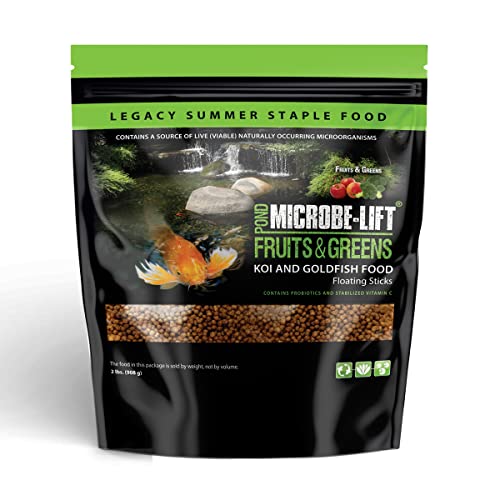
ADD VARIETY TO YOUR FISH’S DIET: Microbe-Lift Fruits and Greens Fish Food Sticks provide a change of pace for the your fish to eat; A unique product, it features a variety of fruits and vegetables that your fish will love

ADD VARIETY TO YOUR FISH’S DIET: Microbe-Lift Fruits and Greens Fish Food Sticks provide a change of pace for the your fish to eat; A unique product, it features a variety of fruits and vegetables that your fish will love
ADD VARIETY TO YOUR FISH’S DIET: Microbe-Lift Fruits and Greens Fish Food Sticks provide a change of pace for the your fish to eat; A unique product, it features a variety of fruits and vegetables that your fish will love