
Wondering what else you can feed your fish besides standard flakes and pellets? There are plenty of safe and healthy options that can diversify their diet and keep them happy.
From vegetables and fruits to high-protein treats, you can offer variety while ensuring their safety. Keep reading to learn the best ways to supplement their meals and keep your fish thriving.
What Are the Best Foods to Keep Your Fish Healthy?
Providing a balanced diet with high-quality foods is vital for keeping your fish healthy. Start with high-quality staple foods like flakes and micro-pellets that are formulated specifically for your fish’s species. These foods provide essential nutrients and are easy for fish to consume in a few minutes. Feeding only what your fish can eat within 2 to 5 minutes helps prevent water pollution caused by uneaten food.
Offering variety is also important. Incorporate frozen proteins such as brine shrimp, daphnia, or bloodworms to mimic natural diets and boost their nutritional intake. Including blanched vegetables like peas or zucchini is beneficial, especially for herbivorous or omnivorous fish, promoting digestion and preventing deficiencies. Remember, a diverse diet tailored to your fish’s natural feeding habits supports their health, growth, and longevity. Aquarium Plants can also play a role in improving water quality and creating a more natural environment for your fish. Additionally, understanding the natural feeding behaviors of your fish can help you choose the most appropriate foods and feeding schedules. Offering a range of foods can also reduce the risk of nutritional deficiencies and help replicate their natural diet, encouraging healthier behaviors.
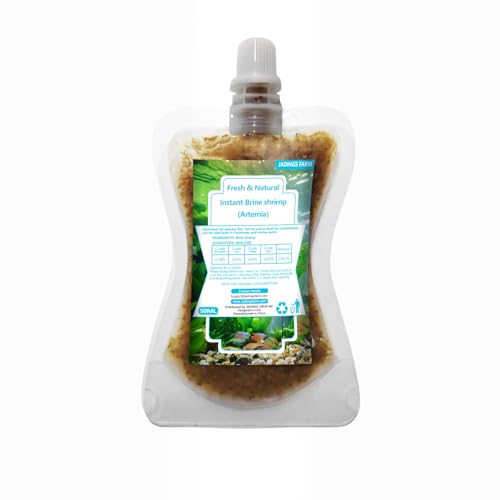
High Nutrition: 50 ml Baby brine shrimp egg is all-natural nutrient-rich food for fish. Rich in protein, vitamins and minerals. Improve fish immunity, with no additives, no chemicals and no preservatives

Ideal for Freshwater and Marine Enviorments

High Nutrition: 50 ml Baby brine shrimp egg is all-natural nutrient-rich food for fish. Rich in protein, vitamins and minerals. Improve fish immunity, with no additives, no chemicals and no preservatives
Which Vegetables and Greens Are Safe for Fish?
Most vegetables and greens are safe for fish when prepared properly. Popular options include green leafy vegetables like spinach, lettuce (preferably romaine over iceberg), kale, and dandelion greens. These should be blanched or boiled to make them easier for your fish to consume and digest. Soft vegetables such as zucchini, cucumber, squash, and broccoli are also suitable after blanching, providing a gentle texture for fish to nibble on.
Peas, green beans, and lima beans are digestible and well-accepted options for many species. Shelling or blanching these legumes increases their palatability. Root vegetables like carrots and cooked sweet potatoes can be offered in moderation, but only in small pieces to prevent water quality issues.
Focus on variety by offering different types of vegetables, including those available in aquarium plant varieties. Incorporate fish-specific dietary supplements to ensure nutritional needs are met. Proper preparation—such as peeling, chopping, and blanching—and controlling portion sizes help prevent water contamination and support overall fish health while providing essential nutrients.

Ideal For: Betta Fish, Tetras, Barbs and other small mouthed tropical fish.
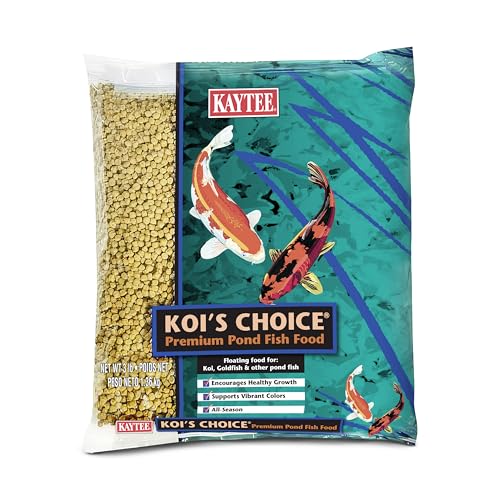
Provides necessary animal and vegetable proteins

High protein levels; consistent with the foods your fish would eat on the reef
What High-Protein Foods Are Good for Fish Species?
High-protein foods are crucial for supporting the growth and overall health of many fish species. Live or frozen options like bloodworms, brine shrimp, and daphnia are excellent choices. Bloodworms are rich in protein and available in frozen or freeze-dried forms, making them versatile for feeding various aquarium fish. Brine shrimp suit both freshwater and saltwater species, especially juveniles and picky eaters, thanks to their easy digestibility. Daphnia provide a good protein source while also aiding digestion as a natural laxative. Larger predatory fish such as oscars benefit from earthworms and black soldier fly larvae, which are not only high in protein but also sustainable. Incorporating proper feeding practices helps maintain water quality and supports the health of your aquarium ecosystem. Additionally, introducing a variety of high-quality protein sources can help prevent nutritional deficiencies and promote overall vitality in your aquatic inhabitants. It’s also beneficial to consider fish-specific dietary needs, as different species have varied nutritional requirements for optimal health.

Tropical fish food that contains up to 40%, nutrient-rich Black Soldier Fly Larvae, the first ingredient

Protein-Packed Krill Formula: Premium 100% krill and shrimp formula provide a highly palatable source of protein to support healthy growth, energy, vitality, and everyday nutrition for freshwater and tropical fish

Bottom feeder fish food that contains up to 40%, nutrient-rich Black Soldier Fly Larvae, the first ingredient
Which Fruits and Treats Can Fish Safely Eat?
Fruits that are safe for fish to eat include small, seedless watermelon pieces, ripe bananas, seedless grapes, cantaloupe, honeydew, mango, blueberries, and strawberries. These fruits should be cut into tiny, manageable pieces to prevent choking and to make them easier for fish to consume. Always remove seeds, pits, cores, and rinds, as these can be unsafe or difficult to digest. Rinsing the fruits thoroughly helps reduce any pesticide residues. Soft, ripe or cooked fruits are preferable, but their consumption should be limited to moderation—once or twice a week in small quantities—to avoid water quality issues. Fish with herbivorous diets, such as goldfish and plecos, may enjoy these treats along with plant-based foods and occasional insect snacks. Knowing which ceramic heat emitter is best for your aquatic setup can help create a healthier environment for your fish.

GREEN PAWS WILD-CAUGHT HERRING FISH PET TREATS — SINGLE INGREDIENT, MADE IN ALASKA, GLUTEN FREE, 3.5 OZ — Pure wild-caught Alaskan herring, single ingredient, gently dried and nothing else. Gluten-free, high protein, no artificial additives — 3.5 oz of the cleanest possible fish treat for dogs and cats.

AQUARIUM DIET SUPPLEMENT: Natural shrimp treat designed to supplement any Tetra staple diet foods, such as TetraMin Flakes and any TetraPro foods.

DAPHNIA TREAT: Great for all GloFish fluorescent fish
What Foods Should I Avoid to Keep My Fish Safe?
Avoid feeding your fish raw potatoes with solanine or citrus fruits, as they can be toxic or lower water pH, creating an unsafe environment. Fatty foods like greasy meats, avocados, and dairy products should be off-limits because they overload their metabolism, potentially causing bloating or ammonia spikes. Similarly, steer clear of dangerous supplements such as artificial preservatives, excessive salt, and nitrates found in deli meats and processed snacks, as these chemicals disrupt fish health and water quality. Processed foods like chips and canned goods also contain additives harmful to aquatic life. Lastly, avoid stimulants and sweeteners such as chocolate, caffeine, and sugary treats, since they can impair the nervous system or pollute the tank environment. Be cautious of aquarium-specific products that are not designed for fish, as they might contain harmful ingredients or improper dosages. Additionally, be aware that some store-bought fish foods may contain preservatives or fillers that can negatively impact your tank’s water quality. Always check ingredient lists for unknown additives that may be unsuitable for your aquatic pets.
How Do I Prepare and Feed Fish Other Foods Properly?
To prepare and feed fish other foods properly, start by thoroughly rinsing produce to remove dirt and pesticides. Peel hard-skinned vegetables if needed to make them easier for your fish to consume. Briefly blanch or steam vegetables to soften them, which aids digestion, then let them cool completely before offering. Cut the food into tiny pieces that match your fish’s mouth size, especially for fry or small species, to prevent choking or uneaten leftovers.
Feed only small portions that your fish can consume in about 2 to 3 minutes. Adjust the amount based on how much they eat and their behavior, avoiding overfeeding which can pollute the water. Incorporate alternative foods once or twice a week, alternating between plant-based options and protein-rich sources to ensure balanced nutrition. Remove any uneaten food within five minutes to maintain water quality and prevent debris buildup.
Consistent proper preparation and controlled feeding routines help keep your fish healthy and the environment clean. Additionally, understanding the feeding schedule suitable for your specific fish species can promote longer-term health and prevent common issues like obesity or malnutrition. Providing a variety of foods also helps prevent nutritional deficiencies, supporting overall vitality in your aquatic pets.