
If you’ve ever wondered how to keep your aquatic plants healthy and thriving, you might have heard about root tabs. These small fertilizer tablets deliver nutrients directly to your plants’ roots, helping them grow strong and vibrant.
Using the right amount and placement makes all the difference, and this guide will show you exactly how to do it effectively.
What Are Root Tabs and How Do They Work?
Root tabs are small, concentrated fertilizer tablets designed to deliver nutrients directly to the roots of aquatic plants. When placed into the substrate near heavy root feeders, they slowly release essential nutrients over time, supporting healthy and robust growth. Proper placement—typically 1 to 2 inches below the substrate surface and spaced 4 to 6 inches apart—ensures roots can effectively absorb the nutrients. As the tablets dissolve gradually, they provide a consistent nutrient supply without overwhelming the water column. This targeted approach helps prevent excess nutrients from dispersing throughout the tank, reducing the risk of algae overgrowth caused by nutrient imbalance. Using root tabs helps maintain water clarity, supports strong plant development, and minimizes nutrient runoff, making them an efficient tool for focused aquatic plant nutrition. Additionally, understanding aquarium heater options can help create a stable environment for both plants and fish. Proper use of fertilizer tablets can enhance overall tank health and growth.

GROWTH TREATMENT: Seachem Flourish Tabs are growth stimulating tablets for plant roots which contain essential trace elements, amino acids, and vitamins.

GROWTH TREATMENT: Seachem Flourish Tabs are growth stimulating tablets for plant roots which contain essential trace elements, amino acids, and vitamins.
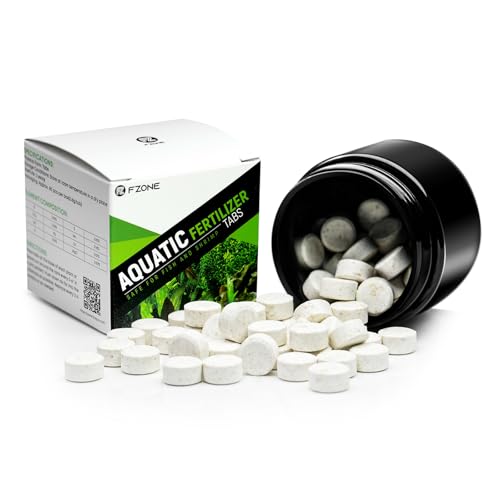
Optimized NPK Ratio (1 : 0.3 : 2.6):FZONE root tabs feature a low-nitrogen, low-phosphorus, high-potassium formula that helps maintain stable water quality while fueling strong plant growth. Designed for freshwater aquariums, they support lush crypts, vibrant sword plants, and dense carpeting plants. Safe for all fish and shrimp.
The Key Nutrients in Root Tabs and Why They Matter
Certain nutrients are prioritized in root tabs because they directly influence your plant’s ability to absorb nutrients and develop strong roots. Macronutrients such as nitrogen promote lush leaf and stem growth, while phosphorus is essential for energy transfer and encourages root expansion. Potassium plays a vital role in overall plant health, supporting processes like water regulation and disease resistance. Many root tabs release these nutrients gradually over periods of 30 to 90 days, providing a consistent nutrient supply right where roots are most active—especially in inert substrates like sand or gravel that lack natural nutrients. Additionally, understanding water parameter stability is crucial for maintaining healthy root development, as fluctuating water conditions can hinder nutrient uptake. The effectiveness of nutrient absorption can also be influenced by substrate composition, as different materials can either trap or release nutrients more effectively. Micronutrients, including iron, manganese, magnesium, zinc, and molybdenum, are equally important. They help strengthen chlorophyll production, enhance vibrant coloration, and activate enzyme functions necessary for healthy growth. Some formulas also include amino acids and vitamins to further stimulate root development and improve plant resilience. Incorporating soil health into your plant care routine promotes better nutrient uptake and overall vitality. This slow, localized delivery minimizes nutrient runoff and loss, ensuring your plants access exactly what they need for vigorous and vibrant root growth over time.
Where and How to Properly Place Root Tabs for Best Growth
Proper placement of root tabs is crucial for optimal plant growth. Bury the tabs about 2 to 3 centimeters below the substrate surface, and slightly deeper if your substrate is thicker, to prevent nutrient leaching. Position each tab close to the plant’s root zone, roughly 2 to 3 centimeters from the base, ensuring they do not contact the delicate crowns of the plants. Maintaining consistent spacing—around 15 centimeters apart or arranged in a grid—helps distribute nutrients evenly across dense plantings. For larger or spreading plants, place the tabs in a ring around the root zone or along the path of upcoming growth. Insert the tabs firmly into the substrate with minimal disturbance and cover them completely to keep nutrients concentrated where they are needed most.

TARGETED ROOT-ZONE NUTRITION – ThriveCaps deliver nutrients directly into the aquarium substrate, providing rooted aquatic plants with nutrition where their roots can access it.

COMPLETE ROOT NUTRITION – ThriveTabs provide NPK plus magnesium, iron and essential micronutrients directly in the substrate for rooted aquarium plants.
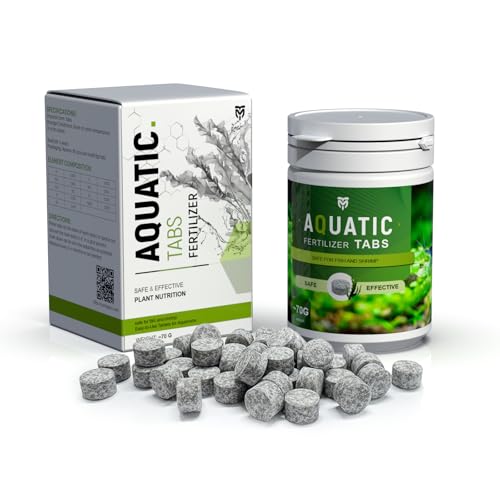
Complete Root Nutrition for Thriving Plants:Essential nutrients including nitrogen, phosphorus, potassium, and trace elements are delivered directly to plant roots, supporting stronger root systems, healthier leaves, and vibrant, long-lasting plant growth.
How Much to Use and When to Replenish Root Tabs
The amount of root tabs you should use depends on your tank size and plant density. For a 10-gallon tank with standard plantings, placing about 6 to 8 tabs initially is typical. Larger tanks will require proportionally more, often 1 to 2 tabs per additional 10 gallons. Dense plantings need more frequent or closer placement, about every 4 inches, to ensure roots receive enough nutrients. In contrast, sparser arrangements may only need fewer tabs around every 8 inches. Using aquarium plant care techniques can help optimize nutrient delivery and plant growth. Proper nutrient management is essential for maintaining healthy plants and an attractive tank. Replenishing root tabs generally happens every 4 to 12 weeks. Since substrate type influences nutrient retention, inert substrates, like plain gravel or sand, tend to require more frequent supplementation because they lack nutrients. Nutrient-rich aquasoils last longer and may need replenishment closer to the 12-week mark. Keep an eye on your plants for signs of nutrient deficiency, such as yellowing or stunted growth, and adjust your dosing accordingly. Regular observation helps ensure your plants stay healthy and your substrate remains well-fed.
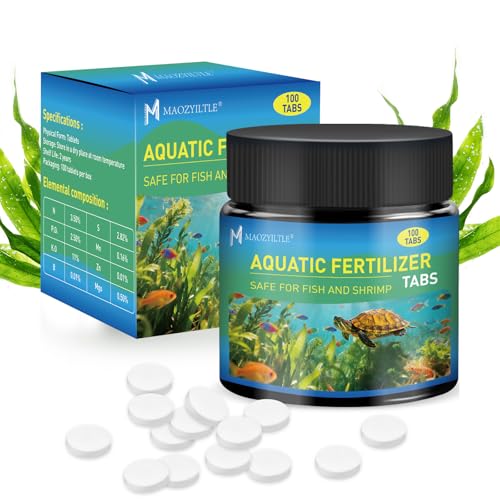
Note for First-Time Use: For your initial application, start with 80% of the recommended dose first. After monitoring the growth condition of your aquatic plants for a period, adjust to the full recommended dose. The recommended dose refers to placing 1 root tab with a minimum 5-inch spacing on the tank bottom: 5 tabs for 5-gallon tanks, 10 tabs for 10-gallon tanks. You can increase or decrease 1-2 tabs based on the density of your planted aquatic plants.

First-Time Use Guide: For your initial application of root tabs freshwater aquarium plant fertilizer, start with 80% of the recommended dose first. After monitoring the growth of your live aquarium plants for a period, adjust to the full recommended dose. The recommended dose for aquarium root tabs is placing 1 tab with a minimum 5-inch spacing on the tank bottom: 5 tabs for 5-gallon tanks, 10 tabs for 10-gallon tanks. You can increase or decrease 1-2 root tabs for aquarium plants based on the density of your planted aquarium plants live.

【Novique Root Tabs】: Aquarists often face challenges such as liquid fertilizer easily diluting and causing algae to proliferate, water plants lacking nutrients grow poorly, the bottom bed of a newly set aquarium lacks sufficient nutrition, and the maintenance process is cumbersome with high costs, and the water quality is prone to imbalance. This Root Tabs directly address these core pain points. With a scientific formula, it precisely supplies nutrients to ensure the growth of water plants.
Benefits of Using Root Tabs for Aquatic Plant Health
Root tabs provide direct nutrient delivery right at your plants’ roots, making sure they absorb essential nutrients efficiently. This targeted approach minimizes nutrient waste in the water column and helps address deficiencies in nutrients like nitrogen, phosphorus, potassium, iron, and trace elements. By placing these nutrients close to the roots, you promote stronger root systems that support better plant establishment and growth. Additionally, using water conditioner salt can help maintain the overall health of your aquatic environment. In inert substrates such as gravel or sand, where nutrients are scarce, root tabs are especially effective. They encourage healthier leaf development and overall plant robustness by maintaining a consistent supply of nutrients over time. Proper plant placement is also key to maximizing nutrient absorption and growth efficiency. This efficiency is critical for maintaining a balanced aquarium environment and preventing nutrient buildup that can harm aquatic life. For aquariums with low-nutrient substrates or a variety of aquatic plant species, root tabs offer a reliable, controlled way to feed rooted plants directly at the root zone, reducing algae growth and ensuring healthier, more vibrant aquatic plants.
Troubleshooting Common Root Tab Issues and Tips
If your root tabs are not distributing nutrients effectively or causing issues in your tank, the problem often lies in incorrect application or environmental factors. Overdosing nutrients can lead to imbalances, such as nitrogen overdose, which manifests as yellowing leaves on your plants. To prevent this, use one root tab for every 4 to 6 inches of substrate and reduce the frequency of fertilization if you notice plant stress. Poor water movement may also hinder proper nutrient distribution; switching to a liquid fertilizer can help ensure even nutrient delivery. Ensuring proper substrate placement and avoiding disturbance during insertion can improve nutrient accessibility for your plants. Selecting root tabs that are low in cloudiness minimizes algae growth and maintains water clarity. Avoid scattering the tabs on the surface, as this can promote algae and disturb the environment. Regular water changes are essential to dilute excess nutrients and prevent blooms. Proper insertion involves creating small holes in the substrate for the tabs, which helps secure them and prevents floating or uneven distribution. Additionally, avoid over-stocking in small tanks and plan timely replacements to keep nutrient levels balanced. Maintaining the right light and CO2 levels further supports healthy plant growth and water quality, reducing the risk of algae problems related to nutrient imbalances. Proper monitoring of nutrient levels can help identify and address deficiencies or excesses before they cause visible problems in your aquarium.

Vacuumed sealed in packs of 25 to preserve freshness and keep moisture out. 50 Count slow release root fertilizer tablets Promotes strong root development for lush plants in...