
Have you ever wondered whether you should be more concerned about UVA or UVB rays when protecting your skin? Both types of UV radiation cause different kinds of damage, and knowing how to shield yourself is key to staying safe in the sun.
By understanding their effects, you can make smarter choices about SPF, clothing, and shade. The next sections will help you get fully protected.
What Are UVA and UVB Rays and How Do They Differ?
UVA and UVB rays differ primarily in their wavelength, energy, and the effects they have on your skin. UVA rays have longer wavelengths, ranging from 315 to 400 nanometers (nm), and carry lower energy. They make up about 95% of the UV radiation that reaches Earth’s surface and penetrate deeper into the skin, contributing to skin aging and pigmentation changes over time. UVB rays have shorter wavelengths, between 280 and 315 nm, and possess higher energy levels. Although less UVB reaches the Earth—around 5%—it is primarily responsible for causing sunburns and direct skin damage, especially on exposed areas. UVA rays are present year-round and penetrate clouds and glass, while UVB rays peak around midday and are more strongly absorbed by the ozone layer. Both types can harm your skin, but their effects differ significantly, which highlights the importance of comprehensive sun protection. Understanding UV penetration helps clarify why protection from both types is important for skin health. Additionally, UV absorption by the atmosphere varies with altitude and environmental conditions, influencing exposure levels.
How Do UVA and UVB Penetrate the Skin and Cause Damage?
UVA and UVB rays penetrate the skin at different depths because of their distinct wavelengths, which determine how they cause damage. UVA’s longer wavelength allows it to reach deeper into the skin’s layers, penetrating the dermis and even the subcutis. This affects connective tissues, collagen fibers, and blood vessels, contributing to skin aging and loss of elasticity over time.
UVB rays have a shorter wavelength, which limits their penetration mainly to the outermost skin layer, the epidermis. This results in surface-level injuries like sunburn and direct DNA damage to skin cells, increasing the risk of mutations that can lead to skin cancer. Understanding these differences in how UVA and UVB rays reach and impact various skin layers helps explain why protecting your skin from both types is essential.
What Effects Do UVA and UVB Have on Your Skin?
UVA and UVB rays impact your skin in different ways, resulting in distinct visible and structural effects. UVA rays penetrate deeper into the skin, causing gradual changes in texture, elasticity, and hydration. Over time, this can lead to sagging and a dull appearance. UVA also quickly darkens existing melanin, producing a short-lived tan that fades fast. In addition, it contributes to oxidative damage and collagen breakdown, which accelerates skin aging. Both UVA and UVB rays can cause cellular injury, affecting skin health at various depths. UVB rays mainly affect the outer layers of your skin, triggering sunburns and inflammation. They stimulate the production of new melanin, leading to a tan that lasts longer. UVB damages skin cells directly by harming DNA, increasing the risk of skin cancer. Both UVA and UVB influence pigmentation and can cause cellular injury, but UVA primarily affects deeper tissue health while UVB impacts the surface integrity of your skin.
How Do UVA and UVB Contribute to Skin Aging and Skin Cancer?
UVA and UVB rays both contribute to skin aging and skin cancer, but they do so through different mechanisms and target different skin layers. UVA penetrates deep into the dermis, where it causes oxidative stress that damages lipids, proteins, and DNA. This accelerates photoaging, leading to wrinkles and loss of skin elasticity. UVA exposure also increases enzymes called matrix metalloproteinases (MMPs), which break down collagen, further weakening skin structure. Additionally, UVA can injure fibroblasts—the cells responsible for maintaining skin firmness—and suppress immune responses, raising the risk of skin cancer. [Understanding the specific effects of UVA and UVB can help in selecting effective sun protection strategies and waterproof sunscreens.](https://www.example.com/uv-protection) UVB rays primarily affect the outermost skin layer, the epidermis. They cause sunburn, directly damage DNA, and trigger inflammation. These DNA mutations are a key factor in the development of skin cancer and can also contribute to premature skin aging. Both UVA and UVB exposure accumulate over time, and consistent sun protection is crucial to minimize long-term skin damage and health risks.
When Is the Most Important Time to Use Sun Protection During the Day?
The most important time to use sun protection is during the peak UV hours from around 10 a.m. to 4 p.m., with solar noon—typically two hours before and after midday—being when UV radiation is at its strongest. During this period, UV levels are highest, and the sun’s rays are more intense, increasing your risk of skin damage. Short shadows cast by objects indicate a high solar altitude and stronger UV radiation, so it’s best to limit outdoor activities or seek shade during these hours. Applying broad-spectrum sunscreen 20 to 30 minutes before going outside and reapplying every two hours, especially if you are swimming or sweating, is essential to maintaining protection. Planning outdoor activities for early mornings or late afternoons when UV levels are lower helps reduce skin exposure and damage. Proper sun safety also includes wearing protective clothing and seeking shade during peak hours to minimize UV damage. Knowing UV index levels can help you better plan your outdoor time and take appropriate UV radiation precautions. Additionally, understanding how UV levels change throughout the day can help you make more informed decisions about safe sun exposure.
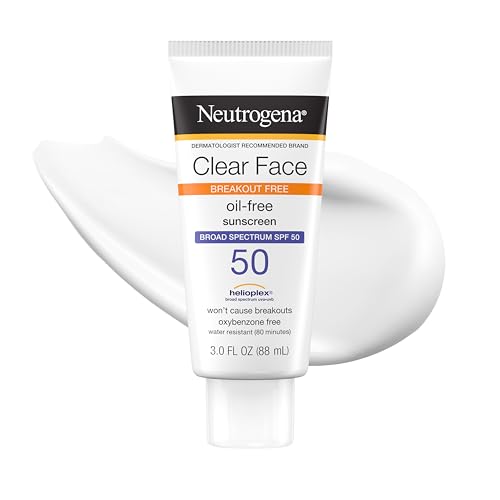
Designed for acne-prone skin: Broad spectrum SPF 50 facial sunscreen formulated for oily and sensitive skin and reliable UVA/UVB protection while helping keep pores clear and skin looking shine-free

POWERFUL MINERAL SUNSCREEN - Protect sensitive skin from the sun’s harmful rays with Blue Lizard Sensitive Mineral SPF 50 Sunscreen Lotion it contains no harsh chemical active ingredients that might irritate sensitive skin.

POWERFUL SPF 55 BROAD SPECTRUM PROTECTION: Ultra Sheer Dry-Touch SPF 55 delivers high-performance UVA/UVB defense with Helioplex Technology, helping protect skin from sunburn while supporting a healthy-looking, radiant complexion.
What’s the Best Way to Protect Your Skin From UVA and UVB?
To effectively protect your skin from UVA and UVB rays, combine generous sunscreen application with other protective measures. Use about one ounce of broad-spectrum sunscreen for full-body coverage, applying it at least 30 minutes before heading outdoors. Reapply every two hours, or immediately after swimming or sweating, to ensure continuous protection.
Cover frequently missed areas such as ears, neck, tops of the feet, and lips—use SPF lip balm. Wearing protective accessories like wide-brimmed hats, UV-protective sunglasses, and clothing rated with a UPF of 30 or higher can drastically cut UV exposure. Dark-colored, tightly woven fabrics provide better defense than light or loosely woven ones. Combining thorough sunscreen use with these accessories offers the most comprehensive shield against UVA and UVB damage.
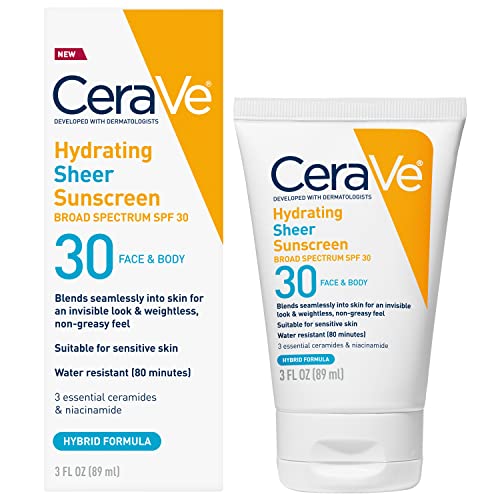
[ FACE SUNSCREEN & BODY SUNSCREEN WITH SPF 30 ] CeraVe sunblock helps protect your skin against harmful UVA and UVB rays while delivering all day hydration with a water resistant formula (up to 80 minutes). UVA rays cause aging. UVB rays cause burning.

BLACK GIRL SUNSCREEN - Made by women of color, for people of color. This lightweight, broad spectrum sunscreen lotion hydrates, protects, and provides a glowing finish to the skin

HAWAIIAN TROPIC SUNSCREEN LOTION SPF 30 with an Ultra Radiance SPF that leaves skin luminous
How Do Sunscreens Provide Broad-Spectrum Protection?
Sunscreens provide broad-spectrum protection by combining physical and chemical filters to block both UVA and UVB rays. Mineral filters like zinc oxide and titanium dioxide act as physical barriers, reflecting and scattering UV radiation from both types. Chemical filters absorb specific wavelengths of UV light, reducing skin exposure to harmful rays. Effective broad-spectrum sunscreens carefully blend these ingredients to ensure comprehensive coverage. The label “broad-spectrum” indicates this dual protection, which is essential for thorough sun safety. Understanding how filters work can help consumers make informed choices about their sun protection strategies. Proper application and frequent reapplication are key to maintaining the sunscreen’s effectiveness and preventing skin damage from prolonged sun exposure.

POWERFUL MINERAL SUNSCREEN - Protect sensitive skin from the sun’s harmful rays with Blue Lizard Sensitive Mineral SPF 50 Sunscreen Lotion it contains no harsh chemical active ingredients that might irritate sensitive skin.

[ BROAD SPECTRUM SUNSCREEN FOR BODY SPF 50 ] 100% Mineral-based sunscreen, also known as a physical sunscreen, reflects UVA/UVB rays to help protect the skin. Formulated with titanium dioxide and zinc oxide sunscreen. Developed with dermatologists.

CLEAR SUNSCREEN FOR FACE: This lightweight face sunscreen with transparent Zinc Oxide provides broad spectrum SPF 46 protection and helps protect normal and sensitive skin types from UVA and UVB damage without leaving white cast residue behind
Why Protective Clothing Enhances Your Sun Safety Routine?
Protective clothing significantly boosts your sun safety by physically blocking UVA and UVB rays from reaching your skin. Longer sleeves, long pants, and fabrics with UPF ratings are now popular choices because they provide consistent coverage. Fabric tightness is also crucial: tightly woven synthetic fabrics like polyester offer better UV protection than loose or loosely woven materials. Darker colors and denser fibers further enhance protection, making your outfit more effective against UV rays. Additionally, clothing with specialized UV protection fabrics can provide even greater defense against harmful rays. Incorporating sun protective clothing** into your routine creates a more comprehensive defense against harmful UV exposure. This layered approach, combining stylish and durable garments with other sun safety steps, creates a more comprehensive defense against harmful UV exposure. Being aware of different UVA and UVB rays** and their effects helps in selecting the most effective protective clothing.

Polyester Material, Lightweight, Quick Dry, Moisture Wickingand Comfortable

Sun Protection: The fabric rating UPF 50+ protects your skin from the harmful UVA/UVB rays, keeping you cool and comfortbale while outdoors in the direct sunlight.

SUN PROTECTION: UPF 50+ rated fabric blocks harmful UV rays while keeping you cool and comfortable during outdoor activities
Can Clouds and Windows Block UV Rays?
Cloud cover does not completely block UV rays, so you can still be exposed even on overcast days. Dense clouds or fog can block most UVB rays, but some UVA rays still reach the ground through scattering and transmission. Heavy overcast can allow between 30% to 70% of UV rays to penetrate. Partly cloudy skies may actually increase UV exposure by up to 30%, due to UV scattering at the edges of clouds. Additionally, UV rays can penetrate clouds and glass, so consistent sun protection is necessary even when it seems less sunny outside. Recognizing how material properties affect UV transmission can help you better understand exposure risks indoors and outdoors. It’s important to remember that UV exposure can vary based on environmental conditions and protective barriers.
How to Choose the Right Sun Protection Based on Your Skin and Activities?
The best sun protection for you depends on your skin type and outdoor activities. If you tend to burn easily or have fair skin, choose a broad-spectrum sunscreen with SPF 30 or higher. For those with darker skin tones who may tan more easily, SPF 15-30 often provides adequate protection for daily use. When planning extended outdoor activities, especially near water or on hot days, opt for higher SPF formulas like 50+ and consider water-resistant options to maintain protection during sweating or swimming.
Reapplying sunscreen every two hours is crucial, particularly if you’re active or sweating. Remember that broad-spectrum sunscreens protect against both UVA and UVB rays, which can cause skin aging and damage. Don’t rely solely on clothing or accessories; while UPF-rated clothing, hats, and sunglasses add extra defense, they should complement your sunscreen use. Be aware of misconceptions, such as dark clothing blocking UV rays—only tightly woven, UV-protective fabrics provide significant coverage.
Ingredients also matter; mineral sunscreens with zinc oxide or titanium dioxide offer physical barriers, while chemical filters absorb UV rays. Assess your activities and skin sensitivities to select a product that suits your needs best. Understanding that UV protection measures can vary based on your environment and clothing choices is important for comprehensive sun safety. When in doubt, a higher SPF combined with proper application and reapplication offers the most effective defense against sun damage.

SPF sun protection: Oil-free broad spectrum SPF 50 sunscreen spray with Helioplex technology that delivers UVA/UVB protection from sunburn and harsh summer elements
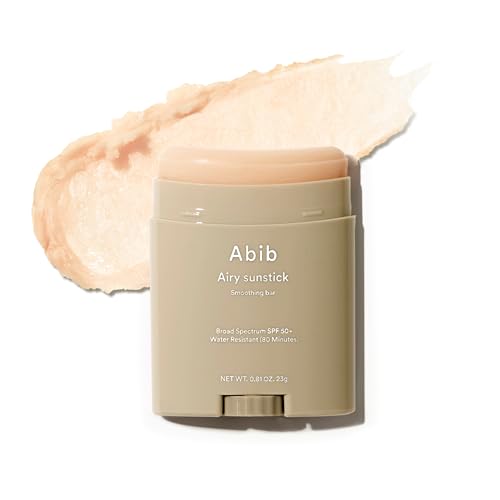
[SPF50+ Broad Spectrum Protection] Helps protect skin from UVA & UVB rays with high SPF50+, supporting daily sun defense while maintaining a comfortable skin condition.

SPF sun protection: Broad spectrum SPF 70 sunscreen lotion with Helioplex technology that delivers UVA/UVB protection from sunburn and harsh summer elements