
Getting your aquatic or reptilian pets to thrive starts with knowing what to feed them. There are many options, like flakes, pellets, frozen foods, and gels, each suited to different species and environments.
Choosing the right type ensures your pets stay healthy and active. Keep reading to learn how to optimize their diets for long-lasting vitality.
Understanding Your Fish and Reptile’s Natural Diets
Understanding your fish and reptile’s natural diets is essential for providing proper nutrition and promoting their overall health. Identifying whether they are carnivores, herbivores, or omnivores guides your food choices and helps maintain a clean environment in the enclosure or aquarium. Carnivorous species prefer live or frozen prey like bloodworms and brine shrimp, which trigger their hunting instincts and stimulate activity. Herbivores rely on algae, plants, and vegetables such as spinach or zucchini to support healthy digestion and prevent bloating. Omnivores need a balanced mix of both, including high-quality flakes and frozen foods, to meet their nutritional needs. Adjusting feeding frequency according to their dietary requirements is key—fry and small species typically eat more often, sometimes multiple times daily, while mature animals may eat less frequently, about every other day. Properly matching their natural diets ensures they receive the necessary nutrients, reduces waste buildup, and fosters healthy growth. Additionally, understanding their feeding behavior in the wild can help replicate their natural eating patterns in captivity for optimal health. Recognizing the importance of dietary diversity can also prevent nutritional deficiencies and promote overall well-being.
Exploring Different Types of Fish Food and Their Benefits
Flake food is an ideal choice for small to medium-sized fish and surface feeders because it floats before breaking apart. It provides a well-rounded daily diet, offering essential nutrients and vitamins. However, relying solely on flake food can limit dietary variety, so supplementation with other types of food is recommended to ensure optimal fish health. Additionally, aquarium quality fish foods can enhance overall health and water quality. Incorporating a variety of nutrient-rich foods can also promote better coloration and vitality in your fish. Using appropriate feeding amounts is crucial to prevent overfeeding and maintain water clarity.

Contains one (1) API BETTA FLAKES Fish Food .36-Ounce Container

Premium Formula One Flakes: Our Formula One Flake fish food flakes are made in the USA using all-natural ingredients, including salmon, brine shrimp, and seafood plankton. Ideal for carnivorous and omnivorous fish food, these flakes provide balanced nutrition for all marine tropical fish.

Contains one (1) API TROPICAL FLAKES Fish Food 1.1-Ounce Container
Matching Fish Diets to Species and Habitats
Matching your fish’s natural feeding habits and habitat is essential for choosing the right diet. Surface feeders do best with floating flakes because these stay at the top of the water, mimicking their natural feeding style. Midwater or mid-level feeders thrive on sinking granules or pellets that remain accessible in the middle of the tank. Bottom feeders require sinking wafers or tablets to reach the substrate, aligning with their natural habit of scavenging at the bottom.
Matching food to your fish’s habitat also reduces competition among tank inhabitants and encourages natural feeding behaviors. Keep in mind, tank conditions like filtration and water pH influence how your fish digest and absorb food. Herbivorous species often need vegetable-based foods, while carnivores benefit from diets high in protein. Selecting appropriate foods based on habitat and diet type supports your fish’s health, minimizes waste, and maintains stable water quality.
Choosing the Best Food Format for Your Pets
Choosing the right food format can significantly impact your fish’s health and feeding habits. Flakes are best for surface feeders; they float at the top and are easy for fish to pick up. Pellets sink slowly and suit mid-water and bottom feeders, providing dense nutrition without clouding the water. Wafers and sticks are slow-sinking options ideal for plecos and catfish, helping prevent overfeeding at the surface. Frozen and freeze-dried foods are high in protein and match the dietary needs of species with wild feeding instincts, offering freshness and nutrition. Gels are a customizable, moist format tailored for specific fish types, especially in complex tanks. Selecting the appropriate salt for your water conditioner can help maintain optimal water quality for healthy aquatic environments. Always match the food format to your fish’s natural behavior and your aquarium setup. This ensures easier digestion, maintains water quality, and supports overall health.

Natural Liquid Brine Shrimp Fish Food for Safe Daily Feeding: Made with premium UV-sterilized brine shrimp, this liquid fish food provides a clean and convenient alternative to live brine shrimp cultures. Rich in natural protein and essential nutrients, it supports healthy growth, vibrant coloration, and active feeding behavior for tropical fish, fry, and marine species.
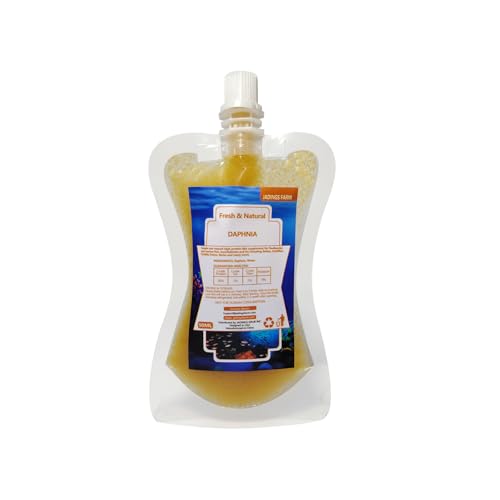
High Nutrition: 50 ml Baby brine shrimp egg is all-natural nutrient-rich food for fish. Rich in protein, vitamins and minerals. Improve fish immunity, with no additives, no chemicals and no preservatives
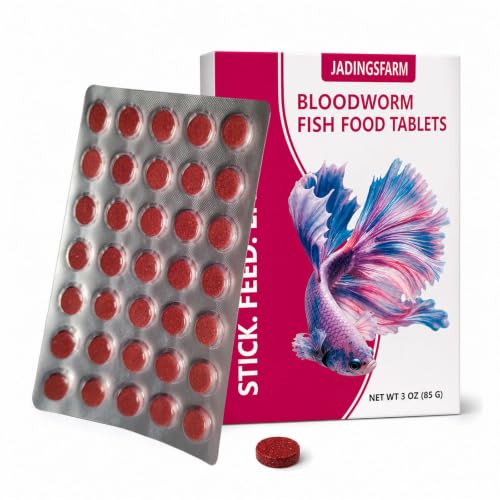
Made with Real Bloodworms for Natural High-Protein Nutrition: Made with real bloodworms to provide a natural source of highly digestible protein that supports healthy growth, vibrant coloration, and everyday vitality. A nutritious daily food and rewarding treat for bettas, guppies, goldfish, and many other tropical freshwater aquarium fish.
Setting Up Effective Feeding Schedules and Techniques
Establishing an effective feeding schedule involves providing food once or twice daily, usually 8 to 12 hours apart, such as in the morning and evening. Most aquarium fish thrive with this routine, but you should adjust the frequency based on species, age, and metabolism. For example, adult tropical fish often need to be fed twice a day, while fry may require three to six small feedings daily. Use portion control by offering only what your fish can consume within 2–3 minutes to prevent excess waste. Watch their feeding behavior: start with small amounts and increase if they actively search for food. Remove any uneaten food within five minutes to help maintain water quality. Incorporating variety into their diet and occasionally fasting can support healthy digestion and keep your schedule adaptable to your fish’s needs. Additionally, understanding the feeding schedule can help ensure they receive optimal nutrition without compromising water conditions. It’s also important to recognize that some fish can go without eating for a short period, which can be useful during maintenance or when adjusting to new diets. Being aware of eating habits can help prevent overfeeding and promote overall health.

Easily Setup & 3 Kinds Smart Interval Feeding Modes: The Aoyar automatic fish feeder has 3 fixed feeding modes,just press the button on the settings page,it will automatically rotates feeding every 8/12/24 hours.Easily operation.You also can feed fish at any time via manaual modes ,enjoy the fun of feeding fish in your leisure time.(Small fish are recommended feeds every 24 hours).

UP TO 14 SCHEDULED MEALS: Delivers 1 to 4 timed meals per day with capacity for up to 14 individual portions, making it ideal for daily routines, weekends away, or short vacations

Smart Interval Mode: Easily set the feeding intervals by pressing the "▲" or "▼" button. Choose from 8 hours, 12 hours, 24 hours, or 48 hours to automatically spin the feeder once for each feeding cycle
Using Suppplements and Vegetables to Balance Your Fish and Reptile Diets
Using vegetables and supplements thoughtfully ensures your fish and reptiles receive vital nutrients that might be missing from their herbivorous diets. Calcium and vitamin supplements are especially crucial for herbivorous reptiles to prevent deficiencies that can affect bone development and overall health. Powdered multivitamins sprinkled onto food once or twice weekly help maintain a balanced nutrient profile. It’s important to keep the calcium to phosphorus (Ca:P) ratio at a minimum of 1.5 to 2:1, which supports healthy bone growth and metabolism. Additionally, understanding the importance of aquarium nutrient balance can help optimize their overall health. Dark green vegetables like collard greens, mustard greens, and romaine lettuce should form the core of their diet, making up about 40 to 60 percent of their intake. These vegetables are rich in essential nutrients like calcium, vitamin A, and fiber. Squash, zucchini, and broccoli also contribute valuable nutrients without high oxalate levels, reducing the risk of kidney stones in reptiles. Incorporating nutrient-rich vegetables into your feeding routine can further enhance their health benefits, especially when selecting options with appropriate oxalate content. Proper use of supplements and vegetable choices is key to keeping your fish and reptiles healthy, active, and thriving.

Highly bio-available source of calcium carbonate

Overall Health

This product is easy to use