
If you’re struggling to keep nitrate levels in check for your reef tank, you’re not alone. Too much nitrate can harm your corals and fish, but there are straightforward steps to bring it back into balance.
By adjusting feeding routines, improving filtration, and performing regular water changes, you can maintain healthy nitrate levels. Keep reading for a complete guide to managing nitrates effectively.
How to Lower Nitrate Levels in Your Reef Tank
To lower nitrate levels in your reef tank, focus on reducing nutrient sources and increasing removal methods. Start by limiting feeding to small portions and using rinsed frozen foods, which help minimize leftover food that decays into nitrates. Regularly clean filter socks, sponges, and vacuum the sandbed to remove trapped waste before it decomposes, supporting mechanical export. Perform weekly water changes of 10 to 20 percent with nitrate-free water to dilute existing nitrates quickly. Additionally, support biological export by maintaining macroalgae refugiums and encouraging denitrifying bacteria in deep sand beds or live rock. These actions help reduce organic buildup and slow nutrient cycling, preventing excess algae growth and promoting a healthier reef environment. Monitoring nitrate levels regularly to track progress and identify any spikes early is also essential for effective nitrate management. Proper testing and understanding water parameter levels can help you make informed adjustments and maintain a stable environment. Incorporating nitrate removal techniques such as activated carbon or reactor media can further enhance nitrate reduction efforts. Employing efficient filtration methods can significantly improve nutrient export and overall water quality.
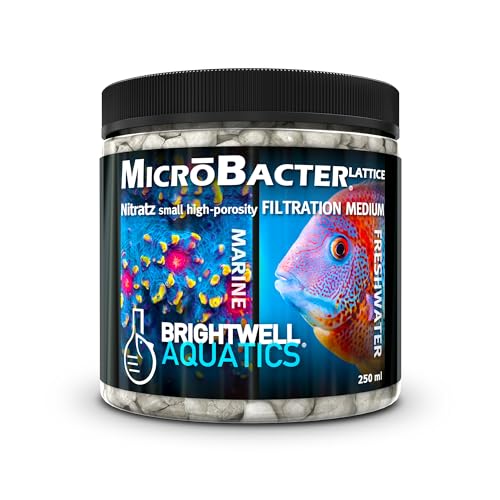
High porosity filter medium for use in ponds and large marine, brackish, or freshwater aquariums; small size.

MADE FOR ALL FILTRATION NEEDS: Our 10” x 18” Nitrate Reducer Aquarium Filter Pads are infused with natural mineral powder, and are made to be trimmed and shaped to fit your filtration needs. These pads are designed for freshwater and saltwater aquariums, as well as outdoor ponds!

FOR HEALTHY, THRIVING AQUARIUMS: Promote optimal water quality in your Saltwater aquariums and Freshwater or Reef fish tanks with NP-Active Pearls Media Reactors from DrTim’s Aquatics. This 100% natural solution eliminates messy, unsightly algae.
Test Your Nitrate and Set Realistic Goals
Accurate testing is essential for setting realistic nitrate goals in your reef tank. Testing weekly or after major husbandry changes provides a reliable nitrate baseline, helping you avoid misreadings that could mislead your targets. Follow test-kit instructions meticulously, paying attention to sample volume, reagent handling, timing, and mixing procedures. Inconsistent testing leads to unreliable results, which hinder goal setting and progress tracking. Proper nitrate management supports coral thriving and fish well-being. Healthy reef tanks typically maintain nitrate levels between 3 and 15 ppm, with some setups accepting up to 5 ppm. Instead of aiming for zero nitrate, focus on establishing stable, manageable levels that match your specific livestock, feeding habits, and nutrient control strategies. Regularly monitoring water chemistry ensures you stay informed about fluctuations that could impact your tank’s health. To enhance your understanding, conducting proper testing procedures helps ensure your readings are dependable and actionable. Monitoring test accuracy and adhering to best practices helps ensure your readings are dependable and actionable. Always interpret nitrate results alongside phosphate levels to maintain balanced reef nutrient conditions. Setting realistic, steady goals ensures you support the health and growth of your corals and other inhabitants.
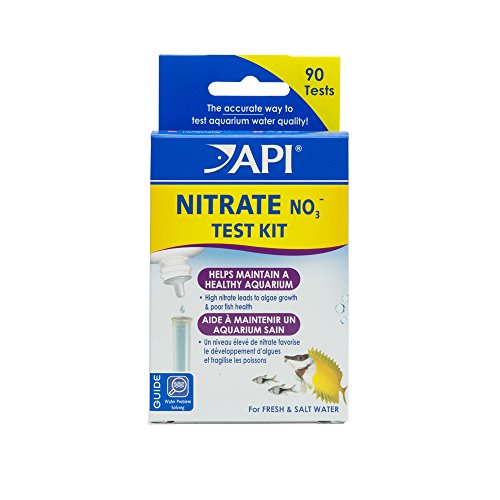
Contains one (1) API NITRATE 90-Test Freshwater and Saltwater Aquarium Water Test Kit, including 2 bottles of testing solution, 2 color cards and 1 test tube with cap
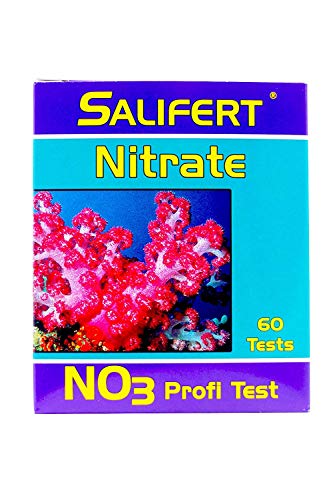
Premium liquid test kit for precise nitrate measurement in aquariums
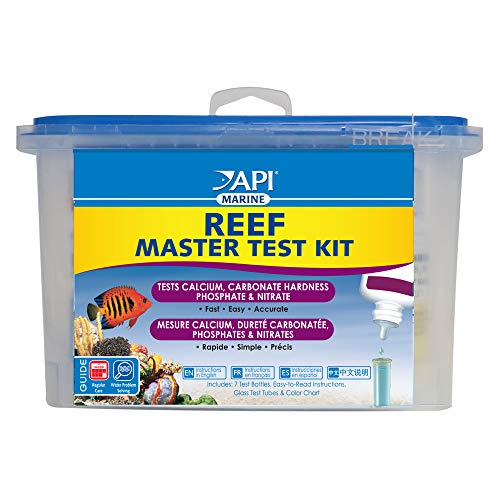
Contains one (1) API REEF MASTER TEST KIT Reef Aquarium Water Test Kit 1-Count, including 7 bottle of testing solution, 2 color cards and 4 test tubes with cap
Reduce Nitrate Input by Adjusting Feeding and Stocking
Reducing nitrate input begins with careful control of feeding and stock management. To minimize excess nutrients, cut back your total daily feed amount by about 10 to 20 percent. Break larger feedings into two smaller sessions to improve consumption and reduce waste. Only offer enough food that your fish can consume within 1 to 2 minutes to prevent uneaten leftovers. Use high-quality, low-filler foods and rinse frozen options thoroughly to reduce unnecessary waste. Target feeding to corals and place food in high-flow areas to enhance uptake and lessen residual waste. Turn off pumps during feeding if needed to prevent food from dispersing away from the target area. Practice responsible stock management by reducing fish bioload; fewer fish produce less waste, helping you control nitrate buildup. Regularly clean filter socks and promptly remove any uneaten food after feeding. Incorporating aquarium plants can also help absorb excess nutrients and further aid in nitrate reduction. Additionally, choosing efficient filtration systems can make a significant difference in maintaining lower nitrate levels. These steps are key to maintaining low nitrate levels through precise feeding routines and responsible stocking practices.

High protein levels; consistent with the foods your fish would eat on the reef

Ideal For: Betta Fish, Tetras, Barbs and other small mouthed tropical fish.

BETTA FORMULATION: Nutritionally balanced diet is an ideal daily staple food for your Siamese fighting fish (betta splendens) and other top-water feeding tropical fish.
Boost Waste Removal With Better Filtration and Biological Methods
Upgrading your filtration system and employing biological methods are key to significantly reducing nitrate levels in your reef tank. Incorporate refugiums containing macroalgae like Chaetomorpha, which actively uptakes nitrate and produces biomass for removal. Frequent replacement of mechanical filtration media, such as filter socks every 1–3 days, prevents detritus buildup that can cause nitrate spikes. Using a protein skimmer efficiently removes organic waste before it decomposes, especially when cleaned regularly to maintain optimal performance. Proper maintenance of equipment is crucial to keep filtration systems functioning effectively. Achieving a microbial breakthrough involves optimizing biological filtration by adding denitrifying media or live rock. These create low-oxygen zones where bacteria convert nitrate into nitrogen gas, effectively removing it from the system. Incorporating specialized filtration media enhances biological nitrification and denitrification processes. Incorporating aerobic and anaerobic zones in your filtration setup further boosts nitrate reduction. The combination of these strategies can lead to a more stable and nitrate-free environment for your reef tank.

High-Efficiency Aquarium Protein Skimmer – Powerful protein skimmer for aquarium generates dense micro-bubbles to quickly remove organic waste, proteins, and impurities from saltwater, reef, and marine fish tanks, keeping water crystal clear and healthy for your fish and corals.

Why Choose the MAGTOOL Protein Skimmer? Dissolved organic waste builds up in marine aquariums, reducing water quality and stability. The MAGTOOL protein skimmer uses foam fractionation to remove organic compounds before they become harmful, reducing biological load at the source and maintaining a cleaner, healthier reef environment.

Effectively removes dissolved organics from saltwater
Use Water Changes for Fast Nitrate Reduction
Water changes are the quickest way to lower nitrate levels in your reef tank because they physically remove contaminated water and replace it with cleaner saltwater. For fast nitrate reduction, you should perform larger or repeated water changes of 15% to 25%, especially if nitrate exceeds 25 ppm. Regular partial changes of 5% to 10% can also help lower nitrate gradually over time. Incorporating chemical additives designed for nitrate reduction can improve results, but water changes remain the most immediate and effective method. Nitrate levels can be monitored easily with test kits to ensure the effectiveness of each water change and adjust your schedule accordingly. Before changing water, blow off detritus and clean mechanical filters to improve efficiency and prevent waste from re-entering the system. Always match the new saltwater to your tank’s parameters, including temperature, salinity, and alkalinity, to avoid stressing your corals and fish. Maintaining a clean and healthy environment is vital for controlling nitrate levels and preventing buildup. Consistent water changes are crucial for maintaining a stable environment, which supports biological filtration and prevents nitrate buildup. Additionally, improving overall tank cleanliness and reducing excess nutrients can help maintain long-term nitrate control. Regular, consistent water changes and good tank maintenance are essential for keeping nitrate levels in check and maintaining a healthy reef environment.
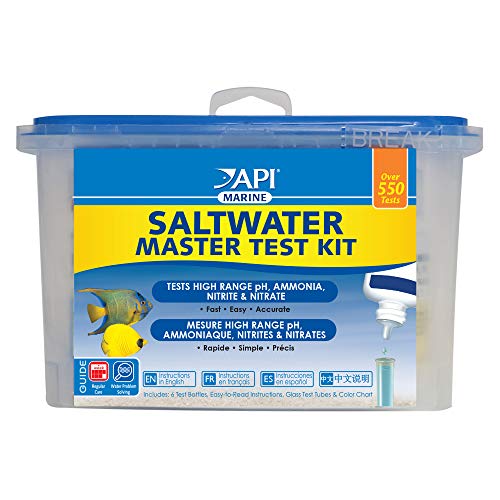
Contains one (1) API SALTWATER MASTER TEST KIT 550-Test Saltwater Aquarium Water Test Kit, including 6 bottles of testing solution, 1 color card and 4 test tubes with cap

[DIGITAL AQUARIUM WATER TEST KIT – APP-ENABLED 10-IN-1 FRESHWATER & SALTWATER FISH TANK TEST KIT]: Test aquarium water with this all-in-one digital aquarium water test kit, fish tank test kit, and freshwater aquarium test kit. Measure ammonia, nitrate, nitrite, pH, GH, KH, chlorine, and more for freshwater aquariums, saltwater aquariums, reef tanks, shrimp tanks, and fish tanks. Scan each aquarium test strip with the DROPLYTIX app for fast digital results without comparing colors to printed charts.
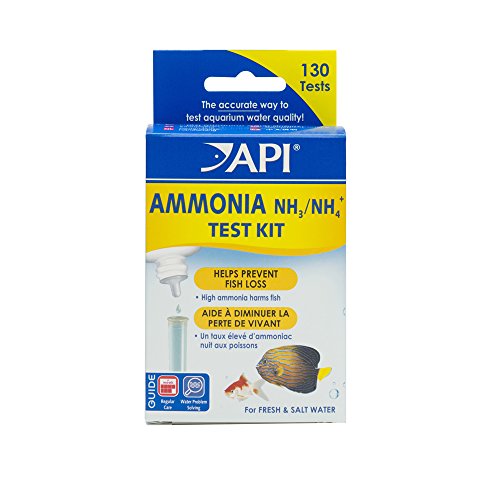
Helps monitor and adjust ammonia level and prevent invisible water problems that can be harmful to fish
Maintain Long-Term Nitrate Control With Ongoing Monitoring
Maintaining long-term nitrate control relies on consistent monitoring and adjustments tailored to your tank’s changing conditions. Weekly nitrate testing with a quality test kit allows you to track trends and catch potential issues early. Regularly checking source water nitrate helps determine if incoming water contributes to elevated levels, enabling targeted correction. Monitoring feeding loads and nutrient inputs is essential—reducing excess waste by adjusting feeding practices can significantly lower nitrate accumulation. Elevated nitrate levels can stem from overfeeding or inadequate filtration, so identifying these sources is crucial for effective management. Employing nitrate reduction techniques such as water changes or chemical media can provide additional support when needed. Ensuring proper use of filtration media tailored to your specific needs promotes efficient nitrate removal and minimizes buildup. Ongoing maintenance of export equipment such as protein skimmers, filtration media, and macroalgae harvests is vital for stability. Incorporating biological nitrate processing methods like deep sand beds or macroalgae refugiums enhances natural nitrate reduction and promotes genetic resilience within your system. Utilizing nitrate removal methods such as algae scrubbers or ceramic media can further optimize nitrate levels. Using alternative filtration options like algae scrubbers or ceramic media further supports consistent nitrate levels.
Scheduled reviews of all parameters ensure that you adapt your approach over time. This continuous oversight helps keep nitrate levels within optimal ranges, promoting long-term reef health and stability.