
If your aquarium plants are struggling to survive, you’re not alone. Keeping them healthy requires more than just planting them in the tank; it involves a careful balance of light, nutrients, and water conditions.
Once you get these basics right, your aquatic garden can thrive. Keep reading to learn how to create the perfect environment for your plants to flourish.
How to Set Up Lighting for Healthy Aquarium Plants
To set up lighting for healthy aquarium plants, aim for an intensity of about 20 to 60 PAR at the substrate. This range ensures that plants receive enough light for photosynthesis without promoting excessive algae growth. Low-tech tanks typically require 20 to 40 PAR, while high-tech setups with advanced CO₂ systems can push beyond 60 PAR for more vigorous growth. PAR measurements are most useful when selecting appropriate lighting and verifying that your setup meets your specific plant needs. Use adjustable fixtures to provide even coverage across the entire tank, avoiding dark spots that can hinder plant development. Select lighting that offers a balanced spectrum, with at least 50% of red wavelengths to support flowering and growth, and minimal blue to prevent excessive algae. An 8-hour photoperiod is generally sufficient, though tanks with strong lighting and CO₂ supplementation may extend to 9 or 10 hours. Incorporating proper light timing with timers helps to keep the light cycle consistent, which helps promote healthy plant growth and reduces the risk of algae outbreaks. Understanding light spectrum options allows you to tailor your setup for optimal growth and health of your aquatic plants. Proper lighting setup combines correct intensity, spectrum, duration, and coverage—key factors in maintaining a healthy, lush aquarium plant environment.

HIGH-QUALITY LED: 6500K white LEDs and tri-colored RGB LEDs blend for plant growth. 90 CRI makes colors pop. Planted aquarium light is ideal for low light plants

LIGHTING MODES: Features multiple color settings and brightness levels to create the perfect environment for your aquatic pets and plants
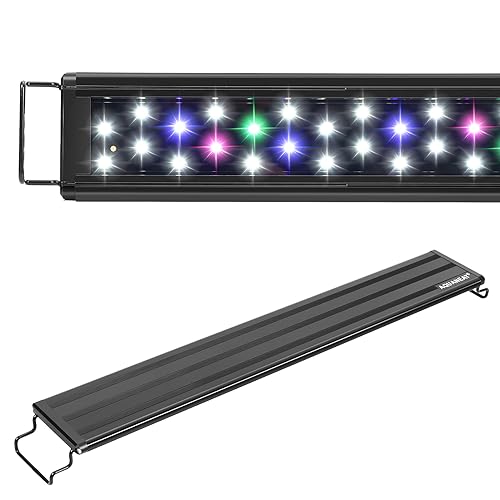
Work best on tanks with 48 inches long for full cover effect; with two extendable brackets, this light also fits for fish tank from 48 to 54 inches long
Choosing the Best Substrate to Support Rooted Plants
Choosing the best substrate for rooted plants depends on your plant types and tank setup. The right material provides stability, nutrients, and strong root support. For most rooted plants, a substrate depth of 2 to 3 inches is ideal, offering enough space for roots to develop without compacting.
Opt for specialist planted substrates when possible; these often contain a full nutrient package that promotes vigorous growth. Complete substrates are typically the best choice, though they come at a higher cost. If you’re refining an existing setup, base layers or additives can supplement your tank’s nutrient profile.
Grain size is an important factor. Aim for grains measuring 2 to 3 millimeters in diameter that stay fluffy but do not compact or trap waste. Rounded grains help maintain water flow and reduce dead spots, supporting healthy root development. Choosing the right substrate based on these characteristics will foster a healthy, thriving planted tank. Pay attention to substrate composition as it plays a vital role in overall plant health and water quality. Proper selection of aquarium substrate materials can significantly enhance the success of your planted aquarium.

Triple Washed and Kiln Dried: This is one of the cleanest aquarium substrates available, no toxins, no foreign matter, 100% natural pebble

Material: cultivation medium of the fish tank is made of black soil, which cannot be cleaned, and has a small amount of impurities. It can be removed with gauze after water injection.

Promotes Robust Plant Growth: This aquatic soil helps enrich plant development and fosters vigorous growth with vibrant coloration, ensuring your aquarium thrives with lush foliage
Maintaining Water Quality for Vibrant Plant Growth
Consistently monitoring water parameters is essential for vibrant plant growth. Aim for a pH between 6.5 and 7.8, with a slightly narrower range like 6.0 to 7.5 offering better stability for plants. Keep water hardness around 50 to 100 ppm and alkalinity between 3° and 8° dKH to maintain consistent conditions. Regularly test nitrate levels to keep them below 10 ppm, and phosphate under 0.5 ppm to prevent algae growth and support healthy plants. Ensuring proper water testing procedures helps detect imbalances early and maintain optimal conditions. Perform water changes of 20 to 25 percent at least every two weeks, using dechlorinated water that matches the temperature of the aquarium. This removes waste buildup and helps prevent imbalances. Testing water parameters bi-weekly ensures early detection of issues before they affect plant health. Confirm your filtration system is functioning properly to maintain good circulation, and adjust CO₂ injection levels to stabilize pH near 6.5. Maintaining a balanced aquatic environment is crucial for preventing algae overgrowth and creating a healthy environment for aquatic plants. Proper water balance is crucial for preventing algae overgrowth and creating a healthy environment for aquatic plants.
Supplying Essential Nutrients and Fertilizers
Supplying essential nutrients and fertilizers is vital for healthy aquatic plant growth. Plants require more than water and light, needing specific nutrients to thrive. Watch out for signs of deficiency such as yellowing leaves or slowed growth, which indicate the need to adjust your fertilization routine. Timing is key—many aquarium setups benefit from weekly dosing, especially in tanks with fast-growing plants or intense lighting. Use liquid fertilizers for water-column feeding and root tabs for rooted species. Make sure to re-dose after water changes to maintain consistent nutrient levels. Supplying micro and macro nutrients—such as nitrogen, phosphorus, and potassium—in proper ratios, generally around 6:1:8, supports balanced growth. Additionally, choosing the right salt for water conditioner can help maintain optimal water parameters, ensuring a healthy environment for all aquatic life. Proper understanding of aquarium chemistry is essential to prevent imbalances that could harm your plants. Monitoring nutrient levels regularly helps you react promptly to any deficiencies or excesses, promoting lush growth and healthy ecosystems. Tailoring your fertilization schedule to your plant load and tank conditions helps prevent deficiencies, encourages lush growth, and keeps algae growth in check.
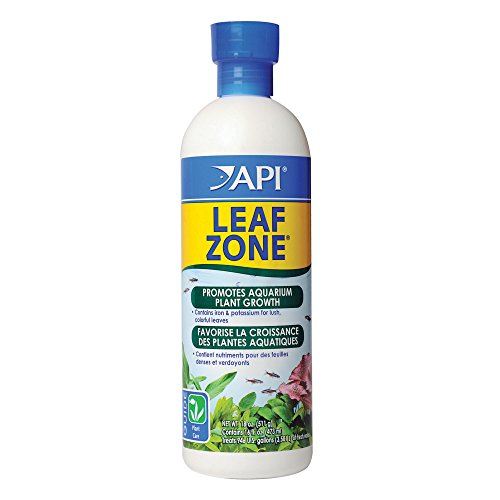
Contains one (1) API LEAF ZONE Freshwater Aquarium Plant Fertilizer 16-Ounce Bottle

Comprehensive supplement for the planted aquarium

Product Type: ARTIFICIAL PLANT
Boosting Growth With Co₂ and Water Circulation
Controlling CO₂ levels and ensuring effective water circulation are crucial for vigorous aquatic plant growth. Aim to maintain dissolved CO₂ at 20 to 30 mg/L, which supports optimal photosynthesis without stressing the plants. Consistent CO₂ delivery is more beneficial than short, intense spikes, so use a drop checker to monitor levels. A stable pH drop of about 1.0 point indicates proper CO₂ concentration. Timing is key: turn on the CO₂ system 1 to 2 hours before the lights come on and turn it off before nighttime to prevent excess buildup and stress. Proper water flow helps distribute CO₂ evenly throughout the tank, preventing dead zones where plants might receive less gas. Positioning the diffuser near the filter outlet and maintaining balanced circulation promotes better gas absorption and nutrient distribution, ultimately enhancing plant growth and overall tank health. Additionally, understanding how water circulation influences gas dispersion can lead to more effective tank design and healthier plant development. Adjusting flow rates to optimize gas exchange ensures that CO₂ is evenly dispersed, supporting healthier plant growth across the entire aquarium.

Made of transparent acrylic, like glass but more durable than glass material, not fragile.

Compact and Portable CO2 System: For small or desktop aquariums, standard large CO2 tanks can be bulky and impractical. This portable mini CO2 kit is just 9.84 inches tall and 1.96 inches wide, making it a perfect fit for small spaces. Its slim design is easy to hold with one hand, offering both convenience and ease of use.

The customized ceramic from South Korea used in Fzone co2 diffuser features microscopically small holes resulting in very fine and thorough bubble diffusion.The co2 diffuser provides a high level of CO2 Saturation in your aquarium. The fine mist of Co2 will easily break down into your water colum and absorbed by aquatic plants.
Weekly Maintenance Tips to Keep Plants Thriving
Regular weekly maintenance is essential to keep your aquarium plants healthy and encourage lush growth. Begin by performing a water change of 10 to 30 percent to remove excess nutrients and toxins, while replenishing essential minerals. If your tank is heavily stocked or uses CO₂ injection, consider increasing the water change to up to 50 percent. Test water parameters such as pH, ammonia, nitrite, and nitrate every week. Keep ammonia and nitrite levels at zero because even small amounts can harm plants and fish, while maintaining nitrate below 20 ppm supports healthy growth. Remove any dead or decaying leaves promptly to prevent algae buildup and maintain water quality. Regular cleaning of the glass, hardscape, and plant leaves improves light penetration and prevents debris accumulation. Ensuring proper lighting and substrate is also vital for plant health and growth. Additionally, choosing the right aquarium equipment can significantly influence plant health by providing consistent conditions and efficient nutrient delivery. You should also monitor the water flow to ensure even distribution of nutrients and prevent dead zones that can hinder plant roots. Lastly, inspect your equipment, including filters, heaters, and lights, to ensure they are functioning properly. When organizing your aquarium décor, consider the compatibility of fish species to prevent damage to plants and promote a balanced ecosystem.
Troubleshooting Common Problems With Aquarium Plants
Signs of distress in aquarium plants can often be traced to specific deficiencies or environmental issues. Yellowing leaves and pale new growth typically indicate nutrient shortages like nitrogen or iron; adding a balanced fertilizer designed for aquatic plants usually resolves these problems. Holes, pinholes, and tissue decay often point to a potassium deficiency, which can be addressed with targeted potassium dosing. When plants begin melting or decaying after transplanting, check for stable water conditions, proper root anchoring, and maintain a water temperature between 22 and 28°C to promote recovery. Slow or halted growth may suggest inadequate nitrate levels, insufficient lighting, or low CO₂; adjusting the light intensity, increasing fertilization, or adding CO₂ can stimulate healthier growth. Algae buildup or biofilms frequently result from excess nutrients or poorly functioning filters. Regular pruning of damaged or decaying leaves helps prevent algae from spreading and encourages new, healthy growth. Additionally, proper water chemistry and temperature are critical for plant health, ensuring optimal nutrient uptake and overall vitality. Being attentive to environmental stability is key to preventing stress and promoting lush aquatic foliage. Consistent troubleshooting and maintenance are key to keeping your aquarium plants vibrant and thriving.


Comprehensive macro nutrients: Formulated with essential Nitrogen (N), Phosphorus (P), and Potassium (K) in a scientifically balanced ratio. Quickly supplies vital elements for robust root development, lush stem growth, and vibrant green leaves.

Potassium Supplement For The Planted Aquarium