
Dealing with red algae in your reef tank can be frustrating, especially when you’re not sure whether it’s red slime or actual algae. The good news is, with the right approach, you can effectively reduce or eliminate it.
In this article, you’ll learn practical steps like manual removal, upgrading filtration, improving water flow, and managing nutrients to keep your tank healthy.
Keep reading to discover how to restore your reef’s pristine condition.
How to Diagnose Red Slime vs. True Algae in Your Reef Tank
To determine whether you’re dealing with red slime or true algae, focus on their physical appearance and growth behavior. Red slime typically appears as a slimy, sheet-like mat that traps bubbles and can be easily peeled away when siphoned. It often spreads as a slimy film over surfaces, especially settling in low-flow areas with detritus buildup. True algae, on the other hand, usually shows as filamentous, turf-like, or fuzzy growths that are firmly attached to rocks or glass, making them more difficult to remove in sheets.
Red slime tends to accumulate in dead spots where water circulation is poor, and it can be pulled off the sandbed as a cohesive mat more readily than true algae. True algae’s growth pattern is more persistent, often requiring scrubbing or scraping to remove thoroughly. Recognizing these differences in appearance and growth habits helps you identify the type of contaminant and target your removal efforts effectively. Additionally, understanding that cyanobacteria, or “red slime,” can rapidly overgrow due to excess nutrients and improper lighting underscores the importance of proper tank maintenance to prevent recurring issues by minimizing nutrients and controlling light levels. Maintaining appropriate flow helps prevent dead zones where red slime is more likely to thrive, further aiding in controlling its growth. Proper water testing can also help detect nutrient spikes early and prevent outbreaks, making it an essential part of ongoing tank management.

Compact Powerful aquarium wave maker : with 20W DC24V powerhead,creates steady currents that mimic natural water flow, promoting healthy aquatic life.

🐠UNIQUE CROSS FLOW TECHNOLOGY - Compared to traditional wave makers, this cross flow pumps generate soft waves and the waves are spread 360 degrees. It creates a water flow similar to real ocean, activates the water in the entire tank, eliminates dead spots, and creates a beautiful fish gathering shape

Compact and Prowerful: 800GPH (3000L/H);Recommend aquarium size Range: 75-120gal freshwater tank, 60-75gal saltwater tank; Dimension: 3.25 x 2.5 x 2.5 inches (L x W x H);Cord:6 ft;Voltage:110V-120V / 60Hz
Effective Methods to Manually Remove Red Slime Safely
To manually remove red slime safely, start by siphoning the mats during water changes using a hose with a diameter of half-inch to three-quarter-inch. Hover the siphon just above the slime to lift and remove it, focusing especially on the sand bed before the mats settle back down. Gently detach slime from rocks with a turkey baster or small powerhead, aiming at affected areas to suspend loose debris and prevent it from spreading. Use mechanical filtration such as a clean filter sock or micron filter to trap suspended particles. Work on small sections at a time, removing thick mats first and rotating to new areas to minimize disturbance. Combining manual removal with chemical remedies, including a copper treatment, can effectively control stubborn strains and prevent future regrowth. Regular maintenance and monitoring are crucial to prevent recurrence and keep the tank environment stable. Additionally, understanding how red algae thrives in reef tanks can help inform more effective prevention strategies and tank management practices.
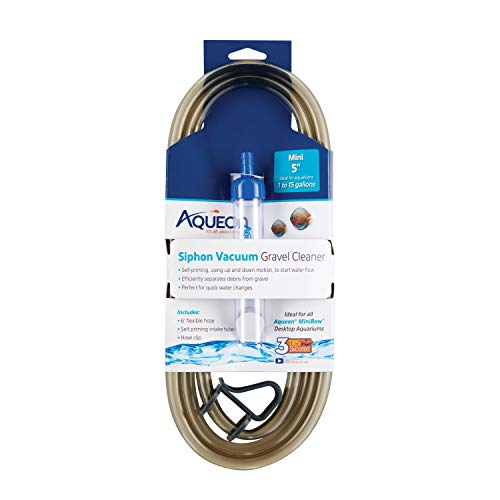

Versatile Cleaning Kit: Our aquarium gravel vacuum cleaner kit is a multi-functional solution for all your aquarium maintenance needs. It utilizes the siphon design principle to perform essential tasks such as aquarium cleaning, sand washing, algae scraping, fish excrement removal, debris elimination, and water changes. Equipped with three independent cleaning heads, our kit allows you to effortlessly tackle various tasks with ease.

Perfect for Regular Water Changes: No messy drips, and a sturdy one way valve to improve suction. You can clear 30L in about 5 minutes with our aquarium siphon
How to Improve Water Flow and Keep Your Sand Bed Clean
To improve water flow and keep your sand bed clean, focus on creating diverse and dynamic circulation patterns to prevent dead spots and detritus buildup. Use multiple small pumps placed strategically around the tank instead of a single large outlet. This setup produces intersecting, chaotic flow that closely mimics natural reef currents, which benefits both the overall health and cleanliness of your tank. Microbubbles can be used to visualize flow patterns, helping you identify areas where flow is lacking or too strong. Position the pumps at different angles—aiming upward or toward tank walls—to sweep waste from the sand bed and prevent sediment accumulation. Incorporating random or alternating flow patterns through timers or automation controllers can disrupt settled debris, increasing turbulence without disturbing the sand excessively. Regularly clean wavemakers and return pumps to sustain optimal flow. As your aquascape grows, adjusting pump placement to maintain consistent circulation, ensuring your sand bed stays clean and reducing zones prone to red algae growth. Additionally, understanding and replicating natural reef currents can further optimize water movement and support healthier tank conditions. Employing proper husbandry practices also plays a crucial role in maintaining overall tank cleanliness and preventing algae outbreaks.
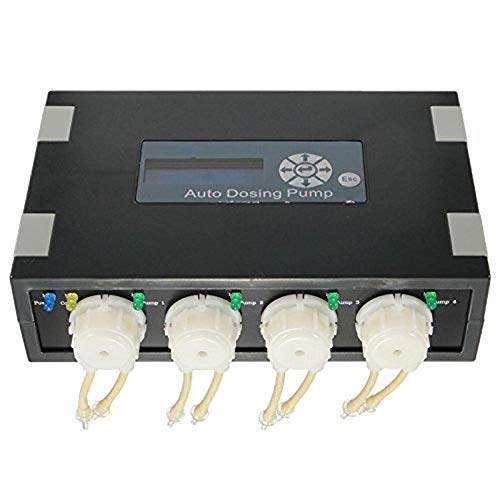
Model :DP-4, Idea for Dosing CA / MG / AB Water or other liquid

Specs & Dimensions: 4.33*3.5*4.1 inches; Max flow rate: 800 GPH (3000L/H); Max lift height: up to 10 ft.; Wattage: 50W; Voltage: 110-120V

Ultra-quite Operation Design: Adapting sine wave frequency conversion technology, sounds can barely be heard when the water pump is operating. With ceramic shaft core to reduce friction and 4 rubbers base to absorb friction, the pump runs even silently. Even if it is used indoor, it will not disturb your life.
Reducing Nutrients and Controlling Feeding to Starve Out Red Slime
Controlling nutrient levels through careful feeding practices is essential to reduce red algae growth in your reef tank. Start by testing for nitrate and phosphate twice weekly to establish a baseline before making adjustments. Avoid overfeeding by rinsing frozen foods, limiting portions, and offering smaller amounts multiple times a day. This approach minimizes excess organic material that can fuel algae blooms. Use RODI water for both top-offs and water changes to prevent contaminants from entering the system. Keep a record of your feeding schedule and test results to monitor trends and guide gradual, informed adjustments. Incorporating chemical treatments like GFO can help lower phosphate levels if they remain elevated. Focusing on export methods such as protein skimmers and refugiums complements these efforts, effectively starving out red slime by decreasing nutrient availability. Maintaining stable water parameters is also crucial, as fluctuations can encourage algae proliferation. Additionally, maintaining proper flow dynamics within the tank helps prevent dead spots where algae can thrive.


Care for Your Habitat: All-natural water care reduces organic waste and overall tank maintenance by effectively cleaning interior surfaces. Treats up to 500 gallons of water.

NATURAL SEAWATER RATIO – Reef Code A offers the calcium component of a two-part dosing method for calcium and alkalinity. It maintains ionic balance by matching natural seawater concentrations of calcium for aquarium and carbonates, when used with equal parts Reef Code B
Upgrading Filtration and Building a Cleanup Crew for Long-Term Control
Upgrading your filtration system and establishing a cleanup crew are essential for long-term red algae control. Start by incorporating mechanical filters such as filter socks, sponges, and pads. These physically trap algae fragments and detritus, preventing nutrients from recirculating within your tank. Regular maintenance, including weekly cleaning or replacement of these media, keeps them effective and avoids waste buildup that can promote algae growth.
Adding a protein skimmer helps remove dissolved organic waste before it turns into phosphates and nitrates, which algae feed on. The skimmer’s performance depends on your tank size; larger systems require more powerful equipment to keep waste levels low. Chemical filtration with products like GFO (granular ferric oxide) and activated carbon further reduces phosphates and organic compounds, lowering nutrient levels that support algae. Choosing the right filtration method tailored to your tank size and needs can significantly enhance algae control. Regularly inspecting and replacing your filtration media ensures it maintains its effectiveness over time.
Building a cleanup crew with herbivorous fish or snails provides ongoing algae grazing. These creatures work continuously to eat algae and help maintain a cleaner environment. Additionally, observing filter maintenance practices can prevent nutrient buildup and algae outbreaks. Regularly monitor their health and population size to prevent overstocking, which can cause added waste or stress. Incorporating biological filtration can also improve water quality and support your cleanup efforts. Combining efficient filtration with a dedicated cleanup crew creates a balanced system that curtails algae growth and promotes a healthier reef. Proper tank maintenance is vital; neglecting cleaning routines can quickly undermine your efforts, allowing algae to reestablish if not consistently managed.

High-Efficiency Aquarium Protein Skimmer – Powerful protein skimmer for aquarium generates dense micro-bubbles to quickly remove organic waste, proteins, and impurities from saltwater, reef, and marine fish tanks, keeping water crystal clear and healthy for your fish and corals.

Why Choose the MAGTOOL Protein Skimmer? Dissolved organic waste builds up in marine aquariums, reducing water quality and stability. The MAGTOOL protein skimmer uses foam fractionation to remove organic compounds before they become harmful, reducing biological load at the source and maintaining a cleaner, healthier reef environment.

Effectively removes dissolved organics from saltwater
Managing Light and Using Last-Resort Treatments Carefully
Managing light effectively involves adjusting your lighting schedule to control red algae growth. Reduce your photoperiods to 8 to 10 hours per day and consider shortening or eliminating the photoperiod during outbreaks to slow algae proliferation. Using a timer ensures consistent lighting times, preventing irregular exposure that can worsen algae issues. During corrective measures, avoid extending lights to compensate for missed hours, as this can promote algae growth. Additionally, keep ambient light leakage to a minimum during blackout treatments to create a more effective dark environment. For last-resort treatments, apply 1 to 2 milliliters of 3% hydrogen peroxide directly onto affected patches, allowing it to sit for 10 to 15 minutes. Monitor the effects over two to four weeks before making further adjustments, ensuring your reef responds gradually and safely.