
Struggling with hair algae taking over your reef tank? It’s a common issue, but controlling it is possible with the right approach.
By adjusting lighting, managing nutrients, and manually removing algae, you can keep your tank clean and healthy.
Keep reading to learn the essential steps to effectively get rid of hair algae and prevent it from coming back.
Understanding Why Hair Algae Becomes a Problem in Reef Tanks
Hair algae becomes a problem in reef tanks when nutrient levels, especially nitrate and phosphate, rise beyond healthy thresholds. These excess nutrients promote rapid algae growth, allowing hair algae to quickly take over the tank. When nutrients are plentiful, hair algae outcompetes corals and other beneficial organisms for resources, which can harm the overall health and appearance of your reef. Overfeeding, overstocking, or contaminated water sources often introduce these nutrients and disrupt the balance. Ineffective filtration and infrequent water changes contribute to nutrient buildup, creating dead spots and trapped debris that serve as ideal spots for hair algae to establish. Maintaining stable water parameters and implementing efficient nutrient export methods are essential for preventing and controlling hair algae outbreaks. Consistent monitoring of water quality is crucial in detecting early signs of nutrient imbalance and taking proactive measures before algae becomes unmanageable. Additionally, understanding how nutrient levels impact algae growth can help reef hobbyists implement better preventative strategies. Regularly testing your water and understanding the nutrient cycle are key components in maintaining a healthy reef environment. Recognizing algae growth patterns can also assist in early identification of issues, allowing for faster corrective action.
How to Reduce Light Exposure to Control Hair Algae
Reducing light exposure is one of the most effective ways to control hair algae in your reef tank. Limit your lighting to about 6 to 8 hours per day, especially if your system has few photosynthetic organisms. For corals, maintaining peak light intensity for only 4 to 6 hours helps minimize algae growth while keeping your corals healthy. Using timers to ensure a consistent light cycle every day prevents fluctuations that can encourage algae proliferation. Gradually lowering the light intensity or employing programmable dimming functions can also help reduce algae without shocking your system. Avoid exposing your tank to direct sunlight, as external light sources can undermine your efforts. For severe algae outbreaks, implementing blackout periods—completely turning off the light for several days—combined with other maintenance practices, can provide quick relief. Additionally, optimizing the photosynthetic balance in your tank can help prevent excessive algae growth. These strategies help keep your ecosystem balanced, fostering healthy coral growth while preventing nuisance algae.
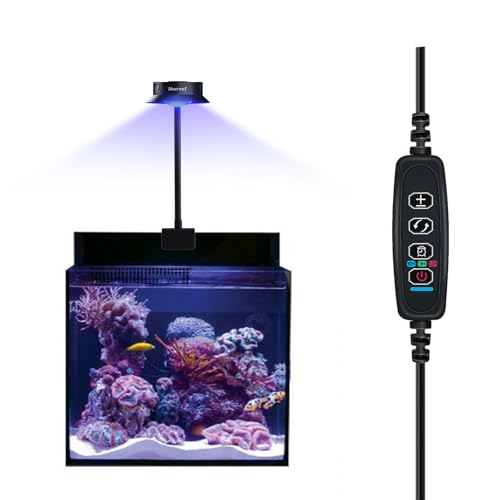
🌈 Full Spectrum for Coral Growth & Color Enhancement This 30W reef LED light delivers a scientifically balanced full spectrum including UV, purple, blue, red, white, and green light. Blue light boosts vitamin D3 production to enhance coral calcium absorption and coloration. UV promotes coral defense, purple light supports fish health, while red and white encourage rapid coral growth. Ideal for vibrant marine displays.

19 watt saltwater aquarium led light fixture contains 48 x royal blue (440-445nm), 24 x cool white (7500K) and 24 x U-V (395~400nm ) LEDs that provides the right light spectrum reef-building corals need for growth. It uses 395nm diodes to bring out dazzling coral’s fluorescence. Perfect for keeping fish only tank, LPS, and soft corals
Controlling Nutrients: Practical Steps to Prevent Algae Growth
To prevent algae from taking over your reef tank, managing nutrient levels such as nitrate and phosphate is crucial. Keep nitrate levels between 1 and 10 ppm, with an ideal range around 0.5 to 1.0 ppm. Phosphate should be maintained below 0.2 ppm. Regular testing helps you catch imbalances early, as high nitrate or phosphate levels often indicate trouble. Water quality at setup significantly impacts algae development, so using RO/DI water for top-offs and water changes to minimize nutrient introduction is highly recommended. Performing consistent water changes of 10 to 20 percent weekly helps remove excess nutrients and replenish trace elements essential for coral health. Control feeding by offering only what your fish can consume within two to three minutes, and skip feedings when possible to limit nutrient buildup. Incorporating filtration media like GFO (granular ferric oxide) specifically targets phosphate removal, further reducing nutrient levels. Additionally, monitoring water parameters regularly allows for early detection of potential issues and helps maintain optimal conditions for your reef inhabitants. Proper filtration systems, such as protein skimmers and refugiums, also play a pivotal role in nutrient control and algae prevention. These steps support stable water chemistry and make algae growth less likely, ensuring a healthier reef environment.

Permanently bonds phosphate and will not leach back into aquarium water

Phosphate remover
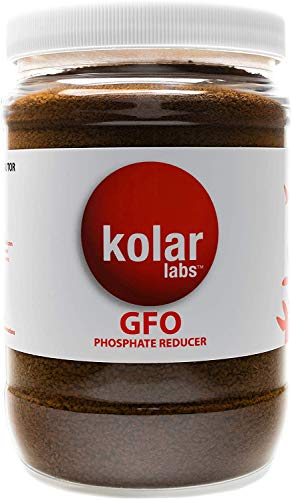
HIGH QUALITY: High-quality, ultra-pure virgin Bayoxide E33 granular ferric oxide (GFO) with reduced fines; Removes phosphates from water
Mechanical and Biological Methods for Removing Hair Algae
Mechanical and biological methods are effective for removing hair algae from your reef tank. Start by identifying the specific clumps to target them efficiently. The pinch and siphon technique is a quick method: pinch the algae with your thumb and suck it out using a siphon hose. Using smaller tubing, such as 1/4 inch RO tubing, helps access tight or hard-to-reach areas. Perform this during water changes to minimize the spread of fragments and immediately siphon algae from the water column to prevent reattachment or scattering. This method prevents the dispersal of algae fragments that can lead to further growth. Physical tools can help loosen strands, making removal easier—use toothbrushes or small bottle brushes to twirl or gently scrub the algae before pulling it out. Removing loose rocks and cleaning them separately is also crucial; boiling large hardscape can sterilize contamination and kill algae spores. For biological control, introduce grazers like Mexican turbo snails or sea hares. Place them directly on infested areas so they can effectively consume the algae. Maintaining proper tank maintenance and water quality is essential in controlling algae outbreaks and promoting a healthy environment. Ensuring proper tank maintenance and water parameters can help prevent hair algae outbreaks. Consistent water testing and adjustments are key to maintaining a healthy environment. Always sterilize your tools before and after removal procedures to prevent spreading algae or introducing unwanted contaminants into your tank.

Perfect for Regular Water Changes: No messy drips, and a sturdy one way valve to improve suction. You can clear 30L in about 5 minutes with our aquarium siphon

Versatile Cleaning Kit: Our aquarium gravel vacuum cleaner kit is a multi-functional solution for all your aquarium maintenance needs. It utilizes the siphon design principle to perform essential tasks such as aquarium cleaning, sand washing, algae scraping, fish excrement removal, debris elimination, and water changes. Equipped with three independent cleaning heads, our kit allows you to effortlessly tackle various tasks with ease.

Stainless Steel Materials: Algae scraper for glass aquariums is made entirely of stainless steel, making it resistant to rust. It is suitable for both salt water tanks and fresh water aquariums. Additionally, Stainless steel blades effortlessly cutting through stuff adhering on glass and gets some of the harder buildup off without having to scrape viciously. Easy to use and very effective at keeping the glass absolutely clean.
Enhancing Grazing and Cleanup to Keep Hair Algae at Bay
Enhancing grazing and cleanup efforts involves choosing and maintaining a diverse crew of herbivorous fish, invertebrates, and other algae-eating organisms tailored to your tank size and algae type. Target specific algae species by selecting grazers known for their effectiveness; for filamentous and hair algae, yellow tangs and cole tangs are particularly efficient, while foxface and one-spot rabbitfish excel at consuming thicker hair algae strands. Supporting these larger grazers with smaller species like blennies and gobies can help maintain overall algae control, especially in smaller systems. Properly matching the cleanup crew to your tank size ensures comprehensive coverage across rockwork, substrates, and hard-to-reach corners, promoting balanced algae suppression. Regularly monitoring algae levels and adjusting the crew composition or feeding habits keeps your tank healthy and free from hair algae outbreaks. Incorporating the use of a reliable aquarium thermometer can help you maintain optimal water temperatures, which support the health and activity levels of your cleanup crew. Additionally, understanding the role of biological filtration in controlling excess nutrients can prevent algae blooms and support a balanced aquarium ecosystem. Utilizing effective biological filtration methods can further enhance nutrient export, reducing the likelihood of algae overgrowth.

Detailed yellow tang featuring vivid reef-inspired colors and elegant fin structure, created for aquarium enthusiasts, reef fish admirers, marine life lovers, and people fascinated by colorful ocean species.

YELLOW TANG MARINE SPECIES – Features vibrant yellow coloration, creating a bold and highly visible aquarium display

Blue Tangs and Yellow Tangs for the Reef Fish Tank Saltwater Aquarium lovers and keepers of tangs
Treating Persistent Hair Algae and Preventing Its Return
Persistent hair algae is particularly resistant and often requires a combination of physical removal and nutrient management to eliminate. Start by thoroughly removing all visible algae to reduce the source of nutrients fueling growth. Use a toothbrush or algae scraper to gently detach algae from rocks and surfaces, ensuring no patches are left behind. Maintaining stable water parameters is crucial, as nutrient fluctuations can exacerbate algae growth.
Simultaneously, focus on controlling nutrients, especially nitrate and phosphate, which are key to algae proliferation. Conduct regular water changes of 10–20 percent, which helps dilute these nutrients and prevents their buildup. Clean filtration components like protein skimmers and media media frequently to improve export efficiency, removing nutrients before they can feed algae.
Spot treat persistent patches with hydrogen peroxide to target localized growth without impacting the entire system. Apply it carefully with a syringe or dropper directly onto the algae, avoiding other delicate tank inhabitants. Be sure to pair this with nutrient control—dead algae decays quickly and can promote further growth if nutrients remain high. Reduce lighting intensity during severe outbreaks and avoid overfeeding, as excess food and light both contribute to nutrient spikes.
Consistent maintenance and nutrient management are essential in breaking the hair algae cycle and maintaining a clear, healthy reef environment.

POWERFUL ALGAE REMOVER FOR FISH TANK: MICROBE-LIFT Algaway 5.4 delivers fast-acting aquarium algae control; It eliminates green water, hair algae, and string algae to improve water clarity and reduce odor; EPA Registered for safety and reliability

AQUARIUM WATER TREATMENT: Microbe-Lift Special Blend aquarium treatment is the must-have aquarium water treatment for freshwater and saltwater aquariums; It keeps your fish tank cleaner, removes odors, clears water, and reduces maintenance.

Developing a Long-Term Strategy to Maintain a Healthy Reef Tank
Maintaining parameter stability is essential for a healthy reef tank over the long term. You should regularly test alkalinity, calcium, magnesium, nitrate, and phosphate levels. Logging these results helps you identify trends early, allowing for prompt adjustments before issues develop. Focus on more frequent testing for parameters that fluctuate quickly, such as alkalinity and nutrients, testing weekly. Calcium and magnesium levels can be checked monthly, as they tend to change more slowly. Ensuring proper algae control measures can also help prevent overgrowth and maintain water quality. Incorporating water parameter monitoring into your routine allows for early detection of subtle shifts that may lead to problems if left unaddressed. Consistent weekly water changes of 10 to 20 percent help remove excess nutrients and waste, reducing the risk of algae overgrowth. Regularly inspect and clean mechanical and chemical filtration components, including skimmers and media, every few weeks to keep filtration efficient. Also, routinely deep-clean and service equipment to ensure steady flow and circulation, which prevents dead spots and detritus buildup. These practices create a stable environment that supports vibrant coral coloration and natural fish behavior over time.