
Wondering how often you should clean your aquarium filter?
The right schedule depends on your tank size, number of fish, and filter type, but generally, mechanical parts need attention every 1-2 weeks.
Meanwhile, biological media can go for 4-8 weeks.
Proper cleaning helps keep your water clear and your fish healthy.
Keep reading to find out exactly how to maintain your filter effectively.
When and How Often Should You Clean Your Aquarium Filter?
When and How Often Should You Clean Your Aquarium Filter?
Mechanical media like sponges and pre-filter pads should be cleaned every 1 to 2 weeks. This frequency helps prevent debris buildup that can restrict water flow and reduce filtration efficiency, especially in heavily stocked tanks. Look for signs such as reduced water flow or visible debris; these indicate it’s time for cleaning. Avoid waiting until the media are completely clogged, as that can compromise water quality. Use tank water for rinsing to preserve beneficial bacteria. Additionally, selecting the best salt for water conditioner can support overall water quality and reduce the need for frequent filter cleaning. For biological media, rinse gently in altered tank water every 4 to 8 weeks. This process removes excess debris while protecting the beneficial bacteria needed for stable water chemistry. Regularly inspecting your filter and fish activity can also guide timing; stressed or sluggish fish might suggest the need for more frequent cleaning or water changes to maintain water quality. Maintaining proper water parameters and consistent tank management is essential for a healthy aquatic environment. Regular maintenance tailored to your tank’s conditions keeps your aquatic environment healthy and balanced.

Dimension: 8x4.5cm/3.2” x1.8”, the inside hole diameter is 2cm/0.8”; for a snug fit, check the size you need carefully before placing an order. The sponge's inner diameter accommodates filter intake within 0.8-1 inches (20–25.4 mm) due to its elastic properties.

Sponge filter provide both mechanical and bio filtration, also, the air infusion chamber produces minute bubbles which increase the oxygen solubility

Dimension: 9" Lx 9"W x 0.5"H, PPI:40. Includes 2 pieces of open cell sponges
What Factors Influence Your Filter Cleaning Schedule?
Your filter cleaning schedule depends on several factors, with tank size being one of the most significant. Smaller tanks, such as those under 20 gallons, require more frequent maintenance because they have less water volume to dilute waste. This leads to quicker buildup of debris and algae, often necessitating cleaning every two to four weeks. Larger tanks, over 50 gallons, tend to absorb waste more effectively, allowing for longer intervals between cleanings—sometimes up to six to eight weeks.
Fish load and waste production also heavily influence how often you should clean your filter. A heavily stocked tank, with many fish, produces more debris that can clog the filter faster and impair its performance. This means you might need to clean your filter every one to three weeks to maintain water quality. Conversely, tanks with fewer fish or smaller sizes generate less waste, enabling longer periods between maintenance.
Feeding habits further impact filter cleaning frequency. Overfeeding results in excess uneaten food that decays and increases debris, speeding up the need for cleaning. If you feed your fish sparingly and only what they can consume within a few minutes, you reduce waste buildup, extending your filter’s effective lifespan. The presence of live plants also plays a role: live plants use waste products as nutrients, helping to keep your water cleaner and decreasing the frequency of filter cleanings.
Additionally, bioload management can help maintain a stable water environment and reduce the frequency of filter cleanings, as balanced bioloads produce less waste and improve filtration efficiency. Proper filter maintenance and timely component replacements are essential in preventing clogging and ensuring optimal flow rates, ultimately extending the interval between cleanings. Regularly monitoring water parameters and observing your filter’s flow rate can help you determine the optimal maintenance schedule****, tailored specifically to your setup. This routine helps ensure your aquarium remains healthy and your filter performs efficiently over time.
How to Recognize When Your Filter Needs Attention?
Reduced water flow is a primary sign your aquarium filter needs maintenance. If outflow slows by about 20 to 25 percent, your filter’s media may be clogged or the impeller could be stuck. Visible debris on sponges, pads, or cartridges indicates mechanical blockage that requires rinsing or replacing. Water clarity changes, such as cloudiness or a yellow tint, suggest the filter isn’t removing waste efficiently, often due to chemical buildup or biological imbalance. Elevated levels of ammonia or nitrite in water tests confirm that your filtration isn’t functioning properly. Additionally, performance issues like unusual noises, microbubbles, or weak surface agitation signal that debris or clogs are hindering proper operation. Regular visual inspections for flow rate, debris accumulation, and water clarity help you identify these issues early and keep your filter working optimally. Monitoring water parameters regularly is essential because chemical imbalances can also impair filter performance even when flow seems normal. Checking for proper filter maintenance ensures all components operate smoothly and efficiently. Furthermore, understanding filter performance signs can help prevent long-term issues and maintain a healthy environment for your fish, making routine inspections a crucial part of aquarium care.

Filter Compatibility: Compatible with Fluval filter models: 106, 206, 306, 406, FX5, 105, 205, 305, 405, 104, 204, 304, and 404.

Efficient Filtration: The high-density and unique structure of the sponge provide exceptional mechanical filtration. It effectively captures and removes impurities, suspended particles, and waste from the water, maintaining a clear and stable aquatic environment for the well-being of your aquatic organisms.
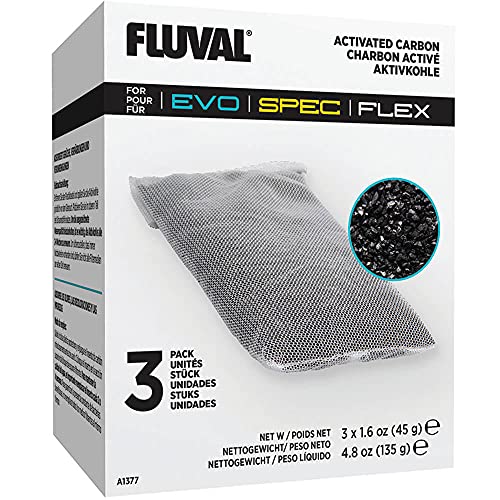
Chemical filter media removes heavy metals, odors, discolorations and pollutants
Effective Ways to Clean Your Aquarium Filter Safely
To clean your aquarium filter safely and effectively, always turn off and unplug it before disassembling. Rinse mechanical media like sponges and pads in aquarium water or dechlorinated water to remove debris, avoiding untreated tap water that can harm beneficial bacteria. Keep the media wet during cleaning to protect these helpful colonies. Instead of scrubbing aggressively, gently squeeze or swish the media to dislodge dirt. If water flow slows, rinse sponge media multiple times if needed, but avoid over-cleaning biological media like ceramic rings, as they support the nitrogen cycle. Regularly cleaning your filter this way ensures debris is removed without damaging beneficial bacteria, helping your filter run smoothly and maintaining a healthy environment inside your tank. Additionally, monitoring overflow signs helps determine when it’s time for a thorough cleaning, preventing over-maintenance that could disrupt the ecosystem. Maintaining beneficial bacterial populations by avoiding overly aggressive cleaning techniques is crucial for a stable aquarium environment. Incorporating proper cleaning frequency can significantly improve your tank’s health and clarity. Regularly inspecting your filter components can help identify when specific areas need attention, promoting a balanced tank environment.
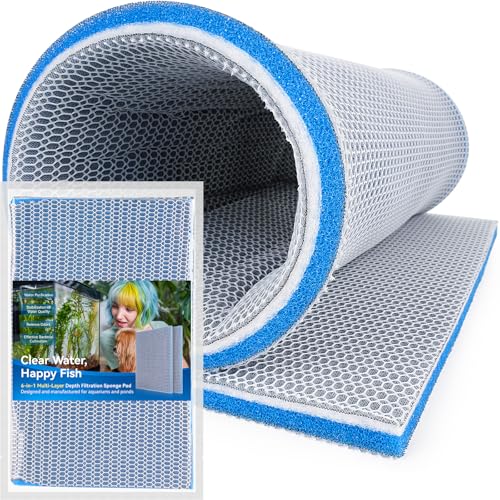
✅Deep Filtration: Designed with multiple filters such as three-dimensional honeycomb mesh cloth, fiber biochemical cotton, and non-adhesive nano-filter mesh stacked on top of each other to give it a finer filtration effect, it effectively captures impurities such as fish feces, uneaten food, and other small particles in the water so as to maintain clear and healthy water for the fishes and aquatic organisms.

✅Excellent Filtration Performance - The fine porous structure design gives it excellent filtration effect, it can effectively capture impurities in the water such as fish feces, fish food residues and suspended particles, thus maintaining clear and healthy water quality for fish and aquatic life.

8-layer filter pad: 2×3D honeycomb mesh, 2×Hydrophobic fiber cotton, 2×Carbon fiber, 1×Nano-bio sponge, 1×Biochemical sponge; The 3D honeycomb mesh captures large debris, hydrophobic fiber cotton filters fine particles, while carbon and bio layers remove microscopic impurities and odors, all works to provide high efficiency filtration
Tips for Maintaining a Healthy Aquarium Filter
Regular maintenance of your aquarium filter is essential for a healthy environment. Check the flow rate weekly; a decrease indicates it’s time to clean the filter. Clear water and minimal floating debris are signs the filter is working properly. When cleaning filter media, always use tank water to preserve beneficial bacteria. Avoid harsh scrubbing, as it can remove these helpful colonies. Rotate biological media every four weeks or switch chambers to maintain filter stability. Also, inspect inlet cages for debris or algae buildup regularly. Adjust cleaning frequency based on your tank’s bioload—heavily stocked tanks may need weekly cleanings, while lightly stocked tanks can be maintained monthly. Consistent inspections help keep your filter running efficiently and ensure your fish live in a clean, healthy environment. Regularly checking aquarium water quality is also key to maintaining a healthy aquatic environment. Properly monitoring filter performance can prevent future issues and prolong the lifespan of your equipment. Additionally, understanding the role of water parameters can aid in diagnosing potential problems early.

Comprehensive Filter Media Kit for Superior Aquarium Filtration: The Media Maintenance Kit features a powerful trio of Fluval’s most effective filter media: mechanical (Bio-Foam), biological (BIOMAX), and chemical (Activated Carbon), ensuring a clean and healthy aquatic environment

Comprehensive Filter Media Kit for Superior Aquarium Filtration: The Media Maintenance Kit features a powerful trio of Fluval’s most effective filter media: mechanical (Bio-Foam), biological (BIOMAX), and chemical (Activated Carbon), ensuring a clean and healthy aquatic environment

Comprehensive Filter Media Kit for Superior Aquarium Filtration: The Media Maintenance Kit features a powerful trio of Fluval’s most effective filter media: mechanical (Bio-Foam), biological (BIOMAX), and chemical (Activated Carbon), ensuring a clean and healthy aquatic environment
Troubleshooting Common Filter Problems
If your filter isn’t working properly, start troubleshooting the power source. Test the outlet with another device to confirm it supplies power. Check the filter switch, timer, or smart plug to ensure they are turned on and functioning correctly. Inspect the power cord and plug for visible damage, such as frays or cuts. Filters often stop working because they are unplugged or switched off. If the filter recently stopped after a power outage, recheck that it has been properly primed and restarted before disassembling any parts. Properly diagnosing power issues can quickly restore your filter’s performance and prevent unnecessary repairs. Confirming the filter is receiving power ensures you are addressing the root of the problem before proceeding further. Additionally, understanding aquarium filtration systems and their maintenance needs can help prevent future issues and keep your tank environment healthy. Regular cleaning and filter media replacement are essential to keep the system running smoothly and efficiently. A proper maintenance schedule can also help you stay on top of routine checkups and avoid unexpected breakdowns.

[Universal Compatibility]: Widely compatible with a wide range of 2 prong ac power cord devices .Such as TV: Samsung , Sony ,Hisense , Insignia , LG, Sharp,TCL,Toshiba Printers: Canon Pixma, HP, HP Brother Epson Lexmark. Laptop Charger:Dell, Sony, Asus,Acer, Gateway, Toshiba, MSI, Compaq. camera battery charger PS5/ PS4/PS3 Slim, Xbox One SX and more

🐠【DaToo Aquarium Light Adapter】: Still looking for a reliable power adapter for your aquarium lights? You can't go wrong with DaToo. DaToo LED power adapter has precision and safe circuit design, sturdy and durable, easy to use, and suitable for all kinds of aquarium lights, LED strip lights, easy to provide powerful energy for your LED fish tank lights!

FOR 2-PRONG DEVICES: Works with most TVs, monitors, printers, and other devices that require a 2-pin power connector