Wondering how much you’ll need to spend to set up a saltwater aquarium? The initial cost can range from around $500 for a basic setup to over $17,000 for high-end systems with rare fish and coral.
Your total investment depends on tank size, equipment, and the types of marine life you want to keep.
In this article, you’ll learn how to budget smartly, balancing quality with costs, so you can enjoy your underwater world without overspending.
What Are the Typical Costs to Start a Saltwater Aquarium?
Starting a saltwater aquarium typically costs between $1,000 and $3,000 for a complete setup. This initial investment covers essential components such as the tank, stand, filtration system, and lighting. High-quality filtration and protein skimming equipment are crucial to maintain water quality, which can add $100 to $500 or more to your budget. Lighting systems, especially for reef tanks that house corals, vary widely from $100 to over $500 depending on tank size and coral requirements. Additional costs include substrate, live rock, and salt mix, all necessary to create a healthy environment. Keep in mind that ongoing expenses for testing supplies, regular maintenance, and livestock will increase your total spending over time. Proper planning ensures your reef remains vibrant and healthy for years. When selecting equipment, consider the importance of pond liner options that can also provide a reliable foundation for your setup. Additionally, choosing the right equipment quality is vital for preventing costly replacements and ensuring long-term success. Maintaining the proper salt balancer helps keep water parameters stable, reducing the risk of issues down the line.
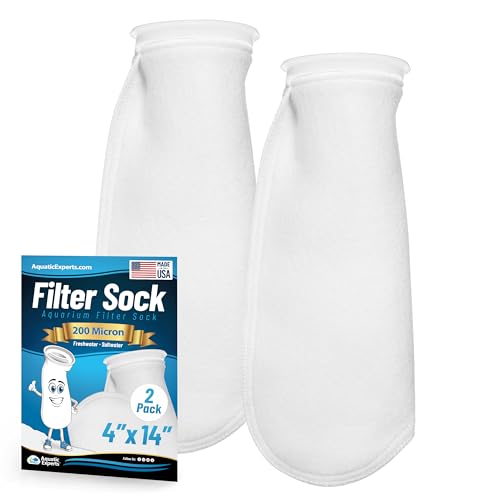
RING STYLE – FITS STANDARD FILTER CUPS: These felt aquarium filter socks feature a smooth molded plastic ring designed to fit standard filter cups and holders commonly used in sump systems, and they are not compatible with Red Sea filter trays.
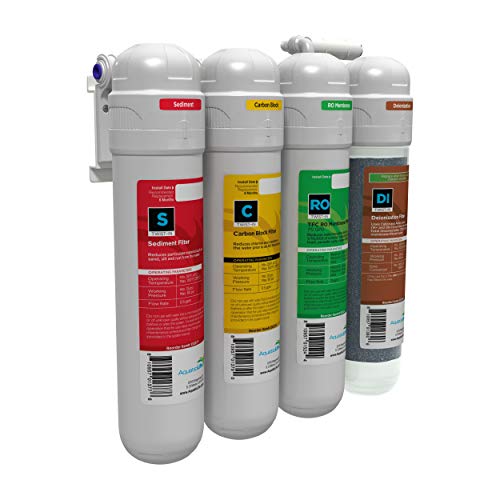
COMPLETE 4-STAGE SYSTEM – The Aquatic Life Twist-In 4-Stage RO/DI water filter combines Sediment, Carbon, RO Membrane, and Color-Changing DI Resin stages to produce up to 75 gallons per day of purified water for aquariums and other applications.
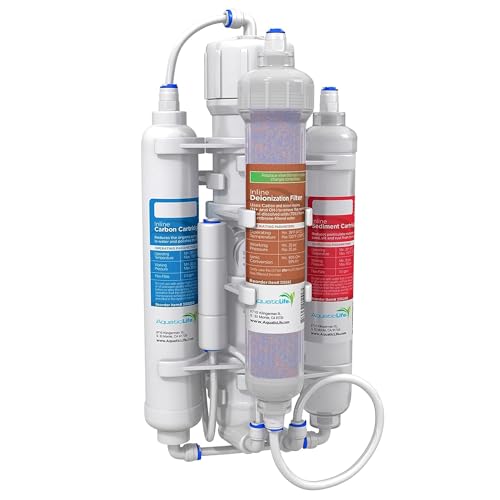
CLEAN, FILTERED WATER FOR AQUARIUMS: The Aquatic Life RO Buddie 4-Stage RO/DI water filter system for aquarium uses reverse osmosis to remove debris from tap water to give you clean water for your fish tanks, humidifiers, fountains, and more.
What Equipment Do You Need for Your Saltwater Aquarium Setup?
To set up a saltwater aquarium, you need several essential pieces of equipment. A tank size between 20 and 55 gallons is common for beginners, providing enough space for marine life while remaining manageable. Make sure the tank is supported by a sturdy, level stand capable of handling the entire weight once filled with water and decorations. A canopy or lid is important to limit evaporation, maintain temperature stability, and prevent fish from jumping out.
Filtration systems are critical for water quality; options include canister filters, hang-on-back models, or sumps, depending on your setup. Coupled with a protein skimmer and return pump, these components help remove waste and ensure water stays clean. Proper water circulation is maintained using powerheads or wavemakers, which help distribute oxygen evenly and prevent dead spots. Proper water movement helps reduce the formation of a boundary layer, creating better conditions for coral and fish health. Additionally, choosing the correct lighting setup is essential for supporting coral growth and maintaining a vibrant aquarium. Installing a carbon filter can also assist in removing impurities and maintaining clear water.
Temperature stability is vital, especially for tropical marine species. An accurate aquarium heater, a reliable thermometer, and a heater controller work together to keep the water within the optimal temperature range. It’s also beneficial to include a marine-specific water conditioner to ensure safe and healthy water conditions for your marine life. For water chemistry, you’ll need quality salt mix, as well as a hydrometer or refractometer to measure salinity. Biological media such as live rock also play a key role in establishing biological filtration. Regular testing of water parameters and routine equipment maintenance are essential to keep your tank healthy and vibrant.

360° FLEXIBLE HEAD: build in a 360-degree rotatable ball joint design, the wave maker can easily adjust any direction of water current to satisfy different angle needs, has helped keep tank clean by reducing dead corners

【DaToo 3W Wave Pump】: Want to create an ideal home for your fish? The DaToo Wavemaker Pump is here to help! It is the “Multi-functional Water Flow Manager” in the aquarium, 360 degrees rotary adjustment, silent anti-backsiphon. Oxygenation, water circulation and enhanced filtration in one unit. With a high-efficiency motor and corrosion-resistant ceramic shaft, continuous maintenance of the aquarium ecology, easy to solve the troubles of fish farming, open a wonderful aquarium experience.
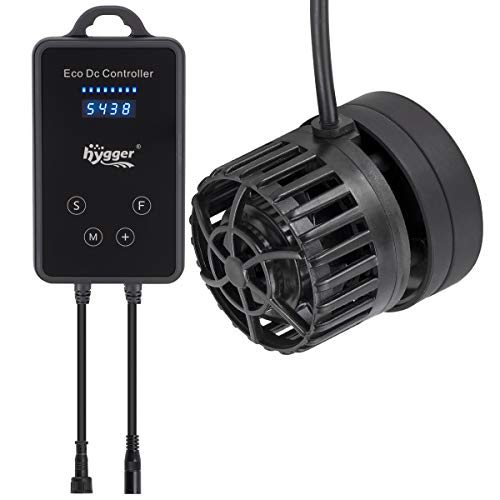
[Customize Current] A smart wavemaker, build in controller that enables to mimic ocean waves by setting various flow modes, power and frequency according to sunrise and sunset, day and night; Customize an ideal natural current for your coral to thrive with hygger Mini Powerhead Controller
How Much Should You Budget for Aquascaping and Water Preparation?
Budgeting for aquascaping and water preparation varies based on tank size and complexity, but you should plan for both initial setup costs and ongoing expenses. For hardscape rocks, expect to spend around $15 to $40 for small tanks, with costs increasing for larger or more elaborate arrangements. Natural-looking aquascapes typically require fewer rocks, which can help manage costs. Substrate expenses usually range from $10 to $30, depending on depth and tank footprint. Water preparation costs include marine salt mix and consumables, averaging approximately $50 each month. As your tank size grows, these ongoing costs will increase, especially for regular water changes and maintaining proper lighting to support healthy corals and aquatic life. Proper budgeting ensures you can sustain optimal conditions without surprises down the line. Additionally, investing in quality lighting and filtration equipment can improve the overall health and appearance of your aquarium, potentially reducing long-term maintenance costs. Being aware of initial setup investments can help prevent unforeseen expenses later on, and understanding the long-term operational costs allows for better financial planning.

Adjustable length: Hanging lanyard Systems, 5 ft (1.5 m) Rope length, lighting Light Suspension wire can be adjusted freely within 1.5m according to your need
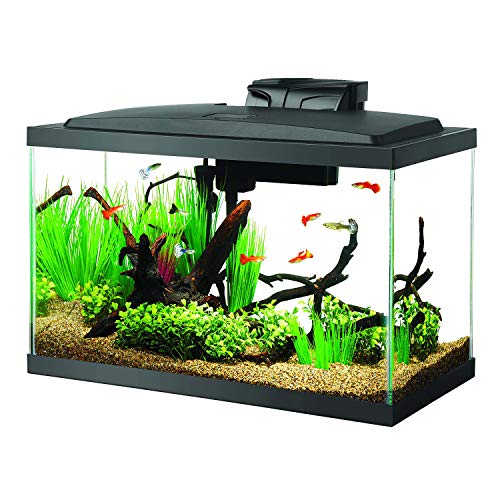
PERFECT FOR BEGINNERS AND SEASONED aquatic hobbyists; user-friendly setup designed for quick assembly

5 gallon glass aquarium starter kit
What Will You Spend on Livestock Like Fish and Corals?
The cost of livestock varies widely depending on the species and quality, significantly impacting your overall aquarium budget. Saltwater fish typically range from $20 to over $200 each, with rarer, more colorful, or larger specimens costing more. Corals are a major expense starting around $10 for basic varieties but can reach hundreds of dollars for high-quality, vibrant colonies. Invertebrates like shrimp and snails add to the costs, especially in larger tanks or reef setups. The overall livestock budget depends on the size of your tank and your desired level of decoration. Heavily stocked reef aquariums can easily exceed $1,000 for livestock alone. Remember, the more vivid the fish coloration or coral quality you choose, the higher the price, making careful selection essential for managing expenses. When planning your purchase, consider the types of aquarium plants that can enhance your tank’s appearance without significantly increasing costs. Additionally, understanding aquarium water stability is crucial to ensure your livestock thrive and to prevent costly health issues. Proper tank cycling is also vital to establish a healthy environment, which can influence the longevity and cost-effectiveness of your setup.
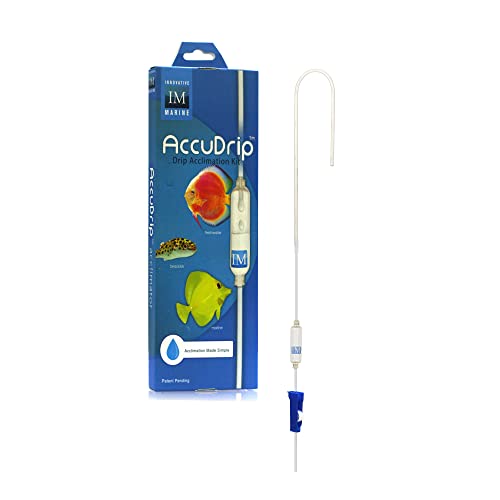
Customize acclimation rates for any new additional into your aquarium

Premium Low Iron Ultra-Clear Glass: Enjoy crystal-clear views with high-transparency, low-iron glass that reduces greenish tint and enhances the beauty of your saltwater aquarium.

The product quantities:2 units 46.5CM/18.3 Inch coral feeders and 1 units coral frag Curved tweezers and 1 units aquairum coral reef frag Straight tweezers
How Much Do Monthly Operating Costs Usually Add Up To?
Monthly operating costs for a saltwater aquarium typically range from $25 to over $300, depending on various factors. Electricity is often the largest expense because pumps, filters, lighting, and heaters tend to run continuously. Reef systems with chillers can significantly increase costs, sometimes exceeding $300 each month. Additionally, floating aquarium plants can help reduce the need for some equipment, potentially lowering energy consumption and costs. Proper system setup is crucial to optimize energy use and keep costs manageable. Lighting and filtration alone can cost between $10 and $30 monthly. Salt mix and water changes generally add another $10 to $30. Food, additives, and supplements usually amount to $25 to $50 per month. Replacing filters, media, and parts can cost from $20 to $70 monthly. Maintaining a balanced ecosystem is essential to minimize ongoing expenses and ensure the health of your tank.
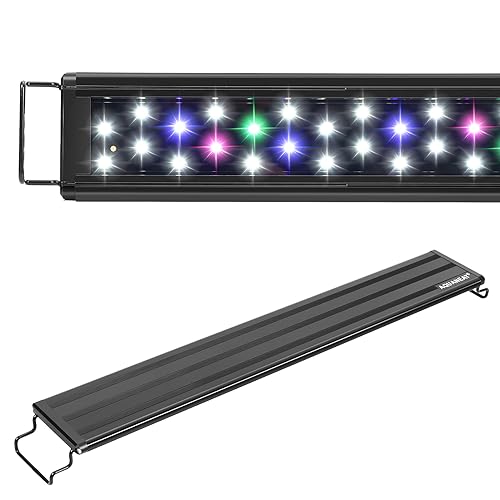
Work best on 2.5 gallon tanks with 12 inches long; with two extendable brackets, this light also fits for fish tank from11 inch to 14 inch long

Feng Shui-Inspired Design: Creates positive energy and harmony in your space while providing an elegant, decorative centerpiece
Work best on 15 gallon tanks with 24 inches long; with two extendable brackets, this light also fits for fish tank from 24 inch to 30 inch long
How to Budget Effectively for a Basic or Premium Saltwater Aquarium
A budget of approximately $500 to $3,000 is typical for a basic saltwater aquarium setup. This range covers essential equipment such as the tank, stand, heater, filter, live rock, and substrate. Prioritize investing in a reliable lighting system that supports fish and coral health. Additional costs include fish food tailored to your species and the necessary testing kits for water parameters. As your aquarium matures, you may want to upgrade lighting to enhance coral coloration or growth. Keep in mind that ongoing expenses like salt mix, water additives, and maintenance supplies can add up over time. If you’re considering a larger or more sophisticated system, expect to spend $17,000 or more, especially for customized tanks with advanced lighting, filtration, and automation features. Livestock and equipment upgrades can significantly increase your expenses, so plan your purchases in stages to stay within your budget.
Tips for Saving Money on Your Saltwater Aquarium Without Compromising Quality
Purchasing used equipment is one of the most effective ways to save money on your saltwater aquarium without sacrificing quality. Look for reliable sources such as local fish stores, online marketplaces, or aquarium hobbyist groups. Before buying, always test used gear like filters, lights, and pumps to ensure they operate properly and check for leaks or damage. Buying locally often helps you avoid high shipping costs, and seeing equipment in action gives you peace of mind about its condition. This approach allows you to get high-quality gear at a fraction of the new price, leaving more budget for livestock and supplies. Inspecting equipment thoroughly before purchase can help identify potential issues early. Additionally, understanding aquarium setup costs can help you plan your budget more effectively. Buying in bulk for supplies like salt and media can further extend your savings and reduce frequent trips to purchase essentials. Remember that knowing where to look for secondhand gear can significantly influence how much you save.