
Figuring out how much food your betta needs can feel tricky, but it’s simpler than you might think.
Feeding him just the right amount helps keep him healthy and happy.
Typically, offering 2 to 4 pellets or a small pinch once or twice a day works well.
The key is avoiding overfeeding and watching for signs of discomfort.
Keep reading for all the details on proper betta feeding.
How Much Food Should You Give Your Betta for Optimal Health?
To keep your betta healthy, feed it about 2–4 pellets per meal or a small pinch of food, totaling roughly 3–6 pellets each day. Each feeding should be completed within 1 to 5 minutes to prevent overfeeding and water contamination. Smaller meals are safer because bettas have tiny stomachs and can’t process large amounts at once. Overfeeding can cause bloating, constipation, and water quality issues, all of which can dull your betta’s colors and compromise its health. Adjust the portion size based on your fish’s size, activity level, and metabolism to provide adequate nourishment without excess. Proper portioning promotes better digestion and helps prevent health issues and promotes a longer, healthier life for your betta. Additionally, maintaining the appropriate habitat conditions, such as proper lighting, heating, and water quality, is essential for your betta’s overall well-being. Regular monitoring of water parameters ensures a stable environment and supports your betta’s health.

Contains one (1) API BETTA FOOD Fish Food Pellet .78-Ounce Container

Betta fish food that contains up to 40%, nutrient-rich Black Soldier Fly Larvae, the first ingredient

Daily diet perfectly suited for bettas and their high stress nature
What Types of Food and Pellet Sizes Are Best for Bettas?
Choosing the right types of food and pellet sizes is crucial for your betta’s health and vibrancy. Small pellet sizes, often called micro pellets or micro granules, are best because they fit comfortably in your betta’s mouth and are easier to digest. Look for high-quality betta-specific pellets with a protein content of at least 30%, with ingredients like fish meal, shrimp meal, or krill. Combining these pellets with natural live foods such as bloodworms or brine shrimp provides enrichment and nutritional variety. Frozen options make excellent supplements, offering a protein boost without replacing staples. Dry foods like flakes can be used occasionally but should be considered secondary options and fed sparingly. Always prioritize quality ingredients and appropriate pellet sizes to support your betta’s health effectively.

Ideal For: Betta Fish, Tetras, Barbs and other small mouthed tropical fish.

Zoo Med Laboratories Etta Micro Pellet Food

Tropical fish food that contains up to 40%, nutrient-rich Black Soldier Fly Larvae, the first ingredient
How Often Should You Feed Your Betta Each Day?
Most adult bettas do best with one or two small feedings daily, depending on their size and activity level. Twice a day, spaced about 6 to 8 hours apart, is common practice. During each feeding, offer 2 to 4 pellets, ensuring your betta can finish quickly to prevent overfeeding. Some owners opt for a single daily feed, providing 4 to 6 pellets, especially if their fish readily consume the entire meal. Always monitor your betta’s response to the amount, adjusting as needed. Be cautious not to overfeed when tankmates are present, as excess food can foul the water and harm your fish. Establishing a consistent routine helps maintain water quality and keeps your betta healthy. The goal is small, regular meals that match your fish’s appetite and digestion pace. Following a consistent schedule aligns with their natural feeding behavior and supports overall health. Additionally, understanding the proper feeding amount for bettas helps prevent issues like overfeeding and water contamination. Maintaining stable water temperature and quality is also crucial for their well-being.

BETTA FORMULATION: Nutritionally balanced diet is an ideal daily staple food for your Siamese fighting fish (betta splendens) and other top-water feeding tropical fish.
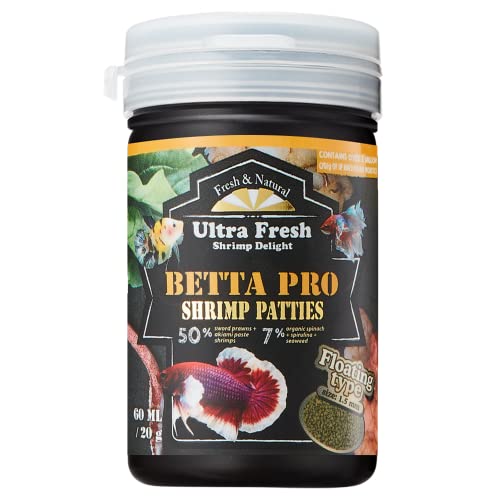
High Palatability : Sword Prawn Flavor - A blend of wild sword prawns, akiami paste shrimp, vegetables and seaweed. A perfect 8:2 meat/vegetable protein ratio even the pickiest betta can’t resist

Bio-Technology provides active color enhancement
How to Recognize Signs of Overfeeding and Underfeeding
Signs of overfeeding include a swollen or distended belly that remains enlarged after meals, indicating that the betta’s digestive system is overwhelmed. Excess food and waste may float on the surface or settle at the bottom of the tank, leading to cloudy water and increased waste buildup. Overfed bettas often exhibit lethargy and reduced activity, as their systems struggle with digestion, and they may have difficulty swimming. Conversely, underfeeding is indicated by a gaunt, thin, or tucked-in body with a lack of fullness, and the fish may appear constantly hungry. They might swim weakly or hide more often, signaling insufficient nutrition. Paying close attention to these signs helps you adjust feeding habits to keep your betta healthy and active. Monitoring tank conditions and proper habitat setup also plays a key role in maintaining your fish’s overall health. Regularly observing your betta’s behavior and physical appearance allows you to identify nutritional issues early and make necessary adjustments. Additionally, understanding the feeding schedule helps prevent issues and promotes optimal health.
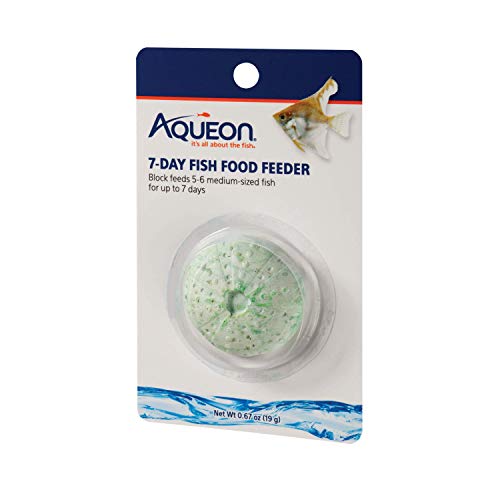
Nutritious food ingredients that fish are naturally attracted to

Accurate Food Amount :Compared with ordinary fish feeders with only one compartment, Petbank updated automatic fish feeder contains 16 grids in total, which is able to provide 15 individual meals, convenient to store a variety of food. Each grid holds up to 2g, ensuring high food accuracy. Note: Please don't store fish food at the outlet compartment

Scientifically Developed Diet For All Types Of Bettas
Creating a Weekly Feeding Routine and Including Fasting Days
Establishing a routine of 1–2 small feedings per day, ideally in the morning and evening, helps maintain your betta’s health and water quality. Each feeding should consist of about 2–4 pellets, depending on the size and appetite of your fish. Incorporating a fasting day once a week allows the digestive system to rest and clear, which can prevent bloating and intestinal issues. On feeding days, you can rotate between high-quality pellets and occasionally include frozen or live foods to add variety without compromising tank cleanliness. If your betta tends to leave uneaten food, divide the daily ration into smaller meals to avoid waste. Consistently feeding at the same times fosters a routine that your fish will adapt to, making care simpler and more predictable. Research shows that a regular feeding schedule combined with fasting enhances the overall health and vitality of bettas. Establishing an appropriate feeding amount is essential to prevent overfeeding and maintain water quality. Additionally, knowing the exact nutritional needs of bettas helps ensure they receive a balanced diet for optimal health. Fasting days and controlled feedings significantly reduce waste buildup, helping maintain clear water and a healthier environment.

Bottom feeder fish food that contains up to 40%, nutrient-rich Black Soldier Fly Larvae, the first ingredient

Contains one (1) API BOTTOM FEEDER PELLETS WITH SQUID Fish Food 7.9-Ounce Container

Easily Setup & 3 Kinds Smart Interval Feeding Modes: The Aoyar automatic fish feeder has 3 fixed feeding modes,just press the button on the settings page,it will automatically rotates feeding every 8/12/24 hours.Easily operation.You also can feed fish at any time via manaual modes ,enjoy the fun of feeding fish in your leisure time.(Small fish are recommended feeds every 24 hours).
Tips to Avoid Common Feeding Mistakes and Keep Your Betta Healthy
To keep your betta healthy, avoid common feeding mistakes by measuring portions carefully. Overfeeding can lead to bloating, lethargy, and water quality issues. Offer a pellet about the size of one of your betta’s eyeballs, and quickly remove any leftovers to prevent water pollution. Feeding small, consistent meals prevents digestive problems and promotes vibrant colors. Never rely solely on your betta’s appetite to determine how much to feed, as this often results in overfeeding. Choose high-protein pellets with minimal fillers, and pre-soak dried foods to reduce the risk of constipation. Maintaining a regular feeding schedule and observing your betta’s activity and appearance helps ensure a healthy, colorful, and clean environment. Proper dietary practices are essential for promoting a healthy and thriving aquarium habitat. Additionally, selecting the right filter can help maintain optimal water quality, supporting your betta’s overall health and wellbeing.