
Wondering how many discus you can keep in a 75-gallon tank? Typically, six to seven adult discus fish are ideal for keeping them healthy and socially active.
You might get away with up to ten if you’re diligent with water changes, filtration, and providing enough hiding spots.
Keep in mind, overcrowding can cause stress and health problems, so manageable groups are best.
What follows will give you all the tips to create a thriving discus community.
What Is the Ideal Number of Discus for a 75-Gallon Tank?
For a 75-gallon tank, keeping about six to seven adult discus is ideal if you maintain regular water changes. This number provides enough space to reduce territorial aggression and stress while ensuring stable water chemistry. If you perform less frequent maintenance, limiting the group to around five discus helps prevent nitrate buildup. With diligent water management and ample hiding spots, supporting up to ten discus is possible but requires careful oversight. Choosing the right number of fish ensures a healthier environment, promotes social behavior, and keeps your discus thriving. Proper tank stocking and setup also depends on the appropriate habitat setup, including lighting, filtering, and plant coverage. Maintaining correct water parameters is essential for the health and harmony of your discus community.

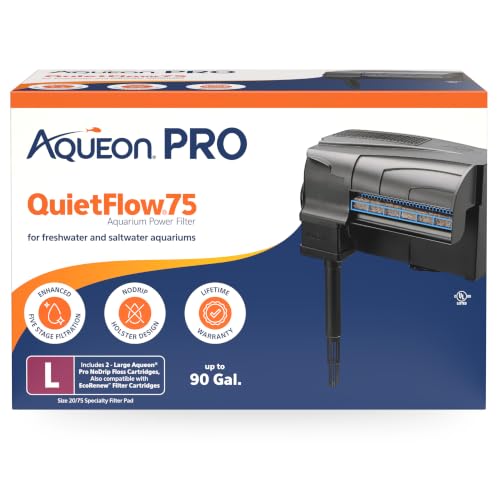
POWERFUL 5-STAGE FILTRATION SYSTEM: Dense floss for particles, carbon to remove toxins and odors, Bio-Holster and Bio-Media grid for biological filtration. Specialty pad for customized filtration.

WITH BIO-WHEEL TECHNOLOGY: BIO-Wheel technology provides wet/dry biological filtration.
Factors That Influence Discus Stocking Levels
Several key factors influence how many discus you can safely keep in a 75-gallon tank. Water temperature must stay stable between 82 and 86°F to promote healthy growth and reduce stress. Fluctuations outside this range can weaken the fish and increase susceptibility to disease. Feeding frequency also plays a role; providing 2 to 3 small meals daily helps control waste production and eases the workload on your filtration system.
As discus mature, they require more space, so stocking levels should decrease to accommodate larger adult fish. Keeping at least 5 to 6 discus together forms a social group that minimizes stress and reduces territorial aggression. Overcrowding can lead to conflicts, so ensuring enough room prevents territorial disputes. Maintaining good water quality is critical for healthy discus, and consistent monitoring helps prevent problems before they arise.
Your maintenance routine and filtration capacity are crucial. An efficient filtration system and regular water changes help manage waste and maintain water quality, enabling you to keep a higher number of healthy fish. Proper water parameters, such as water parameter stability, are essential for a healthy and thriving discus community. For precise understanding, recognizing the importance of filtration capacity can help prevent common issues related to water quality. Ultimately, balancing these factors will help you determine a safe stocking level for your 75-gallon discus tank.

CRYSTAL CLEAR WATER – Unlike other fish tank filters on the market, the Atlantis Aqua fish tank water filter draws water through the bottom of the filter, rather than the sides. This means the water travels through the full fish filter system rather than taking the easiest path and being partially filtered, like other aquarium filters.
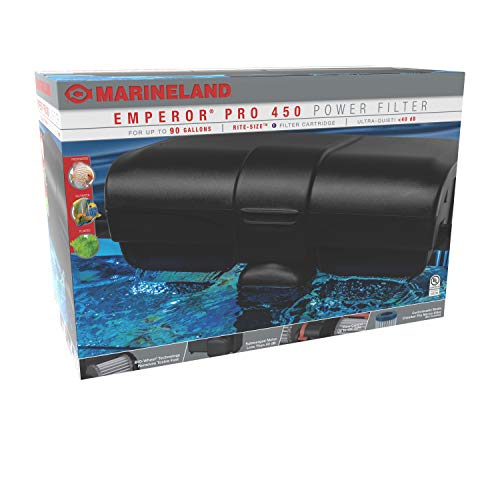
WITH BIO-WHEEL TECHNOLOGY: BIO-Wheel technology provides wet/dry biological filtration.

Indicator Light Reminder: It works by detecting that water starts to overflow around the filter chamber due to the cartridge being clogged and the LED indicator light will turn on to remind you to replace filter pads
How Water Quality and Maintenance Support Discus Health
Maintaining the highest water quality is essential for keeping discus healthy. Aim for a stable pH between 6.0 and 7.0, as fluctuations can stress the fish and lead to disease. Consistent water flow and circulation keep oxygen levels high and help disperse waste, which supports overall health and reduces the risk of infections. It’s crucial to keep ammonia and nitrite levels at zero; even small spikes can cause immediate stress and weaken your discus immune system.
Regular testing of water parameters is necessary—at least weekly—to detect any issues early. Performing water changes of 25% to 50% each week helps dilute toxins, restore mineral levels, and keep the environment stable. Using appropriate filtration with sufficient biofiltration capacity maintains clear water and encourages the growth of beneficial bacteria that convert harmful waste into less toxic substances. Additionally, properly conditioning tap water and using reverse osmosis (RO) water when required ensures your water parameters stay within the ideal range for discus health. Proper water parameter management is key to creating a stable, vibrant environment that supports your discus and minimizes disease risk. Maintaining a stable environment also involves monitoring other factors like temperature and overall tank stability to prevent stress and promote health. Ensuring proper water testing techniques helps you keep track of these critical factors accurately and consistently.
Choosing Between Juvenile and Adult Discus for Your Tank
Juvenile discus are generally recommended for a 75-gallon tank because they allow for higher initial stocking densities and easier group management. Well-loaded with 10 to 12 juveniles, your tank can promote social stability and even growth, as these younger fish tend to establish compatible groups and display vibrant colors with proper care. They are more adaptable to group dynamics and can be kept together more comfortably than adults. Larger tanks also provide ample space for juveniles to grow without feeling overcrowded, which is crucial for their development. Additionally, starting with juveniles can simplify behavioral management, making it easier to observe natural social interactions from an early stage. Proper tank conditions are essential for juvenile health and growth, especially as they transition into adulthood. Maintaining optimal water parameters and cleanliness supports their immune systems during these sensitive stages. Starting with juveniles is ideal if you prefer a lively, colorful display from the outset and are prepared for the eventual upgrade or re-homing of some fish.

CONVENIENT: Clear canopy has a hole for easy feeding.

HIGH-POWER TANK WATER STARTER – MicroBacter Start XLM is a 15x concentrated blend to kickstart biological filtration in new and existing saltwater aquariums. It provides a flourishing underwater environment with live, non-pathogenic microbes

Contains one (1) API QUICK START 16-ounce, one (1) API STRESS COAT 16-ounce, and one (1) API AQUARIUM SALT 16-ounce
Risks of Overstocking and Common Mistakes to Avoid
Overstocking your discus tank can lead to serious issues. The general rule is to keep no more than one inch of fish per gallon of water, which means a 75-gallon tank should hold around 75 inches of fish total. Overcrowding causes stress, weakening discus health and increasing aggressive behavior. It also reduces oxygen levels, leading to hypoxic conditions that harm your fish. Maintaining water quality becomes challenging, raising the risk of ammonia and nitrite spikes, organic buildup, and disease outbreaks. Common mistakes include adding fish during the nitrogen cycle or overloading your filtration system with too many fish at once. Overstocking means more frequent testing, water changes, and maintenance. Poor tank decoration and inadequate filtration only make these problems worse. To avoid these issues, keep stocking levels conservative, ensure your filtration system is sufficient for your number of fish, and stick to a consistent feeding schedule. This helps prevent excess waste buildup and reduces stress across your discus group. Additionally, understanding the importance of proper stocking levels is crucial to maintaining a healthy and balanced aquatic environment. Recognizing the role of filtration capacity can help prevent water quality issues and support a thriving fish community, especially when paired with regular water testing to catch problems early.

【PACKAGE CONTENTS】:Main Filter Unit, U-V Light, Rich Filter Media Set (Reusable Activated Carbon, Reusable Ceramic Balls, Reusable Filter Sponge, Reusable 2× Filter Socks), Nice Packaging Box

【Efficient Filtration Capabilities】 The PondForse canister filter utilizes multiple layers of filtration media to remove particles and impurities from the aquarium water. This comprehensive approach to water filtration helps maintain crystal-clear water and a healthy ecosystem for your aquatic pets.

【Efficient Filtration Capabilities】 The PondForse canister filter utilizes multiple layers of filtration media to remove particles and impurities from the aquarium water. This comprehensive approach to water filtration helps maintain crystal-clear water and a healthy ecosystem for your aquatic pets.
How to Maintain Stable and Stress-Free Discus Groups
Maintaining a group of six adult discus fish creates a stable social environment that reduces bullying and encourages natural behaviors. Larger groups tend to display less aggression and provide more opportunities for schooling, which reduces stress. Proper tank decoration and strategic placement help minimize territorial disputes by offering hiding spots and visual barriers. Regular water changes of 30 to 50 percent weekly keep ammonia and nitrites at zero, preventing stress and health issues. Consistently monitor temperature between 82 and 86 degrees Fahrenheit and keep pH levels from 6.0 to 7.0 to maintain soft water conditions. Use gentle filtration with a turnover rate of five to ten times the tank volume per hour, and perform regular substrate cleaning to prevent waste buildup. Keeping water parameters stable and providing appropriate decor foster a peaceful environment, making your discus more comfortable and less prone to stress. Additionally, selecting the right tank size and setup is essential for maintaining healthy discus groups, and ensuring proper social dynamics can also help in maintaining a harmonious group. Creating a stress-free environment involves understanding fish behavior and recognizing signs of discomfort early.

Product Scope : designed for filtration in s saltwater aquariums, can be customization of space for protein skimmer, media reactor, refugium and other equipment

NOMINAL CAPACITY DESIGN: 3.2-gallon nominal air capacity provides approximately 2.0–2.3 gallons of usable water depending on system pressure.

FILTRATION PRINCIPLE: The built-in pump draws dirty water through the inlet tube, while surface water enters through the oil skimmer to help remove surface film. Water then passes through 4 stages of filter media before clean, filtered water flows back into the aquarium through the outlet
Summary: The Safest Discus Stocking Advice for 75-Gallon Tanks
A 75-gallon tank can comfortably house 6–7 adult discus, which is generally considered the safest stocking level. This conservative number ensures stable water parameters and reduces stress and territorial disputes among the fish. Keeping fewer discus makes it easier to maintain excellent water quality, crucial for their health. Some experienced hobbyists may try 8–10 adults, but this requires rigorous water changes, meticulous maintenance, and high-quality feeds. Discus are slow feeders and need frequent, specialized feeding routines to prevent competition and aggression. Overall, the ability to sustain clean, stable conditions determines how many discus your tank can support safely without compromising their well-being. Additionally, sponge filters are often recommended for discus tanks due to their gentle filtration and high surface area for beneficial bacteria. Proper tank size and careful monitoring are essential for a successful discus community.