
Wondering how many angelfish you can keep in a 55-gallon tank? Typically, you can comfortably house about 4 to 6 adult angelfish, depending on their size and behavior.
Starting with juveniles is a good idea, but you’ll need to adjust as they grow beyond six inches.
The key is providing enough space and proper care to keep everyone happy and healthy.
How Many Angelfish in a 55-Gallon Tank?
You can keep up to four adult angelfish in a 55-gallon tank. This number provides enough space for their adult size, which typically reaches 6 inches in height and width, and helps prevent territorial disputes and stress. Overcrowding beyond four or five adults risks increasing aggression, deteriorating water quality, and causing health problems. Juvenile angelfish, however, can be stocked more densely—around five to six—since they are smaller and less territorial. Keep in mind that as angelfish mature, they tend to become more territorial, making adequate space even more important for maintaining harmony and supporting breeding behaviors. Proper stocking, along with stable water chemistry, ensures healthier, less stressed fish and promotes successful breeding when desired. Additionally, maintaining proper tank dimensions is crucial because sufficient height and adequate space reduce aggressive behavior and support their vertical swimming nature. Ensuring that the aquarium has a well-balanced aquascaping design can also help to create hiding spots and territories, reducing potential conflicts. Creating a natural environment with plants and decorations can also help escalate their natural behaviors and territory establishment, promoting overall well-being. Moreover, providing appropriate water flow and filtration can contribute to stable water conditions, which are essential for reducing stress and encouraging natural behavior.
What’s the Ideal Number of Angelfish for a 55-Gallon Aquarium?
For a 55-gallon aquarium, stocking 4 to 6 adult angelfish is ideal. This range provides enough space for healthy social interactions without overcrowding, which can lead to stress and aggression. Keeping two pairs within this group helps prevent territorial disputes and encourages calmer behavior. Juvenile angelfish can be initially stocked at higher numbers, around 5 to 6 fry, but you will need to monitor their growth and rehome excess fish to keep territorial behavior in check later. Ensuring strong water filtration is crucial to handle the waste produced by multiple fish, while appropriate lighting promotes healthy plant growth and minimizes stress. Starting with fewer angelfish and gradually adding more as they grow can help prevent aggressive behavior and ensure a harmonious environment. Additionally, choosing the right aquarium filter is essential to maintain optimal water quality for a thriving angelfish community. Regular water testing ensures that parameters stay within safe ranges as your fish population increases.
How Does Tank Size and Environment Affect Angelfish Stocking?
The size and environment of your tank are crucial in determining how many angelfish you can keep safely. A taller, 55-gallon tank provides ample vertical space, which helps reduce crowding and allows angelfish to swim freely while maintaining their territorial boundaries. A well-planned lighting setup supports healthy plant growth, which in turn helps control algae through nutrient absorption. Dense planting and plenty of hiding spots break up sight lines, alleviating territorial disputes and reducing stress. Proper tank environment is essential for maintaining water quality, as stable conditions help prevent common issues like disease and stress-related health problems. An environment that offers complexity, stability, and clean water is essential, especially as the bioload increases with more fish. Regularly monitor water parameters such as ammonia, nitrite, nitrate levels, and pH, adjusting stocking levels to maintain optimal conditions. Creating and maintaining a balanced ecosystem is key to ensuring your angelfish thrive in a healthy environment. Additionally, understanding the importance of filtration efficiency can significantly influence water quality and fish health. A carefully designed environment with enough space, plants, and hiding spaces ensures your angelfish stay healthy, vibrant, and less prone to aggression.
Signs Your Tank Is Overcrowded With Angelfish
Behavioral conflicts are often the first indicators of overcrowding. If you notice frequent chasing, nipping, or aggressive territorial displays, your tank may be too full. Increased aggression, especially after feeding or during movement, signals limited space, which disrupts normal social interactions. Water quality quickly deteriorates when the bioload exceeds your filtration capacity, leading to spikes in nitrate and ammonia levels even after regular water changes. Proper tank size is crucial for maintaining healthy fins and preventing infections; when the tank is too small, stress can make fish more susceptible to illness. Reducing territorial behavior and providing adequate space helps maintain peaceful interactions among your angelfish. Proper aquarium management techniques, such as regular water testing and maintenance, are vital to keeping stress levels low. Reduced swimming and hiding behaviors also suggest overcrowding, as angelfish have insufficient room to move freely or escape stress. During feeding, competition becomes intense, with some fish struggling to eat or displaying aggressive behavior, further indicating social pressure from limited space. Overcrowding weakens your fish’s immune system and raises disease risk due to stress and poor water conditions. Additionally, overcrowded tanks hinder proper aquarium maintenance, making routine cleaning and water changes more challenging. Regularly monitoring these signs helps you maintain a healthy, balanced environment for your angelfish.

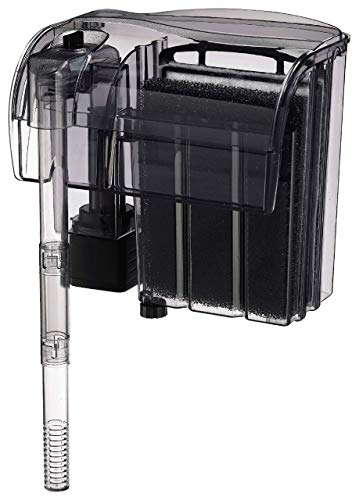
【Small Aquarium Filter】- Produces clean water and provide aeration, while taking up less space and using less energy. Ideal for 5 to 15 gallons tanks


WITH ROTATING BIO-WHEEL: Patented Bio-Wheel technology provides excellent wet/dry biological filtration.
Best Practices for Raising Juvenile Angelfish in a 55-Gallon Tank
Starting with five or six juvenile angelfish in a 55-gallon tank creates a stable environment for healthy growth and natural pairing. Aim to feed them small, frequent meals such as high-quality flakes, baby brine shrimp, or bloodworms. This approach supports rapid development. Keep the water temperature between 76 and 80°F to promote growth and decrease stress. Regular water changes are crucial to maintaining stable water quality and preventing harmful buildup of ammonia and nitrites. Providing plenty of plants or hiding spots helps boost their sense of security and stability. Adequate water quality management is essential to foster healthy development and prevent disease. Proper filtration systems contribute significantly to maintaining optimal aquarium water quality, ensuring clean and healthy conditions for your juveniles. As the fish grow, monitor their size and behavior closely, removing any excess fish if necessary to reduce aggression and ensure even growth. Choosing the right tank glass is essential for a healthy environment, as it ensures durability, safety, and clear visibility for observing your juveniles. Maintaining this high-quality environment, along with proper feeding and temperature control, will help your juveniles reach maturity healthily and prepare them for future pairing and adult stages.

CRYSTAL CLEAR WATER – Unlike other fish tank filters on the market, the Atlantis Aqua fish tank water filter draws water through the bottom of the filter, rather than the sides. This means the water travels through the full fish filter system rather than taking the easiest path and being partially filtered, like other aquarium filters.
Stage one - mechanical: Advanced multi-layered polyfiber floss traps micro & macro organic particles and foreign debris

CRYSTAL CLEAR - Reducing the number of times the fish tank needs to be changed. Aquarium air pump, filtration, water pump, and water waves making all in one multi-functional underwater aquarium filter.
How to Reduce Aggression and Territorial Behavior in Angelfish Groups
Providing ample space is essential for reducing aggression among angelfish. A minimum of 55 gallons is recommended for a group, as it allows each fish to establish its own territory and minimizes competition. Larger tanks give fish room to retreat, which decreases stress and fighting. Incorporating plants, rocks, and driftwood creates natural hiding spots and visual barriers, helping to break up sightlines and prevent constant rival monitoring. Regularly rearranging décor also disrupts established territorial boundaries, encouraging more relaxed behavior and preventing dominant fish from establishing permanent control. Maintaining a balanced male-to-female ratio further reduces the likelihood of any one fish becoming overly aggressive or territorial. Proper tank size reduces stress, which is crucial for preventing aggression. Additionally, accurate tank measurements help ensure that the environment remains suitable as the fish grow and as different species are introduced. Monitoring fish behavior closely can also provide early signs of territorial disputes or stress, allowing for timely intervention. A well-designed environment with appropriate tank setup supports overall harmony among angelfish. Overall, managing space, hiding places, and environment layout helps foster a peaceful group dynamic among angelfish.

Create Picturesque, Realistic Habitat For Shrimps --- Shrimps are uncomplicated pets to take care of. However, their development should not be taken for granted. The 3-piece Cholla Woods by SunGrow is the raw dried husk of the Cholla cactus. It has a soft texture and porous structure that allows you to create an original environment needed by your pets for their overall growth.

Realistic craftsmanship - This realistic aquarium plants is made of high quality resin, every detail with carefully crafted to retain the original beauty of wood. The leaves are soft and the edges are smooth, which won't torn the fish fins or harm the reptiles. This ornament is realistic and has a high-quality texture, presenting a natural beauty which resembles an artwork washed ashore by the waves. Whether viewed from a distance or up close, the meticulous craftsmanship is evident.

Naturally large driftwood ranges from 10 to 14 inches long and is suitable for aquarium sizes. Each branch displays unique shapes and textures that transform your aquarium or reptile habitat into a stunning natural environment
Choosing Compatible Tank Mates for Angelfish in a 55-Gallon Setup
Peaceful species that can coexist with angelfish in a 55-gallon tank include schooling fish like rummy nose tetras, cardinal tetras, and black skirt tetras. These fish have calm temperaments that reduce conflict and create lively, dynamic swimming spaces. Bottom-dwelling fish such as corydoras catfish, bristlenose plecos, and kuhl loaches are good options as they help maintain the tank by controlling algae and staying out of the angelfish’s way. If there is enough space, gouramis, rainbowfish, and danios can also be suitable; however, avoiding overcrowding prevents territorial disputes. Maintaining excellent water filtration and performing regular water changes are essential to keep water quality high, supporting all these peaceful species in thriving together. Additionally, compatibility considerations should always be kept in mind to ensure that certain species are not kept together if their temperaments or water requirements differ significantly. Understanding species behavior can further help in creating a harmonious community tank for your angelfish. Proper tank setup and careful monitoring of interactions are also crucial for a successful aquatic community. Being aware of species compatibility helps prevent potential conflicts and ensures a peaceful environment for all tank inhabitants.

High Palatability : Sword Prawn Flavor - A blend of wild sword prawns, fresh squids, vegetables and seaweed. A perfect 7:3 meat/vegetable protein ratio even the pickiest bottom feeding fish can’t resist. Quickly soften with water and does not disintegrate easily. Suitable for bottom feeder that use live bait as their staple food

5 Peppered CORYDORAS FRESHWATER FISH

Important: Please check your local weather before ordering. Even with double insulation and heat/ice packs, extreme temperatures (below 32°F or above 92°F) can impact shipments. Orders placed during such conditions will not qualify for DOA (Dead on arrival) claims.
How to Adjust Stocking as Your Angelfish Grow
As your angelfish grow past six inches, it’s necessary to reduce your stocking levels to prevent overcrowding. When fish reach this size, their swimming space becomes limited, and the risk of territorial disputes and stress increases. Monitor signs like tighter turning patterns and aggression to identify overcrowding early. As they grow, their waste output also rises, requiring close attention to water quality. Conduct weekly water tests and perform 25 to 30 percent water changes to maintain optimal conditions. Regularly clean and service your filter to handle the increased biological load. Adjust the number of fish gradually, ensuring water parameters stay stable before adding or removing fish based on their growth progress.
Tips for Thinning Juvenile Angelfish Before They Mature
Thinning juvenile angelfish before they mature is crucial to prevent overcrowding and minimize aggression. Focus on a group of 5 to 6 juveniles in your 55-gallon tank. Regularly assess their size, color morphs, fins, and markings. Larger, healthier fish with vibrant colors are typically suitable for future breeding or show purposes. Remove weaker, deformed, or smaller juveniles early, around dime size, to make space for the strongest individuals. Use gentle transfer methods, such as siphoning water first, then carefully moving the fish to grow-out tanks. Keep water quality high with frequent water changes of 30 to 50 percent, especially after thinning. When selecting fish for removal, prioritize physical traits rather than hierarchy to support healthy growth and optimal adult development. Maintaining a stable environment is essential throughout this process to ensure the remaining juveniles continue to grow healthily.
Common Mistakes to Avoid When Stocking a 55-Gallon Angelfish Tank
Overcrowding is one of the most common mistakes to avoid when stocking your 55-gallon angelfish tank. Keep the number of adult angelfish between 4 and 6 to prevent stress, aggression, and health issues. Juvenile stocking guidelines can be misleading if relied upon solely, as they often underestimate the space and social needs of mature fish. Angelfish have long fins and vertical bodies that require ample swimming room, so providing enough space helps reduce territorial disputes. Proper tank size is crucial for maintaining the health and behavior of angelfish. Overcrowding stresses the biological filter and worsens water quality, increasing the risk of disease. Introduce new fish gradually to avoid overwhelming your tank’s ecosystem, and always monitor fish behavior regularly to catch signs of dominance or agitation early. Proper planning and respect for space create a healthier, more peaceful environment for your angelfish.

COMPLETE GLASS AQUARIUM KIT*: The kit includes a 55-gallon glass tank with two hinged hoods for easy access, white LED lights, a Tetra Whisper PF60 Power Filter with two Tetra Large Bio-Bag Filter Cartridges, a 200-watt Tetra heater, a thermometer, a fish net, a Tetra AquaSafe water conditioner sample, a TetraCare brochure and an aquarium set-up brochure.

COMPLETE GLASS AQUARIUM KIT: The kit includes a 55-gallon glass tank with two hinged hoods for easy access, white LED lights, a Tetra Whisper PF60 Power Filter with two Tetra Large Bio-Bag Filter Cartridges, a 200-watt Tetra heater, a thermometer, a fish net, a Tetra AquaSafe water conditioner sample, a TetraCare brochure and an aquarium set-up brochure.

All glass aquarium overflow accessory kit- new