
If you’re wondering how quickly Java moss grows in your aquarium, you’re not alone. On average, it may grow about one to 1.5 inches each month under good conditions.
Its growth rate can vary based on lighting, nutrients, and water flow. Keep reading to learn how to encourage healthier, faster coverage for your moss.
Getting Started With Java Moss: Establishment and Initial Care
To establish Java moss successfully in your aquarium, start by choosing a clean, stable surface such as a rock, driftwood, or mesh. Attach the moss securely with fishing line, mesh, or small rocks, ensuring a close contact with the surface. Before placement, rinse or soak the moss to remove debris and contaminants, keeping it moist during transfer to reduce stress. Prepare the area by loosening the substrate or clearing debris, which helps the moss spread evenly. Plant the moss in a uniform layer, spacing clumps about 6 to 12 inches apart to allow for gradual expansion. Use moderate lighting to support initial recovery and promote healthy growth. Regularly inspect the moss for pests or algae and trim gently to encourage dense, healthy growth from the start. Consistent care and proper environmental conditions are crucial for achieving lush, thriving Java moss in your tank. Additionally, understanding growth rate factors can help you anticipate how quickly your Java moss will develop over time. Recognizing the initial establishment phase can also help you set realistic expectations and avoid overhandling the moss during its early development period. Furthermore, paying attention to lighting and nutrient levels can significantly influence the growth speed and overall health of your moss.
What Is the Typical Growth Rate of Java Moss?
Under ideal conditions, Java moss grows approximately 1 to 1.5 inches per month. This rate applies once the moss has fully settled and established itself on surfaces. Proper water chemistry, sufficient fertilization, and good water circulation are essential to achieve this growth rate. When water flows smoothly, nutrients are evenly distributed, supporting consistent growth. Higher light levels and CO2 injection can boost growth toward the upper limit of 1.5 inches monthly, especially during the moss’s active establishment phase. Conversely, low light or poor water movement can slow growth to less than 1 inch per month, as nutrient availability becomes limited. During the first 3 to 4 weeks, growth remains minimal as the moss attaches and begins to grow. After this initial period, consistent water flow and nutrient supply support a lush, dense moss carpet at the typical growth rate. Maintaining stable water parameters and aquarium conditions is crucial for optimizing Java moss growth. Additionally, ensuring the substrate remains clean and well-maintained can help support healthier and faster growth. Proper maintenance of water quality, including regular testing for key parameters, can also prevent growth constraints and promote healthy plant development.
How Quickly Does Java Moss Spread and Cover Surfaces?
Java moss begins to noticeably cover surfaces within a few weeks after attaching securely. Its spread rate depends heavily on water chemistry, with adequate nutrients and CO2 significantly boosting growth. Under optimal conditions, you can expect Java moss to grow about 2–3 millimeters per day or roughly 1 to 1.5 inches each month. Achieving full surface coverage is a slow process that can take several months since the moss expands mainly by creeping across edges and filling crevices instead of forming instant sheets. Factors like temperature, lighting, and water movement influence how quickly it spreads, with ideal conditions falling within the range of 68 to 82 degrees Fahrenheit. In high-quality environments, the moss can double its coverage area monthly, but overall progress tends to be moderate, so patience is essential for complete coverage. Proper plant placement and suitable substrate also play a crucial role in supporting its growth. Additionally, maintaining stable water parameters helps ensure consistent and healthy growth rates. Ensuring optimal water chemistry is vital for promoting steady Java moss expansion and overall health.
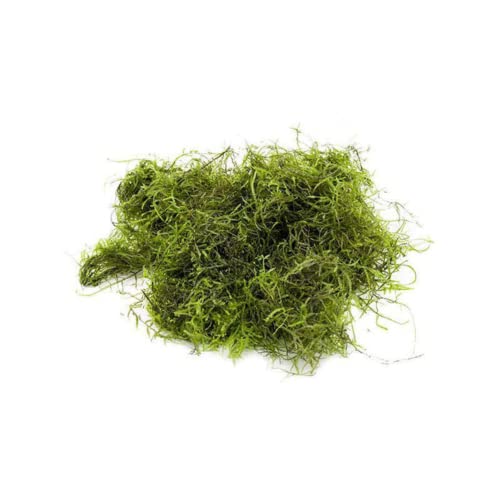
Brand: AquaPlants

LIVE AQUARIUM PLANT - 1 Java Moss (Taxiphyllum Barbieri) golf ball size portion

Swimming Creatures Live Aquarium Plants
What Factors Accelerate Java Moss Growth?
Several factors significantly accelerate Java moss growth when optimized properly. Adequate lighting is essential; providing moderate to high light levels boosts photosynthesis, which in turn speeds up expansion. Aim for consistent, gentle lighting to prevent algae issues while still encouraging healthy growth. Supplementing with CO2 can dramatically increase growth rates—sometimes doubling or tripling it—especially when combined with good lighting and nutrient supply. However, overdoing CO2 injection can stress aquatic life, so balance is key. Nutrients, notably potassium and trace elements, support denser, faster-growing moss. Using liquid fertilizers ensures a steady supply, preventing deficiencies that slow growth. Gentle water flow distributes CO2 and nutrients evenly, ensuring optimal circulation and removing debris, and maintains oxygen levels, all of which foster more vigorous growth. Additionally, good water quality management helps prevent issues like algae overgrowth that can hinder moss growth. Proper parasite control is also important to keep the moss vigorous and free from pests that can impede healthy expansion. By controlling algae and maintaining consistent, favorable conditions, you can significantly speed up Java moss growth.

【For small tanks】Cute and mini, easy to hide in the tank.
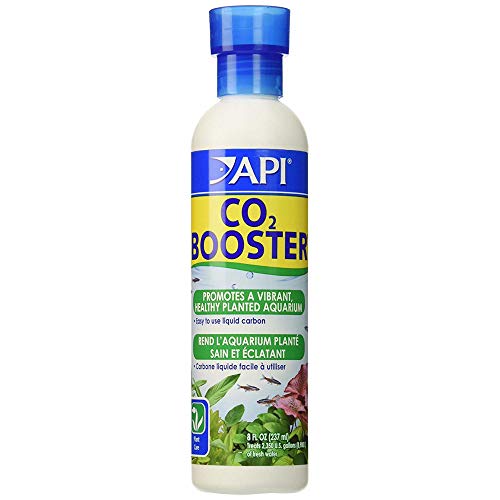
Contains one (1) API CO2 BOOSTER Freshwater Aquarium Plant Treatment 8 fl Ounce Bottle

Made of transparent acrylic, like glass but more durable than glass material, not fragile.
What Conditions Slow Down Java Moss Expansion?
Poor lighting conditions, such as very low or shaded light, significantly slow down Java moss expansion. Insufficient light reduces photosynthesis, resulting in sparse, sluggish growth and less dense mats. When the photoperiod is short or light intensity is weak, the moss cannot produce enough energy to expand properly. Maintaining adequate lighting—ideally bright, indirect light—helps promote healthy and faster growth. Additionally, unstable water parameters like fluctuating pH, hardness, or temperature stress the moss, further hindering its spreading. Water temperatures above 78°F (25.5°C), especially in the 28–31°C range, slow growth markedly. Frequent disruptions, poor water circulation, algae buildup, debris, or physical disturbances also block light and physical attachment points, preventing the moss from expanding effectively. Keeping water stable, clean, and well-illuminated is essential for promoting optimal Java moss growth. Ensuring consistent water conditions and proper lighting is crucial for healthy moss development. Proper aquarium maintenance practices also contribute to a thriving environment for moss growth.

Work best on 10 gallon tanks with 20 inches long for better coverage; with two extendable brackets, this light also fits for fish tank from18 inch to 24 inch long

Product dimension: 13.7”Lx0.7”Wx0.39”. Super bright SMD 5050 LED chip with 18 LEDs White light. Compact in size, requiring no extra space, it fits perfectly on desks, plant stands, living rooms, and dim corners of your home. It doesn't take up valuable space and blends seamlessly with your interior decor.
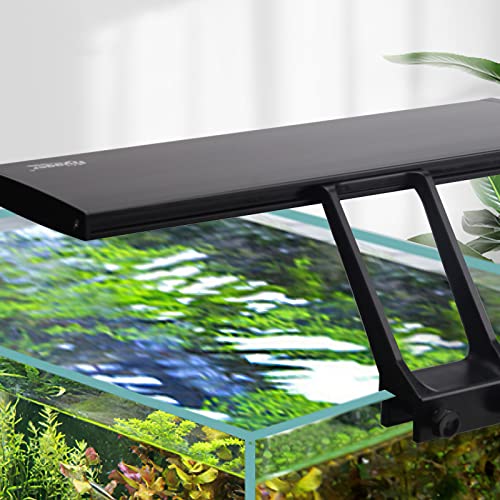
DEFAULT MODE(24/7 Natural Mode): Gradient Orange light (sunrise) from 6am to about 8am; Gradient White light from about 8am to 10:00pm/22:00; Gradient Blue light (moonlight) from about 10:00pm/22:00 to 10:50pm/22:50; The 24/7 lighting aquarium lights are off in other time periods. The overall default time period can be delayed or advanced
How Long Does It Take for Java Moss to Fully Cover Hardscape and Substrate?
Java moss generally takes about 2 to 4 weeks to fully attach to hardscape materials like rocks and wood under stable, well-maintained tank conditions. During this period, you’ll see the moss beginning to spread and cling to surfaces, enhancing your aquascape. Achieving a dense, polished appearance can take an additional 3 to 4 weeks as the moss gradually fills in, especially with proper lighting, nutrient levels, and consistent temperature. Proper pond skimmers can also help maintain water clarity, allowing your moss to thrive better. Additionally, monitoring water parameters closely supports optimal growth conditions, ensuring healthier moss development. Ensuring good nutrient levels in the water is essential for vigorous growth throughout the process. Coverage on the substrate, however, is much slower and can require several months. Regular pruning encourages a more compact growth pattern, which helps fill in gaps faster and maintains a tidy look. With patience and ongoing maintenance, your Java moss will transform your hardscape into a lush, natural display over time.
How Reproductive Is Java Moss? Frequency and Methods
Java moss can reproduce as often as every 1 to 2 days under optimal conditions. Its primary reproduction method is fragmentation, where small pieces break off naturally or through pruning and then attach to surfaces like rocks or driftwood. These fragments rapidly grow into new colonies, allowing the moss to expand quickly. Regular trimming encourages fragmentation by creating more break points, which promotes faster spread. Providing sufficient nutrients through fertilization can also accelerate reproduction, ensuring healthy growth and colonization. Environmental factors such as light, water quality, temperature, and pH significantly influence how rapidly Java moss propagates. Even species known for slower growth can spread quickly when conditions are ideal, making Java moss a resilient, fast-spreading plant in your aquarium. Optimal conditions play a crucial role in maximizing Java moss reproduction rate. Additionally, maintaining consistent water parameters can help sustain its vigorous growth.
Tips to Speed Up Java Moss Growth and Achieve Dense Coverage
To speed up Java moss growth and achieve dense coverage, follow these targeted cultivation techniques. First, optimize your lighting: aim for around 0.5 watts per liter with a photoperiod of 6 to 9 hours. This balance promotes healthy growth while minimizing algae risk. Avoid intense lighting, as it often encourages algae over moss development. Maintain water temperatures consistently between 70 and 75°F to support steady growth. Gentle water flow is essential for evenly distributing nutrients and preventing debris buildup; steer clear of strong currents that can stress or dislodge the moss. Warmer water temperatures around 77-78°F can further enhance growth, as Java Moss thrives in slightly warmer environments. Attach the moss in thin layers to surfaces like driftwood, mesh, or rock, increasing overall surface contact and encouraging spreading. Regular trimming every 2 to 3 weeks stimulates bushier, more vigorous growth. Adding a small amount of liquid fertilizer rich in micronutrients can further enhance expansion by providing essential nutrients. With these techniques, your Java moss will rapidly fill in and create lush, dense coverage.
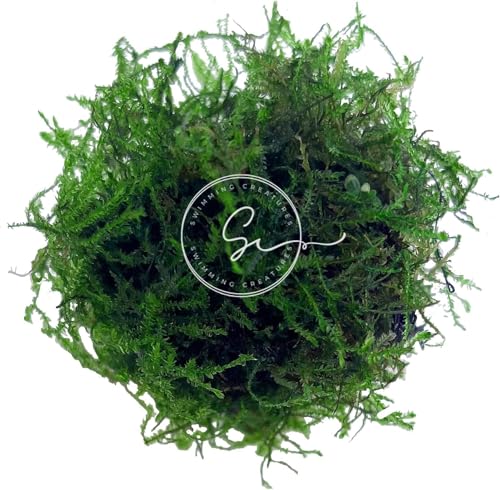
Swimming Creatures Live Aquarium Plants

LIVE AQUARIUM PLANT - 1 Portion, shipped in secured cup, can be used for terrarium, reptile decoration.

5-PACK VALUE BUNDLE — Receive five generous Java Moss (Taxiphyllum barbieri) portion cups, enough to carpet a 10-gallon tank or accent multiple driftwood and rock features. Each portion is freshly harvested from our Texas greenhouse and packed in individual cups for easy handling.
Common Mistakes That Reduce Java Moss Growth and How to Avoid Them
Crowding, poor lighting, and improper water flow are common mistakes that can significantly slow down Java moss growth. When moss mats are too crowded or tightly packed, light penetration is blocked and water movement becomes restricted. This stagnation inside the cluster limits nutrient access and promotes decay. Attaching moss too tightly or forming dense layers also traps debris, creating an environment conducive to algae growth and moss decay. Insufficient or uneven lighting causes moss to grow stringy or stunted, while direct sunlight promotes algae that competes for nutrients. Poor water quality—such as overwatering, excess nutrients, or chemical imbalances—can also stunt growth, brown moss, or lead to decomposition. Additionally, fluctuations in temperature or pH, combined with inadequate water circulation and debris buildup, stress the moss. To support healthy growth, ensure proper spacing between moss patches, provide balanced lighting, maintain stable water parameters, and promote good water flow throughout the tank. Stable water parameters are essential for optimal moss health.

💧3-Pack Shrimp Caves for Crawling & Exploring This set includes 3 round shrimp hides, designed to give small shrimp a place to crawl in and out, rest, and stay out of sight. Ideal for shrimp keepers looking to add structure to their shrimp tank setup.


✅ Unique plants: Java moss doesn’t have roots, which means it can be grown on a variety of horizontal and vertical surfaces inside an aquarium. The easiest use of the plant is carpeting for the bottom of the tank.
Monitoring and Maintaining Optimal Conditions for Java Moss
To maintain healthy Java moss growth, keep water temperature stable between 21 and 24°C. Fluctuations outside this range can stress the moss and hinder its development. Use a reliable aquarium thermometer daily to monitor temperature and adjust your heater or cooling system as needed. Consistent temperature helps promote dense, lush moss patches and prevents stress.
Lighting should be medium intensity within the 5000K to 6500K spectrum. This range mimics natural daylight and encourages healthy photosynthesis. Adjust the photoperiod to around 8 to 10 hours a day—longer periods may promote excessive algae growth, while shorter ones could slow growth. Use a timer for consistency and avoid sudden changes to lighting conditions, which can upset the moss.
Gentle water flow is crucial. A current that circulates nutrients without dislodging the moss is ideal. Use a sponge filter or low-flow pump to achieve this. Strong currents can uproot or damage the moss, so observe how it responds and adjust flow accordingly. Proper circulation ensures ample nutrients reach the moss and prevents algae from taking over.
Maintain stable water chemistry, especially pH, within a range of 5.0 to 8.0. Regular testing helps catch fluctuations early. If pH drifts outside this range, use appropriate buffers or partial water changes to bring it back to neutral. Consistent water chemistry supports healthy growth and reduces stress, which is vital for vibrant Java moss.
Avoid algae overgrowth by preventing excess nutrients. Use balanced fertilization tailored for aquariums, and keep lighting periods within optimal limits. Regularly check water quality parameters such as ammonia, nitrite, and nitrate levels, and perform water changes as necessary. Keeping algae in check helps your moss stay healthy and vibrant.