
Cleaning your aquarium glass can seem tricky, especially when algae and water spots build up. Luckily, with the right tools and techniques, you can keep your tank crystal clear without much hassle.
Knowing how to safely remove debris and stubborn deposits will make your tank healthier and more attractive. Below, you’ll find simple steps to help you achieve a spotless aquarium.
Introduction to Cleaning Aquarium Glass
Regularly cleaning your aquarium glass is crucial for maintaining a healthy environment and a clear view of your aquatic life. Interior glass tends to accumulate algae, especially when aquarium lighting encourages algae growth. This buildup can block light, affecting plant growth and making your fish less active or more prone to hiding. Using an algae scraper or a magnetic cleaner designed for aquarium glass helps remove this film effectively without scratching the surface. It’s also helpful to prevent algae buildup by managing lighting duration and intensity. Proper lighting control can significantly reduce algae proliferation. For exterior glass, wiping down with a soft microfiber cloth and a mild vinegar solution will eliminate fingerprints, dust, and water spots, enhancing clarity. Always ensure your cleaning tools are safe for aquatic environments to avoid introducing harmful substances. Maintaining clean aquarium conditions is essential for supporting the overall health of your tank. Proper cleaning practices support the overall health of your tank. Consistent maintenance not only keeps your tank visually appealing but also supports optimal conditions for your fish and plants to thrive.
How to Clean Aquarium Glass Inside : Step-by-Step
Before you start scrubbing, prepare your equipment and environment. Turn off filters, heaters, and lights to reduce electrical risks and protect your setup from leaks. Wash your hands thoroughly to prevent contamination. Gather essential tools such as an algae scraper, a soft sponge, and a bucket. Check your cleaning pad for trapped sand or gravel, as these can cause scratches and harm your fish. If algae buildup is heavy, lower the water level to expose the affected areas. Use a scraper or magnetic cleaner to remove algae with long, overlapping strokes from the water surface downward. For stubborn spots, soak the area with white vinegar and gently scrub with a soft cloth. Rinsing the glass thoroughly with tank water ensures clarity and cleanliness, removing any residue. Regular maintenance helps in maintaining a healthy aquatic environment and reduces algae growth over time. Using proper cleaning techniques can also prevent damage to the glass, which is crucial for long-term tank durability. Ensuring a clean aquarium environment minimizes stress and health issues for your fish. Once cleaned, restore the water level and turn your equipment back on.

Powerful Magnetic Hold for Effortless Cleaning: Equipped with rare-earth magnets, the inner brush locks firmly in place against the tank wall, providing strong resistance to rotation while you scrub. No slipping means you power through tough dirty with less effort.Size S: Suitable for 0-0.25 inch thicknesses fish tanks.

Enhanced Magnetic Performance — Utilizing reinforced rare earth magnets, this aquarium glass cleaner delivers exceptional magnetic force. Unlike other cleaners that may detach due to weak magnetism, our algae scraper features significantly stronger magnets for reliable, consistent performance. The permanent magnets ensure that magnetic strength remains strong even after prolonged use. Suitable for glass or acrylic aquariums up to 12.7mm (0.5inch) thick
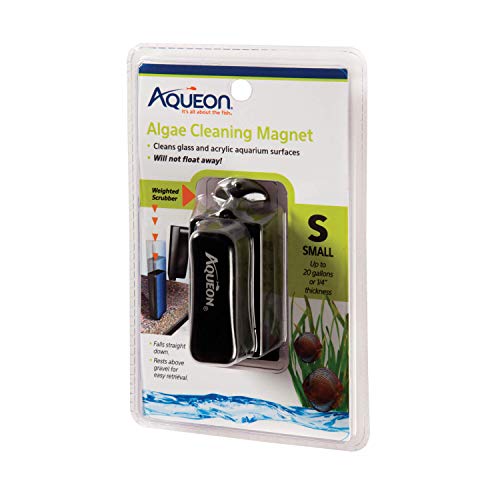
Magnet makes it easy to clean the inside of the aquariums from the outside
Best Techniques to Avoid Scratches During Cleaning
Using the right tools is key to avoiding scratches on your aquarium glass. Choose soft, aquarium-specific tools such as gentle sponges, non-abrasive pads, and plastic algae scrapers. These tools are designed to clean effectively without damaging the glass surface. Avoid using old household scrubbers or abrasive cleaners, which can introduce grit or chemicals that scratch the glass or promote water spots. Keep debris and substrate away from the glass by maintaining a clearance of about one inch above the substrate and working from top to bottom. When scraping, hold your tool at a shallow angle of around 30 to 45 degrees and apply steady, firm pressure with long, overlapping strokes. Regularly inspecting your tools for hidden grit and cleaning them promptly helps prevent accidental scratches, ensuring your aquarium stays clear, shiny, and scratch-free. Additionally, using protective gloves can help you maintain a steady grip and prevent accidental slips that might cause scratches. Incorporating proper cleaning techniques that focus on gentle yet effective motions is also essential in minimizing damage. Regularly checking your tools for hidden grit and cleaning them helps keep the glass surface safe from scratches, and proper maintenance routines also contribute to keeping your glass in prime condition and avoiding damage.

Dimension: 8x4.5cm/3.2” x1.8”, the inside hole diameter is 2cm/0.8”; for a snug fit, check the size you need carefully before placing an order. The sponge's inner diameter accommodates filter intake within 0.8-1 inches (20–25.4 mm) due to its elastic properties.

Efficient Filtration: The high-density and unique structure of the sponge provide exceptional mechanical filtration. It effectively captures and removes impurities, suspended particles, and waste from the water, maintaining a clear and stable aquatic environment for the well-being of your aquatic organisms.

✅Excellent Filtration Performance - The fine porous structure design gives it excellent filtration effect, it can effectively capture impurities in the water such as fish feces, fish food residues and suspended particles, thus maintaining clear and healthy water quality for fish and aquatic life.
Choosing the Right Tools for Aquarium Glass Cleaning
The best tools for aquarium glass cleaning are those designed to be safe for your tank’s surface while effectively removing algae and debris. Aquarium-safe sponge cleaners are ideal because they are gentle, free of debris, and won’t scratch glass or acrylic surfaces. Long or short wand-style scrapers with soft mesh surfaces let you reach deep into corners and crevices, allowing for circular motion scraping that minimizes the risk of scratching. Proper maintenance is vital for preventing algae buildup and keeping your tank looking clear. Magnet scrapers are a popular internal cleaning option because they keep your hands dry and reduce disturbance to your fish. Make sure your magnet scraper’s strength rating matches your tank’s glass thickness to avoid accidental damage. DIY options like credit cards or toothbrushes can serve as budget-friendly tools, but they require careful inspection and cleaning to prevent introducing debris that could scratch the surface. Safe cleaning tools are essential because using improper items can cause inadvertent damage or introduce contaminants that harm your aquatic life. To ensure safe and effective cleaning, always verify the type of surface material of your tank and select tools specifically designed for that material. Proper tool selection helps maintain clarity, reduces the risk of damage, and makes routine cleaning more efficient. Regularly inspecting your tools for wear and cleanliness ensures they remain aquarium-friendly, helping to protect your aquatic ecosystem over time.
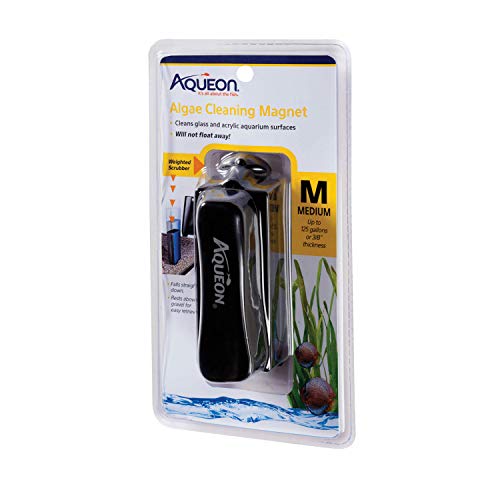
Magnet makes it easy to clean the inside of the aquariums from the outside

【Perfect Mini Aquarium Cleaner】: Still looking for a powerful magnetic aquarium glass cleaner? Then you can't miss the DaToo Mini Aquarium Cleaner with super-strong magnets. Complete and efficient cleaning mode, N38 super strong NdFeB magnet, sturdy and durable, easy to use, let you start showing off your clean aquarium to your friends and family with confidence from today!

Strong Magnetic Cleaner Brush: This magnetic aquarium glass cleaner has a strong magnetic suction, designed for cleaning fish tanks, it will not fall off randomly when cleaning, so that you can easily clean the aquarium dirt or algae. Even if you do not use it, magnet cleaning tool can be firmly affixed to the corner of the tank does not take up space, suitable for tanks 0.12 to 0.25 inch thick
Removing Hard Water Stains and Mineral Deposits
Hard water stains on your aquarium glass can be effectively removed by tackling the mineral deposits directly. These stains are mainly calcium and magnesium compounds left behind after water evaporation, appearing as white, cloudy, crusty, or chalky films. To loosen these stubborn deposits, soak paper towels soaked in vinegar or spray vinegar directly onto the glass and let it sit. The acidity of vinegar helps dissolve the mineral buildup, especially if you allow it to sit for several minutes. After the soak, carefully use a sharp razor blade at a low angle to gently lift away the softened deposits. Finish by wiping the surface with a microfiber cloth or nonabrasive towel to remove any remaining residue. Rinsing thoroughly afterward is essential to eliminate all traces of mineral deposits and prevent future stains from forming. Using the right cleaning tools ensures effective removal and prevents scratching the glass. Additionally, choosing appropriate cleaning tools can help maintain the integrity of your aquarium glass and reduce the risk of damage. Regular maintenance and understanding mineral deposit removal techniques can significantly extend the clarity and lifespan of your aquarium glass.

The product kit includes: An efficient fish tank cleaning kit, including a aquarium net for removing debris, a siphon gravel cleaner for quickly sucking out muddy water, residual food and fish droppings from aquarium vacuum gravel cleaner, an algae scraper for keeping clear vision, and a sponge brush for gentle and effective surface cleaning, totaling 4 products.

【Novique Aquarium Cleaning Tool Kit】: Still hesitating over which tool to choose for perfectly cleaning your aquarium? Choose Novique now—one set of tools solves all your cleaning needs, providing a healthy living environment for your fish and aquatic plants. Featuring five different accessories, high toughness, sturdiness, and rust resistance, it offers secure installation and easy removal, plus a 19-inch anti-slip handle. With it, you'll enjoy crystal-clear underwater views every day.

Perfect for aquarium starter, includes all cleaning tools you need for daily cleaning
How Often Should You Clean Your Aquarium Glass?
You should clean your aquarium glass at least once or twice a week, especially if algae growth is visible or forming a film. In tanks with high lighting or heavy feeding, cleaning may be necessary every few days or even daily to prevent stubborn algae buildup. Regular cleaning during water changes helps control algae and minimizes scratches caused by deposits. Outside glass typically requires less frequent attention, usually when marks or fingerprints appear. Adjust your cleaning routine based on your tank’s specific conditions to maintain clear, scratch-free glass.
Safe Products and What to Avoid When Cleaning
When cleaning your aquarium glass, it is essential to use products and tools that are safe for aquatic life. Plain water is effective for removing dust, fingerprints, and light smudges without the risk of algae growth or harmful residues. White vinegar can dissolve mineral deposits and calcium crusts safely, as it lacks toxic chemicals found in household cleaners. Avoid commercial glass cleaners like Windex and ammonia-based products inside the tank because they contain chemicals toxic to fish and invertebrates. Alcohol-based cleaners, soaps, household wipes, and aerosols should also be avoided since they can leave harmful residues or fumes.
When selecting cleaning tools, opt for soft microfiber cloths or lint-free options to prevent scratches, especially on acrylic surfaces that are prone to light scratches. Avoid using abrasive pads, razor blades (except when cleaning glass with proper technique), or old chemical-exposed tools to protect your tank’s surfaces from damage. Ensuring the use of gentle, aquarium-safe products and tools helps maintain a healthy environment for your aquatic life.

Glasses cleaner - Sourced from the highest quality microfiber that absorbs and removes dust, oil, smudges, fingerprints, dirt, and more. Leaves no scratches, streaks, marks, or lint behind. The perfect eyeglass cleaner for reading glasses, women, men, adults, him, her, teens, and more.

Microfiber 16 x 12-inch cleaning cloth (24-pack); ideal for cleaning cars, trucks, boats, and more

10x GRIP-ROOT WEAVE - TRAP MORE, WORK LESS: Ultra-absorbent microfiber towels for car Grip Root weave works like PLANT ROOT FOLLICLES, sucking up & LOCKING AWAY 8x to 10x its weight in liquid, particulates, moisture, grime and dirt in far LESS TIME than traditional ‘Heavy Duty’ Cleaning Rags. Each towel features a 2.5mm thick design, providing enhanced durability and better grip during use.
How to Clean Exterior Aquarium Glass Without Smudges
To achieve a streak-free shine on your aquarium’s exterior glass, start by removing loose dust, fingerprints, and water spots with a soft microfiber or lint-free cloth. For stubborn algae or mineral spots, wipe gently with a damp cloth, using a 50/50 vinegar-water mix for greasy fingerprints or mineral buildup. Cleaning in indirect light is important because quick drying in direct sunlight can cause streaks. Use a two-cloth method: one damp cloth to lift residues and another dry cloth to buff; wipe in a single consistent direction for the best results. If mineral deposits are above the waterline, let a vinegar-soaked cloth sit for a few minutes before wiping and immediately buffing. Always dry the glass thoroughly afterward to prevent cloudy streaks, and keep cleaning tools separate from dirtier cloths to ensure the clearest, streak-free finish. Regular cleaning can also help prevent damage to the aquarium glass caused by prolonged buildup or abrasive materials. Additionally, using appropriate cleaning tools designed specifically for glass can help maintain the clarity and integrity of your aquarium surface. Incorporating gentle, non-abrasive cleaners can further safeguard the glass from scratches and deterioration over time.
Troubleshooting Common Glass Cleaning Challenges
To troubleshoot common glass cleaning challenges on your aquarium, start by identifying the specific issue. Streaks and water spots often result from improper cleaning techniques or the use of unsuitable products. Use non-abrasive pads and plastic scrapers designed for glass to avoid scratching the surface. Avoid harsh chemicals like household cleaners, soap, or any sprays applied directly to the tank, as residues can interfere with water chemistry and harm your aquatic life. After cleaning, rinse thoroughly with clean water to remove any leftover cleaner or mineral deposits that could cloud the glass or affect water quality. For stubborn stains or mineral buildup, soak a soft cloth with vinegar or citric acid and gently rub the area before scraping. Regular maintenance helps prevent buildup, reduces surface damage, and ensures clear viewing while maintaining a healthy environment for your fish. Additionally, understanding the appropriate cleaning methods for your aquarium’s glass can help prevent damage and extend the lifespan of the tank’s surface.
Expert Tips for Maintaining Clear, Crystal-Wike Aquarium Glass
To keep your aquarium glass crystal clear, clean the interior panels weekly, especially after water changes. Use algae magnets, scrubbers, or long-handled tools to tackle stubborn buildup. Be sure to turn off pumps before cleaning to prevent debris from spreading. For the outside of the glass, wipe weekly with a damp microfiber cloth to eliminate fingerprints and dust, then follow with a dry cloth for streak-free clarity. For mineral deposits or hard-water stains, apply white vinegar and let it sit for a few minutes before gently scraping away the softened buildup. Maintaining a regular cleaning routine using the right tools not only enhances viewing pleasure but also supports a healthy environment for your fish. Additionally, understanding aquascaping principles can help prevent algae growth and keep your tank visually appealing.