Deciding whether to set up a freshwater or saltwater aquarium is a common dilemma for aspiring fish keepers. Freshwater tanks are more straightforward and budget-friendly, making them perfect for beginners.
Saltwater tanks, on the other hand, showcase vibrant marine life but need more precise care and equipment.
Keep reading to find out which option best matches your experience and goals.
How Much Do Freshwater and Saltwater Aquariums Cost to Set Up?
Setting up a freshwater aquarium typically costs between $150 and $200 for small tanks, making it a more affordable option for beginners. Larger or more polished freshwater systems can reach up to $1,000, depending on the size and level of customization. Essential supplies such as aquarium decor add visual appeal without significant expense, often costing less than specialized equipment. Water chemistry management in freshwater tanks is simpler, reducing the need for costly testing kits and treatments. Using appropriate water conditioners helps maintain a healthy environment, which might not be as necessary with saltwater tanks. Additionally, freshwater tanks generally require less specialized equipment, making initial setup and ongoing maintenance more straightforward and cost-effective. In contrast, saltwater tanks usually start at around $500 and can climb into the thousands because they require reef-ready tanks, high-quality lighting, and salt mixes. Proper tank maintenance is also essential to prevent issues and keep aquatic animals healthy, which can be less intensive in freshwater setups. Overall, freshwater aquariums offer a budget-friendly way to create an attractive, healthy environment for aquatic life without a substantial upfront investment.

Professional Quality Testing Kit: The AAwipes Aquarium test kit (50 strips) is developed by experts for fish enthusiasts. It offers 8-in-1 testing capabilities, made with high-quality fiber paper and non-bleeding colors. The kit measures key parameters like Free Chlorine, Nitrate, Nitrite, Hardness, Sodium Chloride, Total Alkalinity, pH and Ammonia nitrogen. By identifying potential issues, our fish tank testing kit helps prevent hidden water problems and ensures the safety and well-being of your fish.

Contains one (1) API FRESHWATER MASTER TEST KIT 800-Test Freshwater Aquarium Water Master Test Kit, including 7 bottles of testing solutions, 1 color card and 4 tubes with cap

Contains one (1) API 5-IN-1 TEST STRIPS Freshwater and Saltwater Aquarium Test Strips 4-Count Box
What Equipment Do You Need for Freshwater vs Saltwater Tanks?
To set up a freshwater or saltwater tank, the equipment needs differ mostly in scale and specialization. Both setups require a tank, stand, filter, heater, and basic testing tools. However, saltwater tanks usually need more robust filtration systems, such as protein skimmers, to remove organic waste more efficiently. They also require equipment like refractometers or hydrometers to measure salinity accurately, which are unnecessary in freshwater tanks. This is because marine environments have more sensitive water chemistry requirements. Additionally, maintaining precise water parameters is essential in saltwater setups to mimic natural conditions. Proper water circulation is also crucial for distributing nutrients and oxygen throughout the tank. Ensuring the right equipment can help maintain the healthiest aquatic environment for your fish.

High-Efficiency Aquarium Protein Skimmer – Powerful protein skimmer for aquarium generates dense micro-bubbles to quickly remove organic waste, proteins, and impurities from saltwater, reef, and marine fish tanks, keeping water crystal clear and healthy for your fish and corals.
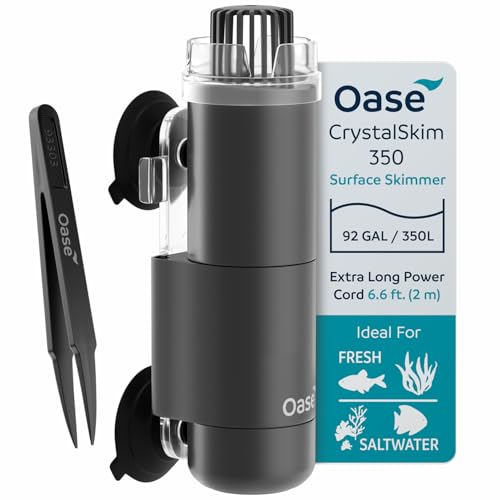
QUICKLY CLEARS SURFACE DEBRIS – Removes biofilm, floating plant matter, and dust from the water’s surface to improve water clarity and support healthy oxygen exchange. Designed for use in both freshwater and marine aquariums.

【Space-Saving】Protein skimmers for saltwater aquariums, this unit features a compact design that provides efficient filtration even in limited spaces. With a built-in pump and an innovative bottom-opening outlet structure, the protein skimmer maintains an ultra-small footprint of just 5.5 x 4.5 inches and is suitable for 50-gallon (high bioburden) to 100-gallon (low bioburden) aquarium systems.
How Difficult Are Freshwater and Saltwater Aquariums to Maintain?
Maintaining a freshwater aquarium is generally straightforward, requiring routine tasks such as weekly water testing, partial water changes, glass cleaning, and filter checks. You need to monitor water parameters like ammonia, nitrite, nitrate, pH, and temperature. Ammonia and nitrite levels should be at 0 ppm to keep fish healthy. Freshwater tanks are less sensitive to fluctuations in water quality, which makes it easier to keep them stable over time. Proper fish compatibility reduces stress and the risk of disease, simplifying ongoing maintenance. When adjustments are needed, testing frequency may increase, especially during the initial setup or after significant changes. Tasks like rinsing filter media with old water, siphoning debris, and removing algae help maintain stable conditions. Additionally, understanding water parameter testing techniques can prevent issues before they escalate. A clear understanding of aquarium chemistry can further aid in maintaining optimal conditions. Overall, freshwater aquariums require consistent but manageable upkeep, making them suitable even for beginners. Their simplicity contributes to their popularity among new hobbyists. Additionally, selecting the right plants and understanding their specific care requirements can further simplify maintenance and create a healthy environment.

𝗛𝗼𝗺𝗲 𝗔𝗾𝘂𝗮𝗿𝗶𝘂𝗺 𝗪𝗮𝘁𝗲𝗿 𝗧𝗲𝘀𝘁 𝗞𝗶𝘁 - Ensure the health of your fish with aquarium water testing kit & ammonia test strips for fish tank. This complete freshwater & saltwater tank test kit provides a reliable water tester for ammonia, pH, iron, chlorine, total hardness (GH), carbonate, nitrate, nitrite, total alkalinity, copper, and temperature, allowing you to have a complete understanding of your aquarium water quality. Trusted by fish enthusiasts, it adapts to your needs, making it an essential tool for aquarium care.

Professional Quality Testing Kit: The AAwipes Aquarium test kit (100 strips) is developed by experts for fish enthusiasts. It offers 8-in-1 testing capabilities, made with high-quality fiber paper and non-bleeding colors. The kit measures key parameters like Free Chlorine, Nitrate, Nitrite, Hardness, Sodium Chloride, Total Alkalinity, pH and Ammonia nitrogen.

𝗛𝗢𝗠𝗘 𝗔𝗤𝗨𝗔𝗥𝗜𝗨𝗠 𝗪𝗔𝗧𝗘𝗥 𝗧𝗘𝗦𝗧 𝗞𝗜𝗧 - Ensure the health of your fish with aquarium water test kit. This all-in-one fish tank water test kit provides a reliable water tester for pH, Chlorine, General Hardness, Carbonate Hardness, Nitrate, and Temperature, allowing you to understand your aquarium water quality completely.
Which Tank Is More Stable and Easier to Keep Balanced?
Freshwater aquariums are generally more stable and easier to keep balanced than saltwater tanks. This is because water chemistry in freshwater setups is simpler to manage. Freshwater tanks usually operate within a broader pH range of 6.5 to 7.5, tolerating small fluctuations with minimal impact. Saltwater systems, on the other hand, require precise control of multiple parameters such as salinity, alkalinity, calcium, and magnesium, making stability more delicate. Larger tanks tend to be more stable for both types, but marine tanks especially benefit from volume buffering. Regular water changes help maintain balance, but keeping saltwater parameters in check demands more frequent testing and adjustments. Overall, freshwater tanks are more forgiving, which means your daily maintenance is simpler and less stressful. Maintaining water chemistry stability is crucial for a healthy aquatic environment, and understanding the specific requirements of freshwater plants and fish can significantly ease the setup and ongoing care. Recognizing the ease of managing water chemistry can help hobbyists choose the most suitable tank type for their experience level and lifestyle.
What Fish and Livestock Can You Keep in Each Type of Aquarium?
Freshwater aquariums support a variety of species, making them suitable for beginners and experienced hobbyists alike. You can keep community fish such as tetras, rasboras, and danios, which are hardy and thrive in social groups. Bottom dwellers like corydoras catfish and loaches help keep the substrate clean and are well-suited for planted tanks. Freshwater invertebrates, including shrimp and snails, are excellent for adding diversity and helping control algae and detritus. Fish breeding in freshwater setups is usually straightforward, especially with species like guppies and swordtails, which reproduce easily and quickly. Overall, freshwater tanks require less specialized equipment and lower initial investment compared to saltwater systems. Proper plant placement and aquascaping techniques can further enhance the habitat, making it both beautiful and functional. Additionally, many freshwater species are more adaptable to different water conditions, simplifying tank maintenance. The easy setup process often makes freshwater aquariums more appealing to newcomers.

COMMUNITY FORMULATION: Complete diet fish food for all feeder levels that provides healthy variety and feeding fun for your entire aquarium community.


Contains one (1) API TROPICAL FLAKES Fish Food 1.1-Ounce Container
Is a Freshwater or Saltwater Tank Better for Beginners and Your Goals?
Freshwater tanks are generally the better choice for beginners. They are simpler to set up and maintain, with a gentler learning curve. Freshwater setups require less precise control over water chemistry and salinity, making routine testing and adjustments easier. Maintenance tasks such as water changes and cleaning are less frequent and less complex, reducing the risk of mistakes. Additionally, freshwater equipment and fish are usually more affordable, helping you keep costs manageable as you’re learning. Saltwater tanks demand more specialized equipment, tighter management of water parameters, and higher ongoing expenses. Starting with freshwater allows you to develop core skills like cycling, testing, and routine maintenance before progressing to the more demanding marine environment. Freshwater tanks also generally have a wider variety of hardy, beginner-friendly fish and plants, which can boost your chances of success. Incorporating knowledge about aquarium maintenance can further ease your transition into the hobby. Being familiar with aquarium chemistry and how to adjust it is particularly valuable when managing freshwater setups. Developing a solid understanding of water chemistry parameters can help you maintain a stable environment and prevent issues. Overall, freshwater tanks provide a more accessible, rewarding entry point for new hobbyists.


PERFECT FOR BEGINNERS AND SEASONED AQUATIC HOBBYISTS: User-friendly setup designed for quick aquarium assembly and maintenance.

4 in 1 Long Aquarium Tools Kits: The aquascape tools kit contains 1 x 10" aquarium scissors, 1 x 10.6" straight long tweezer, 1 x 10.6" curved feeding tongs, and 1 x 12.56" Aquarium substrate spatula. One set of terrarium supplies to help you better manage your aquarium and terrariums. This aquascaping tools are long and slender enough to easily use in any gallon fish tank, good as fish tank accessories. It suits both beginner and experienced people.
How Can You Decide Which Aquarium Is Right for You?
Choosing the right aquarium depends on your budget, available space, skill level, and how much time you can dedicate to maintenance. A smaller tank, around 20 gallons, is a good starting point for beginners and fits easily on most desks or shelves. Larger tanks, 50 gallons or more, create a more stable environment but require more space, equipment, and maintenance effort.
Freshwater aquariums are generally more forgiving and easier to manage, making them ideal for newcomers. They often allow more flexibility in decorating styles with colorful fish and plants. Saltwater tanks, while more vibrant and appealing for marine life enthusiasts, require precise control of water chemistry, including salinity, pH, and calcium levels. They also tend to need more space for equipment like protein skimmers and sumps.
Consider how much time you can devote to routine testing and troubleshooting. If you’re just starting out, a freshwater setup offers a lower barrier to entry. Space restrictions can also influence your choice, as saltwater tanks typically need more room for equipment, while freshwater tanks can be more compact. Matching tank size, livestock preferences, available space, and hobby experience will help you select the aquarium that best fits your lifestyle.