
If you’re torn between Flame Moss and Java Moss for your tank, you’re not alone. These two popular aquatic plants each bring their own look and care needs to the table.
Java Moss is known for being hardy and easy for beginners.
While Flame Moss offers a striking flame-like appearance, it demands more precise conditions.
Keep reading to find out which moss suits your aquarium best.
What Are Java Moss And Flame Moss?
Java moss and flame moss are both popular aquatic plants used in freshwater aquariums, each offering unique visual appeal and growth habits. Java moss (*Taxiphyllum barbieri*) is a versatile and hardy moss native to Southeast Asia. It typically attaches to rocks, driftwood, or substrate through rhizoids, creating an irregular, lush mat that spreads gradually over time. Its low maintenance requirements and tolerance for a wide range of lighting conditions make it an excellent choice for beginners and experienced aquarists alike. Proper water parameters, such as correct lighting, are essential to maintain healthy moss growth and prevent issues like algae overgrowth. Ensuring stable water conditions helps maintain consistent water parameters that favor moss health and growth. Additionally, understanding the moss’s growth habits can help in designing creative underwater landscapes.
In contrast, flame moss, marketed as *Taxiphyllum* sp. ‘Flame,’ stands out with its distinctive upright, flame-like growth form. It also originates from Southeast Asia and prefers moderate to high lighting to develop its full, vibrant appearance. Flame moss creates a striking vertical accent in a tank, adding texture and visual interest. Like Java moss, it attaches via rhizoids rather than roots, making it compatible with various tank setups and other aquatic plants. To promote optimal growth, provide suitable ambient lighting tailored to each moss type and select companion plants that complement their natural growth patterns and aesthetic qualities.

Material Craftsmanship: Crafted from premium-grade, crystal-clear plastic blended with eco-conscious materials, this product ensures safety and trustworthiness for your aquatic ecosystem. It poses no harm to delicate aquatic flora or fauna, boasting a robust construction for sustained use and enjoyment.

WoldoClean Aquarium Super Glue Gel 1.76 oz, fish safe cyanoacrylate glue for live plants, java moss, corals, rocks and driftwood in your fish tank.

High Germination Rate: Aquarium Plant > 95%,these have been tested and widely applied for many years
How Do Their Looks And Growth Differ?
While both moss types attach via rhizoids, their overall appearance and growth styles are quite different. Java moss has a broad range of aesthetic variations, featuring a soft, feathery texture that appears loose and shaggy. It tends to spread irregularly, filling empty spaces and growing horizontally over substrates, wood, or rocks. Flame moss, in contrast, has a thicker and denser look with a more sculpted form. Its upright, twisting fronds create a flame-like silhouette, giving it a more structured appearance. Flame moss grows more slowly and remains more compact, which makes it easier to maintain with minimal pruning. Growth patterns also influence how each moss develops over time, with Java moss often forming a more unruly carpet and Flame moss maintaining a tighter, controlled shape. In terms of maintenance, Java moss requires regular trimming to keep it tidy and prevent it from becoming unruly. Flame moss, however, maintains a defined vertical shape and usually needs less trimming. These differences influence how you might incorporate each moss into your aquascaping—Java moss offers broader coverage and a more natural, sprawling look, while Flame moss provides a more sculpted and controlled accent. Additionally, growth rate plays a significant role in their overall appearance and ease of care in aquarium setups.

WHAT YOU GET - 1x Flame Moss (Taxiphyllum sp. 'Flame'). Every plant is greenhouse-grown in our Texas facility and inspected before shipping.
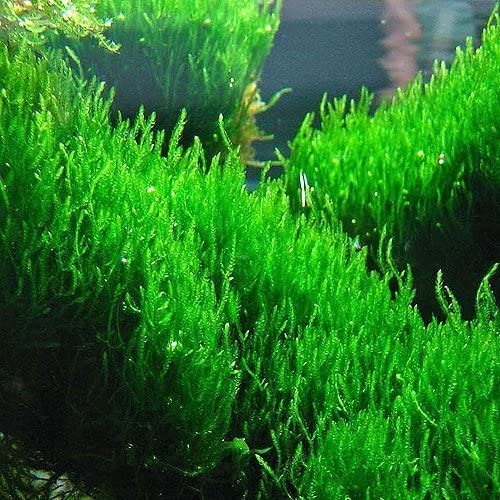
Live Aquatic Moss for Freshwater Aquariums. You get 1 Moss portion in a 4 oz Cup

LIVE AQUARIUM PLANT - 1 Java Moss (Taxiphyllum Barbieri) golf ball size portion
What Are The Ideal Conditions And Care Tips?
Maintaining optimal conditions for flame moss involves closely controlling water parameters, lighting, and placement. Keep the water temperature between 68 and 82°F (20 to 28°C), as fluctuations outside this range can stress the moss and hinder growth. The pH should stay within 6.0 to 7.5, ensuring the water isn’t too acidic or alkaline, which can affect moss health. Use soft to moderately hard water with a hardness of 2 to 15 dGH to promote lush, vibrant growth.
Perform weekly water changes of 20 to 25 percent to help stabilize water chemistry, dilute waste, and prevent algae buildup. Moderate water flow is best; it supports nutrient circulation without causing the moss to be stressed or dislodged. When lighting, aim for 8 to 10 hours of low to moderate intensity light daily. Too much light can lead to browning or encourage algae growth, so observe how your moss responds and adjust if necessary. Ensuring proper water parameters is essential for thriving moss growth and overall health. Regular monitoring of water chemistry parameters helps catch imbalances early before they impact plant vitality.
Attach the moss securely to rocks or driftwood using fishing line, thread, or similar materials. Ensure it’s placed where water flow is gentle but consistent, which promotes healthy growth and prevents detachment. Regular trimming every 6 to 8 weeks encourages a dense, healthy mat and prevents overgrowth that can shade lower areas of the moss. Keep these conditions stable for optimal moss vitality and vibrant, lush appearance.
Which Moss Is Better For Beginners And Why?
Java moss is the better choice for most beginners due to its resilience, adaptability, and ease of care. It tolerates a wide range of water parameters and performs well under low-light conditions, making setup straightforward. Its rapid growth allows for quick propagation, so you’ll see results sooner and can manage its spread easily through regular trimming. In contrast, flame moss tends to require more specific conditions and grows more slowly, which can make propagation and maintenance more gradual and demanding. If you want a low-maintenance, forgiving, and fast-growing moss to start with, Java moss is the best option to support your initial aquascaping efforts. Additionally, its water parameter tolerance makes it ideal for beginners still learning to balance their aquarium environment. A growth rate comparison further highlights Java moss’s advantages for new aquarists seeking a rewarding and manageable plantscape.

Real Live Moss Variety Pack: Includes four pieces of naturally grown live moss, each approx. 3.5 x 7 in. Varieties may vary by season and may include Hypnum, Dicranum, Brachythecium, Racomitrium, or similar moss types.

Swimming Creatures Live Aquarium Plants
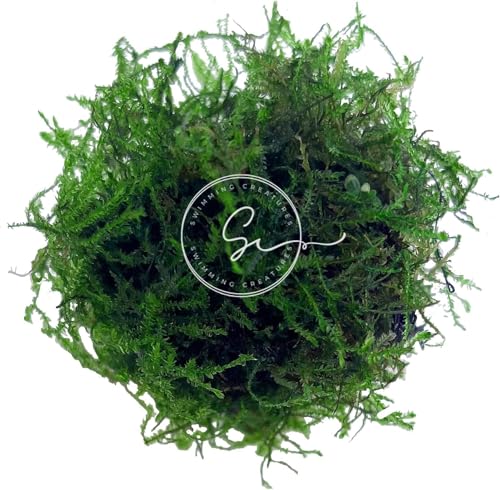
Swimming Creatures Live Aquarium Plants
Is One Moss More Cost-Effective And Suitably For Your Aquarium?
Java moss is the more cost-effective choice for your aquarium. It typically costs between $6 and $14 per cup, making it accessible for most hobbyists. Java moss tolerates a broad range of water temperatures, from 60 to 80°F, and does not require CO2 injection, which reduces ongoing maintenance costs. Its fast growth rate allows you to quickly cover substrate, rocks, or driftwood, providing versatile placement options. In contrast, flame moss is generally more expensive due to limited availability and prefers cooler, more moderate water temperatures around 68 to 84°F. Although flame moss grows more slowly and needs less trimming, its higher price point makes Java moss the better value, especially for setups on a budget or with fluctuating water conditions.
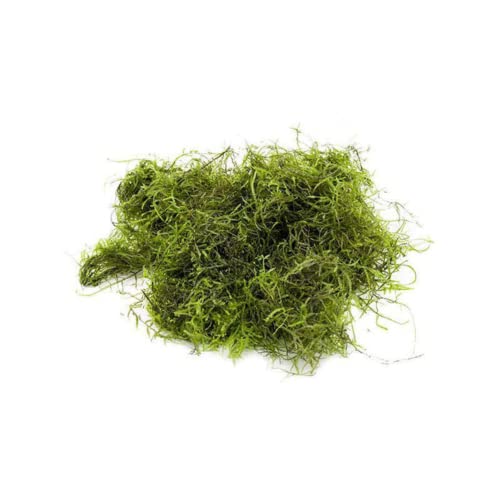
Brand: AquaPlants

💧3-Pack Shrimp Caves for Crawling & Exploring This set includes 3 round shrimp hides, designed to give small shrimp a place to crawl in and out, rest, and stay out of sight. Ideal for shrimp keepers looking to add structure to their shrimp tank setup.

LIVE AQUARIUM PLANT - 1 Portion, shipped in secured cup, can be used for terrarium, reptile decoration.