
Thinking about creating your own terrarium but unsure where to start? The good news is that you can build a simple, attractive mini garden with just a few key materials and basic steps.
Whether you want a lush, green space or a tiny desert landscape, it’s easier than you might think.
By the end of this guide, you’ll know exactly how to assemble and care for your terrarium to keep it thriving.
Keep reading to turn your indoor space into a miniature paradise.
What’s in a DIY Terrarium Kit and Why Use One?
A DIY terrarium kit includes everything you need to create a miniature garden in one package, making the process simple and enjoyable. Most kits feature a clear glass container that highlights your plants and design. They also come with layered materials such as drainage gravel, activated charcoal to filter excess moisture, and a specially formulated growing medium to promote healthy plant roots. These components are often selected with sustainability in mind, favoring eco-friendly options like recycled gravel or peat-free soils. Additional items like mini tools and decorative accents are included to inspire your creativity and allow for personalization. Instruction sheets guide you through each step, reducing guesswork and ensuring a successful build. Using a kit simplifies the process, encourages responsible material choices, and helps you craft a thriving, visually appealing miniature landscape. Proper plant care within a terrarium is essential to maintaining a healthy environment and ensuring your plants flourish. Incorporating sustainable materials into your build supports eco-friendly practices and long-term plant health. When selecting plants for your terrarium, choosing appropriate plant types ensures they will thrive in the controlled environment.

NO EXPERIENCE NEEDED | Build your own terrarium using a jar or container you already have. Designed for containers up to 68 fl oz, with clear instructions that make the process simple from start to finish.

Plant Terrarium Kit with Grow Light: With 5W grow light (5V Low Safe Voltage) equipped with 8 Red and 8 Blue LEDs, greatly promotes indoor growth as it accelerates photosynthesis, especially when the plant needs extra light when raining,snowing,dark indoor and so on, will give your plants considerate care (notice: without plants)

What You Will Get: 1 terrarium glass, about 7.8 inches high; Aquarium light, about 4 inches in diameter; 1 adapter 5V2A, US two-pin plug
How to Choose the Right Container for Your Terrarium
Choosing the right container for your terrarium starts with considering the material. Clear glass is ideal because it’s transparent, non-reactive, and durable, allowing maximum light to pass through and providing longevity. If you prefer plastic, choose options like HDPE or LDPE, which resist moisture and soil interference to prevent damage over time. Additionally, selecting a container with appropriate salt compatibility can help maintain the health of your plants and environment. Material stability can also influence the overall durability of your setup over time.
Next, focus on size and accessibility. Your container should leave at least half of the space free for plant growth, promoting healthy development. For closed terrariums, a width and height of around 12 inches work well, offering enough room without making maintenance difficult. A wide-mouth opening is essential for easy planting, pruning, and watering. Narrow openings can be handled with long tools, but they make routine care more cumbersome. Considering the ventilation features of your container can also impact plant health and humidity levels, ensuring a more successful setup.
Finally, select a shape that fits your space and plant needs. Practicality matters—tall, narrow containers are good for space conservation, while wider, shallower ones suit plants that require more surface area. Make sure the container’s shape complements your setup while providing sufficient access for maintenance.

Clear Terrarium Display: Create a visible tabletop arrangement with these transparent terrarium jars made for moss, succulents, decorative stones, miniature landscape pieces, and other display materials. The clear walls allow the contents to remain easy to view from different angles, helping small plant scenes stand out on desks, shelves, windowsills, reception counters, or bedside tables without covering the decorative details

Exquisite Transparent Design - This small terrarium is made of premium high borosilicate glass with great transparency, providing your plants with a clear view from all angles, allowing you to appreciate every detail of your plant growth at any time. The smooth surface and exquisite craftsmanship also add a delicate beauty to your home or office space. Note that plants are not included.
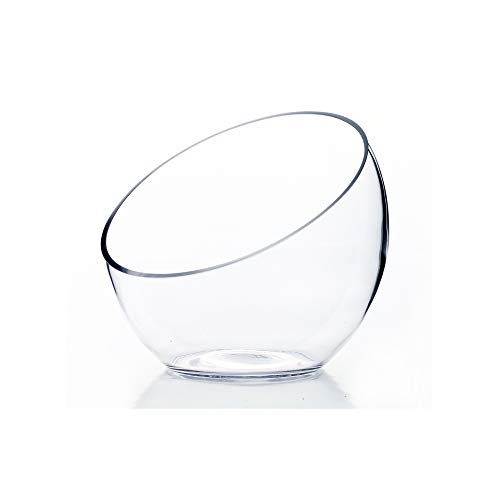
Contains: 1 piece of Slant Cut Bowl, Dimensions: Open: 7", Back Height: 6",Front Height: 2.7", Base 4"
How to Layer Gravel, Charcoal, and Soil in Your DIY Terrarium
Start your terrarium with about 1 to 2 inches of gravel, pebbles, or lava rock for drainage. This layer prevents water from accumulating around plant roots, which can cause rot. Follow with a thin layer of activated charcoal, around 1/4 to 1/2 inch thick, to absorb odors and filter excess moisture. To keep soil from mixing into the drainage layer, consider adding a barrier like moss, mesh, or fabric—though some skip this step. Then, add 1 to 3 inches of well-aerated, low-fertility potting mix. Proper layering ensures healthy plant growth and prevents issues like root rot. Incorporating water stability in your terrarium setup can help maintain a consistent moisture level, supporting thriving plants and minimizing maintenance. Achieving the right moisture balance is essential for your terrarium’s success. Using the correct layering techniques helps promote moisture regulation, making your terrarium easier to care for over time. Aim for the base layers to make up roughly a quarter to a third of your total volume, leaving enough space for your plants to grow comfortably.
How to Pick the Best Plants for Your Terrarium
Choosing the right plants for your terrarium depends on matching their needs to the environment you create. For closed terrariums, select plants that love high humidity, such as ferns, mosses, and Fittonia. These plants thrive in moist conditions and help maintain humidity naturally. Combining them with small vines and epiphytes creates a lush, forest-like vibe. Including floating aquatic plants can add a unique and vibrant touch to your setup, especially in aquariums or terrariums that incorporate water features. When selecting plants, consider their natural growth habits to ensure they won’t outgrow your space quickly. Understanding plant compatibility helps in creating a harmonious environment that promotes healthy growth and minimizes maintenance.
Open terrariums are best suited for dry-loving plants like succulents, cacti, and air plants. These species require excellent airflow and bright light to stay healthy. Ensuring plants share similar water and humidity needs is key to reducing problems like rot or stress.
Keep plant sizes small and growth habits slow to prevent overcrowding and preserve your terrarium’s shape. By choosing species that match your setup’s conditions, you’ll cultivate a thriving, low-maintenance mini ecosystem.
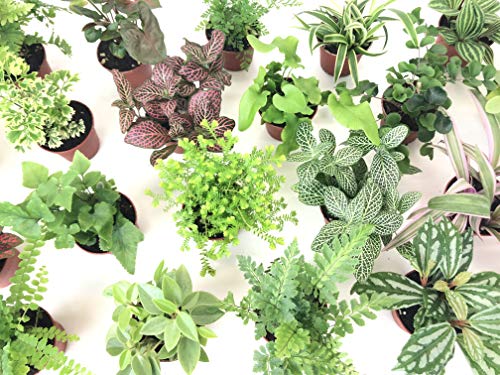
High Humidity Loving Plants | Mini Terrarium Plants for Open or Closed Terrariums

This is the closed terrarium. The glass panels are soldered by tin. Designed for small plants only, uitable for tabletop arrangements, suitable for tall plants, orchid, small negonia pitcher, miniature garden

Close tall geometric rectangular terrarium, pillar shape with a side door. Glass terrarium only, Plants are not included
How to Assemble and Plant Your Terrarium Step-by-Step
To assemble your terrarium correctly, start by gathering all your materials—including the container, drainage layer, soil, plants, and decorative elements—and arranging them in a well-lit workspace. Clean and disinfect the container thoroughly with hot, soapy water, then dry it completely to ensure a healthy environment for your plants and to keep the layers clear. Planning your layout ahead of time with sketches can help you visualize the design and improve the containers’ aesthetics and placement.
Begin by adding a drainage layer—such as gravel or activated charcoal—at the bottom of the container. If necessary, place a barrier on top of this layer to prevent soil from mixing with the drainage material. Next, fill the container with a slightly moist substrate. Firm the soil gently to eliminate air pockets and create a stable base for planting.
Create planting holes in the soil with a small tool or your fingers. Carefully remove excess soil from your plants’ roots and trim any damaged leaves or roots to promote healthy growth. Gently insert each plant into its designated hole, pressing the soil around it to secure it firmly in place. Finish by adding decorative elements like stones or moss to enhance the visual appeal.
Finally, lightly mist the entire terrarium to settle the soil and plants, ensuring everything is evenly moistened. This step helps create a balanced, healthy environment and prevents the plants from drying out. Regularly check your terrarium for moisture levels and adjust your care routine accordingly.
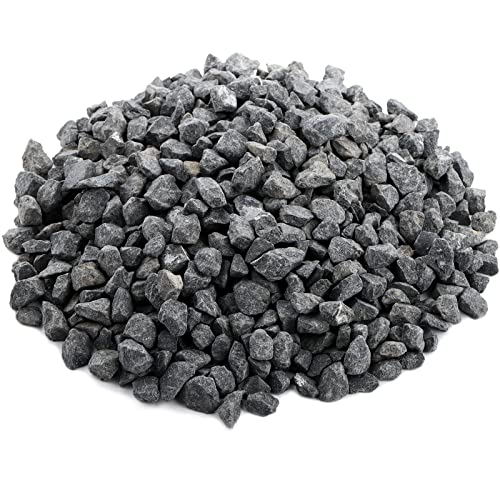
100% Natural Material: ZOOFOX small rocks stones are all natural. Their natural attribute will make them last longer because they will not deteriorate like mulch does.They have been only washed with water several times.

【Quality】 The flower pot hole mesh pad is made of high-quality fiberglass, ensuring long-lasting durability and reusability. Unlike flimsy alternatives, this material resists tearing and maintains its shape even after repeated use. The sturdy construction prevents soil from washing out while allowing optimal water drainage, keeping your plants healthy without root rot.

🌱 OPTIMAL DRAINAGE FOR HEALTHIER PLANTS Say goodbye to soggy soil! Our eco-friendly gravel rocks promote healthy drainage, creating a porous layer underneath the soil to protect your plants from overwatering
How to Plant and Arrange Your Plants for a Beautiful, Balanced Look
Arrange your plants thoughtfully based on their size, shape, and growth habits to create a visually appealing and balanced terrarium. Place the tallest or largest plants in the center or at the back to establish depth and stability. Surround these focal plants with smaller ones to create a layered, harmonious look. Leave enough space for future growth and airflow, avoiding tight packing that can restrict plant health. Ensure each plant’s rootball sits level with the soil surface, gently firming soil around the roots to keep them stable. When adding decorative elements, choose accents that complement the plants without overcrowding the space. Finish with moss or small decorative items to add cohesion and visual interest. Proper plant arrangement lays the foundation for a beautiful, balanced display that highlights your plant choices while maintaining overall harmony. Regularly monitor herb and plant health to ensure optimal growth conditions, and consider the specific light requirements of each plant to promote healthy development. Additionally, understanding the specific plant requirements can help you better tailor your care and placement strategies for a thriving terrarium.
How to Provide Light, Water, and Care for Your Terrarium
Providing the right light, water, and overall care is essential for keeping your terrarium healthy and vibrant. Bright, indirect sunlight is ideal; east- or north-facing windows can offer consistent exposure with about 4 to 6 hours each day. If natural light is limited, use full-spectrum or white artificial bulbs for approximately 8 hours daily to mimic sunlight and support plant growth. Position your terrarium on a stable surface so plants can orient properly, which encourages healthy propagation. Regularly check the temperature and humidity levels, as these factors significantly impact plant health and growth to maintain optimal conditions. Water sparingly; only when the soil feels dry to the touch. For most terrariums, a few tablespoons of water or a light misting is sufficient, especially in closed systems where moisture retention is higher. Monitor condensation daily; a slight fog indicates balanced humidity, whereas excess or no condensation suggests adjustments are necessary. Regularly inspect your terrarium, removing dead leaves and pruning overgrown areas to maintain its appearance and health. Mimicking the natural environment, such as appropriate humidity, can greatly improve the chances of your plants thriving indoors. Ensuring proper air circulation can help prevent mold and keep plants healthy. Minimal fertilizer is needed—focused on occasional, light feeding if plants show signs of nutrient deficiency. Consistent care and observation will help your mini ecosystem thrive with minimal effort.
Troubleshooting Common Terrarium Problems (Fog, Plants Wilting, Overgrowth)
Many common terrarium problems, such as fogging, wilting plants, and overgrowth, originate from imbalances in moisture, light, or plant management. Excess water causes fogging and can promote pests and mold, so proper water management is essential. Avoid overwatering and allow the substrate to dry slightly between watering sessions. Maintaining appropriate humidity levels and ensuring good airflow help prevent mold and odors. Opening the lid temporarily can reduce humidity buildup, and activated charcoal placed inside the terrarium absorbs moisture and odors effectively. Wilting plants often result from water imbalances rather than the lack of watering; always check drainage and soil moisture before watering again. Overgrowth hampers airflow, increases humidity, and attracts pests. Regular trimming and growth regulation are key to keeping plants healthy. Proper lighting and heating are crucial to prevent issues like plant stress and unwanted mold growth. Adequate temperature regulation supports overall habitat health, discouraging the development of mold and ensuring plants and reptiles remain in optimal conditions. Consistent maintenance addresses these issues promptly, keeping your terrarium vibrant, healthy, and pest-free.

【Precise Humidity Control】: Ensure optimal living conditions for reptiles with a humidity control range of 20% - 95% and a resolution of 1% RH. The LED digital screen provides accurate readings, making operation simple and without worry.

Complete Enclosure Accessories Kit: This 3-piece jumping spider enclosure accessories kit includes feeding tweezers, food dish, and temperature humidity monitor with food dish measuring 1.181.180.61 inches, tweezers at 4.9 inches long, and monitor at 220.6 inches for daily spider habitat care

5L/1.32GAL LARGE CAPACITY: Whole fogger size is 3.15x3.15x11.42 inch, with an adjustable (1.5-6.3 feet) hose and two suction cup for fixing water pipes. This reptile humidifier is suitable for beginners as well as reptile enthusiasts. NOTE: Hose diameter: 3/4", power cord length: 59.06"/4.92ft, detector cord length has been updated to: 70.87"/5.91FT. Please confirm before purchasing!!
How to Personalize Your DIY Terrarium With Decorations and Designs
Adding decorative accents can truly elevate your DIY terrarium and make it uniquely yours. To personalize your miniature landscape, select items that suit your container’s shape and theme, such as vases, bowls, or geometric terrariums. Incorporate miniature figurines like woodland animals, beach shells, or tiny benches to create a specific scene or mood—these details add personality and tell a story within your micro-world. The ability to choose appropriate decorations depends on understanding the growth environment and suitable aesthetic elements. Use layered materials like pebbles, moss, and sand to create visual interest and depth. Arrange these materials to form pathways, borders, or open clearings, guiding the viewer’s eye through your landscape. Small structures like fences, bridges, or tiny fairy houses act as focal points and enhance storytelling. Thoughtful placement of decorations not only improves aesthetics but also reflects your personal style and favorite motifs, turning your terrarium into a captivating miniature scene.
How to Care for Your Terrarium as a Long-Term Hobby
To care for your terrarium as a long-term hobby, consistent maintenance and observation are essential. Make sure plants are not overcrowding or touching the glass by pruning regularly. Healthy growth indicates your setup is balanced, so watch for signs of propagation. Place your terrarium where it gets bright, indirect light—east- or north-facing windows work best—or use artificial lighting for about 6-8 hours daily if natural light is insufficient. Water sparingly by checking soil color and condensation; avoid overwatering or letting the soil dry out completely. Maintain proper humidity by opening the lid briefly every few weeks, which helps prevent mold and rot. Keep the glass clean to ensure clear visibility, and remove dead leaves or decaying plant parts promptly to prevent disease. Incorporate well-draining layers and use minimal fertilizer to support long-term health, ensuring your terrarium remains both beautiful and thriving over time.