
Creating a safe and comfortable basking platform for your bearded dragon can seem tricky, but with the right materials and setup, it’s straightforward.
The goal is to build a stable, elevated spot that provides enough warmth and UVB exposure, encouraging natural behaviors.
Keep reading to discover how to craft a DIY basking area your dragon will love.
How to Choose Safe, Reptile-Friendly Materials for Your Basking Platform
Safe, reptile-friendly materials for your basking platform include slate, flagstone, tile, and natural rocks. These materials are excellent because they insulate well, retain heat efficiently, and are simple to clean. They also provide good traction, offering a slightly rough surface that helps prevent slipping and allows your bearded dragon to climb securely. For added safety, choose heat-retentive materials that do not warp or crack under heat. Using materials that are reptile-safe ensures your pet’s health and safety during basking. Selecting appropriate basking materials also contributes to maintaining a proper thermal gradient within the enclosure.

【Same Price but Larger Size】Our minimum size reptile basking platform: 6“ × 6“ VS Other minimum size reptile slate: 4“ × 4“.

【Reptile Tank Accessories】: This heart-shaped slate tile adds a natural and functional touch to your reptile’s habitat. Simple yet practical, it blends easily into most terrarium or aquarium setups.

Reptile Basking Platform- Tortoise slate is made of slate stone material with natural texture on the surface, hard texture, natural color, high temperature,attached 4 anti-slip mats at the bottom
Building a Stable, Elevated Basking Platform Step-by-Step
Building a stable, elevated basking platform for your bearded dragon, choose a sturdy base material that can support weight without flexing or shifting. Flat slate, stacked pavers, tiles, or a wide natural branch are excellent options. Ensure the platform is securely fixed in place to prevent wobbling by using dowels, screws, epoxy, and weights during curing. When planning your enclosure layout, position the platform on the hot side to allow your dragon to fully bask without hanging off the edge. Incorporate decorative plants around the platform for shade and enrichment, but be careful not to block UVB exposure. Measure the height accurately to match your UVB and heat sources, promoting safety and comfort during basking. Placement of logs and wood structures can also enhance climbing and hiding opportunities, contributing to natural behaviors and habitat enrichment. Proper support and stability of the platform are essential to prevent accidents or injuries. Additionally, ensuring that the platform has a smooth surface can help reduce stress and prevent injuries while your bearded dragon climbs or rests. Finish by sanding or cleaning the edges to create a smooth surface safe for your bearded dragon.
Installing Heat and UVB Lights in the Right Places for the Best Thermoregulation
To position heat and UVB lights effectively for optimal thermoregulation, place the UVB over the basking area using a linear tube fixture mounted horizontally at the center of the heat zone. The UVB should cover about half to two-thirds of the enclosure, overlapping the heat zone to allow your dragon to bask in both heat and UVB simultaneously. The ideal distance from the UVB fixture to the basking surface varies with fixture type: 7 to 11 inches below a mounted screen or 12 to 18 inches from underneath. The heat lamp should be positioned on the same end to create a strong basking zone with temperatures between 105 and 115 degrees Fahrenheit. Use a surface temperature gun to measure the basking spot and ensure proper thermoregulation. Adjust the platform height or bulb wattage as needed to maintain the optimal temperature zone. Consistent UVB exposure is essential for preventing metabolic bone disease and supporting vitamin D3 synthesis, contributing to your bearded dragon’s overall health. Proper placement of these lights also ensures that your bearded dragon receives adequate light spectrum for healthy activity and wellbeing. Additionally, selecting the right aquarium pump with filter can improve overall enclosure cleanliness and air circulation, promoting a healthier environment for your pet. Regularly checking and maintaining the lighting setup helps ensure your bearded dragon’s environment remains suitable and safe.

Dual lamp cap integration design, each can bear Max 150W(suit for Reptile ceramic heat lamp, UVB UVA basking spot lamp, UVB lamp, daylight lamp, nightlight lamp, Infrared Spot Lamp, and so on)
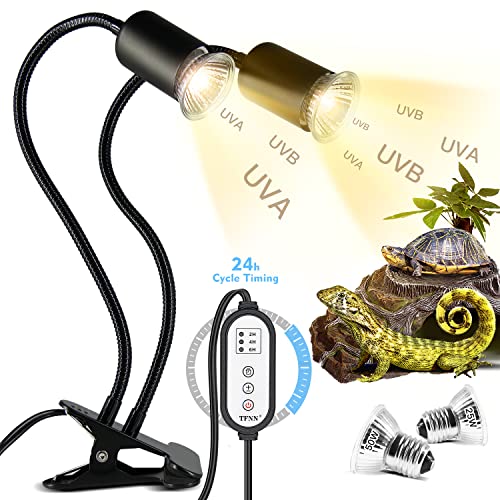
Intelligent Design:Reptile heat lamp with intelligent cycle timing design, once set to turn on/off automatically, every 24 hours at the same time to turn on the light, automatic cycle, no need to turn off manually every day, convenient and time saving. The glass tube extends the life of the bulb, simulates the solar spectrum, increases temperature, replenishes calcium and provides more direct sunlight and higher UV radiation.
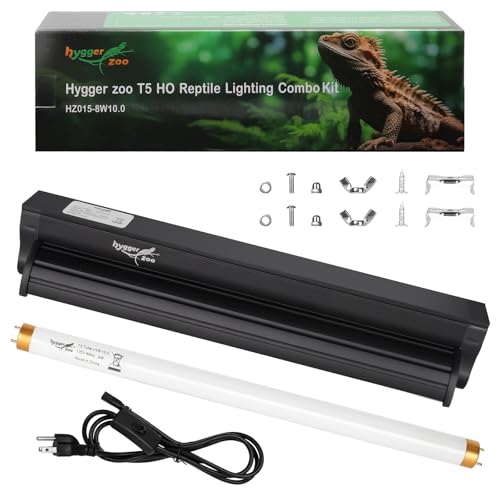
🌞🌞Higher UVB Output Value. T5 10.0 8W UVB reptile light fixture is 12 inch. Higher UVB output promote reptiles vitamin D3 synthesis and help them grow better. And the reptile UVB light also can help promote the absorption of their calcium and phosphorus, improve their reproductive behavior and boost their immunity.
How to Build Safe, Easy Ramps Your Bearded Dragon Will Love
To build a safe, easy ramp your bearded dragon will love, start by choosing non-toxic, chemical-free materials like untreated plywood, cork bark, or rubber liners. Design the ramp with a gentle incline of 30 to 45 degrees, which provides secure footing and reduces slipping. Elevate cork over the plywood by about half an inch to create a natural lip that improves grip. Use rough textures such as cork or sandpaper on the surface to enhance traction. Secure all components with pilot holes and countersunk screws to prevent injury, and sand all edges to eliminate splinters. Clean all parts thoroughly before assembly. Material safety is essential to ensure the ramp remains free from toxins and safe for your bearded dragon in the long term. A stable, textured ramp promotes confident climbing, reduces stress, and makes basking and enrichment more enjoyable for your bearded dragon. Additionally, choosing materials that are durable and resistant to moisture will help retain their safety and stability over time. Considering naturalistic designs can also help create a more engaging environment that mimics their outdoor habitat. Incorporating natural elements can further enhance the overall long-term health benefits for your pet.

🌟 2-IN-1 HABITAT ESSENTIAL: Upgrade your pet's enclosure with our versatile bearded dragon basking platform. Measuring approx. 11" x 8.7" x 7.1" , this thoughtful design combines a cozy, secure bearded dragon hide at the bottom with a spacious top lounging area, giving your reptile the ultimate dual-purpose spot to sleep and relax.

Two climbing routes for a more usable climbing space – This 2-piece bearded dragon ladder set gives your pet two long 32.3 x 3.1 in routes instead of one short path. Place each bearded dragon bridge in separate areas to turn unused vertical space into more bearded dragon climbing opportunities and practical bearded dragon habitat accessories.

Multifunctional Design: Our Reptiles Hideout Wooden is the ultimate choice for reptile owners seeking a versatile and functional accessory. This unique climbing platform provides a perfect spot for reptiles to climb, rest, play, and bask in the sun. Additionally, the base doubles as a secure hiding cave, offering a safe retreat for your beloved pets.Note: Creeping pets are more sensitive to odor, buyers can air dry in a ventilated outdoor area for 1 to 2 days after receiving the goods, to ensure the safety of your pets in use!
Testing and Finalizing Your Platform’s Stability and Safety
Before allowing your bearded dragon onto the platform, thoroughly test its stability and safety. Ensure the basking surface is completely stable, with no wobbling, shifting, or risk of collapse, especially if you have stacked components. Secure all parts with reptile-safe adhesive, making sure contact points are level and well-bonded. Use an infrared thermometer to check the temperature across the surface, aiming for a consistent range of 100 to 110°F for adult dragons. This ensures proper heat distribution and avoids hot spots that could burn your pet.
Verify that the enclosure’s ventilation allows sufficient airflow without causing temperature fluctuations. Conduct a load test by gently pressing along the edges and ramps; any movement indicates a need for additional reinforcement or adhesive curing. Confirm that all glued parts have fully set and cured before introducing your dragon. Proper temperature regulation is crucial for your beardie’s health and well-being. Incorporating an adequate ventilation system helps maintain a stable environment and prevents overheating. A properly tested platform ensures your dragon’s safety and comfort. Finally, turn on the heating and UVB lights to check they operate correctly, ensuring the basking spot will be safe and effective for your bearded dragon to enjoy.
Keeping Your Basking Spot Clean and Maintaining Optimal Temperatures
Regular cleaning of your bearded dragon’s basking spot is crucial for their health and comfort. Remove feces, urates, and uneaten food immediately once you notice them to prevent bacterial growth and maintain a hygienic environment. Establish a cleaning routine that involves spot cleaning daily and full enclosure sanitation weekly. Use a reptile-safe disinfectant or a vinegar-water solution to wipe down surfaces, ensuring the products are safe for your pet and free of harsh chemicals. Replace soiled paper towels or reptile carpets right away to reduce bacterial buildup. Keep the water dish clean and refill it with fresh water frequently, checking it at least once daily. For a more thorough cleaning, remove all décor and substrates, disinfect non-porous items by soaking or boiling, and rinse everything thoroughly before placing it back. Maintaining a clean, healthy environment is key to your bearded dragon’s well-being. Additionally, pay attention to temperature regulation within the enclosure, ensuring basking spots stay within the optimal range for your bearded dragon’s health. Ensuring that your enclosure maintains a stable thermal environment helps prevent health issues related to temperature fluctuations. Regular monitoring of ambient temperatures and proper lighting can support this balance.
Troubleshooting Common Issues With DIY Basking Platforms
If your DIY basking platform isn’t working correctly, the most common issues often involve temperature and surface stability. Aim for a surface temperature between 100 and 110°F, measured directly on a flat, steady surface with an infrared thermometer. This ensures your bearded dragon gets enough heat without risk of burns or hyperthermia. If temperatures are off, check your bulb placement and wattage; moving the bulb closer or further away can fix the problem. Avoid using materials like wood that can insulate or retain heat unevenly. Instead, opt for slate or cork, which conduct heat well and are safe to use. Regularly monitor the temperature to ensure proper functioning and prevent overheating issues. Additionally, proper insulation can help maintain consistent heat levels across the basking area. Maintaining a stable environment is crucial for the health of your reptile and prevents stress-related issues. Ensure your basking platform is level and wide enough for your bearded dragon to stretch out comfortably. A sloped or uneven surface discourages proper basking behavior and can cause discomfort. If your enclosure is large, you may need a bigger or more powerful setup to distribute heat evenly. Make sure to regularly verify temperature readings and observe the color and texture of the basking surface. A properly functioning platform will maintain a consistent, warm, and visually appealing surface within the ideal temperature range, allowing your bearded dragon to bask safely and comfortably.

The Light Dome with heat resistant ceramic socket can accommodate either reptile heat lamp or reptile basking bulb and ceramic heat emitter (Max. 150W).
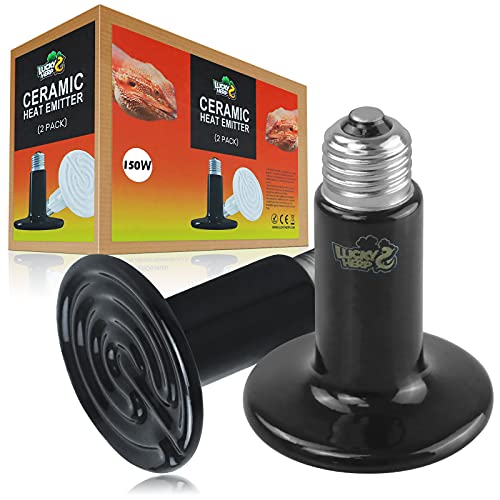
🦎No Light Emitted - The heat lamp bulb only generates heat during use, and does not emit light. It provides sufficient heat for your pets so that they can feel the warmth you made for it in a cold environment. Especially when it is used at night, it will not affect the pet's sleep.
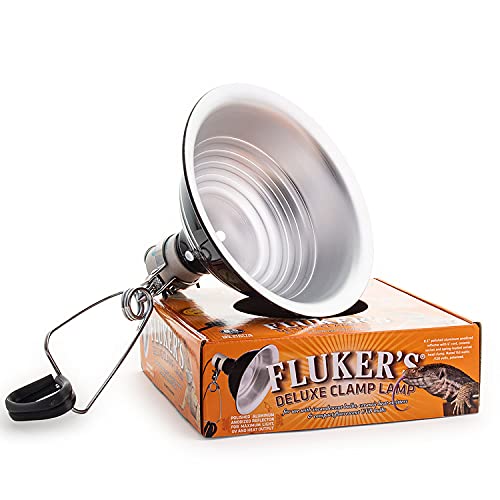
Optimal Heating for Reptiles: Fluker's Repta-Clamp Lamp is a UL/CUL approved 8.5 inch heating clamp designed to create the perfect basking environment for your reptiles.
Creating Multiple Basking Options to Encourage Natural Behavior
Providing multiple basking options in your enclosure gives your bearded dragon the ability to select heat zones that suit their needs throughout the day. Aim for at least three to four distinct basking spots, each with different temperatures and elevations, to mimic the variety found in their natural habitat. Construct these basking sites using natural materials like rocks, branches, or cork bark, which are not only durable and secure but also aesthetically pleasing. Position some basking areas at higher elevations to offer more intense heat, and place others closer to the cooler side of the enclosure, encouraging your dragon to move freely as they regulate their body temperature. Use different wattage bulbs or a combination of heat sources to create a broad temperature gradient. Arranging basking sites on one side and cooler zones on the opposite side fosters natural thermoregulation behavior, promoting overall health. Well-designed, stable structures ensure safety and add visual interest to the enclosure, making it a more engaging environment for your bearded dragon.

Small Reptile Rock Basking Platform: As a bearded dragon basking platform, the slate top stores daytime heat and releases it slowly at night. This slate basking platform includes a built-in cave serving as a leopard gecko hide, while the wooden ladder supports safe climbing
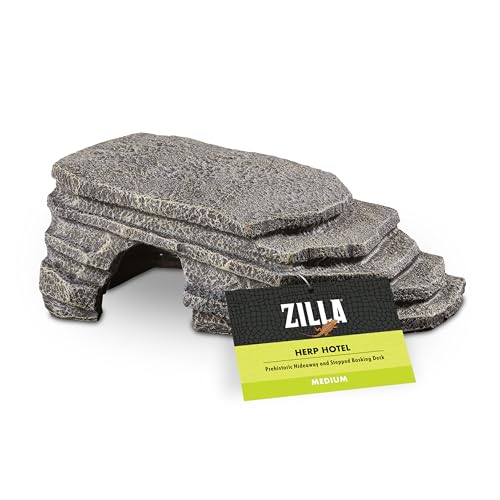
PERFECT BASKING AREA; The large, flat platform provides a prime spot for reptiles to warm up and regulate their body temperature

MULTI-FUNCTIONAL REPTILE BASKING PLATFORM - This bearded dragon basking platform integrates basking, climbing, playing, resting, and hiding into one multi-functional living space. The slate area stores heat, providing natural warmth for your reptile. The wooden ramp satisfies your pet's climbing needs, while the bottom can be used as a hideout cave.