
Wondering if tadpoles can eat fish food? They can nibble on flakes or small pellets as a supplement, but it’s not enough to keep them healthy.
Fish food lacks key nutrients like calcium and minerals vital for their growth. Keep reading to learn the best foods to help your tadpoles thrive and stay healthy.
Can Tadpoles Eat Fish Food? What You Should Know
Yes, tadpoles can eat fish food, but it should only be used as a supplement and not the main diet. Fish food such as flakes, fry food, or small pellets can provide some nutrients during later developmental stages when tadpoles become more carnivorous. However, fish food often lacks essential nutrients like calcium and minerals that are vital for healthy growth. Overfeeding fish food can lead to water quality issues and health problems for your tadpoles, including stunted development or increased mortality. To ensure your tadpoles thrive, prioritize natural, plant-based, or tadpole-specific foods, and use fish food sparingly as an occasional supplement. Proper tank setup and regular cleaning are also important to maintain water quality and support healthy growth. Additionally, understanding the best salt for your water conditioner can help create optimal water conditions for your aquatic pets. Recognizing the significance of water quality management is crucial for ensuring the well-being of your tadpoles.
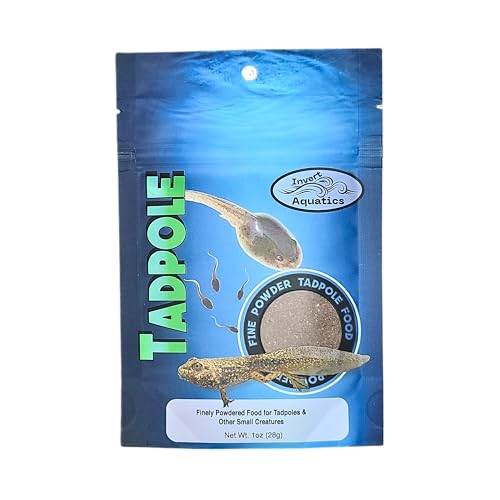
Tadpole Food - Fine Powder
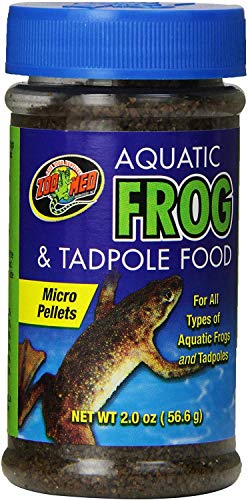
3 Pack Of Zoo Med Aquatic Frog & Tadpole Food 2 oz

What Do Tadpoles Naturally Eat in the Wild?
In their natural habitats, tadpoles primarily feed on algae, soft aquatic plants, and organic detritus. During early developmental stages, they mainly graze on biofilm and microorganisms scraped from rocks and plants, exhibiting passive feeding behavior. As they grow, some species become more predatory, consuming small invertebrates such as insect larvae, worms, or tiny fish. Larger tadpoles may also opportunistically eat decaying animal matter and, in some cases, display cannibalistic tendencies. Their diet can vary greatly depending on habitat and food availability, with some remaining herbivorous, while others become omnivorous or carnivorous. This dietary flexibility allows tadpoles to adapt to changing pond conditions and diverse food sources naturally found in the wild. Additionally, the presence of aerator fountains can influence aquatic plant growth and consequently affect tadpole diets in pond ecosystems. Understanding nutritional requirements is essential for supporting healthy tadpole development, especially when attempting to replicate their natural diet in captivity. Changes in water quality and available food sources can also significantly impact their growth and health, emphasizing the importance of understanding their dietary adaptability.
Is Fish Food a Good Diet for Tadpoles? Nutritional Insights
Fish food, such as flakes, pellets, or wafers, is not an ideal or complete nutritional source for tadpoles. While it may be convenient to feed them occasionally, it lacks essential nutrients like calcium, minerals, and specific vitamins necessary for proper growth. Tadpoles’ nutritional needs change throughout their development, requiring a diet rich in plant matter, algae, or specially formulated tadpole pellets to support their natural growth stages. Relying solely on fish food can cause malnutrition, stunt their growth, and increase the risk of mortality. To ensure healthy development, focus on offering foods designed specifically for tadpoles, which will better mimic their natural diet and provide the nutrients they need at each stage of growth. Additionally, using the right aquarium filter can help maintain water quality, which is crucial for their health. Understanding their biological needs can greatly improve their chances of healthy development.

SOFT & EASY TO DIGEST: A proprietary soft, nutrient-dense diet made for the delicate digestive systems of fully aquatic frogs and tadpoles.

High lipid, low fiber- these pellets contain an abundance of fresh, natural fats critical for amphibian growth and energy. With fewer starches and carbohydrates, they also provide the ideal low-fiber diet and promote proper digestion..
Best Fish Foods and Alternatives for Fed Tadpoles
When feeding tadpoles with fish food, choosing the right type and format is essential for their growth and maintaining water quality. Goldfish flakes are a suitable option because their fine texture allows tadpoles to nibble and filter-feed effectively, especially as they grow larger. Crushed pellets are preferable over whole ones since smaller particles are easier for tadpoles to consume and generate less waste, which helps keep the water cleaner. Fish fry food is designed for tiny mouths and slow feeders, making it suitable for young or small tadpoles. Vegetarian options like algae wafers and spirulina flakes match their early herbivorous diet and provide essential nutrients. Proper feeding routines are also crucial, including how much and how often to feed, to prevent overfeeding and water quality issues. Regular monitoring and adjusting feeding routines as your tadpoles grow will promote their health and aquatic environment. Additionally, understanding the nutritional needs of tadpoles helps ensure they receive a balanced diet that supports their development. Frozen or gel-based diets can be effective if they are soft enough and portioned carefully—avoid overfeeding to limit water fouling. Consistent water temperature and good filtration are crucial to ensure that tadpoles can digest these foods properly without compromising water quality.

GOLDFISH FORMULATION: Specially designed for use as a staple flake food for your goldfish or small koi.

GOLDFISH FORMULATION: Specially designed for use as a staple flake food for your goldfish or small koi.

Contains one (1) API BETTA FLAKES Fish Food .36-Ounce Container
Healthy Foods to Feed Tadpoles Instead of Fish Food
Feeding tadpoles a variety of healthy, natural foods instead of relying solely on fish food can support better growth and water quality. Focus on incorporating aquatic plants such as pondweed, watercress, and algae, which are naturally suited to tadpoles’ diets and help keep the water balanced. You can also offer blanched vegetables like baby spinach, lettuce, kale, broccoli, and zucchini. Make sure to finely chop or blanch these vegetables to enhance digestibility and rinse them thoroughly to remove any residues. As your tadpoles develop, supplement their diet with high-protein foods like daphnia, bloodworms, brine shrimp, or small mealworms. Using organic greens and preparing foods carefully reduces contaminants and promotes a healthy aquatic environment. Additionally, providing proper nutrition is essential to prevent malnutrition and ensure the healthy development of tadpoles. Incorporating a variety of these foods can help promote healthy growth and prevent digestive issues. To further support their nourishment, understanding their natural dietary preferences and aquatic plant-based diets can enhance their overall well-being.

ALL NATURAL FLAVOR Formulated with high content of natural spirulina, seaweed, sweet potato leaves, mulberry leaves, wild sword prawns, garlic and a variety of carefully selected natural ingredients that delivers superb palatability and well balance nutrients for algae eaters. Even the pickiest ones can't resist it!

🐸 Supports Critical Early Growth Stages Formulated specifically for herbivorous tadpoles and early-stage aquatic amphibians to support rapid growth, energy needs, and healthy development.

COMPLETE DIET for Tree Frog and Toad tadpoles that we use to raise our own Josh’s Frogs Tree Frogs
How to Feed Tadpoles Safely and Adjust as They Grow
Feeding tadpoles safely involves providing small portions and closely monitoring how much they consume. Start by offering only a pinch of food every other day in their habitat to avoid overfeeding. As they grow, especially once they develop feet or reach over six weeks of age, gradually increase the amount of food given. Ensure that they eat all the food within a few hours to promote healthy growth and prevent water fouling. Understanding how web pages work can help you better set up and maintain an optimal environment for your tadpoles. Keep the water clean by performing regular tank maintenance and removing any uneaten food within 24 hours. Use dechlorinated water and maintain consistent temperatures to minimize stress. When their diet needs adjustment, shift from a primarily plant-based diet to include protein-rich options like fish flakes or pellets. Always watch the tadpoles’ intake, as overfeeding can cause water quality issues, while underfeeding may hinder their growth. Proper feeding routines support healthy development while maintaining a clean environment and encourage tadpole dietary adaptability.

BETTA FORMULATION: Nutritionally balanced diet is an ideal daily staple food for your Siamese fighting fish (betta splendens) and other top-water feeding tropical fish.

Ideal For: Betta Fish, Tetras, Barbs and other small mouthed tropical fish.

PLECO FORMULATION: Supports the nutritional needs of herbivore bottom-feeders such as Plecostomus.