
Wondering if koi fish can eat goldfish food? While they can nibble on it occasionally, goldfish food isn’t ideal for their long-term health because it’s lower in protein and designed for slower metabolisms.
To keep your koi thriving, switching to a species-specific diet is the best way to meet their nutritional needs.
Keep reading to learn how to make that transition smoothly.
Can Koi Eat Goldfish Food? Here’s What You Need to Know
Koi can eat goldfish food, but it should only be offered sparingly. Goldfish food generally has lower protein levels, which matches the slower metabolism of goldfish but isn’t ideal for koi, who need higher protein for growth and vibrant coloration. Giving koi goldfish food occasionally—up to four times a day—is fine, but it shouldn’t be the main part of their diet. Over-relying on it can cause nutrient imbalances and water quality issues. When feeding goldfish food to koi, maintaining good pond cleanliness and water filtration is important to prevent waste buildup. Proper knowledge of aquarium plants for beginners can also help maintain a balanced and healthy environment for your koi. Additionally, understanding how aquarium backgrounds can enhance the fish’s environment can contribute to their overall health and wellbeing. Always prioritize high-quality koi food to ensure your fish stay healthy and thrive.
What Are the Nutritional Needs of Koi and Goldfish?
Koi require a high-protein diet of about 35–38%, especially during growth phases, while goldfish need slightly less. Both fish benefit from diets that include dietary fiber and specific carbohydrate sources to aid digestion and provide energy. Carbohydrates should comprise approximately 20–50% of their food intake, but keeping this below 30% can help reduce digestive issues in some plans. Essential fats, vitamins, and minerals are also vital, supporting immune health, cell function, and overall metabolism. Be sure to adjust dietary proportions based on life stage: fry need more protein for growth, whereas adult koi and goldfish thrive on a more balanced diet. Proper nutritional balance is crucial for maintaining their health, activity levels, and vibrant appearance. Understanding their specific dietary needs helps ensure they receive optimal nutrition for longevity and vitality. Additionally, providing a diet aligned with their natural feeding behaviors encourages healthier growth and activity levels.
Is Goldfish Food Safe for Koi? Risks and Considerations
Goldfish food is generally safe for koi when fed in small, occasional amounts. Most commercial brands indicate that their products are suitable for pond fish like koi and carp. However, compatibility depends heavily on your pond’s water filtration and overall water quality. Koi tend to eat goldfish food readily, but relying on it as a primary diet can lead to issues. Since goldfish food typically contains around 30% to 35% protein, it does not meet the higher protein requirements for optimal koi growth. Over time, this can result in stunted development and dull coloration. Excessive feeding of goldfish food can cause digestive bloating, water quality deterioration, and stress on filtration systems, especially in warmer weather. To keep your koi healthy and promote proper growth, it is best to limit goldfish food and switch to specialized koi diets that provide the necessary nutrients and support long-term health. Additionally, understanding the nutritional needs of koi compared to goldfish can help ensure they thrive in your pond environment. Providing appropriate pond fish diet options tailored specifically for koi can promote better growth and coloration over time. Incorporating long-term health considerations into your feeding routine can also make a significant difference in maintaining a vibrant and healthy pond ecosystem.
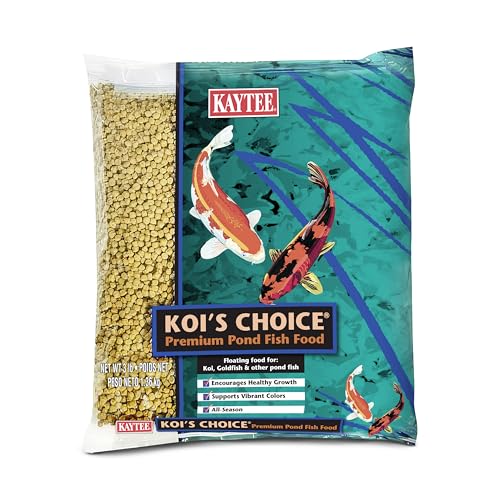
Provides necessary animal and vegetable proteins

KOI POND NUTRITION: An ideal maintenance diet for your koi, ornamental goldfish and other outdoor fish species.

Provides necessary animal and vegetable proteins
When and How Should I Use Goldfish Food for My Koi?
You can use goldfish food for koi as a temporary diet, since koi are not particularly picky and will eat it readily. This is most practical when koi food is unavailable. Use the five-minute feeding method: offer a small amount and stop feeding once all the food is consumed. Remove any leftover food promptly to prevent water quality issues. Feed no more than three times daily, adjusting according to water temperature—more frequently in warmer weather and less in cooler months. During summer, opt for protein-rich formulas to support growth, while in colder periods, easily digestible wheat germ-based feeds are better suited. Over a period of 7 to 10 days, gradually transition from koi to goldfish food to minimize digestive upset. Keep pond conditions stable by monitoring pond decorations and water filtration, ensuring all fish can access food without overfeeding or water contamination. Understanding equipment maintenance can help prevent common issues related to water quality during these adjustments. Additionally, maintaining proper water quality is crucial for the health of both koi and goldfish during dietary transitions.

FLAKED FISH FOOD: TetraPond Pond Flakes are formulated for smaller outdoor goldfish and koi.

HEALTHY POND NUTRITION An ideal maintenance diet for your koi ornamental goldfish and other outdoor fish species

Wheat germ transitions fish in and out of winter
Why Should I Prefer Koi-Specific Diets for Long-Term Health?
Choosing koi-specific diets for the long term is essential because they provide a precise balance of nutrients tailored to your fish’s needs. These diets are specially formulated to meet koi’s higher protein requirements, which support healthy growth, boost immunity, and promote a longer lifespan. Proper nutrition also enhances their vibrant coloration, adding visual appeal to your pond. Commercial koi pellets contain a carefully balanced mix of protein, fats, vitamins, and minerals that maximize digestibility and reduce stress caused by water temperature fluctuations. Feeding your koi species-appropriate food helps prevent nutritional imbalances that can pollute your pond or cause digestive problems. Sticking with koi-specific diets ensures your fish remain healthy, colorful, and attractive, helping your pond stay its best for years to come. Maintaining a healthy habitat is also crucial for supporting their overall wellbeing and nutritional absorption. Providing a suitable environment supports the efficient absorption of nutrients, ensuring your koi thrive, especially when the substrate and water quality are optimized to promote overall health.

41% PROTEIN, PROFESSIONAL-GRADE NUTRITION — Platinum Pro is a high-protein koi and goldfish food made for the warm, active feeding season. The 41% protein supports steady, healthy growth, and one food covers both everyday nutrition and color support — so there's no need to buy a separate color-enhancing food.

MIXED PELLET SIZES FOR EVERY FISH IN YOUR POND — Every bag blends large and mini 3/16" pellets in one formula, so juvenile and mature Koi and Goldfish eat together without needing two separate bags.
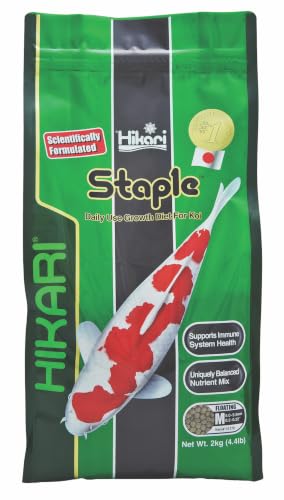
Floating pellets allow easy monitoring of amount eaten
How Can I Tell If My Koi Are Feeding Well on Goldfish Food?
You can tell your koi are feeding well on goldfish food by observing their active feeding behavior and prompt responses during mealtime. They should quickly come to the surface or near the gravel to take pellets or flakes, indicating strong interest. Consistent feeding at the same time each day helps establish a routine that encourages better feeding habits.
A key sign that your koi are doing well is finishing their food within about 5 minutes. If they regularly leave leftovers or spit out food, it suggests the portions are too large or the food is unsuitable. Additionally, watch for them seeking food near the surface or gravel—interest in different feeding zones shows they find the food appealing. Using a quality dechlorinator for aquarium water can improve water conditions, making it easier for your koi to feed actively and comfortably. Ensuring proper water temperature is also crucial, as it directly influences their activity levels and ability to hunt for food efficiently. A healthy aquarium environment, including appropriate filtration, supports optimal fish health and enables your koi to feed confidently. Clear water with minimal debris indicates efficient eating and good water quality, which supports healthy feeding behavior. When your koi respond with eagerness, finish their food promptly, and show interest during feeding, you can be confident they are feeding well on goldfish food.
How to Gradually Switch Your Koi to a Proper Koi Feed
Gradually switching your koi to a proper feed over 7 to 10 days is essential for a smooth transition. Start by mixing a small amount of the new koi-specific food with their current feed, ensuring it makes up just a few percent of the total. Each day, increase the proportion of the new formula while decreasing the old, aiming for a complete switch within the week. This slow *changeover* helps prevent nutritional deficiencies and reduces digestive stress, particularly in cooler water when koi need easily digestible formulas. Monitoring water temperature closely ensures that the transition aligns with optimal feeding times, reducing the risk of stressing your fish. Water temperature plays a critical role in how well koi adapt to new foods. Stick to a consistent feeding schedule by offering food at the same time and in the same location each day. Limit the total amount fed to what your koi can consume in about five minutes, then remove any leftovers. This practice maintains water quality and prevents overfeeding. If your koi leave food uneaten or show signs of discomfort such as bloating or gasping, slow the *adaptation* process further. Always consider water temperature when choosing feed, starting with wheat germ-based formulas in cooler months and gradually moving to higher-protein feeds as temperatures improve. Proper consideration of tank size can also influence how comfortably your koi adapt to new diets, ensuring they have enough space to thrive. Additionally, ensuring the right aquarium conditions are maintained can greatly aid in the successful transition to proper koi feed, especially since water quality directly impacts digestion and overall health.

KOI POND NUTRITION: An ideal maintenance diet for your koi, ornamental goldfish and other outdoor fish species.

MIXED PELLET SIZES FOR EVERY FISH IN YOUR POND — Every bag blends large and mini 3/16" pellets in one formula, so juvenile and mature Koi and Goldfish eat together without needing two separate bags.

KOI POND NUTRITION: An ideal maintenance diet for your koi, ornamental goldfish and other outdoor fish species.
What Are the Best Feeding Practices for Healthy Pond Fish?
Maintaining healthy pond fish requires careful feeding practices that match their natural behavior and pond conditions. Feed only what they can eat within 3 to 5 minutes to prevent food waste and debris buildup. Offer small portions once or twice a day, adjusting for seasonal changes, weather, and water quality. Using feeding stations or floating rings helps keep the food in one spot, making it easier to monitor and reducing scattered leftovers. Select high-quality, species-specific pellets and supplement with natural foods like insects or plants when available. During warmer months, increase feeding frequency; in cooler weather, reduce or temporarily halt feeding below 65°F. Always remove any uneaten food promptly to maintain water clarity and support pond aeration, which are essential for healthy fish and a balanced ecosystem. Ensuring your pond has proper filtration systems, like aquarium filters, can also significantly improve water quality and fish health.
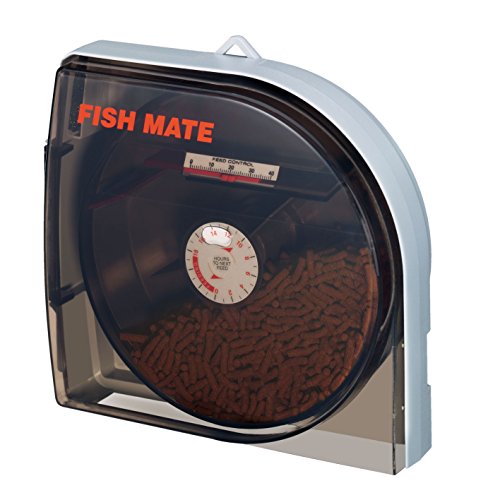
21 DAY FEEDING CAPACITY: Holds enough food to provide up to 21 scheduled meals, making it ideal for vacations, weekends away, and busy routines while keeping pond and aquarium fish consistently fed

FEED WITH CONFIDENCE: Fine-tune feeding portions with adjustable 3-teaspoon (15 ml) increments, giving you greater control over daily feeding and helping reduce food waste caused by overfeeding
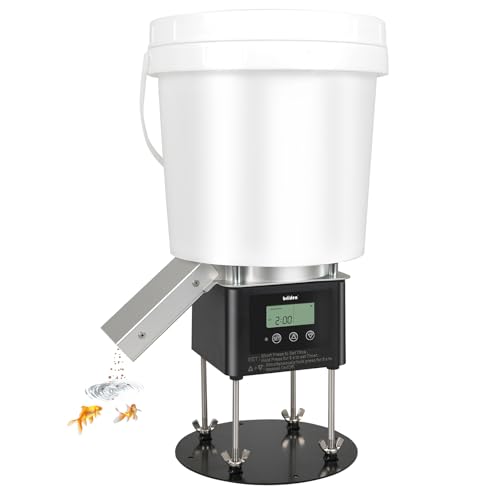
Effortless Feeding: Keep your pond on a reliable routine without daily effort. This automatic feeder delivers consistent portions at scheduled times, helping maintain natural feeding behavior while reducing waste and overfeeding—perfect for travel or busy days.
Can Koi and Goldfish Live Peacefully in the Same Pond? Key Factors
Koi and goldfish can live peacefully in the same pond when you pay attention to key factors like pond size, water quality, and species compatibility. Maintaining a pond that is at least 1000 gallons helps ensure each fish has enough space to avoid territorial disputes. Water temperature should be kept between 59 and 77°F, which supports the health of both species and minimizes stress and aggression. Strong pond filtration is essential because both fish produce a lot of waste; this prevents water quality from deteriorating and reduces disease risk. Regular water changes and monitoring ammonia, nitrites, and nitrates are also crucial to keeping conditions stable. Choosing compatible goldfish breeds, such as comets, and avoiding fancy or heavily modified types can further promote harmony. By managing these factors, you can create a peaceful environment where koi and goldfish can coexist happily.
Tips for Feeding Koi and Goldfish Together Safely
Feeding koi and goldfish together is safe when you follow consistent techniques. Offer small portions three times a day at most, and use the five-minute method: serve enough food so that fish stop eating within five minutes. Remove any uneaten food promptly to maintain water quality and prevent harmful buildup. Choose high-quality, balanced fish food that contains protein, vitamins, and spirulina, especially in warmer weather. Adjust feeding based on water temperature: provide easily digestible foods when it’s below 65°F and switch to wheat germ formulas in cooler months. Keep your pond’s filtration and aeration working well to handle waste and oxygen needs, particularly with a mixed population of koi and goldfish. Avoid feeding during stormy weather or when water temperatures fall below 50°F, as fish may be stressed or unable to digest properly. Following these guidelines supports healthy, compatible fish populations without stressing their environment.