
If you’re wondering whether guppies can safely eat betta fish food, the answer is yes—for emergencies. However, relying on it regularly isn’t ideal for their health.
Betta food is high in protein and meant for carnivorous fish, which can cause issues like bloating or poor growth if fed too often. Keep reading to learn how to keep your guppies healthy with the right diet.
Can Guppies Safely Eat Betta Fish Food?
Guppies can safely eat betta fish food in small amounts, especially during emergencies or when no other options are available. While betta food isn’t harmful for occasional feeding, it should not be a regular part of their diet. Betta food is designed mainly for carnivorous fish, meaning it has a higher protein content and lacks the vegetable matter guppies need. Since guppies are omnivores, they require a balanced mix of animal and plant-based nutrients, which betta food doesn’t fully provide.
Feeding betta food to guppies occasionally is okay, but only in moderation. The higher protein levels can be beneficial in small quantities but can cause water quality issues or digestion problems if overfed. Always consider water temperature, as warmer temperatures help guppies digest more efficiently. Limit portions to prevent overfeeding and prioritize feeding your guppies foods made explicitly for their nutritional needs, such as flake or pellet diets designed for omnivorous fish. In urgent situations, small amounts of betta food are generally safe but should not replace a regular, balanced diet. Proper nutrition is essential for maintaining healthy and vibrant fish.
Additionally, providing a variety of foods will help ensure your guppies receive all necessary nutrients.
How Do Guppies Digest Betta Fish Food?
Guppies can digest betta fish food, but their efficiency depends on the food’s composition. Being omnivorous, guppies are naturally equipped to process both plant and animal-based ingredients, including the high-protein contents often found in betta pellets and flakes. Their digestive systems can break down animal proteins to some extent, making betta food partially digestible. Proper dietary balance is essential to prevent health issues related to overconsumption of protein. Additionally, understanding digestive capabilities helps in preventing potential health problems caused by improper feeding. However, high-protein diets can strain their system, especially if fed in excess or too frequently. Guppies tend to process floating betta pellets quickly near the surface, but overfeeding can lead to bloating and digestive stress. Their short-term digestion is sufficient for occasional intake of betta fish food, but relying on it as a primary diet may impair nutrient absorption over time. A balanced omnivorous diet supports their overall health better than a diet heavily skewed toward animal-based proteins. Incorporating variety in their diet can help ensure they get all necessary nutrients without overloading on proteins.
Is Betta Fish Food a Healthy Long-Term Diet for Guppies?
Betta fish food is not a suitable long-term diet for guppies because it is designed to meet the nutritional needs of predominantly carnivorous bettas, not omnivorous guppies. While betta food contains around 40-50% protein, guppies require a more balanced mix of protein, fats, carbohydrates, and plant-based foods. Relying solely on betta food can lead to nutritional imbalances that cause issues like slow growth, weakened immune systems, and bloating. Although occasionally feeding betta food can enhance guppies’ coloration, it does not provide the dietary diversity necessary for their overall health. A varied diet comprising vegetable matter, algae, and high-quality protein sources is essential for long-term well-being. Therefore, betta food should only be used as a temporary supplement rather than the main diet for guppies.

Contains one (1) API TROPICAL FLAKES Fish Food .36-Ounce Container

Encapsulation process prevents dissipation of indispensable nutrients guppies need

Ideal For: Betta Fish, Tetras, Barbs and other small mouthed tropical fish.
How Often Should You Feed Guppies Betta Fish Food?
Feeding betta fish food to guppies should be limited to occasional treats rather than regular meals. The ideal frequency is once or twice a week, offering small portions to prevent overfeeding. Since betta food is often higher in protein than standard guppy food, giving too much can harm your fish. A good rule is to give only as much food as your guppies can consume within 1 to 2 minutes—it’s better to err on the side of underfeeding. Even when including betta food in their diet, the core feeding routine should consist of daily guppy food, fed once or twice per day. Most experts agree that betta food should be regarded as a treat, not a staple, and regular monitoring of how quickly your fish eat helps avoid excess waste and water quality issues. Aquarium nutrition plays a crucial role in maintaining healthy fish, so understanding proper feeding habits is essential. Being mindful of fish dietary needs ensures your guppies remain vibrant and healthy over time.

Tropical fish food that contains up to 40%, nutrient-rich Black Soldier Fly Larvae, the first ingredient

BETTA FORMULATION: Nutritionally balanced diet is an ideal daily staple food for your Siamese fighting fish (betta splendens) and other top-water feeding tropical fish.
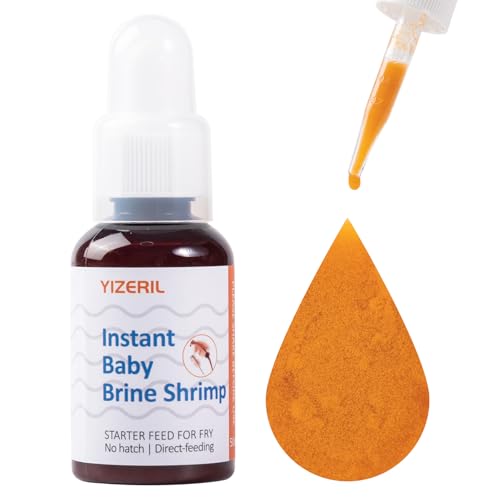
No Hatching Required : Our instant baby brine shrimp fish food is ready to use straight out of the bottle, eliminating the need for time-consuming hatching processes. Simply use the dropper for easy feeding
What Risks Come With Feeding Betta Food to Guppies Regularly?
Feeding betta food to guppies regularly can lead to significant health problems. Betta food is often high in protein but lacks the necessary plant-based vitamins and minerals that guppies need to thrive. Over time, this nutritional imbalance creates deficiencies that can weaken their immune system and stunt growth. The high protein content can cause bloating, digestive issues, and metabolic disorders, such as constipation or internal swelling. Additionally, betta food may contain allergens that provoke adverse reactions like skin irritation, respiratory problems, or swelling. These health risks can reduce the fish’s lifespan and energy levels, making it unsuitable as a regular diet for guppies. It is important to understand the specific dietary needs of guppies and avoid relying on foods that are designed for other fish species like betta food. Recognizing the nutritional requirements of guppies can help prevent such health issues and promote a healthier, more vibrant aquatic environment. Proper diet management is essential for maintaining a balanced and healthy aquatic ecosystem.

GOLDFISH FORMULATION: Specially designed for use as a staple flake food for your goldfish or small koi.

TROPICAL FORMULATION: Highly digestible ingredients for use as staple food for your mid-feeding tropical fish.

Tropical fish food that contains up to 40%, nutrient-rich Black Soldier Fly Larvae, the first ingredient
What Are Better Food Options for Guppies?
High-quality flake food should be your main staple because it’s easy to portion and designed for small mouths. It provides essential nutrients in a form that guppies can easily consume. Complement this with small guppy pellets containing good proteins to support growth and enhance coloration. Incorporate live foods like baby brine shrimp and daphnia a few times a week; they offer a natural protein boost and stimulate natural foraging behavior. Frozen options such as brine shrimp and bloodworms are convenient and keep your feeding routine diverse without the hassle of maintaining live cultures. Adding small amounts of blanched vegetables like zucchini or spinach, along with spirulina-enriched foods, completes a balanced diet that encourages vibrant colors and overall health. Proper nutrition promotes better development and increases the overall vitality of your guppies. Additionally, understanding the dietary requirements of guppies ensures you provide the most suitable nutrition for their health and longevity. Maintaining a varied diet supports immune health and helps prevent nutritional deficiencies, keeping your guppies healthy in the long term.

TROPICAL FORMULATION: Highly digestible ingredients for use as staple food for your top- and mid-feeding tropical fish.

TROPICAL FORMULATION: Highly digestible ingredients for use as staple food for your top- and mid-feeding tropical fish.

contains 1- 1oz
How to Safely Use Betta Food as a Treat for Guppies?
Using betta food as an occasional treat for guppies can be beneficial, but it should not replace their main diet. Limit feeding to small portions and only give it once in a while to prevent overfeeding and leftover waste buildup. Betta food is high in protein, which can cause bloating and nutritional imbalances if offered too frequently. Combine these treats with a balanced diet that includes plant-based foods and vegetables to support their overall health and color. In tanks shared with bettas, feed guppies their regular food first to avoid dependency on betta pellets. Always monitor the amount of treat food given and feed in separate spots to reduce competition and overconsumption. This careful approach allows your guppies to enjoy variety without risking their health. For optimal health, consider incorporating high-protein fish foods into their diet to ensure they receive the necessary nutrients. Additionally, choosing appropriate filtration systems can help maintain water quality and reduce waste, promoting healthier environments for both guppies and bettas.

High Palatability : Our guppy food contains up to 35% of wild sword prawns and all other 100% natural ingredients which make it highly nutritious without sacrificing superior taste—even the pickiest guppy can't resist it!

Instant Feeding with No Hatching Required - Our baby brine shrimp is ready to use straight from the bottle. The included dropper ensures easy, precise feeding for both beginners and experts. Skip the messy and time-consuming hatching process.

Signs Your Guppies Aren’t Thriving on Betta Fish Food?
If your guppies stop eating or behave inconsistently during feeding, it’s a sign they might be struggling with betta fish food. Refusing to eat or showing picky eating habits suggests the diet doesn’t meet their needs or they reject the texture, size, or flavor. You might notice poor growth, dull coloration, or reduced activity levels, indicating nutritional deficiencies. Digestive problems such as swollen bellies or lethargy following feeding could point to overfeeding or unsuitable food. Additionally, uneaten pellets decay in the water, worsening water quality and stressing your fish. Proper habitat maintenance and regular water changes can help mitigate some of these issues. Regular monitoring of water parameters and understanding of fish dietary needs are crucial for preventing health problems related to diet. Ensuring that the nutritional balance of the food is appropriate helps support overall health and vitality. Persistent health issues like fin clamping or flashing may also signal diet-related stress or illness. Overall, changes in appearance, behavior, or water conditions serve as red flags that betta fish food isn’t supporting the health and development of your guppies. Proper nutrition is essential for their thriving, and using incompatible food can lead to long-term health problems.
Creating a Balanced Diet for Healthy Guppies?
A balanced diet for healthy guppies involves offering a variety of nutrient-rich foods tailored to their small mouths and developmental needs. Start with high-quality flake foods or micro-pellets that list fish meal as the main ingredient, aiming for 40-48% protein content to support growth and energy. Choose pellet sizes and flake textures that are small enough to prevent waste and ease consumption. Incorporate live or frozen foods like brine shrimp, bloodworms, and daphnia, rotating these options regularly to provide broad-spectrum nutrients and prevent dietary deficiencies. Adding plant matter such as blanched peas or spinach introduces fiber and plant-based nutrition, which helps with digestion and enhances coloration. These diets should be adjusted based on your guppies’ age and health to ensure optimal nutrition. During breeding periods, increase protein intake with specialized foods to support reproductive health and fry development. Feed adult guppies once to three times daily with small portions, which promotes optimal water quality and reduces excess waste. It is also important to understand how different foods impact water quality, so monitoring tank conditions and adjusting feeding accordingly is essential. Additionally, providing varied nutrition is crucial for preventing nutritional deficiencies and supporting overall vitality. A carefully varied diet not only boosts their coloration and growth but also contributes to overall vitality and nutritional balance.