
Wondering if your goldfish can survive in a pond without a pump? The good news is that they can, as long as the water remains clean and oxygen levels stay balanced naturally.
A well-designed pond with aquatic plants and proper depth can support your fish without extra equipment. Keep reading to learn how to make this work smoothly.
Can Goldfish Live in a Pond Without a Pump?
Yes, goldfish can survive in a pond without a pump if the water remains healthy and predator protection is in place. In mature, naturalized ponds, oxygen levels stay balanced enough for goldfish to thrive without artificial aeration. Plants contribute significantly to oxygenation, but gentle surface movements from currents or fountains help ensure adequate gas exchange, especially during warmer months or when ice covers the pond in winter. Protecting goldfish from predators, such as birds or raccoons, is crucial because the pond lacks barriers like nets or screens. Regular removal of organic debris and managing fish numbers are essential to prevent water quality from deteriorating, as waste buildup can quickly cloud the water. Larger, established ponds with plenty of aquatic plants generally offer the best conditions for goldfish to survive without a pump. Additionally, natural oxygenation methods like aerating plants are vital for maintaining proper water quality over time. Ensuring that the pond has enough aquatic vegetation can naturally support oxygen levels and improve habitat stability for the fish. Properly monitoring water quality parameters regularly helps maintain the balance necessary for goldfish health in these environments.
What Conditions Support Pumpless Goldfish Ponds?
Conditions that support pumpless goldfish ponds include having a well-established, mature ecosystem that naturally sustains water quality without mechanical filtration. Stable water chemistry is crucial; an ecosystem that has balanced nutrient levels and waste cycles reduces the need for a pump. Natural pond aeration is achieved through surface movement and increased surface area, ensuring sufficient oxygen levels—especially during winter or hot summer days when gas exchange can be limited. Incorporate a variety of floating, submerged, and marginal plants to enhance oxygen production, help regulate water temperature, and absorb excess nutrients, which stabilizes water chemistry. Keeping the fish stock low prevents overloading the biological system, while maintaining proper temperature through shading or pond depth supports their needs naturally. Regular partial water changes and careful winter preparations further promote seasonal stability. Creating a balanced ecosystem with natural water filtration supports a sustainable environment where biological processes can sustain goldfish health naturally without the need for a pump. Additionally, designing the pond with proper plant choices can further enhance its self-sustaining qualities. Ensuring proper ecosystem balance is vital for the long-term health of your pond and its inhabitants.
How Do Plants Help Keep Ponds Healthy for Goldfish?
Plants are essential for keeping a pond healthy for goldfish. They absorb excess nutrients like nitrogen and phosphorus from waste, which helps prevent algae overgrowth. This natural filtration reduces toxins such as ammonia and nitrate, keeping water safe for your fish. Submerged plants also take in nutrients that algae would otherwise use, helping to control their spread. Additionally, plants provide shade, reducing sunlight penetration and limiting algae blooms. Their presence supports oxygen production through photosynthesis, ensuring there’s enough oxygen in the water even without a pump. Healthy aquatic plants also aid in water clarity, creating a more aesthetically pleasing environment for your goldfish. Moreover, plants contribute to the natural balance of the pond ecosystem, promoting overall stability. Properly maintained plants help regulate temperature and pH, creating a balanced environment that promotes goldfish health and decreases reliance on mechanical filters.
How Do Seasonal Changes Affect Pumpless Ponds?
Seasonal changes significantly impact pumpless ponds, which depend on natural processes for maintaining water quality. In winter, ice formation can block gas exchange at the pond surface, trapping gases such as carbon dioxide and methane. This reduction in gas exchange lowers oxygen levels beneath the ice, which can threaten the health of aquatic life, especially in shallow ponds where ice cover persists for extended periods. During autumn, falling leaves add organic debris to the water, increasing nutrient loads. As these leaves decompose, they produce sludge and further impair water quality. Excessive leaf accumulation can also lead to pond turnover—a process where layered water mixes—bringing nutrient-rich, low-oxygen water from the bottom to the surface and causing sudden, sometimes harmful, shifts in pond conditions. Recognizing how these seasonal factors influence your pond can help you anticipate issues and manage it more effectively without a pump. Proper understanding of natural pond processes and the cycle of biological activity is essential for maintaining a healthy aquatic environment year-round. Additionally, understanding the role of biological activity in natural filtration can assist in supporting a balanced ecosystem during these seasonal changes.
What Are the Biggest Risks of No Circulation or Filter?
Without circulation or filtration, your pond becomes vulnerable to several critical dangers that can quickly harm your goldfish. Predator attacks become more likely because the water surface lacks proper oxygenation and stability, making it easier for predators to spot and catch fish. Water levels can drop due to evaporation, increasing toxin concentrations and stressing your fish. Without adequate circulation, dissolved oxygen levels can plummet, forcing goldfish to surface frequently and increasing their stress levels. Waste decomposes unchecked without filtration, leading to dangerous ammonia spikes that can harm or kill your fish. Water quality becomes unpredictable, raising the risk of disease and weakening your goldfish’s immune defenses. Additionally, limited water movement diminishes natural waste breakdown, leading to a buildup of toxins. Proper circulation and filtration support beneficial bacteria that process waste effectively, creating a healthier environment for your pond. Maintaining the right tank size and capacity is crucial to creating a sustainable aquatic environment that can support beneficial bacteria and overall pond health. Proper aquatic ecosystem management is essential to prevent long-term health issues in your pond. Overall, neglecting circulation and filtration puts your pond’s entire ecosystem at risk, endangering your goldfish’s health and survival.

POWERFUL WATER CIRCULATION: Experience robust water movement with the VIVOHOME 100W submersible pump, delivering an impressive 1600 gallons per hour; With a maximum lift height of 15 feet, it provides versatile water circulation for various applications; Ideal for koi ponds, water gardens, fountains, aquariums, waterfalls, hydroponic systems, irrigation setups, and other water features

Epoxy-Sealed Motor & 176°F Over-Temp Protection: Epoxy resin resists moisture and corrosion. Thermal sensor triggers automatic shutoff at 176°F to prevent overheating — even during accidental dry runs. Suitable for extended use in small ponds, fountains, and water features.

Specs & Dimensions: 4.33*3.5*4.1 inches; Max flow rate: 800 GPH (3000L/H); Max lift height: up to 10 ft.; Wattage: 50W; Voltage: 110-120V
Tips for Keeping Goldfish Healthy in a Pump-Free Pond
Maintaining a healthy environment for your goldfish in a pump-free pond depends on several natural factors. Ensure your pond has a large surface area and is at least three feet deep to buffer temperature fluctuations and support stable oxygen levels naturally. Using aquatic plants is crucial; aim to cover about two-thirds of the pond surface with submerged, emergent, or floating plants. These plants provide shade to control algae growth, absorb excess nutrients, and naturally aerate the water as they grow and move. Incorporating beneficial bacteria helps break down waste and maintain water quality naturally. Adding aeration techniques such as water movement created by plants or natural waterfalls can further support oxygen levels without a pump. Designing the pond with a natural filtration system that includes biological media enhances water quality by promoting beneficial bacteria colonization.
Regular water testing is essential. Check levels of ammonia, nitrite, and nitrate weekly to catch any water quality issues early. Performing partial water changes of 10 to 20 percent every week helps maintain a stable environment without disturbing helpful bacteria. Keep predators like herons or raccoons away and avoid overstocking, which increases waste and stress for your fish.
Incorporate stones, gravel, and other hard surfaces into the pond design. These materials support beneficial bacteria that break down waste, contributing to a balanced ecosystem. When combined with dense plant coverage and natural aeration, these measures create a resilient and healthy habitat for your goldfish without the need for a pump.
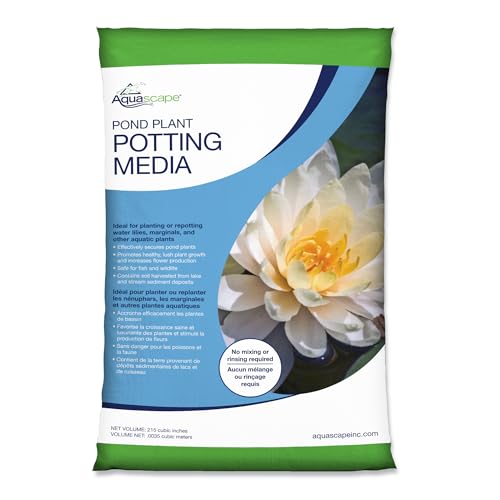
Specialized Aquatic Plant Soil – Formulated to promote healthy root establishment and robust growth for pond plants.

✅ FLOATING BEAUTY! Most popular floating pond plant; perfect for beginners! Glossy, succulent green leaves float beautifully on the water’s surface! Experience sporadic bursts of gorgeous lilac blooms!

✅ MOSAIC TILE! Mosaic Plant was given its name because of its unique foliage! The leaves on this plant are a diamond shape which whorl outward in a circular pattern resembling a mosaic tile! Adding to the likeness, when in full sun the leaves get red tinted edges as though painted!
When Should You Use a Pump to Protect Your Goldfish?
You should use a pump whenever water movement is too slow to maintain proper oxygen levels and prevent stagnation. This is especially important during warm weather when warm water can hold less dissolved oxygen, causing goldfish to gasp at the surface. Adequate aeration helps ensure efficient oxygen exchange at the water’s surface, reducing fish stress. If your pond or aquarium lacks sufficient aeration or surface exchange, a pump will help circulate the water through filters and promote water exchange. Proper water circulation** can also prevent the build-up of harmful toxins and debris, supporting overall pond health. Additionally, pond maintenance benefits from proper circulation as it helps break down organic matter more effectively. In small or heavily stocked ponds, a pump ensures consistent circulation, which prevents waste buildup and maintains water quality**. It also helps maintain stable conditions during seasonal changes and hot months. Continuous operation during these times supports healthy oxygen levels and keeps your goldfish comfortable and healthy.

Small Aerator for Ponds up to 1,000 Gallons -- Increases water circulation and oxygen saturation, improving the natural ecosystem. Ideal for a backyard pond, water garden, or small outdoor fishpond.

Strong Output: High Pressure: 0.032 MPa; Max Air Flow Rate: up to 500 gallons per hour; Power: 20 W. The air pump is ideal for fish ponds or water gardens up to 3000 gallons.

High Performance – 7W Power, 0.026Mpa Pressure, 254GPH Flow Rate. This pond aerator is suitable for koi ponds up to 2,500 gallons, enhancing water circulation, increasing oxygen levels, promoting biological processes, and creating a stable ecosystem for fish and plants