
Wondering if you can feed your goldfish tropical fish food? In a pinch, you can give it to them temporarily, but it’s not a good long-term solution.
Tropical fish food is higher in protein and lower in fiber, which isn’t ideal for goldfish health.
Keep reading to learn how to keep your goldfish safe and well-nourished.
Is Tropical Fish Food Safe for Goldfish in the Short Term?
Using tropical fish food for a short period is generally safe and unlikely to cause immediate harm if you run out of goldfish food unexpectedly. This quick fix usually doesn’t significantly disrupt your fish’s behavior or health when used only briefly. Tropical fish food isn’t toxic in small amounts, so occasional emergency feeding with it is acceptable. Just remember, this is a temporary solution—not something you should do regularly. Healthy adult goldfish can tolerate fasting for about 7 days, making short-term substitution feasible. Additionally, it’s important to consider that adequate nutrition supports your goldfish’s long-term health and vitality. However, it is important to use tropical fish food sparingly. Overfeeding or prolonged use can lead to nutritional imbalances and potential health issues because tropical fish food often lacks the specific nutrients goldfish need. Always aim to return to goldfish-specific food as soon as possible to ensure optimal health. While short-term use is safe, relying on tropical fish food long-term can adversely affect your goldfish’s overall well-being due to dietary mismatches. It’s also helpful to understand that balanced diets are crucial for maintaining your fish’s health over time. Incorporating a variety of foods ensures a nutritional balance, which is essential for their well-being.
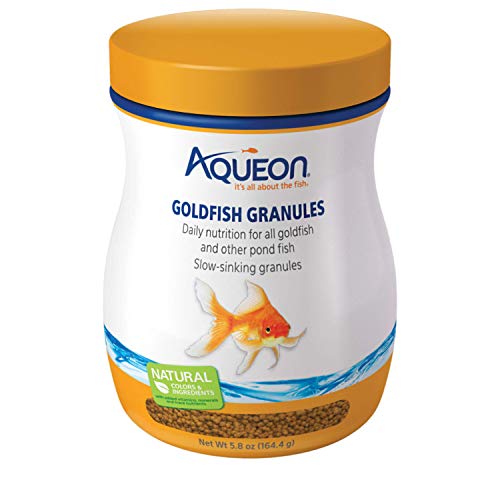
Natural ingredients and colors with added vitamins, minerals and trace nutrients

GOLDFISH FORMULATION: Specially designed for use as a staple flake food for your goldfish or small koi.

Natural ingredients and colors with added vitamins, minerals and trace nutrients
Why Goldfish Need Different Nutrition Than Tropical Fish
Goldfish require a different diet than tropical fish because of their unique metabolic and digestive needs. They need a diet that is higher in plant material, with fiber levels reaching 20 to 30 percent to promote healthy digestion and prevent constipation. Unlike tropical fish, goldfish benefit from a balanced intake of carbohydrates and proteins, with fat levels maintained between 5 and 8 percent, primarily from sources like fish oil that supply unsaturated fats. Standard tropical fish foods often contain more protein and less fiber, making them unsuitable for goldfish over the long term. To support their health, goldfish thrive on species-specific diets that include sinking pellets combined with vegetables such as peas or spinach. Providing the right nutrition helps prevent metabolic issues and ensures they stay healthy. Additionally, aquarium plants can be beneficial for goldfish, contributing to their digestion and overall well-being. Moreover, selecting foods with proper nutritional balance is essential to meet their specific dietary needs and promote longevity. Ensuring your goldfish has access to appropriate food types can make a significant difference in their vitality and lifespan.
What Are the Long-Term Health Risks of Feeding Tropical Fish Food to Goldfish?
Feeding tropical fish food to your goldfish long-term can cause serious health problems due to nutritional deficiencies. Tropical fish food is not designed for goldfish, so it often lacks essential nutrients needed for healthy growth, strong immune function, and proper maintenance. Over time, this can lead to stunted growth, reduced vitality, and a weakened immune system that makes your goldfish more vulnerable to disease. In addition, tropical flakes or pellets may result in poor digestion or overeating, which can cause bloating and swim bladder issues. Uneaten food also degrades water quality by releasing toxins, increasing stress for your goldfish. This environmental stress further hampers their immune response and overall health, potentially shortening their lifespan. Proper nutritional balance and aquarium care are essential for maintaining a healthy goldfish in the long run. Relying on unsuitable fish food can lead to dietary imbalances that negatively affect your pet’s wellbeing. Ensuring that your goldfish receives the correct type of appropriate nutrition helps support their long-term health and vitality.
How to Feed Your Goldfish for Long-Term Health and Happiness
Feeding your goldfish with a balanced diet designed specifically for their needs is essential for their long-term health and happiness. Use goldfish-specific foods, such as sinking pellets or specialized flakes, which are formulated to match their metabolism and digestion. Incorporate a mix of staple dry food along with vegetables like spinach, zucchini, or blanched peas, and offer occasional protein treats like frozen bloodworms or brine shrimp. Keep portion sizes consistent by feeding small amounts that your goldfish can consume within 2 to 3 minutes, which helps prevent overfeeding and maintains water quality. Avoid cluttered or overly large decorations in the aquarium, as they can obstruct swimming and feeding, making it harder to keep the environment clean and healthy. Proper lighting, including appropriate UVB lighting, can also support your goldfish’s overall health by mimicking natural sunlight and aiding in their biological processes. For optimal health, regular monitoring of water parameters and filter maintenance is crucial to prevent harmful toxins from building up and affecting your fish. Combining proper diet and water maintenance ensures your goldfish remains active, healthy, and content over the years.

FOR SENSITIVE SYSTEMS: Omega One Goldfish Pellets are formulated specifically for the sensitive goldfish digestive system. They are 100% meal free and contain significantly less starch than other goldfish foods

FOR SENSITIVE SYSTEMS: Omega One Goldfish Pellets are formulated specifically for the sensitive goldfish digestive system. They are 100% meal free and contain significantly less starch than other goldfish foods

SINKING PELLETS FOR NEW FISH: Microbe-Lift Sinking Fish Food Pellets make sure your newly added pond fish receive balanced meals while adjusting to their new surroundings; This food is great for warmer summer and late spring temperatures
When and How Should You Use Tropical Fish Food in an Emergency?
If your usual goldfish food becomes unavailable, tropical fish food can serve as a temporary emergency replacement. Use it solely for quick aquarium maintenance and only for a short period. Tropical fish food often has different dietary formulations, so extended use may harm water chemistry and impact your goldfish’s health. Feed only small portions—just enough that your fish can eat within a few minutes. Leftover food can degrade water quality, so remove uneaten pieces promptly to prevent contamination. Choose plain flakes or pellets without heavy additives, and soak pellets briefly before feeding to reduce their expansion in the fish’s digestive system. Remember, this is a stopgap measure, not a long-term solution. As soon as possible, switch back to proper goldfish-specific food to ensure optimal water quality and fish health. Proper care and understanding of aquarium plant care tips can also contribute to a healthier environment for your fish. Additionally, being aware of fish dietary needs can help you make better decisions in emergency situations.

TROPICAL FORMULATION: Highly digestible ingredients for use as staple food for your top- and mid-feeding tropical fish.

TROPICAL FORMULATION: Tetra Tropical Color Flakes were created with the fishkeeper’s success in mind to provide all the nutrition your fish needs.

TROPICAL FORMULATION: Highly digestible ingredients for use as staple food for your top- and mid-feeding tropical fish.