
Struggling to keep your sand substrate clear and your plants thriving? Many aquarists find it tricky to grow aquatic plants in sandy environments, but the right choices and techniques make a big difference.
By understanding which plants do well in sand and how to care for them, you can create a healthy, beautiful setup.
Keep reading to discover expert tips for successful planting in sand-based tanks.
Choosing the Best Sand Substrate for Aquarium Plants
Medium-sized sand grains around 1.5 to 2 mm are ideal for aquarium plants. They promote good water flow and help prevent compaction, which can lead to anaerobic zones that harm roots. Larger grains are beneficial for preventing these zones, while very fine sand tends to settle and compact, risking the formation of toxic gas pockets. Rounded grains are preferable because they are gentler on bottom-dwelling animals and reduce injury. Proper layering, such as placing a nutrient-rich substrate underneath a sand cap, supports plant roots and keeps the surface clean. Additionally, Consistent grain size can help prevent uneven settling and create a more stable environment for plant growth. A substrate depth of 1 to 2 inches is generally optimal for most planted tanks, with deeper layers suited for larger plants. Before adding sand, rinse it thoroughly to remove dust and debris, ensuring clarity once submerged. Choosing an aquarium-specific sand enhances plant growth and promotes stability within your tank. Ensuring proper layering techniques helps maintain healthy root systems and overall tank health.

Triple Washed and Kiln Dried: One of the cleanest aquarium sands available with no toxins, no foreign matter, and 100% natural sand composition

Sparkling Aesthetic: Fine black sand that catches the light in your aquarium creating a shimmering effect

Triple Washed and Kiln Dried: This is one of the cleanest aquarium sands available, no toxins, no foreign matter, 100% natural sand
What Are the Top Plants for Sand-Based Aquariums?
Java fern, Anubias, and Bucephalandra are ideal plants for sand-based aquariums because their rhizomes stay above the substrate, allowing them to absorb nutrients directly from the water. These rhizome plants do not require their roots to be buried, which prevents rot and keeps them healthy long-term. They adapt well to low-nutrient environments and grow slowly, making them suitable for tanks with minimal plant maintenance. Most of these plants are resilient and can survive in less-than-ideal conditions, making them perfect choices for beginners or low-maintenance setups. Additionally, their ability to thrive in low-nutrient environments makes them especially popular among aquarists with minimal fertilization routines. Ensuring proper plant placement and choosing species that suit your specific tank conditions can greatly enhance their health and appearance.
Fast-growing stem plants like water wisteria and hornwort are highly effective in sand-based setups because they rapidly uptake nutrients, helping to control algae and improve water quality. Their stems can be anchored in the substrate or floated, providing flexibility and ensuring they are not dependent on root penetration. These plants require regular trimming to prevent overgrowth but significantly contribute to maintaining a balanced ecosystem. Proper nutrient uptake by these plants is essential to sustain their vibrant growth and overall health.
Rooted rosette plants such as Amazon sword and Cryptocoryne thrive when provided with supplemental nutrients. They develop robust root systems that anchor them securely into the substrate, making them suitable for sand that can support their weight. Adding root tabs or nutrient-rich substrates encourages healthy growth, and these plants often become focal points in your aquascape due to their size and lush leaves.
Vallisneria offers stability in sand-based aquariums because of its long, anchored roots. It naturally propagates through runners, filling empty spaces with minimal effort. Vallisneria is hardy and tolerates a range of water conditions, making it a reliable choice for beginners and experienced hobbyists alike.
Floating plants like duckweed and water sprite are excellent options as they do not depend on the substrate at all. They float on the water surface, providing shade, reducing algae growth, and absorbing excess nutrients quickly. These plants are easy to care for and can be removed or thinned out to control their spread, ensuring a balanced, low-maintenance environment. Their presence also adds a natural aesthetic and provides shelter for aquatic creatures.

PROMOTES ROBUST PLANT GROWTH: Fluval Plant and Shrimp Stratum encourages strong root development by allowing plant roots to easily penetrate and spread throughout the substrate, helping aquatic plants absorb key nutrients for healthy growth
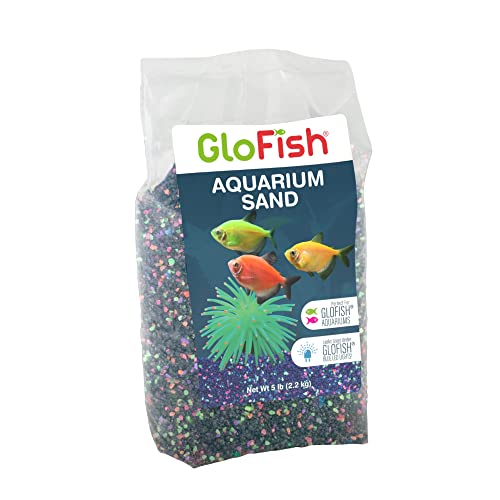
AQUARIUM SAND: GloFish Aquarium Sand creates a colorful base for all your GloFish ornaments

Premium Aquarium Sand - Enhance your aquarium’s beauty with our high-quality Aquarium Sand, available in three elegant colors: Black, White, and Beige. Perfect for creating a natural and stunning underwater environment
How to Plant and Secure Aquarium Plants in Sand
To plant and secure aquarium plants in sand, start by shaping the substrate with a slight slope from front to back. This not only enhances the sense of depth but also makes planting easier. Use larger-grain sand, which provides gaps for roots to spread and helps anchor plants securely. Dig small holes approximately 1.5 to 2 inches deep for rooted plants, gently place the roots into the holes, then cover them lightly with sand to avoid compacting. For stem plants, employ planting tweezers to position them deeply into the substrate without disturbing neighboring plants. Attach non-rooted plants like Java fern to rocks or driftwood using super glue or thread, then place them on the sand. To support heavy root feeders, insert root tabs near their root zone. Fertilizing the substrate ensures plants receive essential nutrients, especially when using inert substrates like sand that lack nutrients naturally. Additionally, understanding the characteristics of a suitable substrate can significantly influence plant health and stability. Choosing the right substrate with proper grain size can help promote healthier root development and overall plant growth. Proper water conditions are crucial for healthy plant roots and overall growth. During maintenance, avoid disturbing the sand to prevent uprooting or destabilization of the plants.
Sparkling Visual Appeal: Fine black sand that catches the light in your aquarium creating a shimmering effect

Fine Aquarium Sand – A must-have for keeping fish tanks cleaner, our salt and freshwater aquarium sand helps you maintain a cleaner, clearer environment while setting the perfect backdrop for colorful fish, live plants, and tank enhancements.
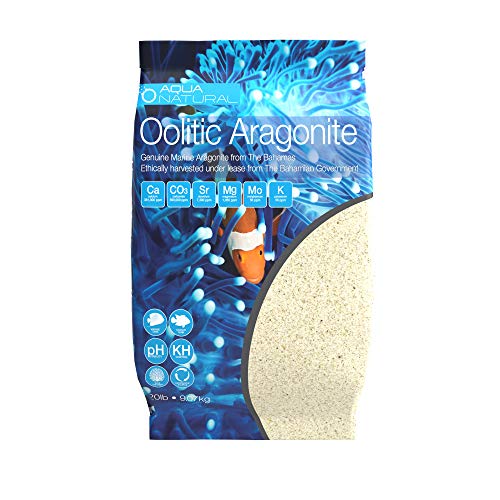
Unsurpassed buffering capability: Keeps pH at a stable 8.2 for optimal aquatic environment
Nutrient Tips for Growing Plants in Sand Substrate
Sand contains little to no organic matter, so it provides almost no nutrients for aquarium plants on its own. To support healthy growth, you need to supply root nutrients directly, usually through root tabs placed near the plant roots. These slow-release fertilizers deliver essential minerals for heavy root feeders like swords and rosette plants, helping them thrive.
Water circulation also plays a crucial role in distributing nutrients dissolved in the water column. Good movement of water ensures that nutrients reach the plant leaves, allowing for efficient absorption. Regular fertilization with liquid fertilizers that supply both macronutrients and micronutrients is necessary because sand does not act as a nutrient reservoir. Nutrient distribution is key to maintaining uniform nutrient availability throughout the tank. Combining root tabs with consistent water-column dosing helps maintain balanced nutrient levels, promoting vibrant and healthy plant growth in a sand-based substrate. Understanding water parameters and how to manage them is essential for preventing nutrient deficiencies and supporting stable plant development.

Contains one (1) API ROOT TABS Freshwater Aquarium Plant Fertilizer 0. 4-Ounce 10-Count Box

Aquarium Safe Material: 100% natural composition ensures safety for all aquatic life

TARGETED ROOT-ZONE NUTRITION – ThriveCaps deliver nutrients directly into the aquarium substrate, providing rooted aquatic plants with nutrition where their roots can access it.
Light and Fertilizer Strategies for Sand Aquariums
Optimizing light for sand aquarium plants involves providing medium to high illumination, typically targeting 30–50 PAR at the substrate for most plants, or 50–80 PAR for carpeting species. Use full-spectrum LED lights around 6500K to promote photosynthesis across the 400–700 nm range. A photoperiod of 8–10 hours strikes a balance between encouraging healthy plant growth and minimizing algae growth; a timer helps maintain consistent light cycles. Positioning lights appropriately ensures even distribution of light over the substrate. Proper light intensity promotes optimal plant growth, and adjusting the light setup based on plant response ensures healthy development. Using appropriate lighting technology can help achieve the desired light levels and coverage. Incorporating a reliable aquarium pump with filters can also help maintain water quality, supporting healthy plant roots. Additionally, ensuring the correct positioning of lights helps maximize light exposure for all plants. Fertilizer timing is crucial; it is best to add liquid fertilizers weekly or biweekly, preferably just before the lights turn on. This approach aligns nutrient availability with peak plant activity during the light cycle. Start with small doses and observe how your plants respond, adjusting macro and micronutrients accordingly, especially chelated iron. Maintaining a consistent routine of light and fertilization encourages vibrant, healthy growth in your sand-based aquarium.
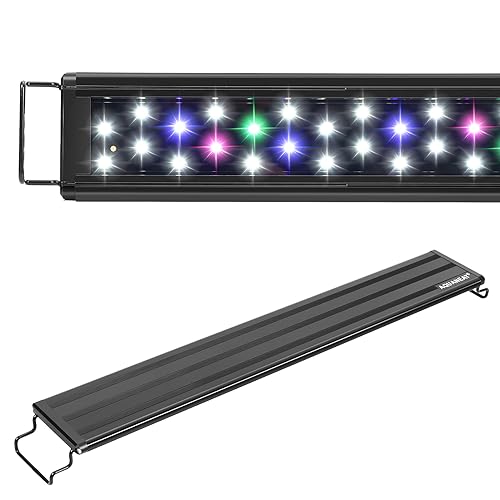
Work best on 10 gallon tanks with 20 inches long for better coverage; with two extendable brackets, this light also fits for fish tank from18 inch to 24 inch long
Work best on tanks with 48 inches long for full cover effect; with two extendable brackets, this light also fits for fish tank from 48 to 54 inches long
Work best on 5 gallon tanks with 16 inches long; with two extendable brackets, this light also fits for fish tank from 16 inch to 20 inch long
How to Control Algae and Maintain Clear Sand
To control algae and keep your sand clear, focus on regular maintenance and strategic management practices. Start by siphoning visible algae mats during water changes with a gravel vacuum, removing as much growth as possible before considering chemicals. Work in sections to prevent stirring up debris and clouding the water. Routine vacuuming helps reduce organic buildup that fuels algae growth. Additionally, gentle water movement from the filter outlets prevents cyanobacteria from settling by circulating nutrients away from dead spots. Angle the filter outlets downward to direct flow along the sand surface, promoting stabilization and preventing the formation of pockets where debris can accumulate. Managing nutrients is crucial—avoid overfeeding, limit leftover food, and consider using phosphate-removing media or pure RO/DI water to cut down excess nutrients. Incorporating chemical treatments should be a last resort, as they can disrupt the biological balance if used improperly. Plant live aquatic plants densely to outcompete algae for nutrients and consider adding algae-eating creatures such as certain fish or snails to naturally suppress algae growth. Maintaining optimal water parameters such as nitrate and phosphate levels is essential, as elevated levels strongly promote algae blooms. Regularly monitoring water quality and parameters is vital for early detection and prevention of algae issues. Also, understanding the impact of nutrients on algae can help you implement more effective control strategies. Consistent monitoring, routine cleaning, and proper water flow are key to maintaining clear sand and a healthy aquatic environment.
Common Troubleshooting for Sand-Grown Aquarium Plants
To troubleshoot sand-grown aquarium plants effectively, focus on proper root stabilization. Plant the roots deeply in the substrate, about 1.5 to 2 inches of medium to coarse sand, to ensure they anchor securely. Shallow planting can cause plants to float or shift, especially in unstable sand. Using small weights or rocks temporarily on top of the roots can help until the plants establish themselves firmly.
Sand compaction can also hinder plant growth by limiting oxygen flow and restricting root expansion. To minimize compaction, choose medium-grain sand instead of fine sand, which tends to settle and compact more easily. Gently stirring the surface layer regularly prevents the sand from becoming too dense. Avoid deep vacuuming around the roots to maintain substrate looseness. Proper substrate maintenance is essential to prevent compaction and promote healthy root development. Regularly monitoring water parameters helps ensure the environment remains optimal for plant growth and nutrient uptake. Additionally, incorporating oxygen exchange techniques like surface agitation or aeration can improve overall substrate conditions. Introducing beneficial bacteria can also help break down waste and promote healthier root systems in sandy substrates.
Nutrient deficiencies are common in sand-grown setups. Pale leaves and slow growth often point to a lack of essential nutrients. Supplement with root tablets placed near the root zone and water-column fertilizers to promote healthy development. Ensuring the substrate remains loose and stable, along with proper feeding, supports vibrant, thriving plants in a sand-based environment.
Best Practices for Combining Aquatic and Semi-Aquatic Plants in Reptile Enclosures
To create an effective combination of aquatic and semi-aquatic plants in a reptile enclosure, it’s essential to establish clear zones for land and water. Use dividers, barricades, or sloped substrates to define these areas distinctly. The land section should be layered with gravel, river rock, or drainage materials to promote proper water runoff, then topped with moss or soil to prevent roots from sitting in standing water. The water area should be shallow enough to allow easy access for the reptile, with rooted or floating plants added only after the base is well established. Incorporating aquarium filters for turtles can also help maintain water quality and create a healthier environment for your plants and reptiles. Matching plant species to light levels, humidity, and moisture gradients is critical for harmony between submerged, emergent, and terrestrial plants. Choose plants suited to the specific conditions of each zone to ensure they thrive together. Proper substrate, efficient drainage, and gentle water circulation are key to maintaining plant health. These measures help keep water quality high and support a balanced ecosystem for both plants and the reptile.