
Figuring out how much gravel your aquarium needs can seem tricky at first, but it’s simpler than you might think. The right amount depends on your tank’s size and how deep you want the substrate to be—usually 1 to 2 inches for fish tanks, or a bit more for planted setups.
By calculating the volume and factoring in the gravel’s density, you’ll get an accurate estimate to make your tank both stable and healthy.
Keep reading for all the details to get it just right.
Quick Guide: How Much Gravel Do You Need for Your Tank?
To determine how much gravel your aquarium needs, start with a rough estimate of about 1 pound of gravel per gallon of water. This guideline simplifies planning by giving you an approximate weight that will cover the tank’s bottom to your desired depth. Keep in mind that larger tanks or specific aesthetics may require adjustments. Consider the tank’s bottom area and the intended substrate depth—most fish-only tanks need 1 to 2 inches of gravel, while planted tanks often require 2 to 3 inches or more for healthy root growth. Substrate depth influences plant health and overall aesthetics, so tailoring this measurement to your tank’s specific needs is essential. To get a more precise calculation, measure your tank’s length and width, then multiply these dimensions to find the bottom surface area. Multiply this area by your target substrate depth to find the volume in cubic inches or centimeters. Convert this volume into gallons or liters, then use the approximate rule of 1 pound per gallon to determine the amount of gravel needed. If you prefer bags, check the packaging to see how many pounds each contains and buy enough to meet your calculated requirement. Remember that proper aquarium setup involves selecting the right amount of gravel for both aesthetics and health. Additionally, understanding aquarium substrates can help optimize both plant growth and water quality. This approach ensures you purchase enough gravel for a complete, aesthetically pleasing aquascape without excess waste.

AQUARIUM GRAVEL: Black GloFish Aquarium Gravel creates a perfect base to let your fluorescent fish, plants and ornaments stand out.

AQUARIUM GRAVEL: GloFish Aquarium Gravel creates a colorful base for all your GloFish ornaments.

Decorative feature for Betta aquariums
How to Calculate Gravel Weight Based on Tank Size and Depth
To calculate the amount of gravel needed for your aquarium, start by measuring your tank’s inside length, width, and the desired substrate depth. Using inside measurements ensures greater accuracy since glass thickness can slightly affect the footprint. Calculate the substrate volume by multiplying length by width by depth, then convert this volume into liters or cubic feet based on your preferred measurement system. For weight estimation, consider that gravel typically weighs around 95 pounds per cubic foot once compacted. Keep in mind that increasing the substrate depth proportionally increases the overall weight, especially if your tank features slopes or some aquascaping elements. Accurate measurements are crucial for maintaining a healthy, stable environment, and once you have the volume or weight, divide that figure by the size of the gravel bags you plan to buy to determine how many bags you’ll need. Additionally, understanding gravel weight can help prevent overloading the tank’s base and ensure proper support. Being aware of aquarium substrate weight is especially important if you plan to add heavy décor or equipment. Remember, choosing the right gravel color can also enhance the visual appeal of your aquarium, so consider options that complement your overall setup.

AQUARIUM GRAVEL: GloFish Aquarium Gravel creates a colorful base for all your GloFish ornaments.

AQUARIUM GRAVEL: GloFish Aquarium Gravel creates a colorful base for all your GloFish ornaments.

AQUARIUM GRAVEL: GloFish Aquarium Gravel creates a colorful base for all your GloFish ornaments.
How to Choose the Best Gravel Type and Density for Your Setup
Choosing the right gravel type and density depends on matching the substrate’s characteristics to your specific setup and aquatic inhabitants. Start by considering gravel color options: natural tones like browns and grays create a realistic environment, while contrasting colors such as reds or blues can enhance visual interest. Focus on gravel texture and durability; smooth, rounded particles reduce injury risks for fish, reptiles, and other animals, whereas jagged or sharp gravel can cause harm. Particle size influences water flow: 3–6 mm gravel provides a good balance for many aquariums, aiding filtration and circulation. Finer gravel, around 1–4 mm, is useful in terrariums or setups requiring better drainage. Larger grains offer support for decorations and help prevent debris buildup, which is especially important in planted tanks to avoid gas pockets and stagnant zones. Proper gravel cleaning procedures are essential to maintain water quality and prevent the buildup of toxins. Regular cleaning not only keeps your tank looking pristine but also supports healthy biological filtration. For reptiles, verify that gravel is non-toxic and thoroughly cleaned, balancing moisture retention with airflow. Additionally, ensuring proper gravel density and flow can help maintain healthy water quality and prevent waste accumulation. Ultimately, your choice should align with the needs of your species and habitat conditions to ensure a safe, functional, and attractive environment.

Size: About 4-6mm (0.16 - 0.24 Inch), weight: 3 pound, color: black. Polished aquarium gravel sand in irregular pieces, undrilled

Natural Crushed Rose Quartz: Made of selected gemstone chips with no hole irregular shapes, 1 pound (450 g) weight and 5-7 mm (0.1"-0.3") in size. As succulent rocks, they are also a good choice for decoration of various other plants

Triple Washed and Kiln Dried: This is one of the cleanest aquarium substrates available, no toxins, no foreign matter, 100% natural pebble
Typical Gravel Quantities for Popular Aquarium and Reptile Enclosures
The typical gravel quantity for most fish-only tanks is about 1 to 2 inches deep, with roughly 1 pound of gravel needed per gallon of water. For example, a 10-gallon tank usually requires around 10 pounds of gravel, while a 55-gallon tank can need between 55 and 110 pounds. The choice of gravel color and texture does not significantly affect the amount needed but can influence the visual appeal of your setup. If you’re setting up a heavily planted tank, expect to have 2 to 3 inches of substrate, which generally means about 20 pounds of gravel for smaller tanks and proportionally more for larger ones. To ensure you have enough gravel, calculate the surface area of your tank and multiply by the desired substrate depth, whether you prefer fine or coarse, smooth or rough gravel. Additionally, considering the correct lighting, heating, and humidity conditions is essential for creating a balanced habitat for your reptiles. Understanding the gravel quantity needed for your specific setup helps prevent shortages or excess, ensuring a more efficient setup process. Using accurate calculations based on your tank dimensions helps you get the right amount to achieve your desired look and functional environment.

Aquarium Safe: 100% natural gravel substrate suitable for aquariums, terrariums and vivariums

Aquarium Safe Material: 100% natural composition ensures safety for all aquatic life

Promotes Robust Plant Growth: Stratum fosters vigorous plant development by facilitating easy root penetration and nutrient absorption, aiding in the acquisition of vital nutrients essential for growth
How to Adjust Gravel Amounts for Planting or Burying Larger Decor
To adjust your gravel layer effectively for planting or burying larger decor, start with a minimum of 3 inches (10 cm) of gravel. This depth provides enough support for strong root growth and stability for bigger plants or objects. Use finer gravel, around 1–3 mm, near the surface to facilitate easy root penetration, and layer coarser gravel below for optimal drainage. When burying decor items such as rocks or driftwood, place the heavier objects on a stable surface first, then add gravel around them to secure their position without completely concealing the base. Creating a slight slope with the gravel can also hide lower portions of decor, enhancing the overall visual appeal while making cleaning easier. Properly adjusting the gravel layer maintains plant health and decor stability over time. Gravel layer depth is crucial for ensuring adequate support and stability for larger plants and decorations. Additionally, considering the quality and composition of gravel can help promote healthier aquatic environments and reduce maintenance needs. Paying attention to the adequate drainage provided by your gravel can prevent waterlogging and promote a healthier substrate.

Promotes Robust Plant Growth: This aquatic soil helps enrich plant development and fosters vigorous growth with vibrant coloration, ensuring your aquarium thrives with lush foliage
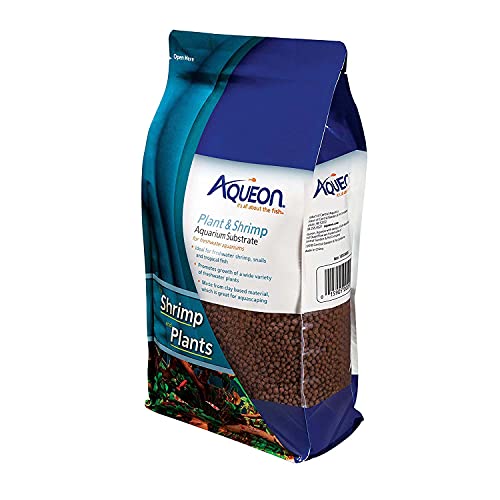
SUPPORTS HEALTHY PLANT GROWTH by providing a stable foundation for newly planted and established freshwater aquatic plants
Tips for Estimating Gravel for Irregular or Large Tanks
Estimating gravel for irregular or large tanks involves detailed measurement and calculation to account for complex shapes and size variations. Start by measuring the tank’s dimensions—length, width, and height—even if the walls are curved or angled. For tanks with irregular shapes like bow fronts or multiple sides, break down the structure into segments or use approximate base calculations to improve accuracy. Techniques such as segmented volume calculation can help you refine your measurements. Verifying inside dimensions manually ensures precision and minimizes rounding errors. To determine the amount of gravel needed, convert your volume estimate into weight using gravel density factors. Practical approaches like applying a 15% volume displacement rule or using pounds-per-gallon ratios help you estimate gravel accurately, especially for large or irregularly shaped tanks. Additionally, understanding the density of gravel can improve your estimation accuracy and help you select the right amount of substrate. Using accurate measurement techniques helps prevent over- or underestimation and ensure you get the right amount of gravel for your project.
Expert Advice for Installing and Maintaining Gravel for Long-Term Success
Accurate measurement and even spreading are key to a successful gravel installation. Measure your tank’s inside dimensions precisely to determine the total surface area needing coverage. Spread the gravel in a thin layer first, then add more gradually to avoid creating thin spots that can expose surfaces or disrupt filtration. Aim for a depth between 1 and 3 inches, adjusting based on whether your setup is fish-only or planted. A depth of 2 inches is often a good compromise for most aquariums, providing enough material for beneficial bacteria while ensuring proper water flow. Regular vacuuming or siphoning removes debris and waste, preventing buildup that can lead to poor water quality. Neglecting routine cleaning allows detritus to accumulate, especially in deeper beds, which can compact over time and impair water circulation. To maintain filtration efficiency, it’s essential to monitor gravel compaction and adjust cleaning routines as your tank ecosystem evolves, maintaining optimal water quality and a healthy environment for your aquatic life. Additionally, ensuring proper *substrate stability* can help prevent gravel from shifting or creating uneven surfaces over time. Incorporating proper grading techniques can further enhance substrate stability and overall tank aesthetics.