
Thinking about starting a beginner-friendly aquarium but unsure where to begin? The key is choosing a manageable tank size, selecting hardy plants, and setting up reliable equipment.
With a few simple steps, you can create a healthy, low-maintenance environment for both plants and fish. Keep reading to learn how to set up your ideal beginner tank.
How to Choose the Right Aquarium Size for Beginners
Choosing an aquarium size between 60 and 100 liters is ideal for beginners because it provides a good balance between stability and manageability. Tanks in this range are large enough to help maintain stable water conditions, reducing rapid fluctuations that can stress your fish. They are also easier to clean and maintain compared to smaller tanks, which are more sensitive to changes in water quality. Larger aquariums, such as 54 or 112 liters, further slow down chemical swings due to their greater water volume, making them even more forgiving for beginners. Discovering and fixing web pages can be a helpful skill if you encounter issues with your setup or equipment. Before purchasing, ensure your space can accommodate the tank and that your stand can support the weight. Matching the size to your budget and proper maintenance abilities helps you start smoothly and creates a healthier environment for your fish. Additionally, considering your ability to perform regular water testing and maintenance is crucial in selecting the right size for your comfort level.
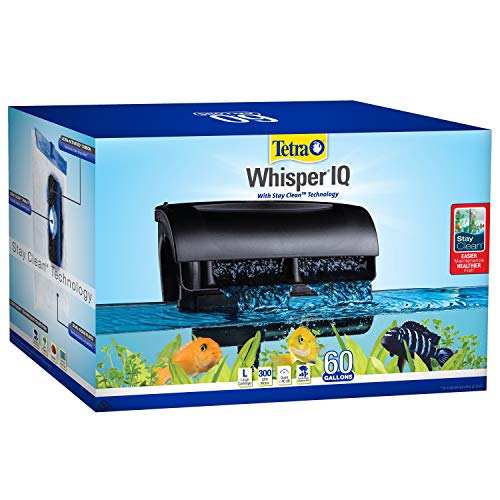
QUIET AQUARIUM FILTER: The Tetra Whisper IQ Power Filter with Stay Clean technology contains a sound shield for quiet filtration less than 40 dB.
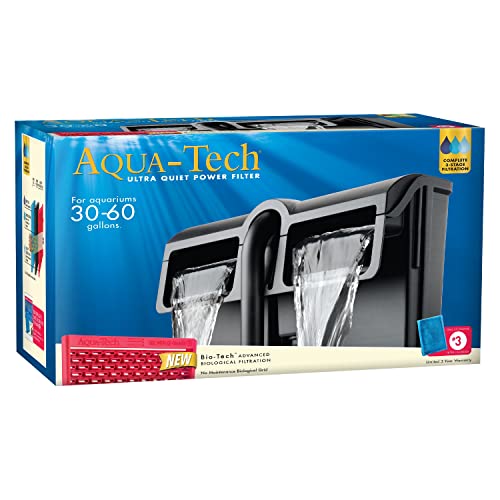
POWER FILTER: Advanced 3-step filtration

EASY TO BRING HOME AND SET UP; Ships in a compact flat pack for simple transport; Easily assembled by following step-by-step instructions included
What Are the Best Plants for a Low-Maintenance Freshwater Tank?
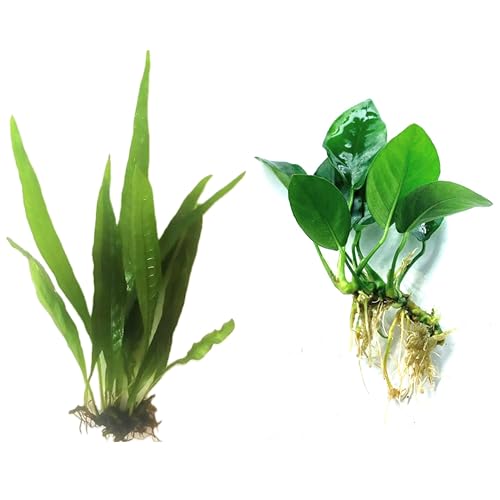
Low-maintenance plants are ideal for keeping your freshwater tank easy to care for. Anubias and Java Fern are top choices because they grow slowly, adapt well to low light, and attach to rocks or driftwood, which means you don’t need to trim or plant them in the substrate. Cryptocoryne is another reliable option; it tolerates diverse water conditions and requires minimal upkeep once established. Water Wisteria and Java Moss are hardy and fast-growing, helping improve water quality and providing shelter for fish. Hornwort acts as a nutrient absorber, absorbing excess nutrients from the water, which helps prevent algae growth. Additionally, selecting resilient plant species that thrive in low-light environments can make your setup even more low-maintenance and successful. Knowing the plants’ natural habitat can help you choose the most suitable options for your aquarium environment, making maintenance even easier.

WHAT YOU GET - 1x Water Sprite (Ceratopteris thalictroides). Every plant is greenhouse-grown in our Texas facility and inspected before shipping.
IMPORTANT: Please note that during times of extreme weather, live plants will can suffer due to extreme temps. During winter, do not order live plants when temperatures are expected to go below 30F at the lowest point during the day.

Echinodorus bleheri from South America is undemanding and beautiful, and becomes 20-50 cm tall.
How to Set Up Your Aquarium: Substrate, Hardscape, and Layout Tips
To set up your aquarium effectively, start by preparing a substrate with a total depth of 2 to 3 inches. Begin with 1 to 2 inches of nutrient-rich material, such as soil or clay-based substrate, to promote healthy plant growth. Then, add about 1 inch of inert gravel or sand on top to reduce cloudiness and prevent nutrients from leaching into the water prematurely. For visual interest and better filtration, adjust the overall substrate depth—especially at the back—to create a gentle slope. This not only adds aesthetic appeal but also helps maintain a natural environment for your aquatic life. When establishing your substrate, consider the specific needs of the plants you want to keep, as some require deeper or more nutrient-dense layers for optimal root development. Proper substrate placement can also enhance plant stability and overall tank health, creating a thriving environment for your aquatic plants. Additionally, ensuring proper substrate depth can promote better water circulation and prevent dead zones in your tank.

Promotes Robust Plant Growth: This aquatic soil helps enrich plant development and fosters vigorous growth with vibrant coloration, ensuring your aquarium thrives with lush foliage
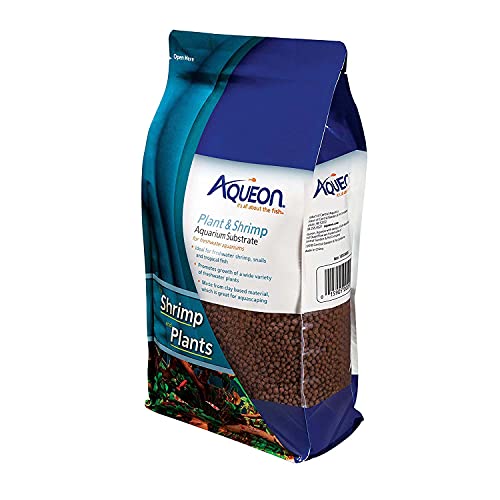
SUPPORTS HEALTHY PLANT GROWTH by providing a stable foundation for newly planted and established freshwater aquatic plants

Seeded with bio-active live nitrifying bacteria
What Equipment Do You Need for a Healthy, Stable Aquarium?
A dependable filter is essential for maintaining a healthy, stable aquarium. It provides both water circulation and biological filtration, which converts waste into safer compounds. Aim for a filter flow rate of at least four to ten times your tank volume per hour. For example, a 50-gallon tank should have a filter that processes at least 200 to 500 gallons per hour. Proper water movement prevents stagnant areas and promotes oxygen exchange, which benefits your fish and plants. Selecting a filter suited to your tank size and bioload ensures consistent water quality and reduces the risk of algae and disease. Additionally, choosing a filter with adjustable flow settings allows you to control water movement to suit your specific tank inhabitants. Regularly maintaining your filter and monitoring water parameters is also vital for a healthy aquarium environment, and considering a filter with effective biological filtration can further enhance water quality. Ensuring your filter is compatible with your tank setup helps maintain optimal conditions for your aquatic life.

【Flow Rate Adjustable】Perfect for gentle circulation in small tanks or strong filtration in large aquariums. Works in both freshwater & saltwater—ideal for fish or turtles. Will not suck up baby fish or shrimp. No harm to fry, betta, shrimp

QUIET AQUARIUM FILTER: The Tetra Whisper IQ Power Filter with Stay Clean technology contains a sound shield for quiet filtration less than 40 dB.

QUIET AQUARIUM FILTER: The Tetra Whisper IQ Power Filter with Stay Clean technology contains a sound shield for quiet filtration less than 40 dB.
How to Light and Fertilize Your Planted Tank for Growth
Proper lighting and fertilization are crucial for healthy plant growth in your aquarium. Use a consistent light schedule, typically 6 to 8 hours for new tanks and up to 10 hours for established ones, with a timer to prevent algae caused by irregular lighting. Start with 20 to 40 percent brightness on LED fixtures and gradually increase based on how your plants respond. Match your light spectrum to around 6,500K to 8,000K, emphasizing red and blue wavelengths, which are essential for photosynthesis. Proper lighting balances with CO2 and nutrient levels, acting as the “gas pedal” for plant growth and color vibrancy. For fertilization, provide macronutrients such as nitrogen, phosphorus, and potassium, along with trace elements like iron and micronutrients. Keep nitrate levels below 10 ppm and phosphates below 0.5 ppm to avoid algae blooms and nutrient deficiencies. Regular water changes help maintain a balanced nutrient environment, which supports stable water parameters, and promote vibrant, healthy plant growth while preventing overgrowth of unwanted algae. Ensuring proper nutrient management is key to a thriving planted tank. Additionally, understanding the light spectrum and how it influences plant health can further enhance growth and coloration.
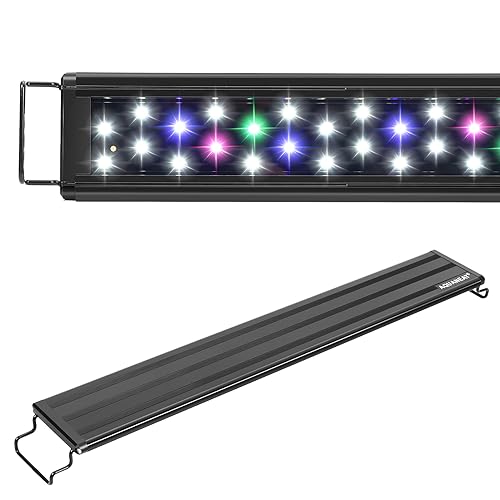
Work best on 10 gallon tanks with 20 inches long for better coverage; with two extendable brackets, this light also fits for fish tank from18 inch to 24 inch long

Product dimension: 13.7”Lx0.7”Wx0.39”. Super bright SMD 5050 LED chip with 18 LEDs White light. Compact in size, requiring no extra space, it fits perfectly on desks, plant stands, living rooms, and dim corners of your home. It doesn't take up valuable space and blends seamlessly with your interior decor.
Work best on tanks with 48 inches long for full cover effect; with two extendable brackets, this light also fits for fish tank from 48 to 54 inches long
How to Cycle Your Aquarium Safely Before Adding Fish
Beginning your aquarium cycle safely is crucial for creating a healthy environment for your future fish. Aquarist cycling involves cultivating beneficial bacteria that convert toxic ammonia into nitrite, and then into nitrate, which is less harmful. In a fishless cycle, you add an ammonia source—such as pure ammonia, fish food, or shrimp—and closely monitor levels. Beneficial bacteria require oxygen, proper filtration, and a steady ammonia supply to grow effectively. Proper oxygenation of the water is essential for bacterial growth, so ensuring good aeration can significantly speed up the cycle. Maintaining suitable lighting conditions can also influence bacterial development and plant health. Test your water frequently during the cycle. Your goal is for ammonia and nitrite levels to drop to zero parts per million (ppm), while nitrate levels increase. Once ammonia and nitrite are both at 0 ppm and nitrate is present, the cycle is complete. Before introducing fish, perform a large water change to reduce nitrate levels to a safe range. Ensure your filter, heater, and aeration devices are all functioning correctly. Proper water testing can help you monitor parameters accurately and prevent issues. Achieving a stable aquatic environment is vital for the health of your new fish. When adding fish, start with hardy species and introduce them gradually. Continue testing water conditions regularly to maintain stability and prevent future issues.
How to Maintain Your Aquarium and Control Algae Effectively
Maintaining good water quality is crucial for controlling algae in your aquarium. Regular water changes of 10 to 30 percent, and up to 50 percent if necessary, help remove excess nutrients and debris that promote algae growth. Use a siphon carefully to remove plant debris without disturbing roots or substrate nutrients. Clean algae from glass and hardscape surfaces with a small brush to keep the environment clear. Proper lighting is essential; limit exposure to 8 to 12 hours each day and use clean glass covers to enhance light penetration. Monitoring nitrate and phosphate levels helps prevent nutrient buildups that support algae. Dosing fertilizers sparingly and responsibly avoids overfeeding, which can lead to nutrient excess. Regular pruning and removal of dead plant matter discourage algae growth. Ensuring excellent water quality and healthy plant care keeps algae in check and promotes a thriving aquarium.
Common Beginner Mistakes to Avoid When Starting Your Planted Aquarium
Starting your planted aquarium without careful planning can lead to several common mistakes that hinder plant growth and water stability. Skipping the nitrogen cycle is a major error because beneficial bacteria need time to establish before adding fish. This process helps convert waste into less harmful substances, preventing algae growth and maintaining water quality. Understanding water parameters such as TDS and KH is essential because if these are not within suitable ranges, plants may struggle to grow effectively. Additionally, ignoring the importance of consistent testing can cause unnoticed imbalances that impact plant health.
Adding too many fish at once can also cause problems. Overloading the filter with waste overwhelms its capacity and leads to elevated ammonia and nitrate levels. To avoid this, start with a small, manageable group of fish and wait at least a week before introducing more. This gives beneficial bacteria a chance to catch up and stabilize water parameters. Properly monitoring nitrogen levels helps prevent dangerous spikes that can harm aquatic life.
Lighting choices are crucial too. Using poor quality fixtures or providing too much initial light stresses the plants and encourages algae blooms. Aim for appropriate, moderate lighting and gradually increase as plants adjust to prevent stress. A gradual increase in light allows your plants to adapt and reduces the risk of algae outbreaks.
Planting too densely or overplanting reduces the available nutrients per plant and slows growth. Choose a balanced density to ensure each plant receives enough light and nutrients to thrive. Additionally, planting too deep or using an unsuitable substrate impairs root development and affects overall plant health. Regular testing of water parameters such as TDS and KH can help detect imbalances early and prevent health issues. Staying vigilant about these parameters is key to a successful setup.
Overfeeding fish results in excess waste that degrades water quality and fuels algae growth. Feed small amounts that fish can consume within a few minutes, and remove uneaten food to keep water clean. Neglecting regular maintenance like water changes and filter cleaning allows debris and toxins to accumulate, further stressing plants and fish. Proper water management, including monitoring TDS and KH, is vital for creating a healthy environment for your aquatic life.