
Struggling to keep algae off your tank’s glass? Building a DIY algae scraper can be a simple, budget-friendly solution. With just a few household items like PVC pipes, wooden dowels, or repurposed handles, you can create an effective cleaning tool. The key is choosing safe blades and securing them at the right angle for easy, thorough cleaning.
In this guide, you’ll find step-by-step instructions to craft your own scraper tailored to your tank’s needs. Read on to learn how to build a customized tool that makes algae removal quick and hassle-free.
Why Building a DIY Aquarium Algae Scraper Saves Money and Customizes Performance
Building a DIY aquarium algae scraper helps you save money by repurposing inexpensive household or hardware items instead of investing in costly commercial products. You can tailor the scraper’s design to fit your tank’s specific dimensions and cleaning needs, which improves both aesthetic appeal and functionality. For example, selecting materials like chopsticks, wooden dowels, or bottle caps creates a unique look and allows you to adjust angles or handle length for better ergonomics and reach. Using durable, readily available materials ensures your scraper withstands regular use without warping or breaking, increasing its overall lifespan. Additionally, DIY scrapers often feature replaceable blades or cloths, which minimize ongoing expenses. Customizing the shape and size of your scraper to match your aquarium’s glass or acrylic ensures maximum cleaning efficiency while keeping costs low and maintaining a device that suits your tank’s unique setup. Choosing the right materials ensures your homemade scraper remains effective and safe for your tank surface over time. Incorporating safe, aquatic-grade materials is essential for preventing any potential harm to your aquatic environment. It’s also important to consider material durability to choose components that can handle repeated use without degrading. Ensuring your DIY scraper is corrosion-resistant enhances its longevity and effectiveness in the humid, aquatic environment.

hygger 6-in-1 cleaning tool kit helps to keep tank neat and clean without getting hands wet. Made to last long time and makes cleaning the tank a breeze

*Aquarium Cleaning Tool 6 in 1** Aquarium cleaning tools including Scraper,Gravel Rake, Brush,Cleaning Sponge,Fishing Net,and right- angle Cleaning Sponge

5-in-1 cleaning tool kit helps to keep tank neat and clean without getting hands wet. Made the cleaning work more easily
Essential Materials for Building a DIY Aquarium Algae Scraper
To create an effective DIY aquarium algae scraper, you’ll need a selection of core materials that strike a balance between affordability, durability, and ease of assembly. The blades are critical; single-edge razor blades or box-cutter replacement blades are ideal because they are inexpensive, readily available, and compatible with various handles. To reduce handling risks during assembly, tape-sharpened blades can be used for safety. Handles should prioritize comfort and grip—wood dowels, repurposed pens, chopsticks, PVC pipes, or acrylic tubes all provide ergonomic options and can be customized to your preferred shape. Fastening supplies like super glue, hot glue, bolts, or zip ties secure the blades to the handles and ensure stability during scrubbing. Shaping components with tools such as saws, drills, and sanding paper makes assembly smoother. Additionally, choosing materials that are durable and safe for your aquarium environment helps prevent corrosion and extends the tool’s lifespan. Lastly, selecting aquarium-safe materials ensures the scraper does not introduce harmful chemicals into your tank.

Stainless Steel Materials: Algae scraper for glass aquariums is made entirely of stainless steel, making it resistant to rust. It is suitable for both salt water tanks and fresh water aquariums. Additionally, Stainless steel blades effortlessly cutting through stuff adhering on glass and gets some of the harder buildup off without having to scrape viciously. Easy to use and very effective at keeping the glass absolutely clean.
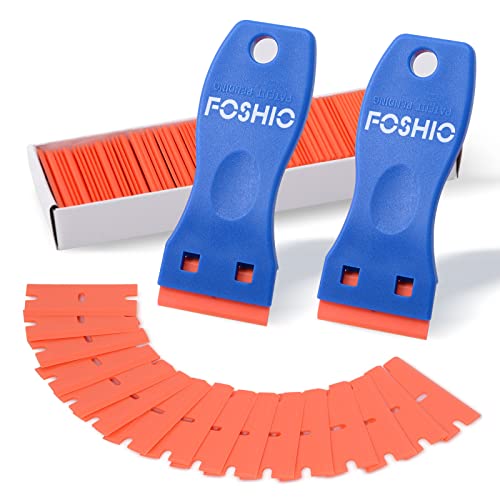
Plastic scraper set include 2pcs plastic scraper and 100pcs double edge plastic razor blades

Versatile Cleaning Power: Our razor blade scraper set is your all-in-one solution for effective cleaning. This non-retractable tool, featuring a rubber handle, is perfect for glass, stovetops, and windows. With 15 extra SK5 steel razor blades, it's a plastic scraper tool that never misses a spot
How to Build a Simple Razor Blade Aquarium Algae Scraper : Step-by-Step
To build a simple razor blade aquarium algae scraper, start by choosing a handle made from a sturdy material like plastic or wood. Secure the razor blade at an approximately 45-degree angle to ensure proper contact with the glass surface. The blade’s edge should touch the glass directly, with support slightly behind it to maintain stability. The blade is often held in place using waterproof glue, making sure it stays fixed at the correct ergo angle, or secure it with a screw inserted into a pre-cut notch. Stability is crucial to apply pressure without wobbling, so double-check that the blade remains firmly in place during use. Always wear protective gloves and tape the blade during assembly to prevent cuts. After cleaning, rinse the scraper thoroughly and dry it to prevent rusting. Replace dull blades regularly to maintain effective algae removal and ensure safety during use. Choosing durable materials can enhance the scraper’s longevity, especially for frequent or prolonged use in large tanks.

Ergonomic handle allows for easy use in multiple positions
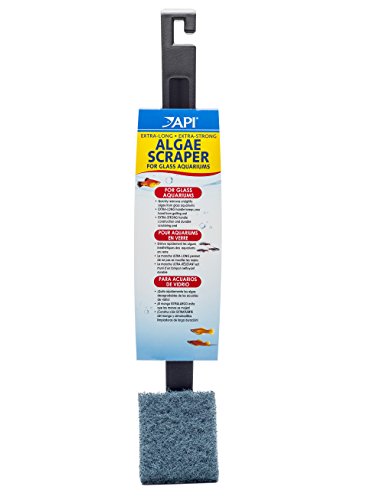
Contains one (1) API ALGAE SCRAPER For Glass Aquariums 1-Count Container

The aquarium brush made of high quality sponge, could remove the algae quickly and effectively, keep your fish tank a clean environment
How to Make Safe and Effective Handles for Your DIY Scraper
Choosing the right handle material is crucial for safety and comfort during use. Handle ergonomics ensure you maintain control and minimize fatigue while scrubbing. PVC pipes are a popular choice because they are inexpensive, rigid, and easy to cut, making them compatible with many DIY designs. Wooden dowels offer a natural grip and can be secured with screws or dowel pins for added stability. For a customizable option, 3D-printed handles in PLA or PETG are durable and can be tailored to your preferred size and shape. When working with acrylic tanks, select plastic-safe handles to prevent scratching the glass or acrylic. The handle length should balance reach and control; extending the handle can help access deeper tanks without sacrificing stability. Attach the handle securely using methods like friction fit, screws, or strong glue. This prevents slipping and increases safety during scrubbing. Additionally, choosing handles made from non-reactive, aquarium-safe materials helps avoid chemical leaching that could harm your aquatic life. Ensuring the handle material is chemically inert will help maintain a safe environment for your tank inhabitants. Selecting materials with long-term stability can also contribute to the durability and safety of your DIY scraper over time.

This product is easy to use
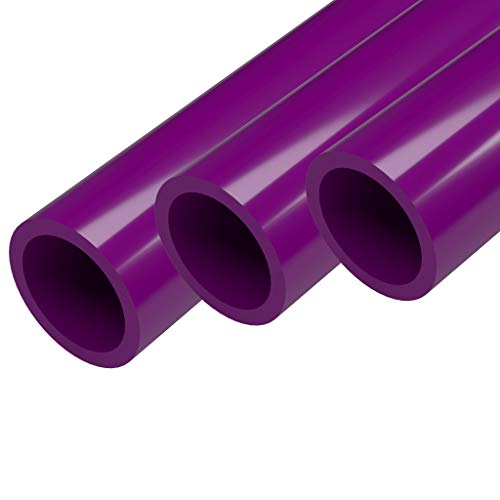
FURNITURE GRADE PVC PIPE - Made from ultra-strong, UV-resistant premium furniture grade PVC material. This is an engineered plastic that is designed for outdoor use, weatherability, and can be used in direct sunlight without becoming brittle or shattering.

Clear Fish Tank Lid Handles: The rectangle handle is made of premium acrylic material, featuring with high transparency, have good strength, not easy to break and fragile.
How to Maintain and Extend the Life of Your DIY Aquarium Scraper
To extend the life of your DIY aquarium scraper, you should focus on regular cleaning and careful handling after each use. Rinse your scraper with freshwater immediately after use to remove algae, dirt, and sand that can cause wear over time. For metal parts, thoroughly dry with a clean towel to prevent rust and bacterial growth; air drying in a well-ventilated area works well too. Additionally, metal corrosion resistance plays a significant role in how well your scraper withstands aquatic environments, so choosing the right metals can make a difference. Between metal types, brass generally resists rust better than steel, but regular brushing and polishing can help prolong the lifespan of all metals by removing surface corrosion. Avoid using soap or detergents, as their residues can be harmful to your aquatic environment and may cause buildup on the scraper. Frequently check blades and pads for signs of wear and replace any worn parts promptly to keep the scraper working efficiently and prevent scratches on your aquarium glass. Store your scraper in a dry, protected spot away from direct humidity and UV sunlight to further prevent deterioration. Proper maintenance and storage practices go a long way in keeping your DIY scraper effective and durable over time. Paying attention to the corrosion resistance of different metal parts can further help extend your scraper’s longevity.
Troubleshooting Common Problems With DIY Aquarium Scrapers
When your DIY aquarium scraper isn’t working properly, the issues often relate to material choices, magnet strength, or how you handle it. Using rigid metal blades or glass-only scrapers on acrylic surfaces can cause scratches, especially if the blades aren’t labeled as acrylic-safe. For larger or deeper tanks, weak magnets may slip or slide, risking surface damage. Always verify the magnet’s strength and consider alternatives such as soft plastic blades or felt pads to reduce the risk of scratches. Magnet safety is crucial: ensure O-ring seals are intact and avoid magnetic units with corrosion or debris buildup, as these weaken the grip and can lead to accidents. Proper magnet maintenance and handling techniques are essential to prevent issues during cleaning. Improper handling, such as swift strokes or sharp turns, can lift the scraper or trap debris, increasing the chance of scratching your tank. Replacing dull blades and regularly cleaning magnet surfaces help maintain effective, safe algae removal without harming your aquarium. Additionally, checking the magnet’s alignment regularly ensures consistent performance and prevents sudden detachment. To minimize potential damage, choosing appropriate materials that are compatible with your tank surface is essential. Maintaining proper magnet strength also plays a key role in ensuring your scraper functions safely and effectively.

Contains one (1) API ALGAE PAD For Acrylic Aquariums 1-Count Container

2-in-1 Scrubber and Scraper Design: Combines a scrubber and scraper in one magnetic aquarium cleaning tool, allowing you to scrub away buildup and scrape algae from glass and acrylic surfaces with controlled, hands-free movement.

2-in-1 Flip Action Design Aquarium Cleaning Tool: Switch from scrubbing to scraping with a smooth flip — no need to reach into the water. Dual blade design for effecient and easy algae removal.