
Feeling overwhelmed about how to keep your pond healthy and well-oxygenated? A simple DIY pond aerator can be a game-changer, helping to circulate water and promote a balanced ecosystem.
With a few basic parts and some straightforward steps, you’ll be able to set up an effective aeration system that suits your pond’s size. Keep reading to learn how to build your own hassle-free pond aerator.
Why Pond Aeration Is Essential for Water Quality
Pond aeration is crucial because it directly raises dissolved oxygen levels, which are essential for aquatic life to survive and flourish. Sufficient oxygen supports the growth of aquatic plants and helps prevent stagnation by promoting water movement. With proper aeration, fish experience less stress and are less likely to die from low oxygen conditions. It also improves water circulation, breaking up stagnant areas and ensuring even distribution of oxygen throughout the pond. This mixing process helps decompose organic waste more efficiently and supports beneficial bacteria that keep the pond clean. Additionally, aeration reduces nutrients in the water, limiting algae growth and resulting in clearer, healthier water. Maintaining plant placement and proper substrate can further enhance oxygen levels and overall pond health. Proper aeration also contributes to water quality stability, creating a balanced ecosystem that keeps fish and water plants healthy and vibrant, promoting a sustainable aquatic environment.
How to Choose the Best DIY Pond Aerator for Your Pond Size
The appropriate DIY pond aerator depends mainly on your pond’s size, shape, and depth. For small ponds under half an acre and less than six feet deep, a single surface aerator typically provides sufficient oxygenation. Larger ponds, such as those spanning five acres with varying depths, require multiple diffusers and a more powerful pump to ensure even aeration throughout the water. Depth is crucial; diffused aeration systems are ideal for ponds over four feet deep because they distribute oxygen more evenly at greater depths. Additionally, pond shape and layout influence where you position diffusers and how many you need—irregularly shaped ponds may require more diffusers to cover all areas efficiently. Longer tubing runs demand larger diameters to minimize pressure loss. Proper system sizing ensures optimal oxygen transfer and efficiency. It’s also important to consider energy consumption, as efficient systems can significantly reduce operational costs over time. To optimize performance, assessing thermal stratification can help determine the best placement for diffusers, especially in deeper ponds. Taking into account system noise levels helps keep operation peaceful for nearby residents and wildlife. Finally, factor in fuel efficiency and noise levels when choosing your system to keep operation costs low and avoid disturbing wildlife or nearby residents.

INNOVATIVE BUBBLING TECHNOLOGY, HIGHER DISSOVLED OXYGEN LEVEL – Different from the traditional sand air stones, this cylinder aquarium air stone is innovatively made of rubber material. Processed with advanced technology, the surface of the rubber cylinder is with thousands of tiny pores to distribute air into water. Thus the oxygen can be dissolved efficiently into water.
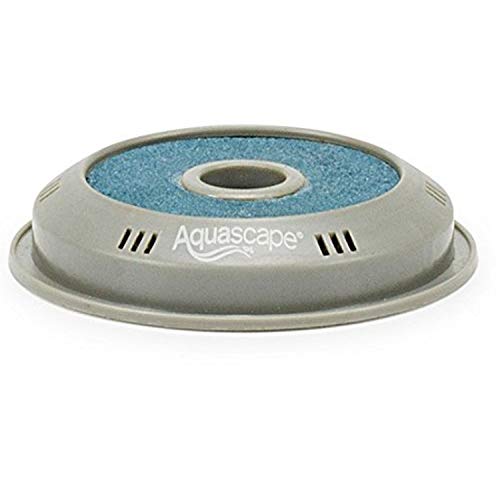
Replacement Aeration Disc is used in conjunction with an aerator or air pump to help provide proper aeration, improving water quality and fish health
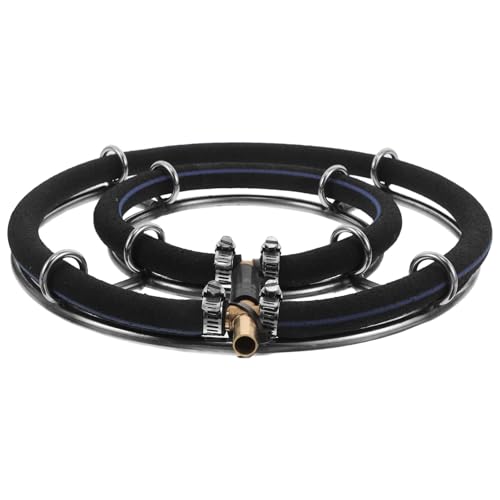
Oxygen supply: the fish tank air stone generates intensive micro bubbles, significantly elevating oxygen content in fish ponds and aquariums, supporting healthier aquatic organisms
Materials and Tools Needed for Your DIY Pond Aeration System
To build an effective DIY pond aeration system, gathering the right materials and tools is essential. Start with core components such as an air pump specifically designed for pond use, airline tubing, and diffusers to release oxygen into the water. Check valves are crucial to prevent backflow, while weights or anchors keep the diffusers in place. For power, you can choose a standard AC supply with GFCI protection or opt for an alternative energy source like a solar panel system paired with a deep-cycle battery. Additional accessories include hose clamps, PVC fittings, and airtight sealants to securely connect components. Using durable materials ensures your system operates efficiently and lasts, much like traditional methods relied on simple, effective techniques for aeration. Understanding the materials and tools required can help ensure your project is both successful and long-lasting, especially when selecting the appropriate tank size and dimensions for your pond.

Aquascape 2-Outlet Pond Aeration Kit, Quiet Energy-Efficient Pond Aerator with Weighted Air Stones, Airline, Check Valves, for Ponds up to 2,000 Gallons, 75000

Small Aerator for Ponds up to 1,000 Gallons -- Increases water circulation and oxygen saturation, improving the natural ecosystem. Ideal for a backyard pond, water garden, or small outdoor fishpond.

High Performance – 7W Power, 0.026Mpa Pressure, 254GPH Flow Rate. This pond aerator is suitable for koi ponds up to 2,500 gallons, enhancing water circulation, increasing oxygen levels, promoting biological processes, and creating a stable ecosystem for fish and plants
Step-by-Step Guide to Installing Your Pond Aerator
To install your pond aerator, start by choosing a flat, dry site for the compressor or pump. Make sure the location is protected from splashes, flooding, rain, or snow. Position it close to a power source—ideally within 1,000 feet—to avoid long, inefficient wiring. Use a Ground Fault Circuit Interrupter (GFCI) outlet to ensure electrical safety during startup and operation. Before digging, mark underground utilities to prevent accidental damage and potential hazards.
Install the compressor on a sturdy, level base made of gravel or stone, which helps with drainage and stability. Position it above the pond water level to prevent siphoning when the system is turned off. Carefully route the airline tubing from the compressor to the pond, avoiding sharp bends that could restrict airflow or cause damage. Secure the tubing with stakes or by burying it shallowly to keep it out of the way. Attach the diffuser at the pond’s deepest point to maximize aeration efficiency. Remember that selecting a high-quality ceramic heat emitter can contribute to optimal performance of your system. Maintaining proper airflow and system integrity is essential to ensure the longevity of your pond aerator. Once everything is connected, plug in the system and test for steady airflow and consistent bubble output to confirm proper operation.

Superior Aeration Performance for Healthy Pond Ecosystem -- 5.76CFM high-output air flow delivers abundant oxygen to the pond bottom, effectively reducing algae growth and improving water clarity. 3/4 HP powerful compressor with 550W motor ensures reliable operation for ponds and lakes up to 3 acres, keeping your aquatic life thriving.

PERFORMANCE - Designed to optimize oxygenation in your ponds, this pond air pump operates at a power of 4W, with a flow rate of 0.21CFM (96GPH) and an air pressure of 2.3PSI (0.016Mpa). Ideal for ponds or water gardens of up to 1000 Gallons, the air flow can be easily adjusted using the dial on the top, allowing for customizable aeration.

Aeration for 3 Acre Ponds: This pond aerator kit is suitable for 1- 3 acres and 50 ft deep ponds. This high-efficiency underwater aeration system helps prevent fish kill from low oxygen, reduces water plants, and cuts down on sludge buildup—restoring balance to your pond or farm lake
How to Properly Position Diffusers for Optimal Circulation
Positioning your diffusers correctly is essential for optimal circulation. Place the main diffuser near the center of bowl-shaped ponds to ensure even oxygen distribution across the entire area. In ponds with a single deep hole, target that spot first because it’s where oxygen tends to be lost most quickly. When using multiple diffusers, space them evenly at about 15–20 feet apart to create overlapping circulation zones and minimize dead spots. Adjust their locations until the water flow adequately covers all areas, especially corners or sheltered pockets where stagnation can occur. For ponds with uneven depths or irregular shapes, prioritize positioning diffusers toward the deepest zones to promote strong turnover. Proper placement ensures steady bubbles and surface movement, preventing stagnation and supporting healthy pond life. Ensuring consistent \feeding schedules\ with the right automatic fish feeder can help maintain long-term pond health and complement your aeration efforts. Additionally, understanding the top aquarium plants suitable for the environment can contribute to overall water quality and ecosystem balance.
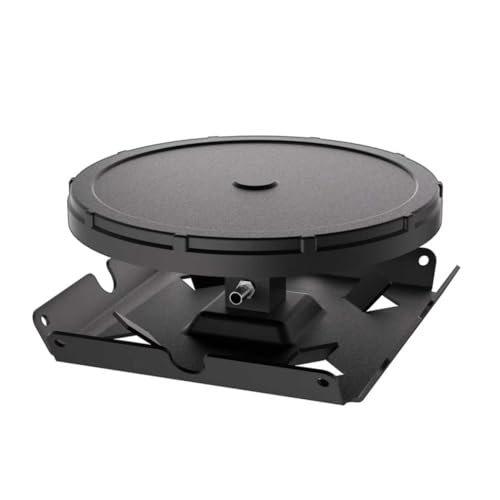
HQUA Pond & Lake Aeration Accessories Membrane Diffusers

High-quality Materials: 304 stainless steel base and fittings, durable EPDM membrane, rust and corrosion resistant for long-term outdoor applications
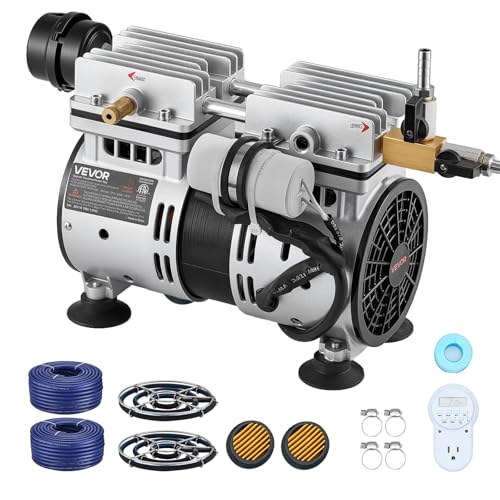
Aeration for 3 Acre Ponds: This pond aerator kit is suitable for 1- 3 acres and 50 ft deep ponds. This high-efficiency underwater aeration system helps prevent fish kill from low oxygen, reduces water plants, and cuts down on sludge buildup—restoring balance to your pond or farm lake
Tips for Keeping Your DIY Pond Aerator Safe and Long-Lasting
To keep your DIY pond aerator safe and long-lasting, focus on proper electrical connections and physical anchoring. Use outdoor-rated electrical equipment designed for wet environments, such as waterproof plugs and cords. Installing GFCI outlets is essential—they help prevent electrical shocks if water comes into contact with the wiring. Keep all electrical connections away from direct water contact by positioning outlets and cords on dry, elevated surfaces, and apply waterproof grease to fittings during setup and storage to prevent corrosion. Ensuring electrical safety reduces the risk of malfunctions and accidents. Regularly inspect your power cables for signs of wear, cracks, or damage. Damaged cables can lead to short circuits or corrosion, reducing the lifespan of your aerator. To prevent drifting and environmental harm, place the aerator in a fixed location with secure anchoring. Use appropriate materials like heavy-duty stakes or weights, and attach a rope or cable to keep it steady in windy conditions. During the off-season, store your unit in a sheltered space where temperatures stay above 20°F. This prevents freezing damage and extends its operational life. Additionally, using appropriate electrical equipment is crucial for durability and safety. Employing proper electrical connections enhances the overall safety of your setup. Consistent maintenance is key. Clean or replace filters and diffusers regularly to ensure efficiency, and inspect enclosures to prevent debris buildup. When positioning your aerator, consider landscaping features that support local bird habitats—ensuring the device remains safe and functional throughout the year.
Troubleshooting Common Issues With Your Pond Aerator
If you notice weak or missing bubbles from your pond aerator, the issue is often caused by blockages or restrictions in the system. Start by checking the diffuser for algae, mud, or plant material that can clog its porous surface. Lift and clean the diffuser thoroughly, using freshwater to rinse away debris. Next, examine the airline tubing for kinks or bends which can restrict airflow. Straighten or replace damaged sections to restore proper function. Mineral buildup inside the diffuser plates or air stones can also hinder air passage; rinsing these parts with clean water usually clears the blockages. Ensure your pump is appropriately sized; an undersized or worn-out pump will produce fewer bubbles. If the pump isn’t starting at all, test the outlet with another device and inspect the power cord for damage or circuit trips. Excessive noise from the system might indicate a cracked diaphragm, while overheating can stem from insufficient ventilation or exposure to direct sunlight. Regular inspection of pump components and maintenance can prevent many common issues. Proper system setup and positioning are also crucial to maximize aeration efficiency. Addressing these problems will help maintain consistent aeration in your pond.
Using Multiple Diffusers or Pumps to Cover Larger Ponds
Using multiple diffusers or pumps is essential for effectively aerating larger ponds. Deploy diffusers about 50 to 75 feet apart, especially in long, narrow, or irregularly shaped ponds, to ensure even oxygen distribution. Placing diffusers near the deepest areas, typically in the center or slightly off-center, helps promote circulation and reach zones with low oxygen levels. The pump capacity should be appropriate for the pond’s size, depth, and shape; larger ponds require more powerful pumps and multiple diffusers to maintain adequate airflow. Use tubing that is the correct diameter for your setup, and incorporate Y connections and balancing valves to achieve even airflow across all diffusers. A carefully planned layout maximizes oxygen coverage and prevents sections of the pond from being under-aerated. Proper spacing of diffusers ensures optimal oxygen diffusion throughout the entire pond.

Efficient Oxygenation - This pond air pump delivers effective water oxygenation, creating a stable living environment for pond‑dwelling fish and plants and simplifying daily pond maintenance.

ENERGY EFFICIENT - Designed to optimize oxygenation in your ponds, this pond air pump operates at 18 Watts, with a flow rate of 1.06CFM (475GPH) and an air pressure of 4.35PSI (0.03MPa). Ideal for ponds or water gardens ranging from 2,000 to 5,000 Gallons, the air flow can be easily adjusted using the air regulator, allowing for customized aeration.

ENERGY EFFICIENT - Designed to optimize oxygenation in your ponds, this pond air pump operates at 18 Watts, with a flow rate of 1.42CFM (635GPH) and an air pressure of 4.35PSI (0.03MPa). Ideal for ponds or water gardens ranging from 5,000 to 10,000 Gallons, the air flow can be easily adjusted using the air regulator, allowing for customized aeration.
Maintaining and Monitoring Your Aeration System Over Time
Regular monitoring is crucial to ensure your aeration system runs smoothly and avoids costly repairs. Check the air flow by listening to the compressor monthly; a steady, consistent sound indicates proper operation. Feel for uniform bubbles at the diffuser to confirm adequate air output. Observe water clarity and odors, as changes may point to circulation problems. During the active season, inspect the pressure gauge weekly and record the readings to track performance over time. Every six months, clean or replace the air filter if airflow has decreased. Additionally, examine tubing, fittings, and diffusers for cracks or blockages to maintain optimal airflow. Inspecting check valves and tubing for obstructions is an important part of routine maintenance. Understanding the best UVB lights for reptiles can help you choose equipment that complements your pond’s ecosystem, promoting a healthier environment. Regular maintenance not only keeps your pond aesthetically pleasing but also supports healthy oxygen levels and a balanced aquatic ecosystem, ensuring your system stays reliable and your pond remains healthy.