Worried about choosing the right size heater for your aquarium? The right wattage depends on your tank’s size and other factors like room temperature and water circulation.
Getting this choice right ensures safe, stable water conditions for your fish. Keep reading to find out how to pick the perfect heater for your tank.
Why Choosing the Right Aquarium Heater Size Matters for Fish Safety
Choosing the right aquarium heater size is crucial because an improperly matched heater can cause dangerous temperature fluctuations that stress your fish and increase their risk of illness. The correct size depends on your tank’s volume, with most manufacturers providing guidelines based on gallons or liters. For example, a standard rule is to choose a heater with a wattage of 3 to 5 watts per gallon of water. Using this guideline helps ensure consistent temperatures and reduces the risk of overheating or underheating. An undersized heater may struggle to maintain a stable temperature, especially during seasonal changes or in rooms with fluctuating temperatures, which can stress your fish and weaken their immune system. On the other hand, a heater that is too powerful can cause rapid or excessive heating, leading to overheating. Overheating not only risks harming your fish directly but also disturbs the overall water chemistry, making it harder to keep the water conditions stable. Properly selecting and maintaining the right heater also involves understanding temperature stability, which is essential for preventing health issues in your aquatic life. Additionally, selecting the appropriate heater size helps promote consistent water temperature, which is vital for the overall well-being of your fish. Knowing how to interpret wattage guidelines can further assist in choosing the best heater for your specific tank setup.
How to Calculate the Correct Heater Wattage for Your Tank
To calculate the correct heater wattage for your aquarium, multiply your tank’s actual water volume in gallons by a Watts-per-gallon factor between 3 and 5. The exact number depends on your heating needs; a higher wattage per gallon is necessary for larger temperature differences between room air and desired water temperature. First, determine the temperature differential, or ΔT, by subtracting room temperature from your target water temperature. Larger differences require more wattage per gallon to maintain a stable temperature. Using appropriate aquarium plants can also help stabilize water temperature and reduce fluctuations. Additionally, ensuring proper water parameter management is essential for overall aquarium health. Use this calculation as a starting point, then fine-tune with calibration techniques. Proper heater placement and checking with an accurate thermometer help ensure even heating and prevent hot spots. Regularly monitor water temperature with accurate instruments to maintain consistent conditions. Always measure your actual water volume, not just the tank’s size, for precise wattage calculation. After determining the wattage, round up to the nearest standard heater size, which typically comes in 50, 100, or 200 watt options. For larger tanks, multiple heaters can provide even coverage, avoiding temperature fluctuations and keeping your aquatic life safe and comfortable.

Designed for Small Tanks: 100W mini aquarium heater provides stable heating for small 10–20 gallon freshwater or saltwater tanks, with an adjustable range of 59–93°F. Compact size (6.1" × 1.06") fits easily in betta, turtle, nano tanks without taking up space.

HITOP 25W 50W 100W 200W 300W Adjustable Aquarium Heater, Submersible Fish Tank Heater Thermostat with Suction Cup

【Aquarium Heater 100W】-- The 100W aquarium heater produces stable power with quick heat up. It's length is 5.9'', voltage 110-240V, power cord is 5.9ft, cable cord length: 4.6 feet, power cord length: 1.3 feet. Aquarium heater for 10 to 20 gallons, ideal uses for the marine saltwater and freshwater, fish tanks, turtle tanks, betta tanks, small ponds, and so much more.
What Factors Affect Your Aquarium Heater Size (Room Temperature, Placement)
Room temperature and placement are crucial factors when determining the appropriate size of your aquarium heater. In colder rooms or areas with drafts, you will need a higher wattage heater to compensate for increased heat loss, which can lead to higher energy consumption. If your tank is positioned near vents, outside walls, or open windows, it will lose heat more quickly, often requiring a larger heater or multiple units to maintain stable temperatures. Proper internal placement—such as positioning the heater near filters or water circulation points—ensures even heat distribution, preventing hot spots and reducing noise. Good water movement, facilitated by flow pumps or filters, helps maintain a consistent temperature throughout the tank and avoids localized overheating. Additionally, well-insulated setups, like tanks with lids or placed in stable environments, reduce the heater’s workload. Properly insulating your aquarium can significantly improve thermal efficiency. Maintaining consistent temperature is vital for your aquatic life’s health. Considering these factors ensures your heater operates efficiently, minimizes energy use, and keeps your aquatic life comfortable. Furthermore, understanding heat transfer principles can help optimize heater placement and performance in your setup.
Applying Wattage Guidelines for Different Aquarium Sizes
Applying wattage guidelines to different aquarium sizes requires knowing that most experts recommend about 3 to 5 watts per gallon. This range helps you select heaters that can maintain a stable temperature suited to your aquarium’s species and water conditions. If your tank needs precise temperature control or has significant water movement, opt for closer to 5 watts per gallon. For calmer tanks or those in warmer climates, 3 watts per gallon usually works well. Always consider the actual water volume, not just the tank’s dimensions, since water volume influences how much heat is necessary. Larger tanks over 55 gallons may require around 3 watts per gallon or slightly more based on temperature needs. Adjust your heater wattage according to your desired temperature increase and environmental factors to keep conditions stable for your aquatic life. Additionally, referencing aquarium heater sizing ensures you select the appropriate wattage for your specific setup, especially when factoring in the water parameters that impact heating requirements.
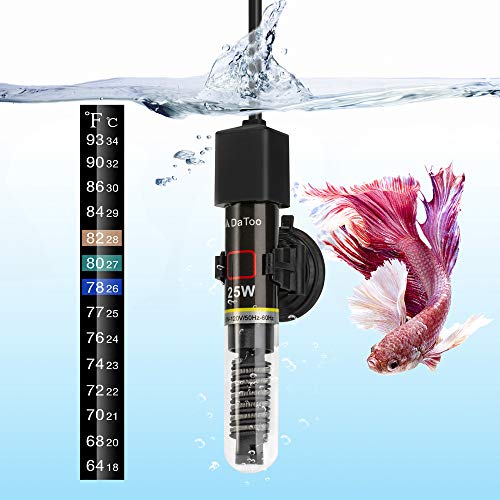
25W Betta Aquarium Heater: Creating and maintaining a perfect and comfortable water temperature for our cute fish is not easy, which requires a lot of effort. Now DaToo MINI 25W Aquarium Heater can help you make this easier. Precise and constant temperature, no need to set, keep the temperature of fish habitat in the best state at all times. You will find it very easy and happy to take care of pet fish!

【25W Aquarium Heater】Orlushy 25w fish tank heater can be applicable to 1-6 gallons tank. It is 4.7 inches in length, ideal for use in low water level and won’t take up mech place, easy to hide in small tank. Please fully submerged the heater vertically into water in fish tank, and horizontally into water in turtle tanks.
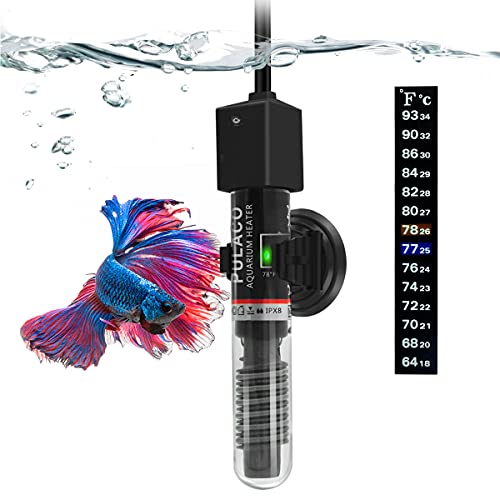
【Betta Heater】: This Fish Tank Heater should be 100% submerged into water, Ideal for small glass or acrylic desktop aquariums up 1 to 6 Gallons, not suitable for less than 1 gallon tank.
When and Why to Use Multiple Heaters in Larger Tanks
Using multiple heaters is essential for tanks over 40 gallons because it ensures even and reliable temperature control. Placing heaters at opposite ends helps promote better water circulation, reducing hot spots and temperature gradients. Distributing the wattage among two or more small heaters minimizes the risk of overheating associated with a single oversized unit. Redundant heating systems mean that if one heater fails, the other continues to maintain a stable temperature, which is especially important for sensitive or expensive fish. Regularly checking temperatures at multiple points confirms that heat is evenly distributed across the tank, keeping your aquatic environment consistent and safe. Additionally, employing such a heating strategy helps prevent temperature fluctuations that can stress your aquatic life.

Powerful & Consistent Heating: The Fluval M 200-Watt Submersible Heater delivers precise and reliable temperature control, ensuring a stable environment for freshwater and saltwater aquariums. Ideal for tanks up to 65 gallons

Orlushy aquarium heaters come in six different sizes, suitable for small fish tanks, aquariums and turtle tanks. Please choose the right wattage aquarium heater according to our size chart.
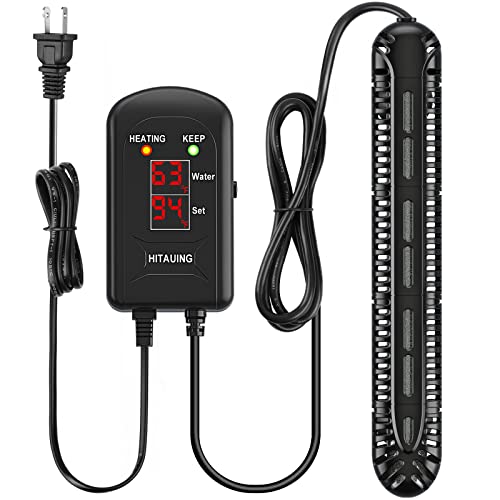
【Aquarium Heater 300W】-- The 300 watt aquarium heater produces stable power with quick heat up. It's length is 10.6'', voltage 110-120V, power cord is 8.2ft (cable cord length: 4.6 feet, power cord length: 3.6 feet) . Aquarium heater for 40 to 75 gallons, ideal uses for the marine saltwater and freshwater, fish tanks, turtle tanks, betta tanks, small ponds, and so much more.
How to Properly Place Your Aquarium Heater
To ensure proper water temperature, place your aquarium heater near the filter outlet, inlet, or a powerhead to promote water circulation. These locations help distribute heat evenly across the tank, preventing hot spots and ensuring warmer water reaches cooler areas. Fully submerge the heater at least 12 inches below the water surface and avoid positioning it against gravel, décor, or tank walls that can obstruct water flow. Mount the heater horizontally just above the substrate for natural convection or vertically if space is limited, and secure it with suction cups. Allowing space around the heater supports proper water circulation, which is essential for maintaining consistent temperature and overall tank stability. This ensures the heater operates efficiently and the tank remains within the appropriate temperature range, enhancing the aquarium’s overall stability and helping to prevent temperature fluctuations.
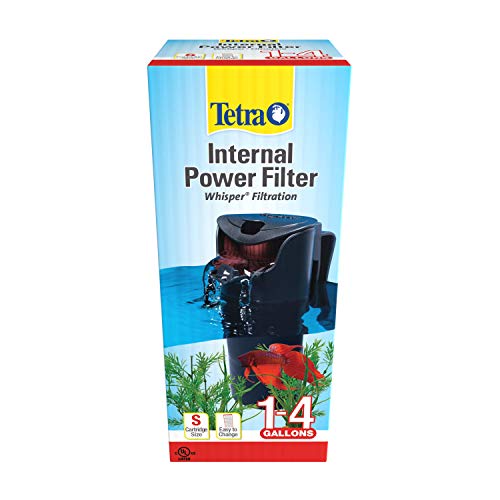
FOR 1-4 GALLON AQUARIUMS: Tetra Whisper 4i Internal Power Filter uses Small Whisper BioBag filter cartridges that are easy to change.

The filtosmart thermos 200 has an integrated heater in compact Filter design
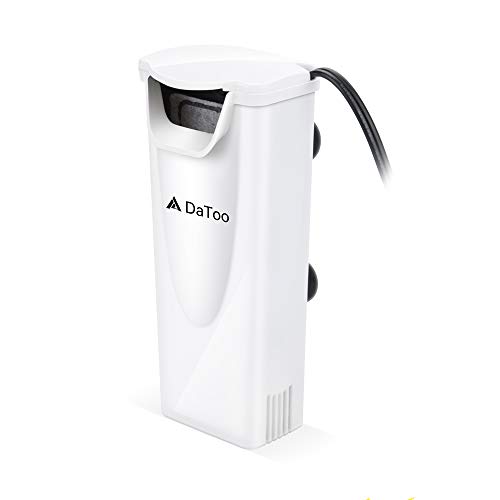
DaToo AQUARIUM FILTER: How to create a clean and healthy environment for our beloved fish? This is a concern for everyone who likes fish farming. But DaToo filter help you easily implement it. Strong horse-power, Waterfall type water flow, perfect work in 24 hours ensures a clean and healthy water environment. Now follow me to get to know DaToo Aquarium Filter. Let's Go!!
Troubleshooting Common Heater Sizing and Temperature Issues
If your aquarium heater isn’t working properly, the first step is to understand whether the issue stems from sizing, placement, or the unit itself. Undersized heaters, typically below the recommended wattage for your tank size, heat water slowly and may run constantly, especially in colder environments or larger tanks. This can lead to inconsistent temperatures and difficulty maintaining stable conditions. Conversely, oversized heaters can cause rapid temperature fluctuations, risking overheating and possible damage to the heater’s thermostat. Ambient room temperature impacts heater performance significantly—larger temperature gaps between the current water temperature and your target temperature require higher wattage units to compensate. Proper heater sizing is essential for maintaining a stable environment because an incorrectly sized heater can lead to stress and health issues for your aquatic life. Poor circulation or improper placement near stagnant water regions can result in uneven heating, creating hot spots or cold zones within the tank. Ensuring the heater is positioned away from direct flow from filters or in areas with good water flow helps distribute heat evenly. Always verify power connections and settings if your heater fails to turn on or maintain water temperature. Testing your heater in a separate container of water can reveal whether the unit is faulty or mismatched to your tank’s requirements. Additionally, considering accurate tank measurements and other factors like heater placement are crucial for ensuring proper heater sizing, as larger or irregularly shaped tanks may require different approaches. It’s also important to regularly check for consistent temperature to prevent fluctuations that could harm your aquatic life. Proper sizing, placement, and testing are critical steps for ensuring your heater performs reliably and maintains a stable environment for your aquatic life.

Easy To Hide Compact Design -- Slim flat profile mini aquarium heater measures 4.3''x 1.8''x 0.9'', which is quiet space saving and easy to hide behind filter/wood/rock with two strong suction cups mount. 100W aquarium heater is suitable for 10-20 gallon freshwater/saltwater aquariums, turtle tanks, betta tanks and planted tanks

★ PULACO 100Watt aquarium heater is suitable for 15 to 25 gallons fish tanks, heater Length - 9 inch, Voltage 110-120V, power cord is 5.2FT, please choose the right wattage aquarium heater according to your tank size, you can compare with our size chart.
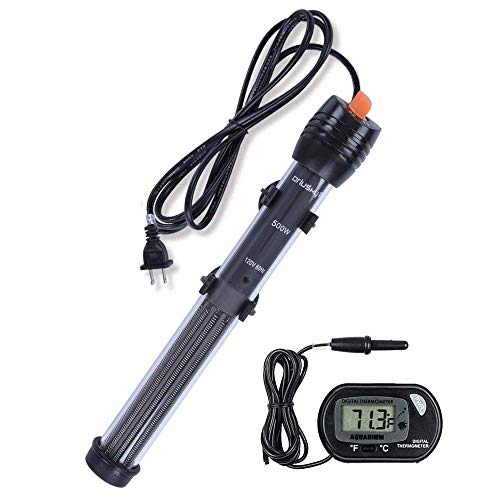
Orlushy aquarium heaters come in six different sizes, suitable for small fish tanks, aquariums and turtle tanks. Please choose the right wattage aquarium heater according to our size chart.
Tips for Monitoring and Maintaining Your Aquarium Heater
Regularly monitoring your aquarium heater is crucial for maintaining a stable environment. Check the temperature at least once daily, ideally at the same time each day, to track any fluctuations. Place your thermometer away from the heater and filter outflow to get an accurate reading. Wait until the thermometer provides a stable measurement before recording the temperature. Conduct these checks for a week to identify any patterns or irregularities. In larger tanks, compare temperatures at two different locations if you suspect uneven heating; differences exceeding 1–2°F (0.5–1°C) may require adjusting the heater or rethinking placement. Ensuring consistent temperature accuracy through calibration and proper placement helps keep your aquatic inhabitants healthy. Calibrating your thermometers periodically ensures ongoing accuracy. Proper heater placement near circulation points promotes even heat distribution, but avoid placing it directly in strong flow areas that could cause uneven temperatures. Regularly clean your aquarium to remove mineral deposits and algae that can impair heater function. Monthly inspections for signs of damage or wear help prevent malfunctions. Always practice safety by unplugging the heater during maintenance, using drip loops on cords, and considering backup controls or alarms when necessary to monitor temperature during power outages or equipment failure.
Summary: How to Choose the Best Heater Size for Stability and Fish Safety
Choosing the right heater size is crucial for keeping your aquarium’s temperature stable and ensuring your fish remain safe. The most common rule is about 5 watts for every gallon of water in tanks up to 55 gallons. For larger tanks, around 3 watts per gallon usually suffices. Using this as a guideline helps prevent temperature fluctuations that can stress or harm your fish. Additionally, understanding heater placement and how it impacts temperature distribution can help optimize performance. Factors like room temperature and the temperature difference between your room and the desired water temperature affect heater choice. In colder rooms, you may need a bigger or multiple heaters to maintain steady warmth. Oversized heaters generate rapid temperature changes, which can stress fish, so it’s safer to select a heater that closely matches your water volume, or to use several smaller units for larger tanks. Proper sizing, including redundancy in your setup, helps provide a stable environment and protects sensitive or expensive fish species from harmful temperature swings. Ensuring consistent temperature regulation is essential for maintaining a healthy reef or freshwater ecosystem.