
If you’re wondering how to build a simple and functional snake enclosure, you’re in the right place. You’ll need to choose a size that suits your snake’s full-grown length and provides enough space for climbing or hiding.
Using durable materials like plywood or PVC, along with clear panels for viewing, makes creating a safe and inviting habitat easier.
This guide will walk you through all the steps to assemble, seal, and maintain your custom enclosure so your snake has a comfortable home.
How Do You Choose the Right Enclosure Size for Your Snake?
Choose an enclosure that is at least as long as your snake’s full-grown length. This ensures your snake can stretch out fully along one dimension, promoting comfort and natural movement. Typically, the enclosure’s length should match or slightly exceed the snake’s maximum size. The width should be around half of that length, providing enough space for sideways movement without feeling cramped. Using species-specific footprint ratios helps you determine the right size. For example, if your snake reaches 6 feet, a 6-foot long enclosure with a width of about 3 feet is appropriate. Adequate substrate is also essential; it should provide grip and support during movement and be easy to clean. Include hideaways scaled to your snake’s size, ensuring they’re accessible and secure, helping your snake feel safe. Additionally, considering the snake’s natural habitat can help create a more enriching environment. It’s also beneficial to think about enclosure ventilation to support your snake’s respiratory health. Avoid choosing an enclosure that is too small for your snake’s future growth. A juvenile enclosure might seem adequate now, but it could quickly become cramped as your snake matures. Planning ahead and selecting a size that accommodates future growth helps maintain your snake’s health and happiness over time. Incorporating appropriate habitat conditions can also support your snake’s overall well-being and natural behavior.
What Materials and Tools Do You Need to Build a Snake Enclosure?
Building a sturdy and functional snake enclosure requires assembling specific materials and tools. For core enclosure walls, you can use PVC sheets or plywood, both of which provide durability and ease of cutting. Viewing panels are often made from glass or Plexiglass, allowing you to observe your snake comfortably. Fasteners such as screws, hinges, and latches are essential for secure assembly and ease of access. Clamps and support brackets help ensure panels fit tightly and stay in place during construction. To cut panels accurately, you will need power tools like a circular saw or jigsaw, depending on your material choice. Measuring tapes and squares are crucial for precise measurements and proper alignment. Sealing internal seams with silicone caulk helps prevent escapes and simplifies repairs later on. Instead of traditional seals, some builders opt for appropriate water-resistant materials to enhance enclosure integrity. Finish your enclosure with decorative coatings or paint that are non-toxic and suitable for animal habitats. Ventilation grids or vent grommets promote airflow and regulate humidity, creating a healthier environment. Additionally, incorporate appropriate heat sources and lighting components to mimic natural conditions and maintain your snake’s well-being.

【Anti-Escape Design】Security buckle on the glass sliding doors ensure the tank closed tightly, prevent your reptile amphibian chameleon pets from escaping. And the security lock avoid the doors open accidently by your kids and keep your kids safe.

Moisture-Resistant ECOFLEX – Eco-friendly composite resists moisture for odor control and easy cleanup; not waterproof and best for low-to-moderate humidity setups

IDEAL FOR GROWING ARBOREAL REPTILES A versatile vertical enclosure size for juvenile geckos, small climbing reptiles, and other species that benefit from extra height and ventilation.
How to Plan and Measure Your Snake Enclosure Before Building
Before you start constructing your snake enclosure, it’s crucial to plan and measure carefully to ensure it will comfortably accommodate your snake’s full adult size. Use your snake’s maximum adult length as a baseline, not its juvenile size, to prevent the need for frequent rebuilds. Measure along the snake’s body from nose to tail tip with a flexible tape measure, following the curves rather than straightening the snake, for the most accurate result. Incorporate appropriate heating methods, such as ceramic heat emitters, to maintain optimal temperatures for your snake’s health. Proper enclosure dimensions not only provide comfort but also support your snake’s natural behaviors, contributing to its overall well-being. Ensuring the enclosure allows for natural movement and activity is essential to prevent stress and promote health.
Design your enclosure dimensions based on length ratios. Typically, the floor should be at least as long as your snake’s full length, while the height can range from half to the full length, depending on the species’ arboreal or terrestrial nature. Adjust these ratios accordingly, as arboreal species require more vertical space, while terrestrial species need more floor area. It’s also important to consider the material choices for your enclosure, as they can impact insulation and ventilation effectiveness. Additionally, measure your available room space to confirm the enclosure will fit comfortably through doors and around furniture. Ensure there is enough room for proper ventilation as well. Proper planning and precise measurements prevent cramped environments and create a habitat that supports your snake’s growth, comfort, and well-being.
How to Build and Assemble Your Snake Enclosure
Once your parts are cut to size, assembling the shell of your snake enclosure involves organized, straightforward steps. Begin by laying the back panel flat on a stable surface. Next, align the side panels with the edges of the back panel, ensuring they are flush. Attach the side panels using screws, drilling pilot holes first to prevent splitting the material. Using clamps or holding the joints snugly helps keep edges aligned and prevents twisting as you secure them.
After securing the side panels, check that the frame is square by measuring diagonally from corner to corner; adjust if necessary before proceeding. Once the frame is properly squared, attach the top and bottom panels securely with screws. To improve the enclosure’s appearance and durability, consider applying finishes such as paint or laminate once everything is assembled. Incorporating proper framing techniques ensures the enclosure remains sturdy over time. Additionally, using quality hardware can significantly enhance the longevity and safety of your build.
Decide whether to install sliding or hinged doors on the front. For hinges, ensure the door edges are aligned before fastening hinges and installing latches. For sliding doors, make sure tracks are level and doors slide smoothly without resistance. Add internal supports if needed to enhance stability, especially if the enclosure will house larger or more active snakes. Seal all seams and joints with silicone caulk to prevent moisture penetration and give the enclosure a clean look. Proper ventilation is vital to prevent moisture buildup and control humidity levels. Finally, double-check that all hardware functions properly, that heating equipment is correctly placed, and that doors operate smoothly before use.

Secure & Stylish Design: -clear acrylic aquarium bracket enhances while maintaining visibility, for -prone fish or curious reptiles.

Betta fish tanks:made of premium and sturdy stainless steel material, it is durable and practical in use,aquarium lid

Authentic Natural Specimens:Features a real, ethically sourced snake skeleton and preserved butterfly wings, creating a unique macabre art piece with no synthetic replicas.
How to Seal Seams and Ventilate Your Enclosure for Safety and Airflow
Sealing seams and ensuring proper ventilation are crucial for creating a safe and healthy environment for your snake. To seal seams effectively, apply aquarium-grade silicone caulk along internal corners, screw holes, and joints, creating a waterproof barrier. Use a continuous bead of caulk and smooth it with a gloved finger or a damp tool to achieve a tight, clean seal that prevents moisture intrusion and debris buildup. Allow at least 24 hours for the caulk to cure fully before introducing your snake to the enclosure. Adding proper air circulation helps prevent mold and ensures your snake’s habitat remains safe and comfortable. For ventilation, design cross-ventilation with vents placed low on the cool side and higher on the warm side of the enclosure. This setup maintains consistent airflow without creating drafts that could stress your snake. Cover the vents with mesh secured by stainless steel or similar corrosion-resistant materials. Make sure the openings are smaller than your snake’s girth to prevent escapes and keep humidity levels steady. Proper sealing and ventilation work together to promote safety, reduce mold risk, and maintain an optimal environment for your snake’s health. Additionally, choosing quality materials ensures long-term durability and reliability of your enclosure. Using proper airflow techniques can also help regulate temperature and humidity more effectively.

SAFE FOR THE FISH: Selsil Aquarium Silicone is a silicone sealant used in glass bonding work. It does not contain chemicals or solvents that are not friendly to your fish or other organisms in the aquarium. This product is made from 100% silicone polymer, is used in aquarium manufacturing, and conforms with the ISO 11600 –F&G–25 LM standards.

This high modulus component RTV Silicone Sealant forms strong cohesive bonds to glass without the need of primers
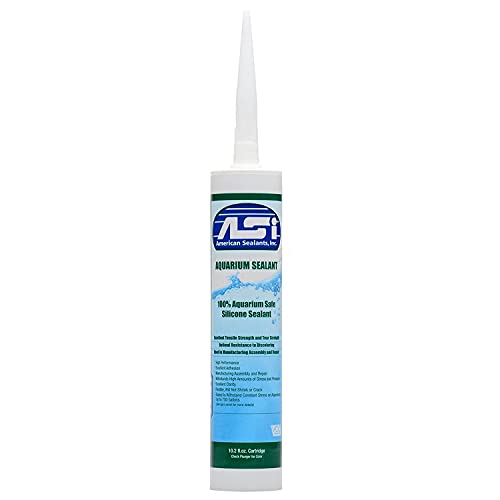
This high modulus component RTV Silicone Sealant forms strong cohesive bonds to glass without the need of primers
How to Set Up Heating, Lighting, and Monitoring Systems
To set up heating, lighting, and monitoring systems effectively, start by creating a thermal gradient that covers about one-third of the enclosure floor with your heat source. Place non-light-emitting heat sources like ceramic heat emitters or radiant heat panels on one side to provide consistent warmth during nighttime without disrupting the light cycle. Position the thermostat’s probe at the coolest spot—such as the shaded end or basking zone—and ensure it is well-placed to accurately monitor temperature. Maintaining proper temperature gradients is essential for natural behaviors like thermoregulation and digestion. Use a dimming thermostat for heat bulbs to adjust the warmth smoothly and prevent overheating. For ceramic heaters, a pulse thermostat helps maintain stable temperatures by turning the heat on and off at set points. Regularly check temperatures with a digital thermometer and an infrared gun at both the hot and cool zones to catch any fluctuations early. Additionally, temperature consistency can be enhanced by insulating the enclosure to minimize heat loss. Ensuring proper airflow is also crucial, as adequate ventilation helps maintain a stable environment while preventing excess humidity buildup. Incorporate timers to keep a consistent day-night cycle, and adjust them seasonally to replicate natural environmental conditions. Proper system setup also involves monitoring humidity levels, which contributes to overall health and comfort. This careful setup guarantees your snake’s environment remains safe, stable, and conducive to good health.

✓ EFFORTLESS SET UP: Easily program your desired temperature or switch between Fahrenheit and Celsius using just 3 buttons on this temperature controller. Please note: The BN-LINK reptile thermostat controller is intended for heating devices only, such as reptile heating pads, seedling heat mats, and heat lamps.

Fixture with PID Inverter Thermostat:This reptile heat lamp fixture features a dimming thermostat, boasts a high-precision sensor capable of real-time temperature monitoring and adjustment. This heat lamp for reptiles offers a versatile temperature control range from 20°C to 45°C (68°F to 113°F), allowing easy switching between Celsius and Fahrenheit with a single button press. The integrated PID inverter heating technology ensures temperature stability and minimizes abrupt light fluctuations. This PID reptile thermostat not only maintains consistent output power but also promotes energy efficiency, boasting a maximum output capacity of 200W.

All-in-One Reptile Heating Solution – This heat lamp fixture combines a durable 5.5'' dome light with a dimming thermostat, perfect for ceramic heat emitters, basking bulbs, and deep heat projectors. Ideal for bearded dragons, snakes, turtles, and other reptiles.
What Interior Features Make a Snakes’ Habitat Comfortable and Enriching?
Using appropriate substrate material is essential for creating a comfortable and enriching habitat for your snake. Materials like aspen bedding, reptile bark, coconut fiber, or paper towels (for quarantine purposes) support natural behaviors such as burrowing, tunneling, and exploring. These substrates also make cleaning easier and help maintain proper humidity levels. Including hiding spots such as hollow logs, commercial caves, or clay pots on both warm and cool sides of the enclosure provides your snake with secure spaces to retreat. Having multiple hides promotes feelings of safety and reduces stress, as your snake can choose snug, tight spaces for concealment. Ensure each hide is appropriately sized so your snake can fully contact the sides for a sense of security. An environment that mimics their natural habitat can also include naturalistic features like plants and rocks to further encourage exploration. Incorporating naturalistic environment elements enhances the habitat’s realism and stimulates your snake’s natural instincts. Adding branches, logs, and climbing structures not only enriches the environment but also encourages physical activity, contributing to your snake’s overall health and natural behaviors. Creating a suitable enclosure setup ensures your snake has a comfortable and stimulating habitat that promotes well-being.

MAINTAINS HUMIDITY; Creates a micro-environment that supports proper shedding and is ideal for egg-laying

Package includes: This comprehensive set includes 1 natural coconut shell hideout, 1 flexible bendable bridge, 1 reptile climbing vine, 1 hanging artificial plant, 1 decorative leaf, and 3 pieces of water grass. Everything you need to create a natural and engaging environment for your pet in one package

Create A Reptile Hide on the Leaf Substrate --- When the pack of 10-pieces of dried leaves by SunGrow is spread on the floor of the vivarium, see your beloved pets crawling and leaping over their snake bedding. With the passage of time, they will crush the leaves providing you with a visual barrier and hide for the inhabitants. Once it breaks down, the litter will be highly beneficial for your reptile’s overall development.
How to Maintain and Troubleshoot Your Snake Enclosure Over Time
Regular maintenance of your snake’s enclosure is essential for a healthy environment. Spot clean daily to promptly remove waste such as feces, urates, shed skin, and uneaten prey. This prevents bacteria buildup and keeps your snake comfortable. Change or clean soiled substrate immediately to maintain hygiene and odor control. Enclosure cleanliness directly impacts the overall health of your snake, reducing the risk of infections and parasites. Water and food dishes should be washed thoroughly every 24 to 72 hours. Doing so prevents bacterial growth and keeps the water fresh and safe for your snake. Deep clean decorations like rocks and artificial plants weekly to eliminate bacteria, residue, and any mold that may develop. Check your enclosure’s temperature, humidity, and lighting daily using a digital thermometer-hygrometer. Ensure a proper thermal gradient—meaning temperatures vary from warm to cool zones—so your snake can regulate its body temperature. Maintain humidity levels suitable for your snake species, adjusting as needed to prevent issues like shedding problems or respiratory infections. If you notice fluctuations in humidity, consider humidity management to maintain optimal conditions for your snake’s health. Inspect lids, locks, and vents regularly. Secure lids and locks to prevent escapes and verify ventilation works properly to ensure fresh air exchange. If humidity drops below ideal levels, troubleshoot by adjusting enclosure moisture or adding humidity sources. Replace bulbs, heat mats, or heat lamps when they no longer emit adequate heat, which is crucial for keeping your snake comfortable and healthy over time.