
If you’re wondering how to create a safe and effective basking spot for your turtle, you’re in the right place. Building a DIY basking platform can be simple, affordable, and tailored to your turtle’s needs.
With the right materials and a few easy steps, you’ll provide a comfortable, easy-to-clean space that keeps your turtle happy and healthy.
Why Building a DIY Basking Platform Benefits Your Turtle’s Health
Building a DIY basking platform benefits your turtle’s health by providing a stable, accessible spot for thermoregulation and drying. A well-designed platform encourages your turtle to bask regularly, which is essential for maintaining optimal body temperature and overall well-being. When constructing the platform, choose materials that are non-toxic and easy to clean, such as smooth, untreated wood or reptile-safe plastic. Proper placement of the platform is crucial, ensuring it is within easy reach of UVB lighting and water, promoting natural basking behavior. Color choice plays a vital role in heat management. Lighter shades that reflect rather than absorb heat make the platform more inviting, preventing it from becoming dangerously hot. Additionally, selecting natural colors that blend with the enclosure creates a more calming environment, reducing stress for your turtle. Ensuring the platform is stable and slip-resistant helps prevent accidents, encouraging consistent basking behavior. Regular access to a comfortable basking area guarantees your turtle receives enough UVB exposure, which is necessary for proper shell and bone development. Using appropriate basking materials also helps in maintaining a safe and effective environment for your turtle’s health. Proper enclosure design further enhances your turtle’s ability to thrive indoors or outdoors. An organized enclosure layout can also improve environmental temperature control and overall habitat health.
Pick the Right Materials for a Durable, Safe Platform
Choosing the right materials is crucial for constructing a durable, safe basking platform for your turtle. Opt for non-toxic, aquarium-safe plastics like high-density polyethylene (HDPE) and vinyl chloride (PVC). These materials resist water exposure, temperature changes, and regular use, helping prevent warping and deterioration over time. Stone options such as flagstone and bricks offer excellent strength and longevity, making them sturdy choices that can withstand frequent use. Additionally, selecting appropriate materials enhances the safety and longevity of the platform. Natural materials like cork or untreated logs can serve as basking surfaces if they are properly maintained and kept sanitary. However, avoid galvanized metal, which can release zinc toxins harmful to turtles. Stainless steel provides a safer metal option if support structures require metal components. For the base, use waterproof substrates like marine-grade plywood or plastic decking, secured with aquarium-safe sealants such as 100% silicone. Properly sealing and choosing non-toxic, durable materials ensures your turtle’s safety while extending the life of the platform. Using waterproof substrates is essential to prevent water damage and ensure stability over time.

[HIGHT QUALITY MATERIAL]HDPE is durable, versatile, low cost, abrasion and chemically resistant plastic material which is widely used in both daily life and industry area.

What You Will Receive: there is a large hard plastic sheet of 12 x 8 x 3/4 inches/ 30.5 x 20.3 x 1.9 cm, which can be cut into different shapes to meet your different daily needs
[HIGHT QUALITY MATERIAL]HDPE is durable, versatile, low cost, abrasion and chemically resistant plastic material which is widely used in both daily life and industry area.
Design Your Turtle’s Basking Area Step by Step
Before cutting any materials, plan your platform layout carefully to ensure it fits securely within the aquarium and meets your turtle’s needs. The basking zone should be at least 1.5 times the shell length, providing enough space for your turtle to turn around and move comfortably. Measure the aquarium’s width to confirm that the platform will sit stably on the glass or trimmed edges, avoiding wobbling or falling. Include your turtle’s lighting requirements by positioning the basking lamp to create a focused hot spot around 90–95°F, with a cooler zone at 70–75°F for thermoregulation. Leave ample swimming space to accommodate water filtration and movement. Design the surface as flat and stable, making it easy for your turtle to access and rest comfortably. Secure the platform firmly using appropriate materials or mounting methods to prevent shifting. Incorporate accessible routes with gentle slopes and textured surfaces to help your turtle climb safely and maintain good grip. Additionally, consider basking area safety features to ensure your turtle remains secure while resting. Taking lighting placement into account is essential for maintaining proper thermoregulation and overall health. Including materials suitable for aquatic environments will help prolong the platform’s durability and safety.
Build a Comfortable Ramp for Easy Turtle Access
Build a well-designed ramp for your turtle should have a gentle slope with a low angle to facilitate smooth and safe movement between water and basking areas. The ramp should extend from the tank bottom to the waterline, ideally in the 6 to 8 inch range, with approximately 5 inches submerged to make climbing easier. Use non-slip surfaces like textured mats or mesh to prevent slipping, especially since lighting setups can heat the ramp and create a slick surface. The width of the ramp should match your turtle’s size, providing enough space for comfortable turning. Edges should be smooth to prevent injuries, and the ramp must be securely anchored. Regular inspections ensure that it remains stable and safe for daily use. Properly planned ramps promote healthy, stress-free movement, supporting your turtle’s feeding routines and overall well-being. Additionally, ensuring the ramp’s surface has good grip is crucial because non-slip materials help prevent injuries and slips, especially when surfaces are heated or slick. Using appropriate materials can also extend the durability and safety of your DIY ramp. To further enhance safety, consider adding antislip coatings, which can improve traction and longevity. Incorporating knowledge about aquarium safety can help identify potential hazards and maintain a secure environment for your turtle.

CUSTOMIZABLE SUSPENSION HEIGHT - Adjust the platform height effortlessly from 4.9" to 7.3" using the extendable segments. Achieve the perfect setup by maintaining the water level at 1/3 to 1/2 of the ramp slope. Ensure all pipe connections are pressed firmly during assembly to guarantee a secure, gap-free structure.

Patent-Pending Design for Medium to Large Turtles: The large 12.72 × 8.74-inch basking platform is made for turtles about 7 inches or larger, or multiple smaller turtles. Professional-grade materials handle daily heat and UV exposure, while the space-saving hanging design keeps the tank floor clear. Recommended for many 60-gallon breeder and 65+ gallon tanks; requires at least 14 inches on the shortest inside dimension.

Multi-Level Height Adjustment: Features an adjustable hanging bracket to easily match your tank’s water level. The elevated design provides a dry basking area while preserving open swimming space below—fits rectangular tanks 12"+ wide (20–75+ gal).
Support and Secure Your Platform for Stability
Proper mounting and support are essential to keep your platform stable and safe for your turtle’s daily activities. Use aquarium-safe silicone to create waterproof bonds for fixed or shoreline-style builds. Mechanical fasteners like zip ties work well for modular parts, especially when secured every few points at corners to enhance stability. Secondary supports such as suction cups or small clips are useful but should never be relied on as primary anchors, as they are best suited for light loads only.
Reinforce the structure with corner-to-corner bracing, which helps transfer force directly into the tank walls and prevents wobbling. Adding support legs with adjustable height allows you to level the platform precisely, ensuring stability on uneven surfaces. Always secure extra fasteners at the corners to further prevent movement. Before finalizing, test the platform’s stability by applying force equivalent to three times your turtle’s weight. This structural support is critical for maintaining aquaculture safety and ensuring long-term durability and safety, making your basking platform a secure spot for your turtle to thrive. You can also incorporate supporting materials like foam padding or non-slip pads underneath to enhance grip and reduce shifting.
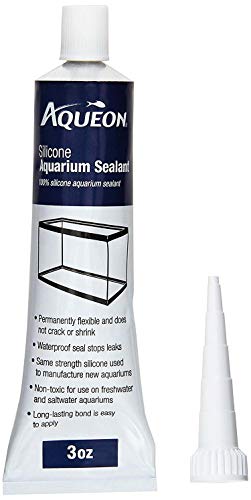

SAFE FOR THE FISH: Selsil Aquarium Silicone is a silicone sealant used in glass bonding work. It does not contain chemicals or solvents that are not friendly to your fish or other organisms in the aquarium. This product is made from 100% silicone polymer, is used in aquarium manufacturing, and conforms with the ISO 11600 –F&G–25 LM standards.

【Novique Aquarium Silicone Sealant】: Have you ever felt extremely frustrated when your beloved aquarium started leaking and you had to throw it away? Novique Aquarium Sealant is specifically designed to save your aquarium. It is safe, durable, and provides strong sealing to prevent water leakage. It cures quickly and is widely applicable. You don't need to replace aquarium, simply apply it on the leakage area and a durable and stable waterproof barrier will be formed.
Waterproof and Finish Surfaces to Protect Your Setup
Using the right waterproof materials and applying proper finishes are crucial for protecting your turtle’s basking platform from moisture damage. Seal joints with silicone sealant to waterproof areas where panels like plexiglass or glass meet. Applying a waterproof primer followed by exterior-grade paint adds an extra layer of protection against humidity and splashes. For surfaces, choose durable materials such as tile, stone, or concrete, which naturally resist water. To increase their durability, coat these surfaces with waterproof finishes that form a moisture barrier. Bonding solutions like acrylic glue or JB Weld securely attach components and prevent leaks. Finishing layers like matte stone tiles or textured cork bark provide both grip and additional resilience. Proper sealing and coating keep your setup dry and sturdy over time, reducing the need for frequent maintenance. Selecting waterproof coatings that are specifically formulated for aquatic or outdoor use ensures long-lasting protection in high-moisture environments.
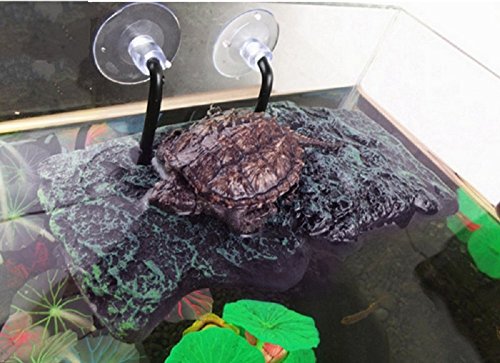
- Product Dimensions:7.4 x 3.4 x 0.78 inches, Suit for the turtle which length below 20 cm.Strong suction cups, four support frame at the bottom with four suction cups
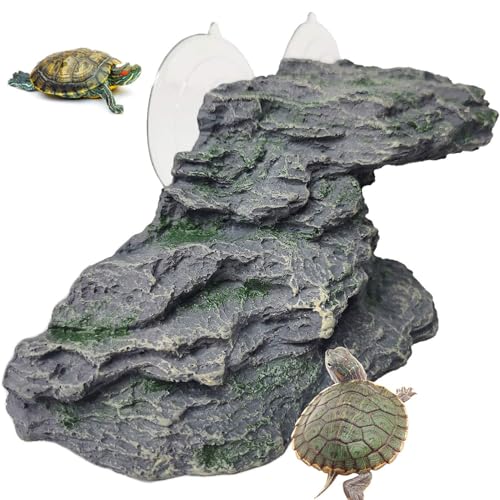
[EXERCISE LADDER] Step ramp design, the ramp is gentle,small animals can freely move up and down, which will increase their exercise and make them more healthy.The flat top provides a platform for the pet to bask in the sun

2 Pack Floating Turtle Docks: 2 mini floating platforms to create extra resting spots in your turtle tank. Use both in one habitat or place them in separate small aquatic setups.
Size and Place Your Basking Platform for the Best Results
The basking platform should be at least 1.5 times the length of your turtle’s shell. This size allows your turtle to fully exit the water and lie flat, giving it enough space to turn comfortably and accommodate future growth. Ensuring a spacious platform encourages regular basking, which is essential for drying off and absorbing heat effectively. Proper sizing promotes comfortable and natural behavior for your turtle, supporting its overall well-being. Using the right size aquarium accessories can enhance your turtle’s habitat by mimicking its natural environment more closely. When designing the basking area, consider the lighting conditions to ensure your turtle receives adequate heat and UVB exposure effectively. Position the platform directly under the heat lamp and UVB bulb to provide optimal lighting conditions. This placement promotes proper basking behavior and ensures your turtle receives the necessary heat and UVB exposure. Adjust the height so the platform is 4 to 6 inches below the tank rim to prevent escape and maximize heat retention. Proper placement supports your turtle’s health and encourages consistent basking habits. Make sure the ramp leading onto the platform is easy for your turtle to climb, with a gentle angle of about 30 to 40 degrees. Extend the ramp 1 to 2 inches into the water to facilitate climbing and discourage strain. Good accessibility with a gentle slope encourages your turtle to bask more often and comfortably. Proper sizing, placement, and accessibility of the basking platform encourage your turtle to bask regularly, promoting good health and warmth.
Troubleshoot Common Issues With Your DIY Turtle Basking Platform
Improper lighting adjustments are a common issue that can prevent your turtle from basking properly. Ensure that UVB and heat lamps are positioned correctly—too far or too high reduces warmth and UV exposure, making your turtle less inclined to bask. The basking surface should reach around 85 to 95 degrees Fahrenheit for optimal behavior; use a thermometer to confirm this temperature zone. Water levels also play a crucial role; if the platform sits too low or is splashed often, it remains wet and promotes algae growth. Adjust the height of the basking platform to keep it dry and allow proper drainage. Properly positioning the lamps ensures your turtle receives adequate heat and UVB radiation, which are essential for their health and activity levels. Ramps that are too steep or too short can make climbing difficult, especially for juvenile turtles. Make sure the incline is gentle enough for easy access. Secure attachment points to prevent shifting or slipping, and add traction with textured mats or artificial grass to enhance grip. Regular maintenance is essential—clean off debris and inspect seals to prevent slippage, instability, and hygiene problems. Maintaining the correct lighting and temperature balance is vital for your turtle’s well-being. Additionally, regularly checking aquarium cleanliness helps prevent health issues and encourages active basking behavior. Keeping these elements in check will create a safe and inviting basking area your turtle will want to use.

【Newly Upgraded Bell-Mouth Design】 :This newly upgraded heating lamp with a TFNN bell-mouth design provides a wider range of UVA/B ultraviolet rays compared to the design of ordinary models. It can simultaneously heat and illuminate multiple reptiles. The light is adjustable, making it suitable for different seasons and various reptiles, and it is extremely convenient to use.
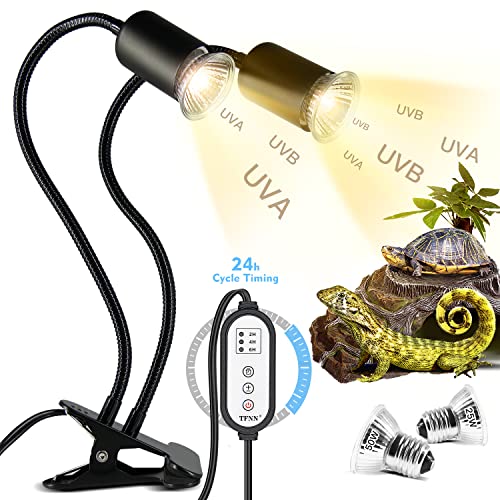
Intelligent Design:Reptile heat lamp with intelligent cycle timing design, once set to turn on/off automatically, every 24 hours at the same time to turn on the light, automatic cycle, no need to turn off manually every day, convenient and time saving. The glass tube extends the life of the bulb, simulates the solar spectrum, increases temperature, replenishes calcium and provides more direct sunlight and higher UV radiation.

【New Upgraded Dual-Head Design】 REPTI HOME Dual-Head reptile heat lamp with 2 Bulbs, 2 x 50W halogen bulbs. Compared to single-head heaing lamps, they have a wider radiation range, can simultaneously meet the heating needs of two or more reptile pets, It is the ideal choice for owners of multiple reptile pets