
Many plant growers wonder if UVB light is necessary for healthy growth. The short answer is that plants don’t need UVB to thrive; they primarily rely on visible light for their basic development.
However, UVB can influence certain secondary traits like pigmentation and resin production.
Keep reading to learn how to safely incorporate UVB into your grow routine for the best results.
Do Plants Really Need UVB Light to Grow?
UVB light is not necessary for plants to complete their life cycle. While it may influence certain secondary traits like resin, trichomes, and pigments, it is not required for growth, reproduction, or harvestable crop production. Unlike Photosynthetically Active Radiation (PAR), which drives photosynthesis and biomass accumulation, UVB primarily acts as a stress signal and can even cause damage if overused. Responses to UVB depend on the dose; too much exposure can bleach or stunt plants. For most indoor growers, UVB is an optional supplement aimed at enhancing quality rather than an essential element. Healthy plant growth mainly depends on visible spectrum light, with UVB serving as a stress-related tool to fine-tune certain characteristics rather than a fundamental requirement. Understanding UVB effects helps growers make informed decisions about supplemental lighting strategies. Additionally, UVB exposure can potentially induce plant defense mechanisms, but it should be used carefully to avoid detrimental effects. The plant’s sensitivity to UVB varies among species and growth stages, which influences how they respond to supplemental UVB.

Unique Exterior Design: This led grow light strip 1ft made in a black casing with aluminum instead of white casing. Make it look even better and more integrated into your fine home furnishings. Dark cords instead of white so as to minimize the observance of cords running through your plant displays

NOTE: The product stand needs to be pressed down by the flower pot to be stable. Not wireless style. 2 Installation Methods: Specially designed plant light for indoor plants, which can be inserted in the soil or stand for lighting.Unique and easy to assemble and disassemble.
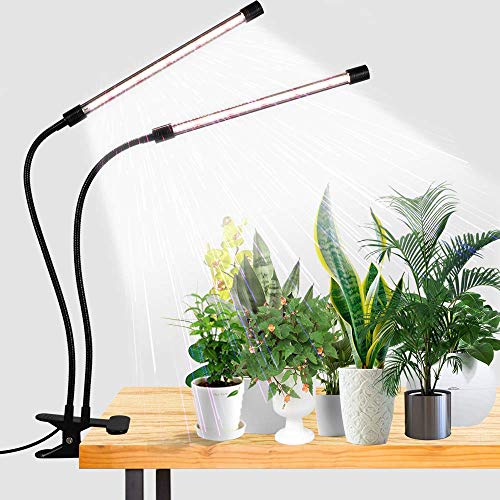
6000K White Light - equipped with 10 Red + 74 White LEDs, this growing Lamp is similar to the full-spectrum sunlight at noon,that is professionally designed for indoor garden plants.Moreover, its color rendering index is as high as 95, the light is soft and flicker-free, which is very suitable for reading lamp
What Are the Main Light Requirements for Healthy Indoor Plants?
The main light requirements for healthy indoor plants include providing the right quality, quantity, and duration of light. The light quality should match your plant’s specific needs, with full-spectrum light supporting optimal foliage growth and root development. Blue light encourages compact, sturdy growth and healthy leaves, while red light promotes flowering and overall vitality. The light intensity must be appropriate for the plant type: low-light plants thrive in 50 to 250 foot-candles, while high-light species need at least 1,000 foot-candles for strong foliage and root growth. Proper light intensity is essential for healthy development, ensuring your plants get enough energy to thrive. Additionally, understanding the specific light needs of different plant species can make a significant difference in their growth success. duration of light is also crucial; most indoor plants require 12 to 14 hours of light daily. During this period, a dark cycle of at least 8 hours is necessary for the plant’s physiological processes. Proper placement of your plants—near east-facing windows or close to artificial lights—ensures even growth and prevents legginess, supporting healthy foliage and robust root systems.
How Does UVB Light Affect Plant Physiology and Traits?
UVB light influences plant physiology primarily through oxidative stress and hormonal signaling pathways. When plants detect UVB via the UVR8 receptor, they activate a range of protective responses. These include morphological changes such as leaf thickening, increased cuticular wax production, and a reduction in leaf area, which help minimize damage and water loss. Exposure to UVB also alters physiological functions by impairing photosynthesis, damaging pigments like chlorophyll, and disrupting gas exchange. These effects often occur because UVB generates reactive oxygen species, leading to oxidative stress. To counteract this, plants activate antioxidant defenses and DNA repair mechanisms, often mediated by hormones such as jasmonic acid and salicylic acid. Additionally, UVB exposure can modify hormonal signaling pathways that regulate growth and stress responses in plants. Understanding the role of UVB detection mechanisms like UVR8 helps clarify how plants perceive and respond to ultraviolet radiation, ultimately supporting their survival strategies under stress conditions.
Can UVB Help Improve Flowering, Color, and Resin?
UVB radiation can enhance flowering, color, and resin production in plants when applied carefully. The effects vary based on the dose, timing, and plant species. UVB exposure stimulates pigment development, helping plants create protective colors that also improve visual appeal. Controlled, low-dose UVB can sometimes delay flowering or reduce flower output, but when timed correctly, it may trigger flowering initiation through the UVR8 pathway. During late flowering, UVB can increase resin production by activating biosynthesis of oils, trichomes, and secondary metabolites. This stress signal promotes the accumulation of terpenes, flavonoids, and aromatic compounds, which enhance aroma, flavor, and medicinal qualities. Proper UVB application can therefore potentially improve plant traits related to flowering, vibrant coloration, and resin quality. Additionally, understanding UVB responses in plants can help optimize lighting strategies for desired growth outcomes. The plant’s ability to adapt to UVB exposure involves complex photoreceptor mechanisms, which influence growth and secondary metabolite production. Integrating UVB lighting into cultivation practices may further enhance these beneficial effects.

FULL SPECTRUM & NATURAL LIGHT: A19 full spectrum grow light appears 4000K white to eyes but has a red/blue light spectrum. Same as natural sun shine, perfect for tomatoes, cucumbers, peppers, leafy greens and herbs at all growth stages.
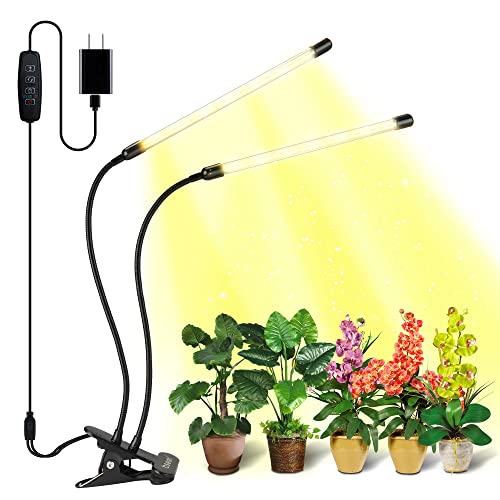
Full Spectrum LED with Yellow and White Combination: Bseah led grow light can promote photosynthesis, germination, growth, flowering and fruiting of plants.
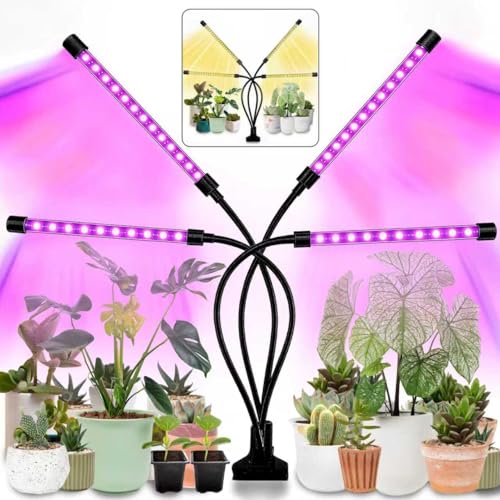
🌻Efficient LED Combination: This LED lamp has grow lights made up of 80 efficient growing LEDs ( 32 red lights, 12 blue lights,20 yellow lights and 16 white lights). It meets the conditions of plant growth without sunlight. 1--Full Spectrum(380nm-800nm): Suitable for all plants to root and sprout. 2--Red(660nm)+BLUE(460nm) Spectrum: for blooming and fruits. 3--Red+Blue+Full Spectrum: A mix of Red+Blue+Warm White is best to fuel the growth of your plants.
What Are the Risks of Using Too Much UVB?
Exposing plants to excessive UVB radiation can cause severe cellular damage that threatens their health and development. High levels of UVB lead to DNA lesions, which impair vital cellular functions. Reactive oxygen species (ROS) increase, causing oxidative stress that damages cell membranes and tissues. This oxidative stress can also trigger plant stress responses, further impairing growth. Overexposure often results in visible symptoms such as leaf burn, wilting, and abnormal growth patterns. UVB overdose can also suppress photosynthesis, reducing the plant’s ability to generate energy and hindering overall growth. Tissue injuries like bleaching, necrosis, and chlorosis are common, especially on delicate, young leaves. Too much UVB exposure interrupts normal development, leading to stunted growth and diminished vigor. To prevent these adverse effects, it is crucial to monitor UVB levels carefully. Limiting exposure duration and using appropriate shielding or UVB filters help safeguard plant health and promote steady growth. Proper UVB control is essential for ensuring healthy plant development and avoiding damage from overexposure. Additionally, understanding the damage mechanisms caused by excessive UVB can help develop better protection strategies for vulnerable plants.

[Efficient ] The grow room glasses effectively filter out uva and uvb, ensuring high working safety without affecting visibility.

[PRACTICAL USE] Perfectly suits grow rooms, plant houses, greenhouses, and outdoor horticulture.

Practical Use: Suits perfectly for grow room, plant house, greenhouse and so on, also applicable to outdoor horticulture and planting.
When and How Should You Safely Use UVB Light to Enhance Plant Quality?
To safely enhance plant quality with UVB light, apply it during the late vegetative and flowering stages, especially in the last 2 to 3 weeks when flower and resin production peak. UVB exposure is optional and should serve as a quality enhancer rather than a core growth tool. Begin with brief daily sessions of 30 to 60 minutes and increase only if plants respond positively. Proper positioning of the UVB source is crucial; keep it approximately 12 to 24 inches above the canopy, adjusting based on the fixture’s output and your plant type. Use timers to maintain consistent exposure schedules and closely monitor your plants for any signs of stress such as bleaching or slowed growth. Incorporate safety measures, including protective gear for yourself and shielding to prevent accidental exposure, and adjust the duration and intensity of UVB light to maximize quality benefits without risking plant or personal safety. Understanding the best caring for aquarium plants can help optimize your setup to support healthy, vibrant growth while safely managing supplemental lighting. Additionally, proper light placement plays a key role in ensuring plants receive the optimal amount of UVB without overexposure. Being aware of the appropriate timing for UVB application is essential to avoid stress and damage, ensuring your plant’s health and growth potential are maintained.
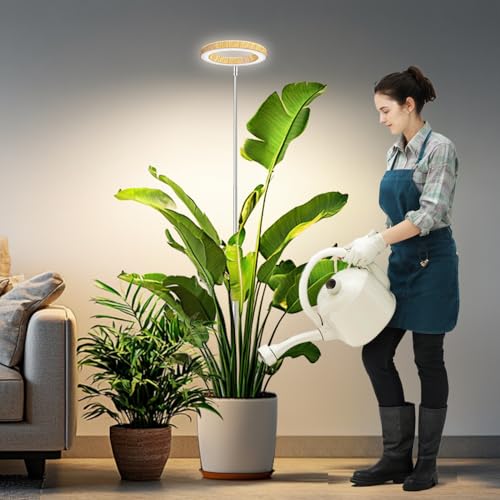
Elegant Faux Woodgrain Design: This halo grow light has a unique faux woodgrain design that complements any interior space. Compared with other plant lamps using bamboo materials, ours will not crack or fall off. Whether it’s used as a light for indoor plants or adding a stylish content to your home decor, this plant lamp is both practical and beautiful

☀ High Performance & Energy Saving: LED Grow Light Bulb A19 Bulbs deliver 150-degree light output.Used High Lumen Led Chips replace to 100w traditional light bulb, and power consumption, energy saving over 85%.

Grow Lights for Indoor Plants:The slim plant grow light innovatively adopts wood + bamboo structure with 6000K full spectrum LEDs. It perfectly matches your plants and herb gardens, gives indoor plants sunlight-like light and also decorates your room like an art. (Noted: No Power adaptor or timer/dimming function is included.)