
If you’re wondering how to keep your aquarium water clean and healthy, choosing the right filter can make all the difference. There are three main types—mechanical, biological, and chemical—each serving a different purpose to maintain a balanced environment.
By understanding how they work, you’ll be better equipped to select and maintain a filter that keeps your tank sparkling and your fish happy.
The rest of this guide will walk you through each type in detail.
What Are the Different Types of Aquarium Filters?
There are several types of aquarium filters, each with distinct functions to keep your tank clean and healthy. Mechanical filters are the most common and remove debris like uneaten food and visible waste using foam, sponges, or cartridges. Regular filter maintenance is necessary to prevent algae growth and ensure they stay effective. Biological filters support beneficial bacteria that convert harmful ammonia and nitrites into less toxic nitrates, which is crucial for maintaining stable water quality. Beneficial bacteria colonize on surfaces in biological filters, and providing adequate oxygenation through surface agitation enhances their function. Selecting the right salt for water conditioner can also improve the overall filtration process by supporting healthy bacteria growth in biological filters. Using the appropriate filtration media is essential to optimize each filter type’s efficiency and prolong its lifespan. Chemical filters remove odors and dissolved contaminants through activated carbon or resins, which need regular replacement once exhausted. Hang-on-back filters combine mechanical, biological, and chemical filtration, making maintenance straightforward. Internal, sponge, and canister filters vary in size and capacity but all require routine cleaning to prevent algae buildup and maintain high filtration performance. Ensuring proper filter placement within your tank can significantly impact the overall filtration efficiency and water flow.
How to Choose the Right Filter for Your Aquarium Size and Fish Species
Choosing the right filter depends on your tank’s size and the fish you keep. For standard setups, aim for a filtration rate of about four times the water volume per hour. For example, a 20-gallon tank requires a filter with at least 80 GPH (gallons per hour). Heavier bioloads, like with goldfish or cichlids, need a higher turnover rate of five to six times the tank volume per hour to maintain water quality. Smaller tanks under 30 gallons often work best with internal or hang-on-back filters due to their simplicity and efficiency, while larger tanks benefit from canister filters that provide more media capacity and stronger flow. Matching your filter’s specifications to your tank’s size and the needs of your fish ensures proper water circulation, filtration, and overall tank health. Proper filtration is crucial for maintaining a healthy aquarium environment, especially when integrating live plants and fish. Ensuring your filter matches your tank’s biological filtration needs helps sustain beneficial bacteria populations and keep water parameters stable. A good understanding of filter types can help you select the most suitable system for your specific setup.

Fine Sponge Filtration: Provide mechanical and biological filtration and trap debris or wastes without sucking up shrimp or fry. Keep fish tanks crystal clear and healthy.

QUIET AQUARIUM FILTER: The Tetra Whisper IQ Power Filter with Stay Clean technology contains a sound shield for quiet filtration less than 40 dB.

WITH ROTATING BIO-WHEEL: Patented Bio-Wheel technology provides excellent wet/dry biological filtration.
How Mechanical Filtration Keeps Your Water Crystal Clear
Mechanical filtration physically traps solid particles as water moves through the filter media, preventing debris from remaining suspended in your aquarium. The efficiency of this process depends largely on the filter’s surface area; larger or more specialized debris trap designs can capture more particles before becoming clogged. Common media such as sponges, pads, floss, and cartridges act as sieves that catch waste, uneaten food, and plant fragments. Beneficial bacteria colonize the surfaces of some mechanical filter media, adding a biological filtration component to further support water quality. A well-designed debris trap allows water to flow smoothly while maximizing debris removal. Proper filter maintenance ensures the continued efficacy of mechanical filtration and prevents equipment failure. When you keep your filters clean, they remove cloudy debris, enhance water clarity, and promote a healthier aquatic environment. Flow rate is also a critical factor that influences how effectively debris is removed and how well the filter performs overall. Understanding the filter design can help in selecting the most suitable setup for your specific aquarium needs, ultimately supporting stable tank conditions and overall aquarium health.

Efficient Filtration: The high-density and unique structure of the sponge provide exceptional mechanical filtration. It effectively captures and removes impurities, suspended particles, and waste from the water, maintaining a clear and stable aquatic environment for the well-being of your aquatic organisms.

Quality Filtration: Quick-Clear is specifically designed to fit the Fluval 307/407 and 306/406 canister filters. These thick, ultra-fine polyester water polishing pads effectively trap micro particles and debris, leaving your aquarium crystal clear.

NEW 3rd AMERICAN TECHNOLOGY- It is the first choice for sponge filter pad. Equipped with 8-layer filtration, the Sunjojo aquarium sponge foam are smarter than normal: 2 layer's honeycomb woven mesh;2 layer's three-dimensional fiber; 2 layer's fine mesh fiber; 1 layer Nano bio sponge filter and 1 layer Fiber bio sponge filter. They working together to help keep your aquarium crystal clear. Size: 15.7x11.8x0.6in, 1 Pack.
The Role of Biological Filtration in Keeping Your Tank Stable
Biological filtration is essential for maintaining a stable aquarium environment. It works through the colonization of beneficial bacteria on porous media like ceramic rings, bio-balls, and sponges. These bacteria convert toxic waste products such as ammonia and nitrite into less harmful nitrate through the process of nitrification. Proper setup and cycle initiation allow the biological filter to develop naturally over time through surface areas for beneficial bacteria. Patience during this process is vital, as cyclings during the initial setup allow bacteria populations to establish and thrive. Porous media provide a high surface area that supports bacterial growth, ensuring efficient waste processing. This process relies heavily on the presence of beneficial bacteria, which require proper conditions and adequate surface area to thrive. Achieving a stable biological filter is key to preventing fluctuations in water quality and maintaining a healthy ecosystem. This biological activity keeps ammonia and nitrite levels low, preventing toxic spikes that could harm your aquatic life. A well-established biofilter continuously processes waste, which helps maintain consistent water quality and reduces the need for frequent chemical interventions. Healthy bacterial colonization is crucial for preventing tank crashes and supporting a thriving ecosystem. By maintaining a stable biological process, you create an environment where your fish and plants can flourish with minimal stress.
How Chemical Media Improve Water Quality and Remove Odors
Chemical media significantly improve water quality and remove odors by targeting dissolved contaminants that mechanical filtration cannot capture. Activated carbon is the most common type used in aquariums; it effectively reduces water discoloration, yellowing, and unpleasant smells. It works by binding organic compounds, odor-causing molecules, and certain medication residues, resulting in clearer water and fresher smell. Proper lighting, heating, and humidity conditions play a crucial role in supporting the effectiveness of chemical media and maintaining overall water quality. Additionally, understanding filtration methods helps aquarists select the most suitable media for their specific needs. Regular replacement of chemical media, usually every few weeks, is essential because its adsorption capacity diminishes over time. Chemical media mainly address issues like water discoloration, dissolved impurities, and odors, making them a valuable complement to mechanical filtration systems. Keep in mind that chemical filtration should not replace proper maintenance or aeration practices; instead, it enhances your tank’s overall water quality and smell.

FOR CHEMICAL AQUARIUM FILTRATION: Black Diamond Premium Activated Carbon removes odors, discoloration and impurities for clear, sparkling aquarium water.

Pack Includes: High quality 0.9 LB coconut shell charcoal and 3 encrypted mesh nylon bags with zipper.Encrypted bag won't let activated charcoal leak out.There's hardly any dust, and the water's still clear
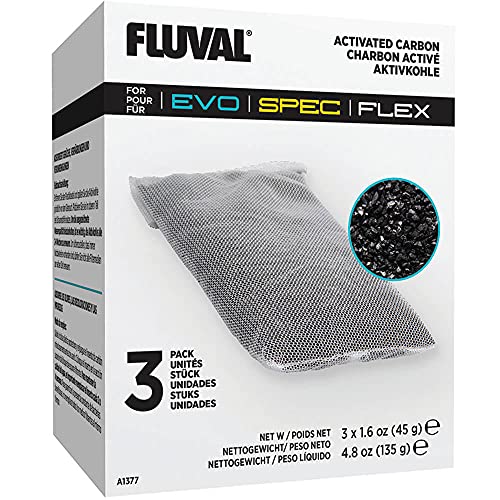
Chemical filter media removes heavy metals, odors, discolorations and pollutants
Compare Popular Filter Types: Hang-On-Back, Canister, and Sump
Canister filters generally offer superior filtration performance and are ideal for larger or heavily stocked tanks. They are located outside the tank, with intake and output hoses connecting to the aquarium, often buried within a custom cabinet or stand. Canister filters have larger media capacity, allowing you to run multiple types of filter media simultaneously, which enhances biological, mechanical, and chemical filtration. They operate quietly and are easier to maintain, but tend to be more expensive and physically larger, requiring more space and initial setup time. Regular cleaning and media replacement are essential to keep the filter functioning effectively and prevent buildup of debris.
Sump systems provide the highest filtration capacity and customization options, making them well-suited for large, complex aquarium setups. They are installed beneath the stand or in a dedicated sump room, with the tank connected via plumbing. As the most complex option, sumps allow extensive media, heater, and equipment integration. They offer unparalleled filtration and water stability but involve detailed plumbing, more initial effort, and a higher cost. The increased setup complexity may also be a barrier for beginners, but they excel in large, custom, or highly demanding environments.

FILTRATION PRINCIPLE: After power on, the built-in pump generates power to form a filtered water cycle. First, dirty water is sucked in from the bottom of the water inlet pipe, and a small amount of water with an oil film enters from the oil skimmer port. The dirty water flows to the filter box, passes through three filter media, completes the filtration cycle,then clean water flows out of the outlet pipe
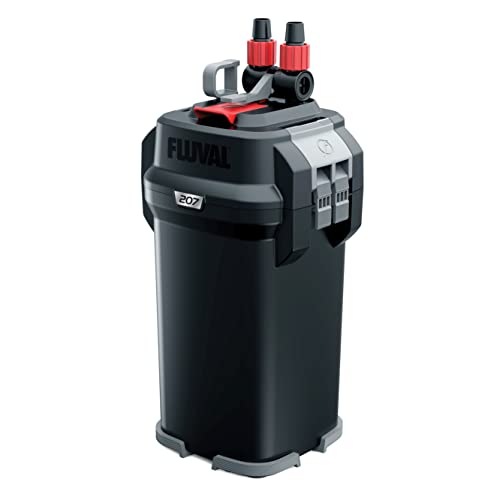
Efficient Aquarium Canister Filter: Fluval eTEC technology delivers powerful pump performance and ultra-quiet operation; uses same energy as LED light bulb

Easy Bottom Drain: Instead of lifting heavy buckets or siphoning manually, just press the drain valve once of Veehoo canister filter. Waste and old water exit directly from the bottom, leaving your tank cleaner in seconds. No spills, no stress.Your weekly water change drops from 30 minutes to 5 minutes
How to Maintain and Replace Your Aquarium Filter Media
Regularly inspecting your aquarium filter flow is crucial. If you notice a reduction, it often indicates clogging or the need for cleaning. Clean mechanical media like sponges or pads in tank water or aged water to avoid killing beneficial bacteria. Replace filter floss weekly if necessary, and swap activated carbon when it becomes exhausted. Biological media such as ceramic rings can usually be cleaned instead of replaced, often lasting months or even years. Follow a systematic maintenance order: start with coarse media to remove larger particles, then move to fine media for smaller debris, and finally replace or refresh chemical media last. Keeping a record of your cleaning and replacement schedule helps optimize your filter’s performance and prevents issues. Additionally, understanding the importance of proper maintenance techniques can ensure your aquarium remains healthy and thriving. It’s also beneficial to understand the types of aquarium filters available to select the best option for your setup and ensure optimal filtration.

AC20 Aquarium Kit:This comprehensive maintenance kit includes everything you need for optimal filtration: 1 Blue Foam Filter, 2 Intake Strainer Sponges, 1 Ceramic Rings, and 2 Activated Carbon Packs. Designed to work seamlessly with AquaClear filtration systems, it ensures your aquarium stays clean and healthy.
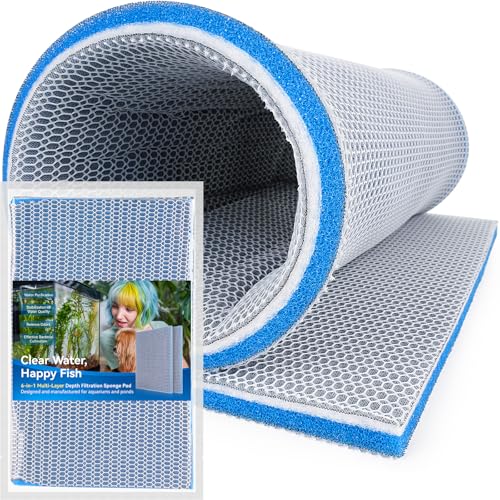
✅Deep Filtration: Designed with multiple filters such as three-dimensional honeycomb mesh cloth, fiber biochemical cotton, and non-adhesive nano-filter mesh stacked on top of each other to give it a finer filtration effect, it effectively captures impurities such as fish feces, uneaten food, and other small particles in the water so as to maintain clear and healthy water for the fishes and aquatic organisms.
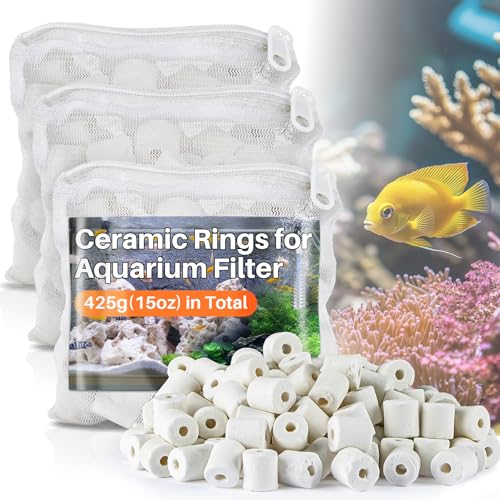
Efficient Purification: Designed for both freshwater and saltwater aquariums; Helps capture floating particles and impurities; Promotes clearer and cleaner water; Improves overall water quality over time; Works continuously to maintain a balanced aquatic environment