
If you’re wondering how to keep your aquarium plants healthy and vibrant, you’re in the right place.
Achieving lush, thriving greenery involves balancing lighting, substrate, and nutrient levels—key factors that can seem tricky at first.
With a clear understanding of these basics, you’ll be able to create a beautiful, natural environment for your aquatic life.
Keep reading to learn the essential steps for success.
Understanding Aquarium Plants and Their Benefits
Aquarium plants naturally filter water by absorbing waste compounds such as ammonia, nitrite, and nitrate. This process helps maintain water quality and reduces how often you need to perform water changes. During photosynthesis, aquatic plants produce oxygen and consume carbon dioxide, supporting fish respiration. This also helps balance dissolved gases and stabilizes the tank’s pH level. Healthy plants compete with algae for light and nutrients, which limits algae growth and keeps your tank cleaner. They also provide essential habitat, shelter, and security for fish and invertebrates, encouraging natural behaviors. Additionally, live plants add color, texture, and depth, making your aquarium more visually appealing. To maximize these benefits, it’s important to understand plant nutrient needs and propagation methods, ensuring your plants thrive in your tank. Recognizing plant nutrient needs and providing appropriate fertilization can significantly enhance plant health and growth. Proper lighting and CO2 supplementation are also crucial for promoting healthy plant growth, especially in densely planted tanks. Additionally, understanding the benefits of healthy plants can help new aquarists set up a balanced and sustainable tank environment.
Choosing the Right Substrate and Planting Techniques
Selecting the right substrate is crucial for healthy aquatic plants because it provides the foundation for root growth and nutrient uptake. Aim for a layered substrate setup, starting with a nutrient-rich base like aquasoil or organic topsoil. Cover this with a cap of sand or gravel to prevent cloudiness and leaching of nutrients into the water column. Main types of substrates, such as gravel, sand, dirt, and specialized plant substrates, offer different benefits and limitations that should be considered based on your plant selection and maintenance preferences. Particle size should be optimized around 2–3 millimeters. This size strikes a balance between providing enough stability for roots and allowing proper water movement through the substrate. Avoid particles smaller than 1 millimeter, as they tend to compact and hinder root access, and larger than 4 millimeters, which can impede root penetration and trap waste. A fluffy, non-dense substrate promotes gas exchange and supports healthy root systems. For plants with more demanding root needs, such as heavy root feeders, consider supplementing with root tabs or specialized additives. Incorporating appropriate substrate particle size management can help prevent compaction and promote healthy growth. Placing these directly into the substrate’s base layer ensures consistent nutrient delivery and supports optimal plant health. Understanding substrate particle size and its impact on plant root development can significantly influence plant growth and water quality in your aquarium.
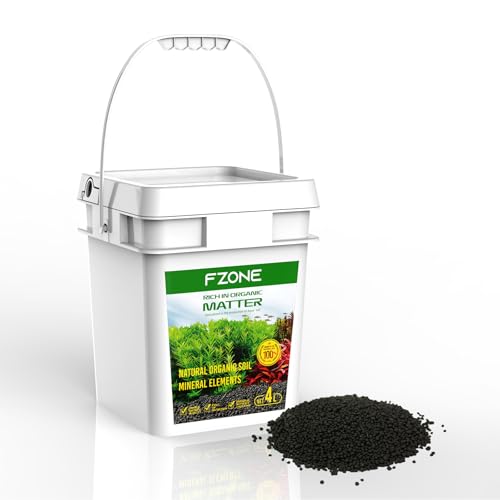
Nutrient-Rich Organic Formula:The aquarium substrate features a well-proportioned blend of organic matter, activated carbon, silica , soil, and minerals to provide essential nutrients and support a healthy planted aquarium ecosystem.
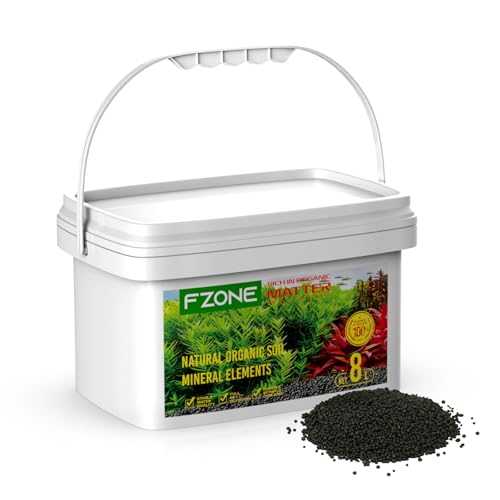
Nutrient-Rich Organic Formula:The aquarium substrate features a well-proportioned blend of organic matter, activated carbon, silica , soil, and minerals to provide essential nutrients and support a healthy planted aquarium ecosystem.

【Premium Upgraded Formula for Superior Plant Growth】Our premium aquarium soil features a refined blend of natural humus, activated carbon, silica, and essential minerals (nitrogen, phosphorus, potassium, etc.). It provides long-lasting nutrients and helps maintain clean water conditions. This creates a favorable environment for aquatic plants, shrimp, and fish, taking your aquascaping to the next level.
How to Set Up Lighting and CO₂ for Healthy Plants
Proper lighting and CO₂ supplementation are essential for healthy aquatic plant growth. For lighting, adjust based on your plant category: low-light plants need 1 to 2 watts per gallon, medium-light plants require 2 to 3 watts, and high-light plants demand 3 to 5 watts. Ensure your PAR values are between 20 and 60 for optimal growth. The photoperiod should correspond with your tank’s light intensity—6 to 8 hours for low-tech setups and up to 12 hours for high-light environments. Consider splitting the lighting period to help reduce algae growth. Use full-spectrum LEDs that emphasize red, blue, and green light to provide a balanced spectrum beneficial for photosynthesis. Regularly testing and adjusting your lighting parameters can prevent issues like algae outbreaks or plant deficiencies. To support healthy plant development, track your light spectrum and photosynthesis efficiency. Adjusting your lighting schedule based on plant response can further optimize growth conditions. Maintaining optimal light intensity tailored to your specific plant needs is crucial for thriving aquatic plants.
Regarding CO₂, inject it about one hour before your lights turn on and stop roughly an hour before they go off. Maintaining CO₂ levels between 60 and 80 percent in high-light tanks encourages faster growth and maximizes photosynthesis while keeping your pH stable. Proper CO₂ management prevents fluctuations that could stress your plants or fish. Regularly monitor CO₂ concentration and pH levels to ensure consistency and healthy plant development.
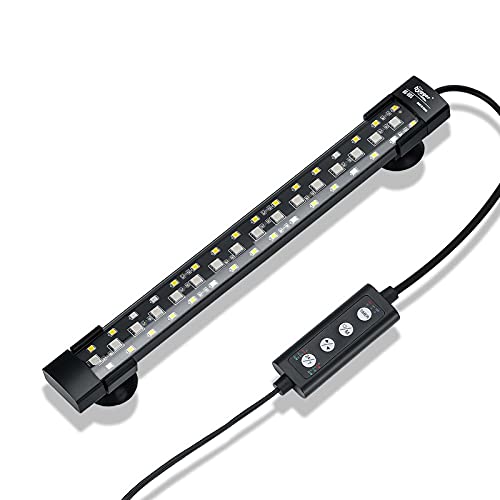
DEFAULT MODE(24/7 Natural Mode): Gradient Orange light (sunrise) from 6 am to about 8 am; Gradient White light from about 8 am to 10:00pm/22:00; Gradient Blue light (moonlight) from about 10:00pm/22:00 to 10:50pm/22:50; The 24/7 lighting aquarium lights are off in other time periods. The overall default time period can be delayed or advanced
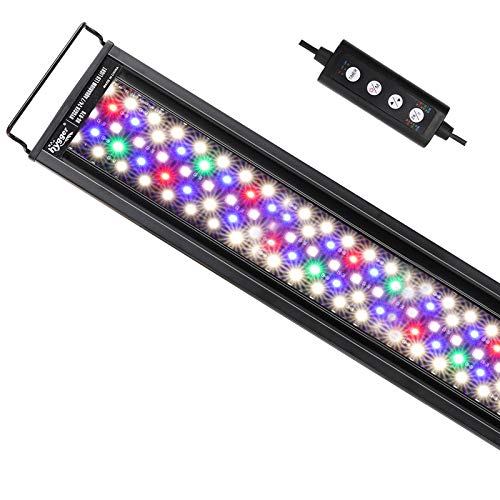
[Premium 5050 & RGB LED Bulbs] hygger 978 Aquarium led Light features a super-bright 6500K white LEDs paired with the full-spectrum RGB LEDs to emit bright light to bring out the colors of your fish and plant. Ideal for used in fish-only tank and planted tank
[Premium 5050 & RGB LED Bulbs] hygger 978 Aquarium led Light features a super-bright 6500K white LEDs paired with the full-spectrum RGB LEDs to emit bright light to bring out the colors of your fish and plant. Ideal for used in fish-only tank and planted tank
Step-by-Step Guide to Planting and Caring for Aquarium Plants
Begin by preparing and conditioning your aquarium plants before planting. Rinse new plants in lukewarm or dechlorinated water to remove debris and pests. Remove foam strips, weights, pots, and rockwool from nursery plants, as these can block roots and hinder growth. Use pruning tools and scissors to trim damaged or tangled roots, which promotes healthy development and makes planting easier.
Separate bunches of plants into individual stems or small groups so each has enough space for light and nutrients to reach all parts. For plants sourced from other tanks, give them a mild disinfectant dip to reduce the risk of introducing unwanted organisms. Set up a nutrient-rich substrate about 2 to 3 inches deep in your aquarium. Arrange any hardscape, like rocks or driftwood, and install equipment before planting to make the process smoother.
When planting, ensure roots are buried securely in the substrate, leaving the crown above the surface. Proper positioning helps stabilize the plants and allows them to start growing healthily right away. Water parameters significantly influence plant health and growth, so monitoring and maintaining optimal levels is essential for a thriving aquatic environment. Regular testing of key water parameters helps prevent fluctuations that could stress or harm your plants. Additionally, maintaining stable biological filtration supports overall water quality and plant vitality.

PROMOTES ROBUST PLANT GROWTH: Fluval Plant and Shrimp Stratum encourages strong root development by allowing plant roots to easily penetrate and spread throughout the substrate, helping aquatic plants absorb key nutrients for healthy growth

Promotes Robust Plant Growth: This aquatic soil helps enrich plant development and fosters vigorous growth with vibrant coloration, ensuring your aquarium thrives with lush foliage

Material: cultivation medium of the fish tank is made of black soil, which cannot be cleaned, and has a small amount of impurities. It can be removed with gauze after water injection.
Common Plant Problems and How to Fix Them
Poor light quality or inconsistent schedules often cause leggy stems, pale color, or stunted growth in your aquatic plants. To fix this, increase the light intensity or set a consistent photoperiod, ideally with a timer, to promote healthy growth. Algae outbreaks typically result from excessive light or irregular CO2 levels; reducing your photoperiod to about 6-8 hours and balancing CO2 can help keep algae under control. Nutrient deficiencies, such as lack of nitrogen, potassium, or iron, show as yellowing leaves, small holes, or weak stems. Address these issues with targeted fertilization, ensuring your plants receive the right nutrients. Regular trimming helps improve light access and stimulates healthy development. Maintaining stable water parameters, good water circulation, and appropriate lighting and nutrients are crucial in preventing common plant problems. Ensuring proper lighting conditions is essential for healthy plant growth and preventing issues caused by poor light quality. Additionally, understanding aquascaping techniques can help maximize light distribution and reduce overshadowing among plants, promoting a more balanced and healthy tank. Proper substrate choices also support nutrient uptake and root development, contributing to overall plant health.
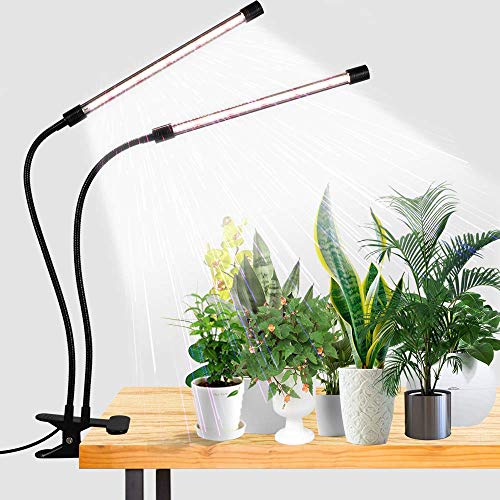
6000K White Light - equipped with 10 Red + 74 White LEDs, this growing Lamp is similar to the full-spectrum sunlight at noon,that is professionally designed for indoor garden plants.Moreover, its color rendering index is as high as 95, the light is soft and flicker-free, which is very suitable for reading lamp

★[DIY MODE]: Time, Colour and Brightness 3 setting choose. Timing (Timer control key): 3 choices timer running for 6 hours, or 10 hours, or 12 hours; Brightness/On-Off key: 10 level brightness and Switch function. Colour(W/B key): 3 colour modes choose, All lights on, White/Red/Green/Pink, Only Blue
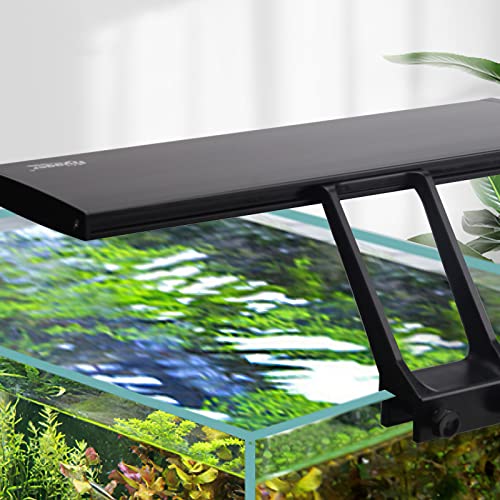
DEFAULT MODE(24/7 Natural Mode): Gradient Orange light (sunrise) from 6am to about 8am; Gradient White light from about 8am to 10:00pm/22:00; Gradient Blue light (moonlight) from about 10:00pm/22:00 to 10:50pm/22:50; The 24/7 lighting aquarium lights are off in other time periods. The overall default time period can be delayed or advanced
Easy Tips for Maintaining a Lush Aquarium Garden
Consistent lighting is essential for maintaining a lush aquarium garden. Aim for 8 to 10 hours of light daily using a timer to ensure precision. If you have a low-tech setup, 6 to 8 hours can help limit algae growth while still supporting healthy plant development. Distributing the light evenly across the tank avoids shaded dead zones, making sure all plants receive the light they need to thrive. Properly managing light intensity and spectrum can significantly enhance plant health and growth. Regular water changes of 10 to 30 percent help remove excess nutrients that can fuel algae growth. Siphoning debris from the substrate during these changes also promotes a cleaner environment. Use liquid fertilizers and root tabs consistently, adjusting the dosage based on your plant density and lighting to promote vigorous growth. Proper trimming and routine equipment maintenance further support healthy plants and help control algae, creating a vibrant, balanced aquarium garden. Additionally, understanding aquarium plant lighting needs can contribute greatly to your success. Incorporating appropriate lighting spectrum tailored for aquatic plants can further boost growth and color vibrancy.
Using Aquatic Plants in Reptile Enclosures and Small Tanks
Including aquatic plants in your reptile enclosures and small tanks can significantly enhance the environment. Opt for non-toxic options like pothos, bromeliads, or snake plants to avoid risks of poisoning. Match the plants to your habitat’s moisture levels: ferns and bromeliads thrive in humid conditions, while succulents are better suited for dry environments. Durable plants such as pothos and snake plants are good choices for active setups because they tolerate movement and variable conditions. Many hardy plants can bounce back quickly after drying out, provided they are resilient and properly cared for. Proper placement and enclosure design are essential. Use drainage layers and appropriate substrates to support healthy root systems. Aquatic plants also help with water filtration, reducing waste buildup and maintaining water quality. When setting up, gently introduce plants using pots or colanders to protect their roots. Additionally, understanding how to maintain a balanced water quality is crucial for the health of aquatic and semi-aquatic plants alike, ensuring they thrive alongside your animals. It’s also beneficial to regularly monitor plant health and address issues such as algae overgrowth or pests to sustain a vibrant environment. Allow a cycling period before your reptile or small fish move in, giving the plants time to establish and ensuring they stay healthy for your animals.

Safe & Durable Material: Bearded Dragon Tank Accessories are made from non-toxic, eco-friendly plastic with soft silk leaves and sturdy iron wire stems. Fully bendable and lifelike, these vines twist together easily to create a dynamic 3D habitat with natural hiding spots.

Safe Material for Reptile: The artificial terrarium plant is made with non-toxic polyethylene plastic and soft silk leaves. Just dip in water to clear debris. These vines are bendable, life-like vines with a natural feel and look and can be twisted together with vines of different sizes to create a 3-D habitat

Package Including: 2 pack purple and green Reptile Plants Decor Hanging Leaves with suction cups. Good for reptile habitat decorations, terrarium hanging, snake terrarium decorations.