
If you’re looking to create a simple, effective pond filter at home, you’re in the right place. Building your own filter can be affordable and tailored to fit your pond’s specific needs, often using just a few key materials.
With the right setup, you can keep your pond clean and healthy with minimal fuss. The following steps will guide you through the process from start to finish.
Getting Started With DIY Pond Filters
The ideal filter depth for a DIY pond filter is at least 12 inches. This depth allows sufficient space to layer different media types like lava rocks, sponges, or bio-balls, which are essential for effective filtration and beneficial bacteria growth. A deeper filter creates more surface area for bacteria to thrive, improving biological filtration and helping to keep your pond water clear and healthy. Additionally, considering proper filtration system design ensures your setup functions optimally and lasts longer. Plan your layout carefully by positioning the filter close to the pond on a level, shaded surface to prevent uneven water flow and reduce algae buildup. Proper filter media layering not only enhances filtration efficiency but also promotes better oxygen exchange within the media to support bacterial activity. Deciding on inlet and outlet holes early is crucial, as it helps to optimize water flow through the media and enhances overall system performance. Use appropriate plumbing fittings such as bulkhead fittings and PVC pipes, which are reliable and simple to install, to connect the filter to your pond’s circulation system. Incorporating a mesh screen or barrier at the inlet to keep media in place and prevent debris from clogging the system can also prolong the lifespan of your filter. Space the media layers properly within the filter to promote even water flow and avoid clogging, which can reduce filtration efficiency. Proper planning and execution ensure your DIY pond filter runs smoothly, effectively filters debris and nutrients, and is easy to maintain over time.
Choosing The Right Container For Your Filter
Choosing the right container is critical for building an efficient DIY pond filter. You should select a vessel that is durable and fish-safe. Look for UV-stabilized materials and structural rigidity to withstand outdoor conditions, including exposure to sunlight and weather changes. The container must support bulkhead fittings, pipe loads, and media weight without flexing or cracking over time. Materials compatibility is essential to prevent leaks or degradation over time, especially when exposed to pond water and environmental elements. Additionally, selecting a container with proper drainage and access points facilitates easier maintenance and cleaning. Common options include barrels, storage totes, trash cans, or lined holes. Your choice depends on the pond size and accessibility. For effective filtration, select a container that holds at least 10% of the pond volume. If your pond is heavily stocked with fish, aim for up to 25% to ensure good flow rate and ample space for solids capture, media depth, and settling. Proper penetrations for bulkheads and drains are essential. Using a container with appropriate durability and longevity can help prevent frequent replacements and ensure long-term performance. Consider the environmental resistance of the container to ensure it remains effective despite weather conditions. The right container improves flow control, reduces maintenance hassle, and extends the lifespan of your filter system.
Designing Your Filter Layout: Media And Flow Paths
Your media layout and flow paths play a vital role in optimizing your pond filter’s performance. Arrange media layering to match your filtration rate and flow; coarser media like anthracite or gravel should be placed above finer materials such as sand. This setup helps maximize particle removal while maintaining sufficient flow capacity. Design a flow path that ensures even distribution—preferably sheet flow across the media surface—to prevent concentrated flow points that can erode media or compromise treatment efficiency. Keep the total flow path shorter than 150 feet to reduce stagnation risk and promote consistent water movement. Incorporate proper underdrains and perforated laterals to evenly distribute water beneath the media, enhancing both drainage and filtration efficiency. Monitoring flow path design and media layering ensures optimal filtration, resulting in clearer water, effective filtration, and a healthier pond environment. Additionally, paying attention to media layering can help prevent channeling and ensure consistent filtration across the entire system.

Note: Please tighten the screw in the bottom groove of the filter to ensure sealing; Also, unscrew the groove first before disassembly

The Universal Pump Filter Box cleans water, promotes the growth of beneficial bacteria, and protects pumps from debris in small ponds up to 500 gallons.
Building A Water-Tight Filter With Plumbing And Fittings
To ensure your filter housing is watertight and ready for plumbing, start by selecting a container rated for your specific volume. Thoroughly clean and disinfect it using bleaching powder to prevent contamination. When planning the installation, create a penetration point about one-quarter from the top of the housing for the outlet fitting. Match the hole size precisely to the tap for a secure seal. Install the tap firmly, ensuring it is tight and leak-free. Use flexible piping with small holes internally to distribute water evenly within the system. Seal all connections with O-rings, Teflon tape, or fluxed solder, depending on the fitting type, to thoroughly prevent leaks. Keep all piping and fittings neatly arranged for an aesthetic appearance, and add shut-off valves at strategic points for easy maintenance access. Secure the housing properly to prevent movement or leaks over time. Selecting the correct tank size for your space ensures proper capacity and fit, preventing over- or under-sizing issues. Proper planning of your filter setup can also help avoid future leaks and ensure maintenance ease. Once assembled, slowly turn on the water, flush the system for 5 to 15 minutes to clear out any debris, and carefully inspect all joints for leaks, tightening connections as needed.
Regularly check and replace seals to maintain a reliable watertight system and extend the longevity of your filter.

Replacement 151122 o-rings compatible with Pentair/ Pentek style Big Blue Water Filters Housings. Compatible with Pentek #10 and #20 Big Blue Water Filter Housings
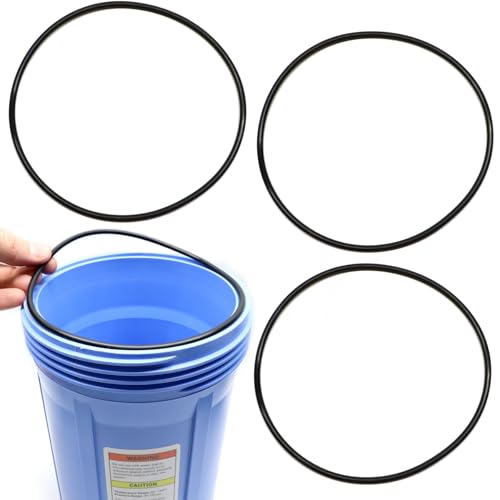
Replacement 151122 o-rings compatible with Pentair/Pentek style Big Blue Water Filter Housings (3 Pack)

Buyer's Guide: Our package contains 6 pcs replaceable 151120 water filter housing o rings. Please confirm the required size and material before purchase, and put it in the right place
Adding Biological Media And Plants For Natural Filtration
Adding biological media and plants to your pond filter creates a natural, efficient way to maintain water quality. Biological media provides extensive surface area for nitrifying bacteria, which convert toxic ammonia and nitrite into less harmful compounds. Using high-SSA media like engineered plastics or ceramics ensures strong bacterial colonies capable of supporting biological nutrient processing. Incorporating plants enhances filtration by absorbing toxins, stabilizing the ecosystem, and providing oxygenation. Surface area is a key factor in promoting healthy bacterial colonies and effective biological filtration. In bog-style filters, plants and media work together, with water flowing through layered rocks, pebbles, and plant roots. This layered setup promotes oxygen exchange and increases filtration efficiency. Proper media maintenance techniques are crucial to sustaining bacterial growth and overall filtration performance. Regular cleaning of media is essential; back-flushing helps remove sludge without damaging the beneficial bacteria colonies. Additionally, ensuring proper water circulation helps distribute oxygen and nutrients evenly, boosting biological activity. Introducing proper water flow enhances contact between water and media, further improving filtration efficiency. Combining biological media with thriving plant coverage results in a balanced, natural filtration system that keeps your pond clear and healthy over time.
Installing, Testing, And Adjusting Your Filter
Proper installation, testing, and adjustment are crucial to ensure your pond filter functions effectively from the start. Begin by selecting a site with an accessible, flat, and level base to prevent tipping and promote even water flow. Position the pump at the pond’s deepest point to maximize bottom debris collection. Measure all plumbing runs carefully to avoid sharp bends, which can cause strain or reduce flow. Secure inlet and outlet hoses firmly with clamps and gaskets, and check that they are free of kinks or twists that could restrict water movement. Using a carefully chosen location can also help optimize water quality and ease maintenance. Next, run the filter system with only water for 10 to 15 minutes. Observe closely for any leaks, ensure water flows out through the outlets properly, and verify that air is being evacuated from the system. If you notice leaks, tighten connections or reseal as needed. Adjust the pump output to achieve a balance where filtration is effective but the system isn’t under excessive pressure. Confirm the circulation pattern reaches the desired return points in your pond, promoting even water distribution. Regularly monitoring system performance during this initial phase helps detect potential issues early. Proper setup from the beginning guarantees consistent operation and helps maintain clear, healthy pond water.

🌊 【Highly Efficient Filtration System】The pond pump filter for filtration, pumping, and fountains in one, which meets all the requirements of a functioning pond ecology. Multiple filtration systems effectively clean all types of impurities and keep the water clean. Providing a healthy environment for aquatic plants and fish growth, low energy consumption and high efficiency, durability under long-time continuous work.

All-in-1 COMPLETE MAINTENANCE: All-in-One Pond Solution: Combining a high-performance 400GPH pump, advanced filtration, and customizable fountain displays. It’s the perfect all-in-one choice for pond size up to 400 gallons, providing efficient water circulation and oxygenation with a single submersible unit.

18W High-Efficiency UV Clarifier – Effectively eliminates green water algae in as little as 3-7 days, keeping your pond crystal clear while being 100% safe for fish and plants.
Maintaining Your DIY Pond Filter For Long-Term Performance
Regular maintenance of the mechanical media is crucial for long-term pond filter effectiveness. Clean sponges, foam pads, and cartridges every 2 to 4 weeks to prevent clogging and ensure debris is removed efficiently. When cleaning foam pads, squeeze them in pond water rather than tap water to avoid damaging beneficial bacteria. During periods of heavy debris, weekly cleaning of pre-filters and intake screens helps reduce strain on your filter system. Routinely check for signs of wear, tearing, or decreased flow, which indicate that replacements are needed. Maintaining the mechanical media properly supports algae prevention and decreases the need for chemical treatments. Additionally, gently clean bio-media every 1 to 3 months using pond water to preserve beneficial bacteria. Proper media cleaning techniques ensure your biological filtration remains effective and bacteria are preserved. Following this routine will help keep your pond clear and healthy over the long term.
Troubleshooting Common DIY Pond Filter Problems
If your pond filter isn’t working properly, start by checking the filter media for clogging. Dirty media, baskets, or pads can block water flow and reduce filtration efficiency. Regularly clean or replace these components, especially if you notice debris buildup. Next, evaluate your pump capacity; an undersized pump may not circulate water effectively, while clogs in strainers, impellers, or blocked return lines can hinder flow. Examine the pump fittings for air leaks—damaged O-rings or loose connections allow air to enter, which reduces pressure and flow. Properly sized equipment is essential for a healthy pond ecosystem. Lastly, monitor the pressure gauge. High readings typically indicate clogged media, while low pressure can signal obstructions or leaks. Proper maintenance, along with ensuring your filter material and pump are suitable for your pond size, is crucial for troubleshooting successfully. Additionally, ensuring that the pump flow rate matches the pond’s volume helps maintain biological stability and prevents issues like algae overgrowth.

Sponge Filter Media Pad Suitable for: Replacement Sponge Filter Media Pad Compatible With VIVOHOME/VEVOR/VIVOGROW 1580/1840 GPH Biological Pond Filter, fit for SUNSUN CPF-2500/3500 Pressure Pond Filter for Koi Fish Pond Filter, Provides biological filtration and fully removes excess harmful substances

Filtration Enhancement: Natural quartz balls help improve water clarity by supporting mechanical filtration; optimizing filtration efficiency

Size & Package: These rectangular filter pads come in a two-piece set. Our rectangular filter pads measure approximately 10.43*5.5*0.98 inches with 2 coarse and 2 fine filter pad included, you'll be able to collect both large and small debris for a more thorough filtration process.